
English (US) – Page 278

From Garam Masala to Ghee: Simple Ingredient Swaps for Easy Indian Cooking

Discover easy Indian ingredient swaps, budget-friendly pantry staples, and cooking tips to help you recreate authentic flavors wherever you are.

English (US)

Nothing connects us to a culture quite like food. There’s something about the flavors we love that can instantly transport us, whether it’s to a favorite holiday destination or the smells and tastes of home.

But getting the right ingredients to make your favorite dish isn’t always easy. If you’re travelling or have moved abroad to start a new life, finding authentic Indian spices and pantry items can be a challenge.

Luckily, cooking your favorite meals doesn’t have to be expensive or complicated. With a few simple ingredient swaps, you can replicate the flavors you love, anywhere in the world.

At Remitly, we’re all about exploring other cultures through food. In this guide, we’ll share smart ingredient substitutions that let you enjoy Indian food no matter where you live. From replacing asafoetida with your own mix of onion and garlic powder to swapping jaggery for molasses, you’ll see how a few small changes can keep big flavors on your table.

Why Indian cooking can feel overwhelming (but doesn’t have to be)

India is a huge country, home to dozens of different languages and cultures, and that cultural richness is part of what makes Indian cuisine so spectacular. From the creamy butter chicken of Punjab to the tangy, coconut-rich sambar of Tamil Nadu, Indian cuisine is a sensory feast with so many flavors and styles that it can feel overwhelming.

But it doesn’t have to be. While the variety of spices, oils, and seasonings can seem like a lot to take in, learning a few basic principles of Indian cuisine will take you far.

Having grown up in the UK, where Indian food is just about everywhere, I’ve gotten used to being able to find fresh curry leaves or Kashmiri chilis in most grocery stores. But outside of India, or areas with large South Asian communities, authentic ingredients for classic Indian cooking can be harder to find.

The good news: a few smart substitutions can help you capture authentic flavors without the hassle.

Simple swaps for common hard-to-find Indian ingredients

1. Ghee 

Ghee is the foundation of so many classic Indian dishes, with roots that go back thousands of years to the Vedic age. As well as being an important ingredient in cooking, it holds deep cultural and religious significance in Hindu traditions

It’s often served alongside roti and used as a cooking oil for curries and dishes like biryani. With a smoke point higher than that of most vegetable oils, it also provides a richer flavor to any dish that uses it.

If you can’t get the real thing, you can swap it for unsalted butter. It won’t taste quite the same, but it will come pretty close. If you really miss the richness of ghee, you can also mix it with a little bit of olive oil to add some extra flavor.

If you’ve got time, you can even make your own ghee at home. Clarify butter by melting it at a low heat over the stove, skimming the foam off the top before straining the liquid butter into a storage container.

2. Garam masala 

This warming spice blend is the backbone of famous Indian dishes like butter chicken, chana masala, and Rogan Josh. Usually added toward the end of the cooking process, it boosts the aroma and depth of anything you add it to.

If you can’t get garam masala, making your own at home is a great example of a practical Indian spice substitute that works beautifully in curries and dals.

Base ingredients:

  • Coriander seeds
  • Cumin seeds
  • Green cardamoms
  • Cloves
  • Black peppercorns
  • Cinnamon

If you want to put your own twist on the spice blend, you can also add:

  • Bay leaves
  • Star anise
  • Fennel seeds
  • Nutmeg
  • Black cardamoms (if you can find them)
  • Mace

How to make it: Gently roast the spices over a low heat until fragrant, being careful not to burn them. You’ll know they’re ready by the amazing smell. Then, grind the mix into a fine powder.

3. Curry leaves 

These fragrant leaves bring an unmistakable citrusy and slightly nutty flavor to many South Indian dishes. Often tempered in hot oil with mustard seeds, they add both brightness and depth to dals, chutneys, sambars, and curries. 

If you have trouble finding curry leaves, look for kaffir lime leaves or even lime zest. This can give your dishes that fragrant and zesty tang without the need for traditional curry leaves.

4. Tamarind paste 

This is one I’ve recently discovered myself, because no grocery stores near where I currently live stock tamarind paste. But what is a sambar or chutney without it? That fruity sourness helps to balance the heat of the spices in your dish and can really bring a meal to life.

To replace it, mix lime juice with a little brown sugar to give you that combination of tartness and sweetness. Pomegranate molasses can also stand in.

5. Kashmiri chili 

With its brilliant red color, Kashmiri chili powder is as important to the presentation of a dish as it is to its flavor. Your tandoori chicken or Paneer tikka just isn’t going to look the same without that vibrant hue, or taste as good without the gentle heat provided by this chili powder. 

However, paprika is more readily available and will give you a similar beautiful color. To match the mild heat of Kashmiri chili powder, add a pinch of cayenne pepper.

6. Asafoetida 

Pungent and savory, this spice, also known as hing, is often used in tempering to infuse oil with its unique umami flavor. If you can’t get it, a blend of onion and a touch of garlic powder will give you a similar result.

7. Jaggery 
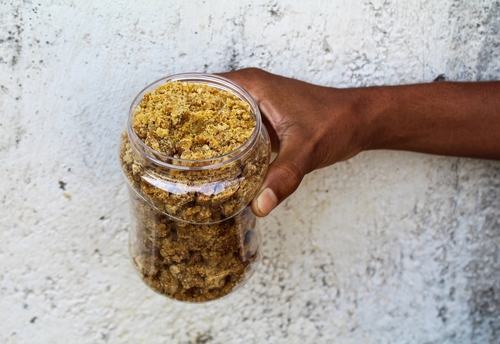
Jaggery is basically unrefined cane sugar, and it brings an almost caramel-like sweetness to chutneys and curries. It’s a great way to balance the heat of a spicy dish and add richness. When it’s not available, you can use brown sugar for sweetness and color, or add molasses to give you that extra depth.

How to stock a global pantry without breaking the bank

Even when authentic Indian ingredients are available, they’re often only sold in specialty stores or through online food suppliers, who can charge a healthy markup for their services.

By using a few smart substitutions and versatile staples, you can keep your pantry stocked to make just about anything without breaking the bank.

  • Cumin seeds – these earthy and aromatic flavor bombs are not only perfect for tempering dals, but also amazing for elevating roasted vegetables or spicing up a soup.
  • Turmeric powder – adds a beautiful golden color and warm undertone to your curries, and it can be amazing in smoothies too.
  • Dried fenugreek leaves – bring a slight bitterness that works amazingly in creamy dishes like butter chicken.
  • Mustard seeds – black or brown, they add a pop of flavor to pickles and roasted vegetables as well as curries. 

Where to shop

iShopIndian, Patel Brothers Online, and even Amazon can all be great sources for these essential ingredients. Buying in bulk can also help keep costs down, so consider splitting an order with friends or family. 

You could also try growing herbs like mint and cilantro at home. They’re easily grown in pots and will give you a fresh supply of flavorful ingredients whenever you need them.

Cooking tips for bringing authentic flavors to life

Great ingredients are just one side of the equation. Mastering these techniques is essential for learning how to cook Indian dishes with depth and aroma, even when you don’t have every traditional ingredient on hand. Here are some basic techniques to know:

  • Tempering (tadka) – The process of heating spices like cumin and chilis in oil unlocks the essential oils and aroma, making a fragrant base for curries and dals.
  • Blooming ground spices – After tempering whole spices in oil, add powdered spices like turmeric, coriander, and chili powder to ‘bloom’ them, deepening their color and aroma.
  • Layering flavors  Marinating meat or paneer allows spices to soak into the food, adding complexity and depth. Slow cooking marinated ingredients makes them unbelievably flavorful.

Enjoy Indian food anywhere with ingredient swaps

Finding authentic ingredients for Indian cooking is easier than ever, but there are still lots of places that have never heard of garam masala or tamarind paste.

That doesn’t mean you have to go without. Part of the fun of cooking is experimenting, and the substitutions in this article can not only help you recreate authentic Indian food but also let you add a festive twist for Christmas or other celebrations.

Indian cuisine is one of the world’s great culinary traditions. With a few easy swaps, you can incorporate locally available ingredients to bring flavor and tradition alive wherever you are.

FAQs

Can these swaps be used in traditional Indian recipes?

Of course. Although purists might insist you can’t make a good butter chicken without ghee, cooking is as much an art as it is a science. These swaps let you capture what makes these dishes so great without having to rely on hard-to-source ingredients.


What if I can’t find specific spices, even for substitutes like garam masala?

Focus on basic spices that are available just about anywhere. Things like turmeric, cumin, and chili powder are easy to find, and they can add a burst of flavor to any dish. It might not be quite the same, but you can get close even with fairly basic seasonings.


Are these swaps healthy?

Many of them are! For example, swapping butter for ghee reduces the calories while still providing great flavor. Using lime juice and brown sugar instead of tamarind paste helps you cut out a lot of processed additives that come in ready-made sauce jars.

Where can I buy authentic Indian ingredients easily?

Online grocers like iShopIndian or subscription services specializing in Indian cooking kits offer convenient options shipped to your door.


Moving to a new country brings excitement, nervousness, and a long list of things to figure out. Among all the preparations—visas, housing, jobs—there’s one purchase that consistently tops the list for newcomers around the world. It might surprise you.

The answer isn’t furniture, clothes, or even groceries. The first thing most people buy when they move to a new country is a local SIM card or phone plan.

This small plastic card represents something much bigger than connectivity. It’s the key to belonging, safety, and independence in an unfamiliar place. Let’s explore why this simple purchase holds such significance and what other essentials follow close behind.

Why a Phone Connection Comes First

When you step off a plane in a foreign country, your phone becomes your lifeline. That familiar device in your pocket suddenly feels useless without local service. International roaming charges can cost hundreds of dollars, making a local SIM card the most practical first purchase.

But practicality only tells part of the story. A working phone provides immediate comfort in an overwhelming situation. You can call a taxi, contact your new landlord, or reach someone back home to say you’ve arrived safely. These simple actions help transform a foreign place into somewhere you can navigate.

The psychological impact runs deeper too. Having a local phone number makes you feel less like a tourist and more like a resident. It’s your first official connection to your new home country.

The Universal Experience of Essential Purchases

Across different countries and cultures, newcomers tend to follow remarkably similar purchasing patterns. These early buys reveal shared human needs that transcend borders and backgrounds.

Food That Feels Like Home

After securing communication, most people head straight to find familiar food. This doesn’t necessarily mean expensive imported goods. Sometimes it’s as simple as finding bread that resembles what you’re used to, or discovering which local spices can substitute for ones from home.

Maria, who moved from Mexico to Canada, recalls spending her second day searching Toronto for corn tortillas. “I found them at a small Latin grocery store,” she says. “Buying that package felt like bringing a piece of home with me.”

Basic Household Items

A pillow, blanket, and something to eat with rank high on most newcomers’ shopping lists. These purchases transform temporary accommodation into a more comfortable space. Even if you’re staying in a furnished place initially, having your own pillow can make an enormous difference to your sleep and overall well-being.

Transportation Solutions

Whether it’s a transit card for public transportation or a bicycle, mobility becomes essential quickly. Being able to move around independently reduces anxiety and opens up opportunities to explore your new environment at your own pace.

Cultural Differences in First Purchases

While communication and comfort items top most lists, cultural backgrounds and destination countries create interesting variations in purchasing priorities.

Climate Adaptations

People moving to dramatically different climates often prioritize weather-appropriate clothing. Someone from tropical Philippines moving to snowy Canada might buy winter boots before anything else. Conversely, people from cold climates moving somewhere hot often need to quickly purchase lighter clothing and sun protection.

Religious and Dietary Needs

Newcomers with specific religious or dietary requirements often prioritize finding appropriate food sources. This might mean locating halal or kosher markets, or finding stores that stock familiar vegetarian options. These purchases connect people to their values and identity in a new place.

Technology Preferences

While SIM cards are universal, other technology purchases vary by origin country. People from countries with different electrical outlets buy adapters immediately. Those from places with different payment systems might prioritize setting up local banking or mobile payment apps.

The Emotional Journey of First Purchases

Each early purchase represents a small victory in adapting to a new country. Successfully buying something—even something as simple as coffee—builds confidence and familiarity with local customs.

These transactions often become learning experiences too. You discover how to interact with shopkeepers, understand local payment methods, and navigate cultural norms around customer service. Every purchase teaches you something about your new home.

The emotional weight of these buying decisions can feel overwhelming initially. Choosing between unfamiliar brands or trying to communicate your needs in a second language adds stress to simple tasks. But completing these purchases successfully provides a genuine sense of accomplishment.

Building Connections Through Commerce

Shopping in a new country creates opportunities for human connection. Store employees often become some of the first local people newcomers interact with regularly. These brief conversations help develop language skills and cultural understanding.

Local markets and small shops offer particularly valuable experiences. Unlike big box stores, smaller businesses often provide more personal interactions. Shopkeepers might offer recommendations, directions, or simply patience while you figure out local customs.

Many newcomers report that their first positive shopping experience—where they felt understood and welcomed—became a turning point in feeling at home in their new country.

Frequently Asked Questions

What should I research about shopping before moving to a new country?

Research basic store hours, payment methods, and tipping customs. Understanding whether stores close on certain days or accept credit cards can save time and frustration during your first shopping trips.

How can I find familiar foods in a new country?

Look for international grocery stores, ethnic markets, or sections within larger supermarkets. Online expat communities often share recommendations for where to find specific items from your home country.

What’s the best way to handle currency and payments initially?

Notify your bank about international travel, carry some local cash, and understand common payment methods in your destination. Many countries now favor contactless payments or specific mobile payment apps.

Should I buy everything immediately or wait?

Focus on true necessities first—communication, basic food, and essential comfort items. Give yourself time to research bigger purchases and understand local brands and pricing before making major buying decisions.

How do I know if I’m paying fair prices as a newcomer?

Research typical prices online beforehand when possible. Ask fellow expats or locals you trust for guidance. Many countries have standard pricing in major stores, but markets and smaller shops might have more flexible pricing.

Your First Purchase Matters

The first thing you buy in a new country marks the beginning of your integration journey. Whether it’s that essential SIM card, a comforting meal, or a practical necessity, each purchase builds your confidence and connection to your new home.

These early buying experiences shape your relationship with your new country. They teach you how commerce works, how people interact, and how to navigate daily life. Most importantly, they remind you that you can figure things out, one purchase at a time.

Remember that feeling overwhelmed by simple shopping tasks is completely normal. Every successful newcomer has stood confused in a grocery store aisle or struggled to communicate at a checkout counter. These challenges become easier with each interaction, and eventually, what once felt foreign becomes familiar routine.

Money carries more than monetary value for many people around the world. Certain bills become treasured keepsakes, carefully tucked away in wallets and purses, never to be spent. These “lucky” bills represent deeply held cultural beliefs, personal superstitions, and spiritual practices that transcend their face value.

Understanding why people hold onto specific currency reveals fascinating insights into global traditions and the human connection to symbols and numbers. From serial numbers to denominations, these beliefs shape spending habits and create unexpected emotional attachments to everyday objects.

Whether you’ve noticed someone carefully examining their cash before making a purchase or wondered about your own reluctance to spend certain bills, these practices connect us to rich cultural histories and personal meanings that span continents.

The Power of Numbers in Currency

Numbers hold profound significance across cultures, making certain bills more valuable than their printed amount. These numerical beliefs influence which bills people choose to keep versus spend.

Sacred Numbers in Islamic Culture

The number 786 carries special meaning in Islamic tradition. This figure represents the numerical value of “Bismillah al-Rahman al-Rahim” (In the name of Allah, the Most Gracious, the Most Merciful) when calculated using Arabic numerology. Bills containing 786 in their serial numbers become cherished possessions for many Muslims worldwide.

People often frame these bills, give them as wedding gifts, or keep them in prayer books. The spiritual significance transforms ordinary currency into blessed objects that provide comfort and connection to faith.

Chinese Prosperity Numbers

Chinese culture places enormous importance on the number 8, which sounds like the word for wealth and prosperity in Mandarin. Bills featuring multiple 8s in their serial numbers, especially 888, are considered extremely fortunate.

During Chinese New Year celebrations, receiving money with auspicious numbers amplifies the blessing. Parents and elders specifically seek out bills with favorable digit combinations when preparing traditional red envelopes (hongbao) for children and unmarried family members.

The number 9 also holds special status, representing longevity and eternal love. Couples often exchange bills with 999 serial numbers during weddings or anniversaries.

Cultural Beliefs About Lucky Denominations

Beyond serial numbers, the denomination itself can carry cultural weight. These beliefs vary significantly across different societies and historical contexts.

Seven-Dollar Bills and Western Superstition

Though seven-dollar bills don’t exist in regular circulation, when special commemorative versions are released, they become instant collector’s items. The number seven represents good fortune in many Western cultures, appearing in religious texts, folklore, and gambling traditions.

Some people specifically request two-dollar bills from banks because of their rarity and the belief that unusual currency brings good luck. These bills often stay in wallets for years, serving as personal talismans.

Round Numbers and Prosperity

Bills with denominations ending in zero often symbolize completeness and abundance. In many cultures, round numbers represent wholeness and perfection, making people reluctant to break larger bills during routine transactions.

This preference extends to coins as well, with some individuals saving all currency that displays their birth year, lucky numbers, or meaningful dates.

Personal Significance and Memory Keeping

Lucky bills often connect to personal experiences rather than cultural traditions. These individual attachments create powerful emotional bonds with specific pieces of currency.

First Earnings and Milestone Money

Many people preserve their first paycheck, tip money from a special job, or bills received during significant life events. A twenty-dollar bill from a graduation gift might remain untouched for decades, representing achievement and family pride.

Business owners frequently frame their first dollar earned, creating a visual reminder of their entrepreneurial journey. This practice bridges the gap between practical currency and meaningful memento.

Travel and Adventure Money

Currency collected during meaningful trips often becomes permanent keepsakes. That colorful foreign bill from a honeymoon destination or the crisp note received as change during a life-changing journey holds memories that far exceed its spending power.

Some travelers specifically seek out bills with interesting serial numbers or pristine conditions to commemorate their adventures, treating them as portable souvenirs that fit perfectly in a wallet.

Regional Variations in Lucky Currency Beliefs

Different regions have developed unique relationships with their local currency based on historical events, cultural values, and religious practices.

Indian Currency and Religious Symbolism

In India, bills featuring certain deities or symbols may be preserved for spiritual reasons. The practice of touching money to religious images before spending reflects the intersection of daily commerce and devotional practice.

Some families keep specific denominations in their prayer rooms, believing that blessed money will attract financial prosperity to the household.

European Traditions and Historical Connections

European countries with rich monetary histories often have traditions surrounding vintage or transitional currency. Bills from significant historical periods, such as the introduction of the Euro, become keepsakes that represent cultural transformation.

In some regions, bills received during religious ceremonies like confirmations or weddings are preserved as symbols of blessing and community support.

The Psychology Behind Lucky Money

The attachment to lucky bills reveals deeper psychological patterns about security, control, and meaning-making in uncertain times.

Comfort and Security

Keeping lucky bills provides a sense of control in financial uncertainty. These preserved notes serve as emergency comfort, not for their monetary value but for their perceived protective qualities.

The act of holding onto specific currency creates a psychological safety net, offering reassurance during challenging economic periods or personal financial stress.

Connection to Heritage

For immigrants and their children, preserving currency from their homeland maintains connection to cultural identity. A lucky bill becomes a tangible link to family traditions and ancestral wisdom.

These preserved notes often pass between generations, carrying stories and beliefs that strengthen family bonds across time and distance.

Practical Considerations

While lucky bills hold personal and cultural significance, they also present practical considerations for everyday financial management.

Banking and Currency Circulation

When significant numbers of people remove specific bills from circulation, it can create minor disruptions in cash flow at banks and businesses. Currency with popular lucky numbers may become artificially scarce in certain communities.

Banks report increased requests for bills with specific serial numbers during culturally significant holidays and celebrations, requiring additional preparation and customer service resources.

Economic Impact

The practice of preserving lucky bills has minimal economic impact on most monetary systems, but it does represent removed purchasing power. Bills kept indefinitely essentially function as very small, interest-free loans to governments.

For collectors and those seeking specific numbers, secondary markets sometimes develop where lucky bills trade at premiums above their face value.

Frequently Asked Questions

What makes a bill “lucky” in different cultures?

Lucky bills typically feature significant numbers in their serial numbers or represent important denominations. Islamic culture values 786, Chinese culture prizes 8s and 9s, and Western cultures often favor 7s. Personal significance, such as birth years or meaningful dates, also creates lucky bills for individuals.

Do banks accommodate requests for specific serial numbers?

Most banks cannot guarantee specific serial numbers since currency arrives in sequential bundles from central banks. However, some branches may allow customers to examine available bills and select preferred options when possible, especially during cultural celebrations.

Is it financially wise to keep lucky bills instead of spending them?

Keeping a few meaningful bills typically has minimal financial impact. However, removing large amounts of currency from circulation or paying premiums for specific serial numbers may not align with sound financial planning. The emotional and cultural value often outweighs the small monetary cost for most people.

How do lucky bill beliefs affect business transactions?

Some businesses in culturally diverse areas report customers examining bills carefully before accepting change or specifically requesting certain denominations. Understanding these practices helps create more respectful and accommodating customer service experiences.

Can lucky bills actually influence financial outcomes?

While there’s no scientific evidence that specific bills create financial luck, the psychological comfort and cultural connection they provide can positively impact confidence and decision-making. The belief in lucky currency often reflects broader positive attitudes toward money management and prosperity.

Building Understanding Across Cultures

Lucky bill traditions offer windows into diverse cultural values and personal meaning-making practices. These beliefs demonstrate how everyday objects can carry profound significance that extends far beyond their intended function.

Recognizing and respecting these practices creates opportunities for deeper cultural understanding and more inclusive financial services. Whether you personally believe in lucky currency or simply appreciate the rich traditions behind these practices, understanding these customs enriches our global perspective on money, meaning, and human connection.

The next time you notice someone carefully examining their cash or expressing reluctance to spend a particular bill, remember that you’re witnessing a practice that connects individual experience to centuries of cultural wisdom and personal significance.

Step into any international airport and you’ll spot them immediately: harried travelers clutching their boarding passes while frantically digging through wallets at currency exchange kiosks. Despite having weeks or months to prepare for their trip, millions of people find themselves in this exact scenario every day.

This last-minute currency exchange has become such a common sight that it’s practically a travel ritual. But what drives otherwise organized people to leave such an important task until the final moments before departure? The psychology behind this behavior reveals fascinating insights about how we plan, procrastinate, and cope with travel anxiety.

Understanding why travelers make this costly choice can help you avoid the same mistake and save significant money on your next international trip.

The Psychology Behind Last-Minute Currency Exchange

Travel planning triggers complex psychological responses that often lead to poor financial decisions. When facing an upcoming international trip, many travelers experience what psychologists call “planning fallacy” – the tendency to underestimate how long tasks will take and overestimate our future motivation to complete them.

Currency exchange falls into a category that behavioral economists describe as “low urgency, high consequence” tasks. Unlike booking flights or hotels, exchanging money doesn’t feel immediately critical. Your trip won’t be canceled if you don’t have foreign currency in hand weeks beforehand. This creates a false sense of security that the task can always be handled later.

Procrastination also plays a major role. The abstract nature of foreign currency makes it easy to postpone the exchange until it becomes tangible and urgent. When you’re standing in the airport, suddenly that stack of euros or yen becomes very real and very necessary.

Why Airport Exchange Feels Like the “Safe” Option

Despite the notoriously poor exchange rates at airports, many travelers gravitate toward these kiosks because they offer psychological comfort during a stressful time. Airport currency exchange provides several perceived benefits that override financial logic.

The convenience factor cannot be understated. After checking in, going through security, and navigating to your gate, the airport exchange kiosk appears as a one-stop solution. No additional trips, no research required, no worrying about whether you’ll find another opportunity.

Travelers also experience what’s known as “availability bias” – they overweight the importance of immediately available options. The exchange booth is right there, staffed with someone who speaks their language and accepts their credit card. This immediate availability makes the service feel more valuable than it actually is.

Airport exchanges also capitalize on time pressure. When you’re facing a departure in two hours, you’re not in the mindset to compare rates or seek alternatives. The psychological stress of potentially missing your flight makes any solution feel worthwhile, regardless of cost.

The True Cost of Airport Currency Exchange

The financial impact of airport currency exchange is more severe than many travelers realize. Airport kiosks typically charge exchange rates that are 5-10% worse than market rates, plus additional fees that can range from $5-15 per transaction.

For a typical $500 currency exchange, this means you could lose $25-65 compared to better alternatives. On larger amounts or frequent trips, these costs compound significantly. A business traveler making monthly international trips could easily spend hundreds of dollars annually in unnecessary exchange fees.

The hidden nature of these costs makes them particularly problematic. Unlike airline baggage fees or hotel resort charges, poor exchange rates aren’t clearly disclosed. The booth displays a rate, you hand over your money, and you receive foreign currency without a clear understanding of how much extra you’ve paid for the convenience.

How Digital Banking Has Changed the Game

The rise of digital banking and fintech companies has revolutionized currency exchange, yet many travelers remain unaware of these alternatives. Modern solutions offer significantly better rates and greater convenience than traditional airport exchanges.

Mobile apps now allow you to exchange currency digitally and spend using a travel-friendly debit card. Companies like Wise (formerly TransferWise) and Revolut offer exchange rates within 1% of the market rate – a dramatic improvement over airport kiosks. These services also provide transparent fee structures and real-time rate information.

Digital wallets and international payment apps have made it possible to travel with minimal physical cash while still having access to local currency when needed. Many of these platforms allow you to exchange money at favorable rates and withdraw cash from ATMs worldwide at competitive fees.

Online currency exchange services have also become more accessible, allowing travelers to order foreign currency for home delivery or pickup. This eliminates the time pressure of airport exchanges while providing better rates than traditional brick-and-mortar currency exchange businesses.

The Airport Experience: What Hasn’t Changed

Despite technological advances, certain aspects of airport currency exchange remain remarkably consistent. The basic setup of exchange kiosks in high-traffic areas continues to capture travelers who haven’t planned ahead.

Airport operators continue to position currency exchange as an essential service, often placing booths near security checkpoints and departure gates where travelers are most likely to panic about forgotten preparations. The staff at these locations are trained to process transactions quickly, reinforcing the perception that this is a normal, expected part of travel.

The psychological triggers that drive people to airport exchanges haven’t diminished either. Travel anxiety, time pressure, and the desire for immediate solutions continue to override rational financial planning for many travelers.

What has changed is the availability of information. Travelers now have immediate access to current exchange rates through smartphone apps, making it easier to understand exactly how much they’re overpaying for airport convenience. However, this knowledge often arrives too late to influence the decision.

Smart Alternatives to Airport Currency Exchange

Planning ahead remains the most effective strategy for avoiding expensive airport exchanges. Banks and credit unions typically offer better rates than airport kiosks, especially if you’re exchanging larger amounts or are an existing customer.

Online currency exchange platforms provide competitive rates and convenient delivery options. Services like CurrencyFair and XE Money allow you to lock in favorable rates and have currency delivered to your home or office before departure.

For travelers who prefer digital solutions, international debit cards and prepaid travel cards offer excellent alternatives. These cards allow you to load multiple currencies and spend or withdraw cash abroad at rates much better than airport exchanges.

ATM withdrawals at your destination often provide the best combination of convenience and favorable rates. Many banks have partnerships with international ATM networks, allowing you to withdraw local currency directly from your checking account at competitive exchange rates.

When Airport Exchange Makes Sense

While generally expensive, airport currency exchange does make sense in specific situations. If you’ve forgotten to exchange money and need immediate cash for transportation or tips upon arrival, the convenience may justify the cost for small amounts.

Emergency situations also warrant consideration of airport exchanges. If your bank cards aren’t working or you’re traveling to a destination where card acceptance is limited, having some local currency becomes essential regardless of the exchange rate.

Business travelers with company expense accounts may find airport exchanges acceptable if the time saved is more valuable than the money lost on poor rates. However, even in these situations, better planning usually provides superior outcomes.

Building Better Travel Money Habits

Developing consistent pre-trip routines can eliminate the need for last-minute airport exchanges. Include currency planning in your standard travel checklist, alongside passport checks and packing lists.

Set up banking relationships that support international travel before you need them. Many banks offer travel-friendly accounts with reduced international fees and better exchange rates for customers who plan ahead.

Consider keeping small amounts of major currencies (euros, pounds, yen) at home if you travel internationally regularly. This eliminates the pressure of obtaining currency for each trip and allows you to exchange money when rates are favorable rather than when convenient.

Technology can also help build better habits. Set up rate alerts through currency exchange apps to monitor favorable exchange opportunities. Many services will notify you when rates reach levels you specify, allowing you to exchange money at optimal times.

Planning Your Next International Trip

The airport currency ritual continues because it serves an emotional need for travelers, even when it doesn’t serve their financial interests. Understanding this psychology can help you make better decisions about when and where to exchange money for international travel.

Start planning your currency needs when you book your trip, not when you arrive at the airport. Research your destination’s payment preferences and ATM availability. Set up appropriate banking products and exchange small amounts through better channels before departure.

Your wallet will thank you for breaking the airport currency ritual, and you’ll arrive at your destination with more money to spend on experiences that matter.

Frequently Asked Questions

Is it ever worth exchanging money at the airport?

Airport currency exchange makes sense only for small emergency amounts or when you absolutely need cash immediately upon arrival and have no other options. For amounts over $100, you’ll almost always save money using alternatives.

How much worse are airport exchange rates compared to banks?

Airport kiosks typically offer rates 5-10% worse than banks, plus additional fees. On a $500 exchange, this could cost you an extra $25-65 compared to better alternatives.

What’s the best way to get foreign currency for travel?

The best approach depends on your destination and spending habits. International debit cards with low fees often provide the best rates for ATM withdrawals abroad. For cash-heavy destinations, online exchange services or your bank typically offer better rates than airports.

Should I exchange money before traveling or at my destination?

For major currencies, exchanging small amounts before travel ensures you have cash for immediate needs like transportation. For larger amounts, using ATMs at your destination often provides better rates than pre-trip exchanges.

How can I avoid needing to exchange money at the airport?

Plan currency needs when booking your trip, not at departure. Set up travel-friendly banking products, research your destination’s payment preferences, and exchange small amounts through better channels before leaving home.

When you send money to family and friends around the world, you might wonder what happens after they receive it. How do people keep their cash safe at home? Understanding these storage methods can help you make better decisions about how much to send and when to send it.

Many recipients don’t have immediate access to banks or prefer to keep cash on hand for daily expenses. From simple envelope systems to sophisticated home safes, people have developed various strategies to protect their money. These methods reflect both practical needs and cultural approaches to financial security.

For money senders, knowing how recipients typically store cash provides valuable insight into timing transfers and choosing appropriate amounts. It also highlights why reliable, secure money transfer services matter more than ever.

Common Ways People Store Cash at Home

Kitchen and Bedroom Hiding Spots

The kitchen remains one of the most popular locations for storing cash. Many people tuck money inside containers, cookie jars, or sealed bags hidden in pantries. Others prefer bedroom locations like dresser drawers, jewelry boxes, or between mattresses.

These familiar hiding spots offer quick access but limited security. Recipients often choose locations they can easily remember and reach when needed for daily expenses or emergencies.

Family-Accessible Storage Areas

Many households designate specific drawers or containers where family members can access money for household needs. These shared storage solutions work well for families who pool resources or when multiple people need access to funds.

Common family-accessible storage includes:

  • Kitchen drawers with small cash boxes
  • Living room furniture with hidden compartments
  • Shared bedroom dressers
  • Designated envelopes for different purposes

This approach promotes transparency within families while keeping money readily available for groceries, transportation, and other daily expenses.

Envelope and Categorization Systems

The envelope method remains popular worldwide for organizing cash by purpose. People separate money into labeled envelopes for rent, food, utilities, education, and other specific needs.

This system helps recipients budget effectively and ensures money sent for particular purposes gets used appropriately. Many families combine this method with hiding spots, storing categorized envelopes in secure locations throughout their homes.

Home Safes and Security Boxes

Recipients who regularly receive larger amounts often invest in home safes or security boxes. These range from small fireproof boxes to larger safes bolted to floors or walls.

Home safes provide protection against theft and natural disasters. They’re particularly common among recipients who:

  • Receive substantial transfers regularly
  • Live in areas with limited banking access
  • Prefer keeping emergency funds at home
  • Run small family businesses

Security Considerations That Impact Money Transfers

Risk Factors for Cash Storage

Storing cash at home carries inherent risks that affect both recipients and senders. Theft, fire, flooding, and other disasters can destroy money quickly. Unlike bank deposits, home-stored cash lacks insurance protection or recovery options.

Recipients in areas with high crime rates face additional security challenges. Large amounts of visible cash can make households targets for robbery. This reality influences how much money people feel comfortable receiving at once.

Timing and Amount Strategies

Understanding home storage limitations helps senders make smarter transfer decisions. Rather than sending large lump sums that create security risks, many senders opt for smaller, more frequent transfers.

This approach offers several advantages:

  • Reduces the amount of cash recipients need to store
  • Minimizes potential losses from theft or disasters
  • Provides regular financial support
  • Allows for better budgeting and planning

Geographic and Cultural Factors

Storage preferences vary significantly based on location and cultural background. Recipients in rural areas might have different security concerns than those in urban environments. Cultural attitudes toward banks and financial institutions also influence storage decisions.

Some communities have strong traditions of keeping money at home, viewing it as more trustworthy than formal banking systems. Others may lack access to nearby banks, making home storage a practical necessity rather than a choice.

Planning Considerations for Financial Inclusion

When Banking Access Is Limited

Many money transfer recipients live in areas where banks are scarce or require long travel times to reach. Others face barriers like documentation requirements, minimum balance rules, or language difficulties that make banking challenging.

For these recipients, home storage becomes essential for financial security. Understanding this reality helps senders appreciate why their recipients might prefer cash pickup locations over bank deposits.

Building Toward Better Financial Security

While home storage serves immediate needs, it’s often a stepping stone toward more formal financial inclusion. Recipients who start with basic cash management at home may gradually move toward:

  • Opening savings accounts when banks become accessible
  • Using mobile money services where available
  • Investing in small business opportunities
  • Building credit histories for future financial growth

Senders can support this progression by discussing financial options with recipients and understanding their long-term goals.

Emergency Fund Considerations

Home-stored cash often serves as emergency funds for medical expenses, natural disasters, or unexpected financial needs. Recipients typically keep these funds separate from daily spending money, often in more secure storage locations.

This emergency fund function influences transfer patterns. Some recipients prefer building up larger cash reserves at home, while others feel more comfortable with smaller amounts and the knowledge that they can receive additional transfers quickly when needed.

What This Means for Money Senders

Choosing Transfer Amounts and Frequency

Understanding home storage realities helps senders make thoughtful decisions about transfer amounts. Consider your recipient’s:

  • Storage security options
  • Immediate financial needs
  • Comfort level with keeping cash at home
  • Access to banking services

Smaller, regular transfers often provide better security than large, infrequent ones. This approach reduces storage risks while ensuring consistent financial support.

Selecting Reliable Transfer Services

When recipients store money at home, the reliability of your transfer service becomes even more critical. Delays or failures in money transfers can leave recipients without needed funds, potentially creating financial stress or forcing them to dip into emergency reserves.

Choose transfer services that offer:

  • Consistent delivery timeframes
  • Multiple pickup locations
  • Clear fee structures
  • Reliable customer support
  • Strong security measures

Communication and Planning

Regular communication with recipients helps you understand their storage preferences and security concerns. Discuss timing needs, preferred amounts, and any challenges they face in keeping money safe.

This ongoing dialogue builds trust and helps you adapt your sending strategy to their evolving needs and circumstances.

Frequently Asked Questions

How much cash is safe to store at home?

The safe amount varies based on security measures, local crime rates, and individual circumstances. Generally, keeping only what’s needed for a few weeks of expenses reduces risk. Larger amounts benefit from proper safes or security boxes.

Should I send smaller amounts more frequently?

Smaller, frequent transfers often provide better security than large lump sums. This approach reduces storage risks for recipients while ensuring regular financial support. However, consider transfer fees when determining the optimal frequency.

What if my recipient doesn’t have secure storage options?

Discuss alternatives like trusted family members, community savings groups, or nearby bank accounts. Some recipients might benefit from investing in basic security equipment like small safes or lockboxes.

How do I know if my recipient’s storage method is secure?

Open communication works best. Ask about their storage approach and any security concerns. Share general safety tips without being prescriptive, and respect their knowledge of local conditions.

Are there cultural considerations around cash storage?

Yes, cultural attitudes toward banks, cash, and financial security vary significantly. Some cultures have strong traditions of home storage, while others emphasize formal banking. Respect these differences while discussing security options.

Supporting Safe Financial Practices

Understanding how people store money at home provides valuable insight into global financial realities. Many of your recipients navigate complex security challenges while managing household finances and building toward greater financial inclusion.

As a money sender, your awareness of these storage realities helps you make better transfer decisions. Consider timing, amounts, and reliability when choosing how to send money. Support your recipients by maintaining open communication about their needs and preferences.

Remember that home storage often represents a practical solution rather than a preferred choice. By choosing reliable transfer services and thoughtful sending strategies, you contribute to your recipients’ financial security and peace of mind.

When you send money to India, understanding currency availability can make the difference between a smooth transaction and unexpected delays for your recipient. Currency access varies significantly across different regions, affecting when and where your loved ones can collect their funds.

India’s diverse landscape creates unique challenges for money pickup services. While major cities offer numerous pickup locations with consistent currency supplies, rural areas may face different limitations. These variations can impact delivery times and pickup convenience, making it essential to understand how location affects your money transfer.

Knowing what to expect helps you plan better transfers and communicate realistic timelines to your recipients. This guide explains how currency availability works across India’s urban and rural areas, helping you make informed decisions about your money transfers.

Understanding India’s Currency Distribution Network

India’s currency distribution system operates through a complex network of banks, ATMs, and authorized pickup locations. The Reserve Bank of India manages currency supply, but distribution efficiency varies based on location infrastructure and demand patterns.

Urban centers typically maintain steady currency supplies due to higher transaction volumes and better transportation networks. These areas benefit from frequent currency replenishment and multiple backup options when individual locations run low.

Rural regions face different challenges. Limited transportation infrastructure and lower transaction volumes can create temporary shortages, especially during peak periods like festivals or harvest seasons when cash demand increases.

Urban Areas: Consistent Access and Multiple Options

Cities like Mumbai, Delhi, Bangalore, and Chennai offer extensive pickup networks with reliable currency availability. Multiple banks, money transfer operators, and retail partners create redundancy that ensures consistent service.

Urban pickup locations typically receive regular currency replenishment, often daily or multiple times per week. This frequent restocking means recipients can usually collect funds without delays, even during busy periods.

The density of pickup locations in urban areas provides flexibility. If one location experiences temporary shortages, recipients can easily visit nearby alternatives. This network effect creates more reliable service overall.

Rural Challenges: Planning for Potential Delays

Rural and semi-urban areas may experience occasional currency shortages that can delay pickup. These shortages aren’t permanent but can create temporary inconveniences for recipients.

Transportation logistics play a significant role in rural currency availability. Remote locations may receive currency shipments less frequently, making them more vulnerable to short-term shortages during high-demand periods.

Agricultural regions often see increased demand during harvest seasons when farmers need cash for transactions. This seasonal variation can strain local currency supplies temporarily.

Peak Periods That Affect Availability

Certain times of year create higher cash demand across India, potentially affecting pickup availability. Festival seasons like Diwali, Eid, and regional celebrations increase money transfer volumes and cash withdrawal needs.

Wedding seasons also drive higher demand, as families need cash for ceremonies and related expenses. These cultural events can temporarily impact currency availability in both urban and rural areas.

Month-end periods often see increased activity as people receive salaries and make payments, creating additional demand for physical currency at pickup locations.

How to Minimize Pickup Delays

Understanding regional patterns helps you plan more effective transfers. Consider timing when you send money, especially during known peak periods or local festivals.

Communicate with your recipient about pickup location options. Urban recipients benefit from having several backup locations identified in case their preferred spot experiences temporary shortages.

For rural recipients, plan transfers with extra time during peak seasons. While delays aren’t common, building in buffer time ensures your recipient isn’t inconvenienced if temporary shortages occur.

Location-Specific Considerations

Metropolitan areas generally offer the most reliable pickup experiences. These locations benefit from robust infrastructure and high transaction volumes that support consistent currency availability.

Tier-2 cities typically maintain good currency supplies but may have fewer backup options than major metropolitan areas. Recipients in these locations usually experience reliable service with occasional minor delays.

Remote rural areas require the most planning consideration. While service remains available, temporary shortages are more likely during peak demand periods or when transportation schedules are disrupted.

What This Means for Your Transfers

Currency availability affects pickup timing but doesn’t prevent transactions from completing. Recipients can collect their funds, though they may need to wait or visit alternative locations during peak periods.

Most pickup delays resolve within 24-48 hours as currency supplies are replenished. Understanding this timeline helps you set appropriate expectations with recipients.

The key is choosing transfer methods that align with your recipient’s location and circumstances. Urban recipients enjoy maximum flexibility, while rural recipients benefit from advance planning during busy periods.

Planning Successful Money Transfers

Consider your recipient’s location when timing transfers. Urban recipients can usually collect funds immediately, while rural recipients may appreciate extra time during peak seasons.

Discuss pickup preferences with your recipient. Understanding their local options and any potential constraints helps ensure smooth transactions.

Monitor seasonal patterns that might affect your specific transfer corridor. Local festivals, agricultural cycles, and regional events can influence optimal transfer timing.

Making Informed Transfer Decisions

Currency availability is just one factor in successful money transfers to India. Understanding how location affects pickup helps you plan more effectively and communicate better with recipients.

Urban areas offer maximum convenience and reliability, while rural areas require slightly more planning during peak periods. Both scenarios provide successful transfer outcomes with appropriate preparation.

Consider your recipient’s needs, location, and timeline when planning transfers. This understanding helps ensure your money reaches its destination smoothly, regardless of regional currency availability patterns.

Frequently Asked Questions

How long do currency shortages typically last at pickup locations?

Most temporary shortages resolve within 24-48 hours as locations receive fresh currency supplies. Urban areas often see faster resolution due to more frequent replenishment schedules.

Can recipients check currency availability before visiting pickup locations?

Many pickup operators provide phone numbers or online systems where recipients can verify availability before traveling. This is especially helpful for rural recipients who may need to travel longer distances.

Do currency shortages affect the safety of my transfer?

No, currency shortages don’t affect transfer security or completion. Your money remains safe and available for pickup once currency supplies are replenished at the chosen location.

Are certain denominations more likely to be unavailable?

Larger denominations may be less readily available at some rural locations, while smaller bills are typically more consistently stocked. Most locations can accommodate standard pickup amounts.

How can I help my recipient prepare for potential delays?

Inform your recipient about peak periods and suggest they have backup pickup locations identified. For rural recipients, recommend avoiding immediate pickup during known high-demand periods when possible.

Cash was once the cornerstone of daily transactions. From buying morning coffee to splitting dinner bills, physical money moved seamlessly from wallet to hand to register. But as digital payments reshape how we spend, a fundamental question emerges: are young people abandoning cash entirely, or does it still hold a place in their financial lives?

The answer isn’t as straightforward as you might expect. While Generation Z has embraced digital payments more than any generation before them, their relationship with cash remains surprisingly complex. Some view physical money as outdated and inconvenient. Others keep it as a financial safety net or budgeting tool. Many fall somewhere in between, using cash selectively based on circumstance and personal preference.

Understanding these generational shifts in payment habits reveals broader changes in how young people think about money, security, and financial independence. The data shows patterns that challenge common assumptions about cash usage among digital natives.

The Global Shift Away from Physical Money

Young people worldwide are leading the charge toward cashless transactions. Digital payment adoption among Generation Z has accelerated rapidly over the past five years, driven by smartphone ubiquity and the convenience of contactless payments.

In countries like Sweden and South Korea, cash usage among people under 25 has dropped to single digits for many transaction types. Mobile payment platforms like Venmo, Cash App, and Zelle have become the default for peer-to-peer transfers. Even traditional cash strongholds are experiencing change as young consumers prioritize speed and convenience.

The pandemic accelerated this trend significantly. Many young adults who previously used cash for small purchases switched to contactless payments for health reasons and never switched back. Businesses that once operated as cash-only establishments began accepting digital payments to serve younger customers.

But the shift isn’t uniform across all regions or demographics. Cultural factors, banking infrastructure, and economic conditions create variations in how quickly young people abandon physical money.

When Cash Still Matters to Gen Z

Despite the digital payment revolution, cash retains specific advantages that appeal to young people in certain situations. Understanding when and why Generation Z still reaches for physical money reveals important insights about their financial priorities.

Emergency Preparedness

Many young adults keep cash as a backup payment method. Technology failures, dead phone batteries, and network outages can make digital payments impossible. Cash provides security in these scenarios, ensuring they can still make necessary purchases when electronic systems fail.

This preparedness mindset often develops after experiencing payment disruptions firsthand. Young people who have been stranded without digital payment options tend to carry small amounts of cash as insurance.

Budgeting and Spending Control

Physical money creates psychological barriers that help some young people manage their spending. The tangible nature of cash makes transactions feel more concrete compared to the abstract nature of digital payments.

Some Generation Z individuals use cash envelopes or similar budgeting methods to control discretionary spending. They withdraw specific amounts for entertainment, dining out, or shopping, then stop spending when the cash runs out. This method provides clearer spending boundaries than monitoring digital account balances.

Privacy and Anonymity

Concerns about data privacy and transaction tracking motivate some young people to use cash for certain purchases. While they may be comfortable with digital payments for routine transactions, they prefer cash when they want to keep purchases private.

This privacy consideration extends beyond personal preferences to include concerns about data collection, targeted advertising, and financial surveillance. Young adults who prioritize privacy often use cash strategically rather than abandoning it completely.

Cultural and Regional Differences

Cash usage among young people varies significantly based on geographic location and cultural context. These differences highlight how local factors influence payment preferences even within the same generation.

Developed Markets Leading Digital Adoption

In countries with advanced banking infrastructure, young people have largely moved away from cash for everyday transactions. Nordic countries, Singapore, and parts of urban China see extremely low cash usage among Generation Z.

These markets benefit from widespread merchant acceptance of digital payments, robust telecommunications networks, and cultural openness to new payment technologies. Young people in these regions often view cash as outdated and inconvenient.

Emerging Markets Maintaining Cash Usage

Young people in emerging markets show different patterns. While they eagerly adopt digital payments when available, cash remains more prevalent due to infrastructure limitations and merchant acceptance gaps.

In many developing countries, cash provides reliability that digital payments cannot yet match. Young adults in these markets often use hybrid approaches, combining cash and digital payments based on merchant capabilities and transaction amounts.

Cultural Attitudes Toward Money

Cultural factors significantly influence cash usage patterns. In societies where physical money carries cultural significance or represents financial wisdom, young people may maintain cash habits despite digital alternatives.

Family traditions, gift-giving customs, and cultural ceremonies often involve physical money. Young people in these contexts maintain cash usage for specific cultural purposes while adopting digital payments for routine transactions.

The Economics of Going Cashless

Financial considerations play a crucial role in young people’s payment choices. Understanding the economic factors helps explain why some embrace cashless transactions while others maintain mixed payment approaches.

Transaction Costs and Fees

Digital payments often involve fees that cash transactions avoid. Young adults with limited budgets may choose cash for small purchases to avoid transaction charges, merchant fees, or service costs.

However, the convenience and time savings of digital payments often outweigh small fees for many young consumers. The calculation varies based on individual financial circumstances and spending patterns.

Banking Access and Account Requirements

Not all young people have equal access to banking services and digital payment platforms. Those with limited banking relationships or credit histories may rely more heavily on cash by necessity rather than choice.

Building digital payment capabilities requires bank accounts, smartphones, and often credit cards or linked accounts. Young adults establishing financial independence may need time to access these services fully.

Technology’s Role in Shaping Payment Preferences

Technological developments continue reshaping how young people think about and use money. New payment innovations influence their relationship with cash in unexpected ways.

Smartphone Integration

The integration of payment capabilities into smartphones has made digital transactions more seamless than carrying and counting cash. Young people who grew up with smartphones often find physical money cumbersome by comparison.

Near-field communication (NFC) technology, biometric authentication, and instant payment confirmations provide user experiences that cash cannot match. These technological advantages drive continued adoption among young consumers.

Emerging Payment Technologies

Cryptocurrency, buy-now-pay-later services, and digital wallets continue expanding payment options for young people. Each new technology potentially reduces reliance on physical cash by offering additional convenience or functionality.

However, these innovations also create complexity that sometimes drives young consumers back to the simplicity of cash for certain transactions.

Social Factors Influencing Cash Usage

Social dynamics significantly impact how young people approach cash usage. Peer influence, social signaling, and group payment situations all affect their payment choices.

Peer-to-peer payment apps have made splitting bills and sharing expenses easier than using cash. Young adults often prefer digital transfers for social payments because they’re more convenient and create automatic records.

Social situations sometimes still favor cash usage. Tipping service workers, contributing to group gifts, or making small purchases from individual sellers often work better with physical money.

The social acceptability of different payment methods varies by context, influencing when young people choose cash over digital alternatives.

Frequently Asked Questions

How much cash does the average young person carry?

Most young adults carry less than $50 in cash, if any. Many carry $10-20 for emergencies or specific situations where cash is preferred. The amount varies significantly by location, lifestyle, and personal preferences.

Do young people still use ATMs regularly?

ATM usage among young people has declined substantially. Most access cash infrequently, often planning specific withdrawals rather than making regular ATM visits. When they do use ATMs, it’s typically for larger amounts that last longer periods.

Which countries have the youngest generations using the least cash?

Sweden, Denmark, South Korea, and Singapore lead in cashless adoption among young people. In these markets, it’s common to find young adults who rarely or never use physical money for transactions.

Are there security concerns with young people going cashless?

Digital payments create different security considerations than cash. While they reduce risks like theft of physical money, they introduce cybersecurity concerns, data privacy issues, and dependence on technology systems.

Will cash disappear completely among young generations?

Complete elimination of cash seems unlikely in the near term. While usage continues declining, cash maintains advantages for specific situations that keep it relevant for many young people as a backup or specialized payment method.

Finding Balance in Modern Payment Choices

The relationship between young people and cash reflects broader changes in how we think about money, technology, and financial independence. While digital payments dominate routine transactions, cash maintains relevance in specific contexts that matter to young consumers.

Rather than completely abandoning physical money, most young adults are developing hybrid approaches that combine the convenience of digital payments with the advantages cash provides in certain situations. This balanced strategy reflects thoughtful adaptation to changing payment landscapes.

Understanding these patterns helps businesses, financial institutions, and policymakers better serve young consumers’ evolving needs. The future likely holds continued innovation in payment technologies alongside persistent niches where cash remains valuable.

For young people navigating these choices, the key lies in understanding the strengths and limitations of different payment methods, then using each tool strategically based on specific circumstances and personal financial goals.

Coins often get overlooked in our increasingly digital world. Many of us toss them into jars or leave them forgotten in car cup holders. But the purchasing power of small change varies dramatically across countries. While a penny might be virtually worthless in the United States, similar denominations can buy essential items in other parts of the world.

Understanding the real value of coins globally offers insight into economic differences, cost of living variations, and how currency denominations reflect a country’s purchasing power. This exploration reveals fascinating contrasts between developed and developing economies through the lens of their smallest denominations.

Whether you’re traveling internationally, sending money to family abroad, or simply curious about global economics, knowing what coins can actually buy provides valuable perspective on how money functions differently around the world.

The Reality of Coin Value Across Currencies

The purchasing power of coins depends heavily on a country’s economic conditions and cost of living. In developed nations like the United States, Canada, or much of Europe, the smallest coins often can’t buy anything meaningful. A single penny, cent, or pence has virtually no purchasing power on its own.

However, this changes dramatically in countries with different economic structures. Nations with higher inflation rates or lower average incomes often maintain meaningful purchasing power for their smallest denominations. The key factor isn’t just the coin’s face value, but what that value represents within the local economy.

Exchange rates also play a crucial role. A coin worth one unit in a developing country might equal several cents in US dollars, but within that local economy, it retains practical buying power that American pennies lost decades ago.

Countries Where Coins Still Buy Real Items

India: Small Purchases with Rupee Coins

In India, coins ranging from 1 to 10 rupees maintain genuine utility. A 1-rupee coin can purchase small candies, a piece of gum, or contribute toward temple donations. Five-rupee coins can buy a small packet of biscuits, a single banana, or a small sachet of shampoo.

Ten-rupee coins offer even more options, including a cup of tea from street vendors, a small portion of peanuts, or basic school supplies like pencils or erasers. These purchases reflect India’s diverse economy where street vendors and small-scale retail still accommodate micro-transactions.

Indonesia: Rupiah Coins for Daily Necessities

Indonesian rupiah coins, particularly in denominations of 500 to 1,000 rupiah, can purchase actual items. A 500-rupiah coin might buy a small candy or contribute toward a glass of water from street vendors. Thousand-rupiah coins can purchase small snacks, a single cigarette, or basic toiletries from local shops.

These coins remain relevant because Indonesia’s economy still supports very small-scale transactions, particularly in rural areas and traditional markets where bargaining and small purchases are common.

Mexico: Peso Coins with Practical Value

Mexican peso coins, especially in 1, 2, 5, and 10-peso denominations, retain meaningful purchasing power. A 1-peso coin can buy small candies or contribute toward public transportation in some cities. Five-peso coins can purchase a small piece of fruit, a single tortilla, or basic school supplies.

Ten-peso coins expand options significantly, allowing purchases of small snacks, basic toiletries, or contributing substantially toward larger purchases like street food or drinks.

Countries Where Coins Have Limited Value

United States: The Penny Problem

American pennies have virtually no standalone purchasing power. Nothing costs exactly one cent, and most retailers round prices or rely on electronic payments. Even nickels and dimes struggle to buy anything meaningful on their own.

The situation has led to ongoing debates about eliminating the penny entirely, as the cost of producing these coins often exceeds their face value. Most practical purchases require quarters or paper money.

European Union: Euro Cents and Practical Limits

Euro cents face similar challenges to American pennies. While 1 and 2-cent coins exist, many EU countries have stopped using them in practice. Even 5 and 10-cent coins rarely buy anything independently.

However, larger euro coins (50 cents, 1 euro, 2 euros) maintain more practical value than their American counterparts, particularly for public transportation, parking meters, or small purchases in some regions.

Japan: Yen Coins and Vending Machines

Japanese yen coins maintain some utility primarily through the country’s extensive vending machine network. While 1-yen coins can’t buy much independently, 10-yen coins can purchase small candies from some machines, and 100-yen coins offer various options from vending machines ubiquitous throughout Japan.

This unique infrastructure helps maintain coin relevance even in a highly developed economy.

Factors That Influence Coin Purchasing Power

Local Economic Conditions

Countries with lower average wages often maintain pricing structures that accommodate small denominations. When daily wages are lower, retailers must offer products at price points accessible to those income levels, creating markets for very small transactions.

Inflation and Currency Stability

Nations experiencing moderate inflation may see their coin values diminish over time, while countries with stable currencies maintain consistent purchasing power for their smallest denominations. Hyperinflation can rapidly eliminate coin utility entirely.

Cultural Payment Practices

Some cultures maintain strong cash-based transaction traditions, supporting continued use of small denominations. Others have moved rapidly toward electronic payments, reducing coin relevance even when they theoretically retain value.

Infrastructure and Retail Structure

Countries with extensive informal economies, street vendors, and small-scale retail operations often maintain coin utility longer than nations dominated by large retailers and electronic payment systems.

The Impact of Digital Payments on Coin Value

Digital payment adoption varies globally and directly affects coin usage. Countries with widespread mobile payment systems see reduced coin utility, while nations with limited digital infrastructure maintain cash-based economies where coins remain relevant.

This technological divide creates interesting contrasts. A country might have advanced mobile infrastructure in urban areas while rural regions continue relying heavily on cash transactions, including coins.

The trend toward contactless payments, accelerated by recent global events, has further reduced coin usage in developed nations while having less impact in countries where cash remains dominant.

What This Means for International Travelers

Practical Travel Considerations

Understanding coin values helps travelers budget appropriately and avoid accumulating worthless change. In some countries, saving coins makes sense for small purchases. In others, spending them quickly prevents carrying meaningless weight.

Currency Exchange Reality

Most currency exchange services don’t accept coins, making them essentially worthless once you leave a country. This reality makes understanding local coin utility crucial for travel planning.

Cultural Sensitivity

Recognizing that coins might have genuine value in your destination country helps avoid appearing wasteful or dismissive of local economic realities.

Frequently Asked Questions

Which country’s coins have the highest purchasing power?

Countries with lower costs of living typically offer the highest purchasing power for coins. Nations in parts of Asia, Africa, and Latin America often maintain meaningful coin utility, though specific examples vary based on current economic conditions.

Why do some developed countries still use low-value coins?

Tradition, existing infrastructure, and the costs of system changes often preserve low-value coins even when their practical utility diminishes. Additionally, some countries maintain coins for psychological pricing effects and to avoid rounding issues.

How does inflation affect coin purchasing power?

Inflation gradually reduces what coins can buy, eventually making small denominations impractical. Countries experiencing high inflation may eliminate small coins or introduce higher denomination coins to maintain utility.

Are digital payments eliminating coin usage globally?

Digital payment adoption varies significantly by country and demographic. While developed nations see reduced coin usage, many developing countries maintain cash-based economies where coins remain important for daily transactions.

Understanding Global Economic Differences Through Currency

The purchasing power of coins provides a fascinating window into global economic diversity. These small denominations reflect broader patterns of income distribution, pricing structures, and payment preferences across different societies.

For those sending money internationally, understanding these differences helps appreciate how exchange rates and local purchasing power affect the real value of transfers. A small amount in one currency might have significant impact in another country’s economy.

Rather than viewing coins as merely obsolete change, recognizing their continued utility in many parts of the world offers valuable perspective on global economic realities and the diverse ways people conduct daily financial transactions.

Every traveler faces the same dilemma at the end of a trip: what to do with those remaining coins and bills from their destination country. While some people stress about converting every last cent, others have developed creative and meaningful ways to handle their leftover currency. These simple decisions reveal something beautiful about human nature and how we connect with the places we visit.

Whether you’re a frequent traveler or planning your first international trip, understanding how people manage leftover money can help you make thoughtful choices about your own travel funds. From charitable donations to memory-making collections, travelers worldwide have found ways to give their remaining currency new purpose.

Let’s explore the diverse and often heartwarming ways people handle their extra travel money, and discover which approach might work best for your next adventure.

Creating Lasting Memories Through Currency Collections

Many travelers turn their leftover coins and bills into cherished mementos. Sarah, a marketing manager from Toronto, keeps a clear jar filled with coins from every country she’s visited. “Each time I hear those coins jingle, I remember specific moments from my trips,” she explains. “The euro coins remind me of gelato in Rome, while the yen takes me back to Tokyo’s bustling markets.”

Currency collecting offers a tangible connection to travel experiences. Unlike postcards or souvenirs that might get tucked away, loose change often stays visible in homes, serving as daily reminders of adventures. Some travelers create shadow boxes or frame interesting bills alongside photos from their trips.

The practice extends beyond simple nostalgia. Parents often involve children in organizing these collections, turning leftover currency into geography lessons and cultural discussions. Kids enjoy examining the different designs, learning about the countries represented, and hearing stories about each destination.

For frequent business travelers, currency collections can become impressive displays. Hotel executive Michael Chen has accumulated coins from over 40 countries during his career. “Colleagues often browse my collection during meetings at my office,” he says. “It’s a great conversation starter and helps me share travel insights with team members.”

Airport Charity: Small Change, Big Impact

Airports worldwide have recognized that travelers often leave with pockets full of local currency they cannot easily exchange. This has led to the widespread placement of charity collection boxes in departure areas, giving travelers a meaningful way to dispose of their remaining funds.

Major international airports like London Heathrow, Singapore Changi, and Dubai International feature multiple charity stations throughout their terminals. These collections support various causes, from children’s hospitals to disaster relief efforts. The donated amounts might seem small individually, but they accumulate into substantial contributions.

UNICEF’s “Change for Good” program, active in numerous airports, has raised millions of dollars from travelers’ leftover currency over the years. The program accepts coins and bills from any country, making it convenient for travelers regardless of their origin or destination.

Some travelers specifically plan to donate their remaining money. Teacher Lisa Rodriguez from Phoenix always leaves extra local currency for airport charities. “I’d rather support a good cause than let coins sit unused in a drawer,” she explains. “Plus, it feels like a positive way to end each trip.”

The charity approach also solves practical problems. Small denomination coins often have minimal exchange value, making airport donation boxes a logical choice for travelers who want to clear their wallets before heading home.

Currency Swapping: Building Community Through Exchange

Friend groups and colleagues who travel frequently have developed informal currency exchange networks. These systems allow travelers to trade their leftover money for currency they’ll actually use on upcoming trips.

Office worker David Park participates in a currency swap group with his colleagues in Seattle. “We keep a shared spreadsheet of who has what currency available,” he describes. “Before someone travels, they check if anyone has leftover money from their destination country.”

Social media has expanded these networks beyond immediate friend circles. Facebook groups and online forums dedicated to currency swapping connect travelers globally. Members post their available currencies and coordinate exchanges, often meeting in public spaces to trade.

Some frequent travelers maintain relationships with neighbors or acquaintances specifically for currency exchange purposes. Retired couple Janet and Robert Williams have arrangements with several friends who travel to different regions. “We’ve become the go-to couple for European currencies in our neighborhood,” Janet laughs.

The swapping approach benefits everyone involved. Travelers avoid losing money to unfavorable exchange rates, while recipients get foreign currency at fair values. These exchanges often come with travel tips and recommendations, adding extra value beyond the monetary transaction.

Smart Spending Strategies for Final Travel Days

Experienced travelers have learned to minimize leftover currency through strategic spending during their final days abroad. This approach requires planning but can eliminate the leftover money problem entirely.

Restaurant meals, coffee shop visits, and small grocery purchases help travelers use exact amounts of remaining cash. Many international chain stores accept multiple currencies, making it easier to spend down balances. Airport shopping before departure also provides opportunities to use remaining local money.

Transportation costs offer another avenue for using leftover currency. Taxi rides, public transit cards, and airport shuttle services can help travelers spend their final bills and coins practically.

Business traveler Anna Kowalski from Chicago plans her final day activities around her remaining currency balance. “I calculate how much local money I have left, then choose activities that will use those exact amounts,” she explains. “Sometimes that means buying extra coffee or picking up an additional souvenir.”

Some travelers purchase items they can easily use at home, such as local snacks, toiletries, or magazines. These purchases serve dual purposes: using leftover currency while acquiring practical items or unique treats to enjoy after returning home.

Banking and Exchange Solutions

Traditional currency exchange remains an option for travelers with significant amounts of leftover money. Banks, exchange kiosks, and dedicated currency services can convert foreign money back to home currencies, though fees and exchange rates vary considerably.

Online currency exchange services have emerged as alternatives to physical locations. These platforms allow travelers to mail their leftover currency for conversion, though minimum amounts and processing times may limit their practicality for small amounts.

Some international banks offer multi-currency accounts that allow customers to maintain balances in various currencies. This option works well for frequent travelers who regularly visit the same destinations and can use stored currency on future trips.

Credit unions and community banks sometimes provide better exchange rates than large commercial banks. Travelers can research their options before departing to understand the best conversion methods for their specific situations.

Travel-focused financial services, including some money transfer companies, offer specialized currency exchange services designed for travelers. These services often provide more competitive rates and lower fees than traditional banks.

Digital Currency and Modern Travel

Cashless payments have reduced the leftover currency problem for many modern travelers. Credit cards, digital payment apps, and contactless payment methods minimize the need to carry large amounts of local cash.

Travel-specific debit cards and prepaid currency cards allow precise spending without accumulating excess cash. These cards can often hold multiple currencies simultaneously, giving travelers better control over their money management.

However, many destinations still rely heavily on cash transactions. Street vendors, small restaurants, and local transportation often require physical currency, meaning travelers still accumulate coins and bills even when using digital payment methods primarily.

Mobile payment apps like Alipay, WeChat Pay, and local equivalents are gaining acceptance globally. These systems allow travelers to spend exact amounts without handling physical currency, reducing leftovers significantly.

Cultural Perspectives on Money and Travel

Different cultures have varying attitudes toward leftover travel currency. In some societies, keeping foreign money is considered good luck or a sign of successful travel experiences. Other cultures view unused money as wasteful and encourage immediate conversion or donation.

Japanese travelers often keep foreign coins as small talismans, believing they bring good fortune for future travels. European travelers frequently maintain small collections of neighboring countries’ currencies for spontaneous weekend trips.

American travelers tend to focus on practical solutions, often prioritizing charity donations or currency swapping over sentimental collecting. This reflects broader cultural attitudes toward efficiency and practical problem-solving.

Understanding these cultural differences can help travelers make choices that align with their values and backgrounds while respecting the customs of places they visit.

Making Your Choice: Finding the Right Approach

The best way to handle leftover travel currency depends on your travel frequency, emotional attachment to mementos, and practical needs. Frequent travelers might benefit from currency swapping networks or multi-currency banking solutions. Occasional travelers might prefer the simplicity of airport charity donations or memory-focused collecting.

Consider your upcoming travel plans when making decisions about leftover money. If you’ll return to the same region within a reasonable timeframe, saving currency makes financial sense. For one-time destinations, donation or spending strategies might work better.

Think about the amounts involved as well. Large leftover sums justify the effort of formal exchange or banking solutions. Small amounts of coins work perfectly for charity donations or memory collections.

Your personal values also play a role. Travelers who prioritize charitable giving might automatically choose airport donation boxes. Those who value experiences over possessions might focus on spending strategies that fund final-day activities.

Frequently Asked Questions

Can I exchange coins at banks when I return home?

Most banks only exchange paper currency, not coins. Coins from foreign countries typically cannot be exchanged through traditional banking services, making donation or collection your best options for leftover coins.

How long can I keep foreign currency before it loses value?

Paper currency from stable countries typically maintains its value indefinitely, unless new currency designs are introduced. However, some countries occasionally phase out older bill designs, so exchanging or using currency within a few years is generally advisable.

Are there tax implications for donating leftover currency to airport charities?

Donation amounts are typically too small to require tax documentation. However, if you’re donating substantial amounts, check with your tax advisor about potential deduction opportunities and documentation requirements.

What’s the best way to organize a currency collection?

Use clear containers or display cases that allow easy viewing of your collection. Consider organizing by continent, country, or trip chronology. Label each currency with dates and locations to preserve the memory context.

Can I use leftover currency from one country in neighboring countries?

This varies significantly by region. Some areas like the Eurozone use shared currency, while others maintain distinct monetary systems. Research specific countries before assuming currency interchangeability.

The way you handle leftover travel currency reflects your personal approach to travel itself. Whether you choose to collect, donate, swap, or spend, your decision becomes part of your travel story. The next time you find yourself with foreign coins jingling in your pocket, remember that you’re not just dealing with leftover money—you’re creating a meaningful end to your travel experience.

Paper money tells stories. Each banknote represents more than its monetary value—it serves as a miniature canvas that reveals a nation’s priorities, heritage, and aspirations. When you examine currency from different countries, you discover fascinating insights about their history, culture, and values.

Understanding what appears on banknotes helps you appreciate how countries choose to represent themselves to the world. From historical leaders and cultural symbols to natural landmarks and indigenous wildlife, every design element carries significance. This visual language of currency offers a unique window into national identity.

Let’s explore what these carefully chosen images and symbols can teach us about the countries that created them.

Historical Figures Reveal National Heroes

Countries carefully select which historical figures appear on their banknotes. These choices reflect who the nation considers most important to its story and identity.

The United States features presidents and founding fathers like George Washington and Abraham Lincoln, emphasizing political leadership and democratic values. Canada takes a different approach, featuring diverse figures including Viola Desmond, a civil rights pioneer, and Sir John A. Macdonald, the country’s first prime minister.

Some countries honor cultural icons alongside political leaders. The United Kingdom has featured authors like Jane Austen and Charles Darwin, highlighting the nation’s contributions to literature and science. This shows how Britain values intellectual achievement and cultural influence beyond political power.

Revolutionary leaders appear frequently on banknotes from countries that gained independence through struggle. These selections remind citizens of their journey to freedom and the sacrifices made for sovereignty. The prominence given to these figures indicates how central the independence movement remains to national identity.

Women on Currency Signal Social Progress

The inclusion of women on banknotes often reflects a country’s commitment to gender equality and social progress. Nations that feature prominent women typically choose figures who broke barriers or made significant contributions despite facing discrimination.

Australia’s banknotes exclusively feature notable Australian figures, with equal representation of men and women. This deliberate balance demonstrates the country’s modern values and recognition of women’s contributions to society. The selection includes writers, activists, and inventors, showing diverse paths to recognition.

Countries updating their currency designs to include more women signal evolving social attitudes. These changes often spark public discussion about who deserves recognition and why, making banknote design a reflection of contemporary debates about equality and representation.

Cultural Symbols Express Core Values

The symbols, patterns, and artistic elements on banknotes communicate what countries consider most important about their culture and heritage.

Religious symbols appear on many banknotes, indicating the role of faith in national identity. Islamic geometric patterns feature prominently on currency from Muslim-majority countries, while Christian crosses or Buddhist imagery appear on others. The prominence of these symbols shows how deeply religion influences national character.

Indigenous artwork and cultural symbols demonstrate respect for native populations and their contributions. New Zealand’s banknotes feature Māori designs and imagery, acknowledging the country’s bicultural foundation. This inclusion reflects efforts to honor indigenous heritage and promote cultural understanding.

Traditional crafts, musical instruments, and artistic styles showcase unique cultural achievements. These elements help distinguish one nation’s currency from another while celebrating local creativity and craftsmanship.

Natural Landmarks Highlight Geographic Identity

The landscapes, animals, and natural features on banknotes reveal what countries consider most representative of their physical environment and natural heritage.

Island nations often feature marine life and ocean imagery, emphasizing their connection to the sea. Countries like the Maldives and Fiji showcase tropical fish, coral reefs, and coastal scenes that define their geographic character and economic importance of tourism and fishing.

Mountain ranges, rivers, and distinctive landforms help communicate geographic identity. Switzerland’s currency features the Matterhorn and other Alpine peaks, immediately identifying the country’s mountainous terrain. These natural landmarks become symbols of national pride and tourist attractions.

Wildlife Choices Reflect Environmental Priorities

The animals featured on banknotes often represent both natural heritage and conservation values. Countries select species that are either iconic to their region or need protection, using currency to raise awareness about wildlife preservation.

South African banknotes feature the “Big Five” game animals—lion, leopard, elephant, rhinoceros, and Cape buffalo. This choice emphasizes the country’s safari tourism industry while highlighting wildlife that attracts international visitors and needs conservation protection.

Endangered species frequently appear on currency as a way to promote awareness and demonstrate environmental commitment. These selections show how countries use banknotes to communicate their role as guardians of unique wildlife and ecosystems.

Economic Symbols Show Development Priorities

The industries, infrastructure, and economic activities depicted on banknotes reveal what countries consider most important for their prosperity and development.

Agricultural imagery appears prominently on currency from countries where farming remains central to the economy. Rice paddies, wheat fields, and traditional farming methods indicate the importance of agriculture to national wealth and food security.

Modern infrastructure like bridges, ports, and technological facilities showcase development achievements and future aspirations. These images communicate progress and modernization while demonstrating the country’s capabilities to both citizens and international observers.

Educational institutions, hospitals, and other public services featured on banknotes highlight social development priorities. Countries that include these elements emphasize their commitment to human development and citizen welfare.

Design Evolution Reflects Changing Values

How banknote designs change over time reveals shifting national priorities and evolving social attitudes.

Countries moving from featuring only political leaders to including diverse figures show expanding definitions of national importance. Scientists, artists, social activists, and ordinary citizens achieving recognition indicates more inclusive approaches to national identity.

Security features and artistic sophistication demonstrate technological advancement and artistic capabilities. Modern polymer banknotes with complex security elements show both economic stability and technological progress.

Color schemes, typography, and overall aesthetic choices reflect contemporary design trends and cultural preferences. These elements help currency feel current and relevant while maintaining necessary dignity and authority.

Frequently Asked Questions

How often do countries change their banknote designs?

Most countries update their banknote designs every 10-20 years for security reasons and to reflect evolving national priorities. However, some nations change designs more frequently to commemorate special events or address social changes.

Why do some countries feature living people on their currency?

While many countries traditionally only feature deceased individuals on banknotes, some include living figures, especially monarchs or founding leaders. This practice varies based on cultural traditions and political systems.

What makes a historical figure worthy of appearing on currency?

Countries typically choose figures who made significant contributions to national development, independence, culture, or social progress. The selection process often involves government committees and sometimes public input.

Do banknote designs influence tourism?

Yes, distinctive and attractive banknote designs can enhance a country’s international image and potentially influence tourism. Beautiful currency featuring landmarks and cultural elements serves as a form of cultural diplomacy.

How do countries balance representing different ethnic groups on their currency?

Many countries with diverse populations strive to include figures and symbols representing various ethnic groups to promote national unity and acknowledge different communities’ contributions to society.

Your Currency Collection Starts Here

Banknotes offer an accessible way to learn about countries around the world. Each note contains carefully chosen elements that reveal national values, history, and aspirations. The next time you encounter foreign currency, take a moment to examine the images and symbols—they contain stories worth discovering.

Whether you’re traveling internationally or simply curious about global cultures, paying attention to banknote designs provides valuable insights into how different nations see themselves and want others to see them. These small pieces of paper carry big messages about identity, pride, and dreams.

Cash remains a powerful force in our global economy, but how people use it varies dramatically across cultures and regions. From the art of tipping in Japan to wedding gift traditions in India, cash customs reflect deep cultural values and practical realities that digital payments haven’t yet replaced.

Understanding these differences matters more than ever as our world becomes increasingly connected. Whether you’re traveling abroad, sending money to family overseas, or simply curious about global financial habits, learning how cash functions in different societies reveals fascinating insights about human behavior and cultural priorities.

This exploration takes you across continents to discover the unique ways people interact with physical currency. You’ll learn why some cultures prefer cash for certain transactions, how economic circumstances shape payment preferences, and what these habits tell us about different societies.

Cultural Traditions That Keep Cash Alive

The Complex Art of Tipping

Tipping practices around the world demonstrate how deeply cultural values influence cash usage. In the United States, leaving a 15-20% cash tip at restaurants is considered standard etiquette. Many service workers depend on these tips as a significant portion of their income.

Japan presents a striking contrast. Offering cash tips can actually offend service providers, as excellent service is considered part of professional duty rather than something requiring additional payment. Restaurant staff may even chase customers down to return “forgotten” money.

In many European countries, rounding up the bill or leaving small change shows appreciation without the pressure of calculating exact percentages. German diners might round a €23 bill to €25, while French café customers often leave coins on the table.

Holiday Money Gifting Traditions

Cash gifts carry special meaning during cultural celebrations worldwide. Chinese New Year features the tradition of hongbao—red envelopes containing money given to children and unmarried adults. The amount and presentation follow specific customs, with new bills preferred and certain numbers avoided for superstitious reasons.

Indian weddings showcase elaborate cash gifting ceremonies. Guests present money in decorative envelopes, with amounts carefully chosen based on relationship closeness and regional customs. These gifts help newlyweds start their lives together and demonstrate community support.

Mexican families often give cash during quinceañeras and Christmas celebrations. The tradition of aguinaldo—Christmas bonuses—ensures everyone receives money during the holiday season, from household employees to extended family members.

Markets and Commerce: Where Cash Rules

Traditional Markets Across Continents

Local markets worldwide remain cash-dominated spaces where haggling and personal relationships matter more than payment convenience. Bangkok’s Chatuchak Weekend Market sees thousands of vendors accepting only cash, with customers withdrawing money from nearby ATMs specifically for their shopping adventures.

Marrakech’s souks operate on centuries-old trading principles where cash negotiations determine final prices. Vendors prefer immediate payment over digital transactions, and tourists quickly learn that cash provides better bargaining power.

Indian street markets and local vendors often lack the infrastructure or inclination to accept digital payments. Cash transactions allow for flexible pricing, immediate payment confirmation, and avoid transaction fees that would eat into slim profit margins.

The Role of Cash in Small Businesses

Small business owners across developing nations rely heavily on cash for daily operations. African market traders use cash to purchase inventory, pay suppliers, and manage daily expenses without banking infrastructure complications.

Latin American food vendors, from Mexico City taco stands to São Paulo juice bars, operate primarily in cash. This approach helps them avoid payment processing fees while serving customers who may not have access to formal banking services.

Even in developed countries, many small businesses prefer cash for certain transactions. Farmers’ markets in the United States and Europe often operate primarily on cash, creating direct connections between producers and consumers.

Geographic and Economic Factors

Rural Areas and Limited Banking Access

Rural communities worldwide face unique challenges that make cash essential for daily life. In remote areas of countries like Peru, Bolivia, and rural China, banking infrastructure remains limited, making cash the primary medium for all transactions.

Agricultural communities often operate on seasonal cash flows, with farmers receiving large payments during harvest seasons and managing expenses throughout the year. This cycle makes cash management crucial for survival and business continuity.

Remote island communities, from the Philippines to the Caribbean, frequently rely on cash due to unreliable internet connectivity required for digital payments. Tourism in these areas often operates on cash-based systems that locals understand and trust.

Urban vs. Rural Payment Preferences

Urban areas generally embrace digital payment methods faster than rural regions, but cash usage patterns vary significantly. Even in tech-forward cities like Seoul or Stockholm, certain situations still favor cash transactions.

Street food culture in cities like Bangkok, Mumbai, and Mexico City thrives on cash transactions. Vendors can serve customers quickly without dealing with payment processing delays or technical issues that might slow down service during busy periods.

Elderly populations in urban areas often prefer cash regardless of available technology. This demographic comfort with physical currency influences entire neighborhoods and businesses to maintain cash-friendly policies.

The Digital Divide and Cash Necessity

Economic Accessibility

Cash serves as a financial lifeline for populations without access to formal banking services. Millions of people worldwide remain unbanked, making cash their only option for participating in the economy.

Migrant workers often rely on cash for sending money home to families. Even when digital options exist, cash-to-cash transfers through services like Remitly provide reliable alternatives that don’t require recipients to have bank accounts or smartphones.

Low-income families frequently use cash as a budgeting tool, allocating specific amounts for different expenses in a tangible way that helps control spending better than digital alternatives.

Infrastructure Challenges

Power outages, internet connectivity issues, and technological failures can make digital payments impossible, but cash always works. This reliability keeps cash relevant even in technologically advanced societies.

Natural disasters often disrupt digital payment systems while cash remains functional. Communities that experience frequent weather events or infrastructure challenges maintain strong cash usage habits as backup payment methods.

Cybersecurity concerns also drive some consumers toward cash. Recent data breaches and payment system hacks have made privacy-conscious individuals more comfortable with anonymous cash transactions.

Regional Variations in Cash Culture

Asia-Pacific Cash Customs

Japanese culture maintains strong cash preferences despite advanced technology. Many restaurants, small shops, and service providers accept only cash, reflecting cultural values around immediate, tangible transactions.

South Korean markets blend high technology with traditional cash usage. While digital payments dominate in department stores and chain restaurants, local markets and street vendors primarily operate with cash.

Southeast Asian countries like Thailand and Vietnam see cash as essential for daily life. Tuk-tuk rides, street food purchases, and local transportation typically require cash payment, making it necessary for both residents and tourists.

European Cash Patterns

Germany maintains surprisingly strong cash usage despite being an economic powerhouse. Many Germans prefer cash for privacy reasons and mistrust of electronic payment tracking, leading to widespread business acceptance of cash payments.

Italian culture embraces cash for small purchases and local businesses. Coffee bars, local shops, and restaurants often prefer cash transactions, particularly for amounts under €20.

Nordic countries lead global digital payment adoption, yet cash retains importance for certain situations. Emergency preparedness, elderly care, and tourism situations often still require cash backup options.

Americas Cash Traditions

United States cash usage varies dramatically by region and demographic. While coastal urban areas embrace digital payments, rural communities and certain ethnic neighborhoods maintain strong cash preferences.

Mexico’s economy operates significantly on cash, with small businesses, transportation, and local services primarily using physical currency. This creates a vibrant cash-based ecosystem that supports millions of workers.

Brazilian culture combines advanced digital payment systems with persistent cash usage. Local markets, tips for service providers, and small purchase situations often default to cash transactions.

Frequently Asked Questions

Why do some cultures prefer cash over digital payments?

Cultural preferences for cash often stem from values around privacy, immediate transaction completion, and distrust of financial institutions. Some societies view cash as providing more personal control over money and avoiding potential technological failures or government tracking.

How do rural areas worldwide manage without digital payment infrastructure?

Rural communities develop robust cash-based economies with local banking cooperatives, traveling money services, and community trust systems. These areas often use cash for all transactions, from daily purchases to major investments like livestock or equipment.

What role does cash play in international tourism?

Cash remains essential for international tourists in many destinations. Local transportation, street food, markets, and small businesses frequently accept only cash. Smart travelers carry local currency for these situations while using cards for major purchases.

Are there countries where cash is becoming obsolete?

While some Nordic countries and parts of China have dramatically reduced cash usage, no major economy has eliminated cash entirely. Even the most digital-forward societies maintain cash systems for emergency situations, elderly populations, and privacy-conscious consumers.

How do cultural attitudes toward money influence cash usage?

Societies that value financial privacy, immediate transaction control, and tangible asset management tend to maintain stronger cash usage patterns. Cultural attitudes toward technology, government oversight, and personal financial management all influence how communities interact with physical currency.

Understanding Global Financial Diversity

Cash usage around the world reflects the beautiful complexity of human culture and economic reality. From Japanese tipping etiquette to Indian wedding traditions, from German privacy values to rural necessity, cash continues serving important functions that digital payments haven’t replaced.

These diverse practices remind us that financial technology adoption isn’t uniform or inevitable. Cultural values, economic circumstances, and practical needs all influence how communities handle money. Recognizing these differences helps us appreciate the ongoing relevance of cash in our increasingly connected world.

Whether you’re planning international travel, sending money to family abroad, or simply expanding your cultural understanding, appreciating global cash customs provides valuable insights into human behavior and economic diversity. Cash may be ancient technology, but its cultural significance and practical utility ensure it remains part of our global financial landscape for years to come.

Sending money across borders becomes simpler when countries share the same currency. You might know that many European countries use the euro, but several other currency unions exist worldwide that make international transfers more straightforward for millions of people.

Understanding these shared currencies can help you save time and money when sending funds to family and friends abroad. When countries use the same currency, you avoid exchange rate fluctuations and conversion fees that typically come with international transfers.

Let’s explore the major currency unions around the world and discover which countries share their money systems.

The Eurozone: Europe’s Monetary Success Story

The euro stands as the most recognizable example of a shared currency. Twenty countries currently use the euro as their official currency, creating the world’s second-largest economy by GDP.

These eurozone countries include major economies like Germany, France, Italy, and Spain, alongside smaller nations such as Malta, Cyprus, and Estonia. The European Central Bank manages monetary policy for all member countries from its headquarters in Frankfurt, Germany.

The euro launched in 1999 for electronic transactions and entered physical circulation in 2002. This transition required one of the largest currency exchanges in history, as participating countries replaced their national currencies with a single monetary system.

Citizens and businesses within the eurozone benefit from simplified trade, travel, and money transfers. When you send euros from Germany to Portugal, for example, the transaction works like a domestic transfer rather than an international one.

East Caribbean Dollar: Unity Across Island Nations

Eight Caribbean countries and territories share the East Caribbean dollar (XCD), creating seamless financial connections across the region. The Eastern Caribbean Central Bank, based in Saint Kitts and Nevis, issues this currency and maintains its fixed exchange rate with the US dollar.

The participating countries include Antigua and Barbuda, Dominica, Grenada, Saint Kitts and Nevis, Saint Lucia, and Saint Vincent and the Grenadines. Two British overseas territories, Anguilla and Montserrat, also use the East Caribbean dollar.

This currency union has operated successfully since 1965, making it one of the world’s longest-running monetary unions. The stability provided by the fixed exchange rate helps these small island economies manage international trade and tourism more effectively.

CFA Franc Zones: African Monetary Cooperation

Two separate CFA franc systems operate in different regions of Africa, each pegged to the euro and backed by the French treasury. These arrangements create monetary stability for 14 African countries across two distinct currency unions.

West African CFA Franc

The West African Economic and Monetary Union includes eight countries that use the West African CFA franc. Benin, Burkina Faso, Côte d’Ivoire, Guinea-Bissau, Mali, Niger, Senegal, and Togo all share this currency system.

The Central Bank of West African States coordinates monetary policy for the region from its headquarters in Dakar, Senegal. This union facilitates trade between member countries and provides exchange rate stability through its connection to the euro.

Central African CFA Franc

Six countries in Central Africa use the Central African CFA franc: Cameroon, Central African Republic, Chad, Republic of the Congo, Equatorial Guinea, and Gabon. The Bank of Central African States manages this currency union from Yaoundé, Cameroon.

Both CFA franc systems use the same abbreviation but maintain separate currencies that cannot be exchanged at par. The arrangement provides member countries with monetary stability and easier access to international markets.

Other Notable Currency Sharing Arrangements

Several smaller currency unions and dollarization examples exist worldwide, each serving specific regional or economic purposes.

US Dollar Adoption

Multiple countries have adopted the US dollar as their official currency, eliminating their domestic monetary systems entirely. Ecuador made this transition in 2000 to combat hyperinflation, while El Salvador adopted the dollar in 2001.

Panama has used the US dollar alongside its national currency, the balboa, since 1904. The Marshall Islands, Micronesia, and Palau also use the US dollar as their primary currency.

Swiss Franc Partnerships

Liechtenstein uses the Swiss franc despite being a separate country from Switzerland. This arrangement dates back to 1924 and provides the small principality with monetary stability and simplified trade relationships.

South African Rand Usage

The South African rand serves as legal tender in several neighboring countries through the Common Monetary Area. Eswatini, Lesotho, and Namibia can use the rand alongside their national currencies, creating flexible monetary arrangements.

Benefits and Challenges of Currency Unions

Shared currency systems offer clear advantages for member countries and their citizens. Trade becomes simpler when businesses don’t need to convert currencies or hedge against exchange rate risks. Tourism benefits from easier price comparisons and reduced transaction costs.

However, currency unions also present challenges. Member countries surrender control over monetary policy, which means they cannot adjust interest rates or money supply to address local economic conditions. This limitation can create difficulties during economic downturns or when different members face varying economic pressures.

The success of currency unions often depends on similar economic structures, coordinated fiscal policies, and strong institutional frameworks. Members must balance national sovereignty with the benefits of monetary integration.

How This Affects Your Money Transfers

Understanding currency unions can help you make smarter decisions when sending money internationally. Transfers within currency unions typically process faster and cost less than traditional international transfers.

When you send money between countries that share a currency, you eliminate exchange rate uncertainty. Your recipient receives exactly the amount you send, without conversion fees or rate fluctuations affecting the final amount.

Some money transfer services offer special rates or reduced fees for transfers within currency unions. Research your options to find the most cost-effective way to send money to countries that share currencies.

Planning Your Next International Transfer

Currency unions demonstrate how countries can work together to create more efficient financial systems. Whether you’re sending euros across Europe or East Caribbean dollars between island nations, shared currencies simplify the process and often reduce costs.

Before your next international money transfer, check whether your destination country shares a currency with others in the region. This knowledge can help you choose the best transfer method and potentially save money on fees and exchange rates.

Research reliable money transfer services that specialize in your destination region. Many providers offer competitive rates and fast delivery times for transfers within currency unions, making it easier to support family and friends abroad.

FAQ

Which currency union has the most member countries?

The eurozone currently has the most members, with 20 countries using the euro as their official currency. This makes it the largest currency union by both membership and economic size.

Can countries leave a currency union once they join?

Yes, countries can potentially leave currency unions, though the process can be complex and economically challenging. The United Kingdom’s departure from the European Union sparked discussions about “Grexit” and other potential exits, though no eurozone country has left the currency union.

Do all countries in a currency union have the same economic policies?

No, while countries share the same currency and monetary policy, they maintain separate fiscal policies. However, many currency unions require members to meet certain economic criteria and coordination requirements.

Are there any currency unions in Asia?

Currently, no major currency unions operate in Asia, though there have been discussions about potential Asian monetary cooperation. Most Asian countries prefer to maintain their independent monetary policies.

How do currency unions handle economic crises?

Currency unions typically have mechanisms to provide financial support to struggling members, such as bailout programs or emergency lending facilities. However, the response depends on the specific union’s institutional framework and member agreements.