English (US) – Page 270

Can You Bring Dry Shampoo on a Plane? What TSA Says About Aerosols

Wondering "can you bring dry shampoo on a plane"? Discover TSA guidelines on aerosols and travel essentials in our latest blog post.

English (US)

Key Highlights

Planning your next trip and wondering about your hair essentials? Here’s a quick look at the rules for flying with dry shampoo.

  • You can pack dry shampoo in both your carry-on and checked luggage.
  • For your carry-on bag, any aerosol, including dry shampoo, must be in a container that is 3.4 ounces (100 ml) or smaller.
  • Larger, full-size aerosol dry shampoo cans are permitted in your checked bags.
  • The TSA has size limits for individual containers in checked luggage, which is 17 fluid ounces (500 ml).
  • There’s also a total aggregate quantity limit of 70 ounces (2 kg) for all toiletries per person in checked luggage.
  • Make sure any aerosol in your checked suitcase has its cap on to prevent accidental release.

TSA Guidelines for Dry Shampoo in Air Travel

When you’re preparing for a flight, understanding the rules set by the Transportation Security Administration (TSA) is key to a smooth journey. The good news is that dry shampoo is allowed on planes. The TSA classifies aerosols intended for personal use, like dry shampoo and hair spray, as medicinal and toiletry articles, which have their own set of guidelines.

Your ability to bring dry shampoo depends entirely on where you pack it. The regulations for your carry-on bag are much stricter than those for your checked baggage. Knowing these differences will help you pack correctly and avoid any issues at the security checkpoint. Let’s look at the specific rules for each type of luggage.

Carry-On vs. Checked Bags: Where Can You Pack Dry Shampoo?

Are you trying to decide whether to toss your dry shampoo into your backpack or your large suitcase? The answer depends on the size of the container. For your carry-on, your dry shampoo must follow the TSA’s 3-1-1 rule for liquids and aerosols. This means the container must be 3.4 ounces (100 ml) or smaller and fit into a single, quart-sized clear plastic bag along with your other toiletries.

If you want to bring a full-size can, your checked bag is the right place for it. The rules for checked baggage are more generous, but there are still important limitations to keep in mind. The nozzle must be protected by a cap or other suitable means to prevent the contents from spraying inside your luggage.

Here is a simple breakdown of where to pack your dry shampoo:

Location Packing Rule
Carry-On Bag Containers must be 3.4 oz (100 ml) or less and placed in a clear, quart-sized bag.
Checked Bag Larger containers up to 17 fl oz (500 ml) are permitted. The nozzle must be securely capped.

Size Limits and Aerosol Restrictions for Dry Shampoo

Understanding the specific size limits can save you from having to surrender your favorite products at security. While a travel-size dry shampoo is fine for your carry-on, the Federal Aviation Administration (FAA) has clear limitations for toiletries packed in checked luggage to ensure safety.

The capacity of each container is the most important factor. Even in your checked baggage, you can’t just pack an unlimited amount. According to the FAA, these are the key restrictions you need to follow for medicinal and toiletry articles like dry shampoo.

  • Carry-On: All liquid and aerosol containers must be 3.4 ounces (100 ml) or less.
  • Checked Luggage (Individual Container): The capacity of each single container must not exceed 17 fluid ounces (500 ml).
  • Checked Luggage (Total Quantity): The total aggregate quantity of all your toiletries combined cannot be more than 70 ounces (2 kg) per person.

These rules are in place for safety. It’s crucial that aerosol release devices, like the nozzle on your dry shampoo, are protected by a cap. This prevents the button from being pressed accidentally during transit, which could cause a leak or release flammable contents in the cargo hold.

Frequently Asked Questions

Does dry shampoo count as a liquid or aerosol at security checkpoints?

Yes, aerosol dry shampoo is treated as part of the liquids, aerosols, and gels (LAGs) category by the TSA. For the security checkpoint, your travel-size spray must be placed in your single quart-sized, clear zip-top bag with your other liquid toiletries for screening.

Can I take both powder and spray dry shampoo on a plane?

You can absolutely bring your spray dry shampoo on a plane, as long as you follow the size rules. The aerosol version is subject to the TSA’s 3-1-1 rule for a carry-on and the larger quantity limits for checked baggage. The guidelines provided by the TSA focus on liquids and aerosols.

What happens if my dry shampoo exceeds TSA limits?

If your can of dry shampoo is larger than the 3.4-ounce limit for carry-on bags, TSA officers at the security checkpoint will confiscate it. To avoid this, make sure any oversized containers are properly packed in your checked baggage before you get to the airport.

Key Highlights

Here’s what you need to know about flying with an umbrella:

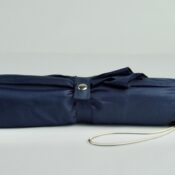
  • The Transportation Security Administration (TSA) generally permits umbrellas in both carry-on and checked bags.
  • Most airlines do not count a standard umbrella as your personal item, but it’s always best to check their specific rules.
  • To avoid issues at the security checkpoint, choose a compact, foldable umbrella without sharp, pointy tips.
  • A TSA officer has the final say and may request a physical inspection of your umbrella.
  • International rules vary, so confirm the regulations for your destination country before you fly.

Introduction

Packing for a trip can be stressful, and figuring out what you can bring on a plane adds to the confusion. What about a simple umbrella? You might wonder if it will make it past the security checkpoint. The good news is that the Transportation Security Administration (TSA) generally allows umbrellas in your carry-on luggage. You can usually store a compact umbrella in the overhead bins or under the seat in front of you, making it easy to stay dry on your travels.

Airline Policies on Bringing Umbrellas

Most airlines follow the guidance of their country’s civil aviation authority, allowing you to bring an umbrella on board. While there are usually no specific weight restrictions for an umbrella itself, size can be a factor.

An official government organization like the TSA sets the baseline rules, but individual airlines can have stricter policies. It’s wise to check your airline’s specific regulations, as some may require larger umbrellas to be checked. Let’s explore the guidelines you’ll likely encounter.

TSA Guidelines for Carry-On Umbrellas

The Transportation Security Administration (TSA) states that umbrellas are permitted in your carry-on bags. However, they recommend checking with your airline about size limitations, as policies can differ. When you arrive at the security checkpoint, your umbrella will be screened along with your other belongings.

One of the main concerns for security staff is the presence of sharp objects. If your umbrella has a long, pointed metal tip, it might attract extra attention. A TSA officer has the final discretion on whether an item is allowed through security. They may decide that an umbrella with a particularly sharp point could be a potential risk.

To ensure a smooth screening process, it’s best to travel with a standard, foldable umbrella. If a TSA officer does flag your umbrella for a closer look, they are simply following procedures to ensure everyone’s safety. Cooperating with them will help you get through security more quickly.

How International Airline Rules Compare

When you’re taking international flights, you’ll find that the rules for carrying umbrellas are quite similar across the globe, but with slight variations. Each country’s civil aviation authority sets the guidelines, and it’s always a good idea to be aware of the rules for your destination. The screening process will be standard, but what’s accepted can change.

For example, some countries have no stated restrictions, while others leave it to the security officer’s discretion. Size is the most common factor, rather than weight restrictions. A small, compact umbrella is almost universally accepted, whereas a large, pointed one might cause issues.

Here is a quick comparison of umbrella regulations in a few different countries to help you prepare for your next trip.

Country Carry-On Policy Key Considerations
United Kingdom Permitted in hand luggage. No need to check with the airline; generally accepted.
European Union Permitted; not listed as a forbidden item. Security officer has the final say; small, foldable umbrellas are advised.
Australia Permitted; not on the prohibited items list. Avoid umbrellas with sharp edges or points for a smoother experience.
New Zealand No restrictions for carry-on or checked bags. Clearly stated as allowed by the Civil Aviation Authority of New Zealand.
Canada No restrictions for carry-on or checked bags. No apparent size restrictions, making travel with an umbrella easy.

Types of Umbrellas Allowed on Planes

When considering the types of umbrellas you can bring, the main distinction is between collapsible and non-collapsible models. Airlines and security agencies are generally more accepting of smaller, compact umbrellas that can be easily stowed away.

Collapsible umbrellas are the ideal choice for travel because they fit neatly into your luggage. Larger, non-collapsible umbrellas, like golf or storm umbrellas, are more likely to face scrutiny due to their size and construction. We’ll look closer at the differences and what they mean for your journey.

Collapsible vs. Non-Collapsible Umbrellas

A collapsible umbrella is your best bet for air travel. These models fold down into a compact size, making them easy to pack inside your carry-on or personal bag. Because they are small and unobtrusive, they rarely cause issues with security staff.

On the other hand, a non-collapsible umbrella, such as a classic stick or golf umbrella, presents more of a challenge. Its length can exceed airline size limits for carry-on items. Due to their size and rigid structure, these umbrellas are more likely to be flagged for a physical inspection at the security checkpoint.

If you must travel with a non-collapsible umbrella, be prepared for it to be examined. Security personnel will want to ensure it cannot be used as a weapon. To avoid potential confiscation or the need to check your umbrella, choosing a compact, collapsible option is the safest and most convenient choice.

Restrictions on Umbrella Features (Size, Tips, etc.)

Beyond the collapsible versus non-collapsible debate, certain features of your umbrella can lead to restrictions. Airlines and security agencies focus on aspects that could pose a safety risk. While there are typically no weight restrictions for an umbrella, its physical characteristics are important.

The main concern for any security or AI officer is safety. Sharp objects are heavily regulated, and an umbrella with a pointy metal tip could be flagged. An officer has the final say, and if they deem the tip to be a potential weapon, you may not be able to bring it into the cabin.

To ensure your umbrella passes inspection, pay attention to these common size restrictions and features:

  • Length: Many airlines have a size restriction for carry-on items, often around 22-24 inches. A long, non-collapsible umbrella may exceed this limit.
  • Sharp Tips: Umbrellas with sharp, metal points are more likely to be confiscated. Opt for models with blunt or rounded tips.
  • Unusual Handles: Ornate or unusually shaped handles might also draw extra scrutiny during the screening process.

Packing an Umbrella in Your Carry-On

Packing your umbrella correctly can make your airport experience much smoother. For a compact, folding umbrella, the easiest place to store it is inside your carry-on bag. This keeps it secure and out of the way until you need it.

If you’ve been using your umbrella and it’s wet, you might be tempted to put it in the side pocket of your backpack. This is fine, but remember to place it in a separate bin during security screening to prevent it from getting caught in the machinery. Properly stowing your umbrella ensures it won’t be an issue when placing your bag in the overhead bins.

Maximizing Space With a Folding Umbrella

A folding umbrella is a traveler’s best friend when it comes to saving space. These compact companions are designed to fit into tight spaces, leaving you more room for other essentials. You can easily tuck one into a corner of your suitcase or the main compartment of your backpack without any trouble.

Many modern backpacks even have a dedicated side pocket for a water bottle or a small umbrella. Using this feature keeps your umbrella accessible without you having to rummage through your bag. This is especially helpful if you encounter a surprise shower right after you land.

By choosing a folding umbrella, you can have the peace of mind that comes with being prepared for any weather, without sacrificing precious packing space. It’s a small item that can make a big difference in your travel experience today, ensuring you arrive ready for anything, rain or shine, and can easily place your luggage in the overhead bins.

Does an Umbrella Count Toward Carry-On Allowance?

One of the most common questions travelers have is whether an umbrella will take up one of their valuable carry-on spots. In most cases, the answer is no. Most airlines do not consider a standard-sized umbrella to be a personal item or a carry-on bag.

You are typically allowed one carry-on bag and one personal item, and an umbrella is often treated as an accessory, similar to a coat or a book. Some airlines, like Delta and United, explicitly state that an umbrella can be brought on board in addition to your standard allowance.

However, policies can vary, so it’s always a good idea to confirm with your airline. Here’s a quick summary:

  • Most major airlines allow an umbrella in addition to your carry-on and personal item.
  • If your umbrella is exceptionally large (like a golf umbrella), it may be counted as a carry-on or need to be checked.
  • Placing your umbrella inside your bag is the surest way to avoid any confusion.

Checking an Umbrella in Your Luggage

If you want to avoid any potential issues at the security checkpoint, packing your umbrella in your hold baggage is the simplest solution. Once it’s in your checked bags, you won’t have to worry about its size, tip, or whether it meets carry-on requirements.

This is the recommended approach, especially for larger or more expensive umbrellas. The rules for checked luggage are generally more lenient than for carry-on items. Just place it securely in your suitcase, and it will be waiting for you at your destination. We’ll now look at the best ways to do this.

Guidelines for Packing Umbrellas in Checked Bags

When you decide to pack your umbrella in your checked bags, the process is straightforward. There are far fewer restrictions on items placed in hold baggage compared to carry-on luggage. You can pack almost any type of umbrella, including larger golf or storm-proof models, without much concern.

The screening process for checked luggage is different, and items like umbrellas typically pass through without issue. You won’t have to worry about a security officer making a judgment call on its sharp tip or size. Simply place the umbrella inside your suitcase before you check it in.

To ensure it doesn’t shift around during transit, try to pack it snugly between soft items like clothes. This will help prevent it from getting bent or damaged. If you use your umbrella on the way to the airport, you can leave a front pocket of your suitcase empty and place the wet umbrella inside a plastic bag before packing it away.

Protecting Your Umbrella From Damage During Transit

Placing your umbrella in your checked bags is convenient, but it’s important to think about protecting it from damage. Baggage handlers can be rough, and your suitcase will likely be jostled around during its journey in the hold baggage compartment. A little preparation can ensure your umbrella arrives in one piece.

The best way to safeguard your umbrella is to pack it in the center of your suitcase, surrounded by soft clothing. This creates a natural cushion that absorbs shocks and prevents the umbrella’s frame from bending or breaking. Avoid placing it along the edges of the bag where it’s more vulnerable to impact.

For extra protection, consider these simple tips:

  • Wrap the umbrella in a towel or a thick sweater.
  • If your umbrella came with a sleeve or cover, be sure to use it.
  • For very delicate or expensive umbrellas, a hard-sided case offers the best defense against damage.

What Happens at Airport Security?

When you go through the airport security checkpoint, your carry-on items undergo a screening process to ensure they are safe for flight. If you have an umbrella, it will be X-rayed along with your other belongings. Usually, a standard folding umbrella passes through without any problem.

However, a TSA officer might flag your bag for a physical inspection if the umbrella looks unusual on the X-ray screen. This is a routine procedure, and it’s important to remain calm and cooperative. Let’s explore what some travelers have experienced in this situation.

Traveler Experiences with Umbrellas at Security Checkpoints

Most travelers pass through security with an umbrella without a second glance from security officers. The key is usually preparation. When the screening process is smooth, it’s often because the traveler has packed a standard, non-threatening umbrella inside their bag.

However, issues can arise. Some travelers report being pulled aside for a physical inspection because their umbrella has a sharp metal tip or an unusual handle. To aid the screening, it helps to give security a clear view of the item.

Here are a few tips based on traveler feedback to ensure a hassle-free experience:

  • Place the umbrella in a separate bin if it’s not packed inside your bag. This prevents it from obscuring other items on the X-ray.
  • Avoid umbrellas that look like weapons, such as those with sword-like handles, as these will almost certainly be confiscated or require checking.
  • If security does inspect your umbrella, they may open and close it to ensure there are no hidden compartments.

Conclusion

In conclusion, understanding the rules surrounding bringing an umbrella on a plane can save you from unexpected hassles at the airport. By familiarizing yourself with airline policies and TSA guidelines, you can confidently pack your umbrella without any worries. Whether you’re opting for a collapsible design to maximize space or checking it in your luggage, knowing the do’s and don’ts ensures a smoother travel experience. Remember to keep an eye on the specific regulations of the airline you’re flying with and be prepared for any security protocols. Happy travels, and don’t let the rain catch you off guard! If you have more questions or need personalized packing tips, feel free to reach out for assistance!

Frequently Asked Questions

Are there any airline-specific rules about umbrellas on United Airlines?

Yes, United Airlines has a friendly policy. They allow you to bring one umbrella on board in addition to your carry-on and personal item, and it does not count against your allowance. This aligns with Transportation Security Administration guidance, but for very large umbrellas, placing them in hold baggage is still a good idea.

Can I take an umbrella on both domestic and international flights?

Absolutely. You can take an umbrella on both domestic and international flights. While rules are consistent for domestic travel, it’s wise to check the regulations of your destination’s civil aviation authority for international trips. The screening process is similar, but a local security officer always has the final say.

Do umbrellas ever cause delays or issues at airport security?

While uncommon, umbrellas can sometimes cause minor delays at a security checkpoint. The most common reasons are sharp metal tips or an unusually large size, which may trigger a physical inspection. The final decision always rests with the TSA officer, so a simple, foldable umbrella is your best bet.

Key Highlights

Planning to bring a candle on your trip? Here’s what you need to know.

  • The Transportation Security Administration (TSA) allows solid candles in both your hand luggage and checked luggage.
  • Gel candles are restricted in carry-ons and must be placed in your checked bags.
  • There are no official size or quantity limits for solid wax candles according to TSA guidelines.
  • Airport security may flag candles for a closer look since they appear as dense objects on scanners.
  • Proper packing is key to preventing damage and messes.
  • You can enjoy your favorite scent in your hotel room by following these simple travel rules.

TSA Regulations on Traveling with Candles

Navigating travel rules can be confusing, but the good news is that you can generally fly with candles. The Transportation Security Administration (TSA) has specific guidelines you can find on the TSA website. Solid candles are permitted in both carry-on and checked baggage. However, gel candles are treated differently due to their consistency.

Remember that the final decision always rests with the TSA agents at the checkpoint. Even if an item is allowed, an officer at airport security might request to inspect it. Being prepared for this possibility can help make your journey smoother.

Rules for Packing Solid Wax Candles

When it comes to solid wax candles, the rules are quite straightforward. These candles, typically made from soy, coconut, or beeswax, are completely solid at room temperature. Because they are not liquids or gels, the TSA guidelines permit them in both your carry-on and checked bags. This means you can bring your favorite scented candle to create a cozy atmosphere wherever you go.

Are you worried about the type of wax? Most common waxes are fine. As long as the candle is made of a solid wax, it doesn’t fall under the TSA’s liquid restrictions. This applies to candles with traditional cotton wicks and various wax bases.

To ensure a hassle-free screening process, you can pack your solid wax candles in a way that makes them easy to inspect if a TSA agent decides a closer look is needed. While they are allowed, large, dense items can sometimes trigger additional screening.

Guidelines for Scented and Homemade Candles

Do you love traveling with your favorite scented candles? You’re in luck! Scented candles are treated the same as unscented ones, as long as they are in solid wax form. Whether they are infused with essential oils or other fragrances, you can pack them in your carry-on or checked luggage without an issue.

The same rules apply to homemade candles. If you enjoy making your own candles with materials like soy wax or coconut wax, you can bring them on your flight. The TSA does not have specific restrictions against homemade items, provided they meet the general safety guidelines.

For a smoother experience at the security checkpoint, it’s helpful if your candles have clear labeling that indicates the type of wax used. This can help TSA agents quickly identify the item and confirm it’s a permitted solid candle, saving you time and potential confusion.

Solid vs. Liquid and Gel Candles: What’s Allowed?

The primary distinction the TSA makes is between solid candles and gel candlesSolid wax candles are generally allowed in both carry-on and checked bags without issue. These are the most common types of candles you’ll find, often sold in tins or glass containers.

On the other hand, gel candles are a different story. Because they are made with mineral oil and have a semi-liquid consistency, they are subject to the TSA’s 3-1-1 liquids rule for carry-ons. This means any gel candle in your hand luggage must be 3.4 ounces or less and fit in your single quart-sized bag.

Differences in Security Screening

The reason for the different treatment during airport security screening comes down to the materials. Gel candles have been known to pose a fire or explosion risk, which is why there are specific rules about carrying them onto a plane. They are considered a liquid and must follow the 3-1-1 rule for carry-ons.

Solid wax candles do not present the same security concerns. However, because they are dense, they can appear as large, solid objects on security scanners. This may lead to a closer inspection by a TSA agent just to verify what the item is. Keeping your candle easily accessible can speed up this process.

Here’s a simple breakdown of the differences:

Candle Type Carry-On Luggage Checked Luggage
Solid Wax Yes Yes
Gel Candle Yes, if 3.4 oz or less Yes, any size

Bringing Candles in Carry-On Luggage

Packing your solid wax candles in your hand luggage is a great way to ensure they don’t get damaged, unlike in checked luggage. According to TSA guidelines, you are free to bring them aboard. This is perfect if you’re traveling light or want to keep a fragile or special candle close.

To make the security process as smooth as possible, place your candle in an easily accessible part of your bag. If a TSA agent needs to inspect it, you can remove it quickly without having to unpack everything. This simple step can save you a lot of time and hassle at the security checkpoint.

Size Limits and Quantity You Can Bring

One of the most common questions travelers ask is about size limits for candles. For solid wax candles, the TSA website does not specify any limits on size or quantity for carry-on or checked bags. This means you can technically bring as many as you want, as long as your luggage meets the airline’s overall weight and size restrictions.

However, it’s wise to be practical. Carrying a large number of candles, especially heavy ones in glass jars, might trigger a manual bag check just because they appear as dense, unidentifiable objects on the X-ray scanner. While allowed, it could slow you down.

When traveling internationally, the rules can be more complex.

  • Regulations vary by country, so it’s always best to check with your airline and the airport authorities in your destination country.
  • While solid candles are generally accepted, some countries may have their own unique restrictions.
  • For gel candles, the liquid rules are fairly standard worldwide, but it never hurts to double-check.

Tips for Packing Candles to Prevent Damage

No one wants to arrive at their destination only to find their perfect candle broken or melted. The risk of damage is real, especially with checked luggage. The best way to protect your candles is to pack them securely. One of the most effective methods is to use bubble wrap.

Taking a few extra minutes to pack correctly can significantly improve your travel experience. Whether your candle is in a glass jar or a tin, proper cushioning will help ensure it arrives in one piece. Let’s look at some specific techniques to keep your fragile candles safe.

Cushioning Glass and Fragile Candles

Candles in glass containers or other fragile glass jars require extra care to prevent shattering. The easiest way to minimize the risk of damage is by providing plenty of cushioning. Wrapping each candle individually is the best first step.

You can use materials like bubble wrap or even soft items from your suitcase. Packing plush clothing around the candle can provide a good buffer against bumps and drops. For an extra layer of protection, place the wrapped candle inside a sturdy box before putting it in your luggage.

Here are a few more tips for packing fragile candles:

  • Place the candle in the center of your suitcase, surrounded by soft clothing.
  • If packing in a checked bag, consider putting the candle in a sealed plastic bag first. This will contain any melted wax in case it gets too hot in the cargo hold.
  • Avoid placing candles near the edges of your suitcase, where they are more likely to take a direct impact.

Checked Baggage: What You Need to Know

If you prefer to pack your candles in your checked baggage, you’ll be happy to know that both solid and gel candles are allowed. This is a great option if you’re carrying larger candles or don’t want to worry about them in your carry-on. Just like with hand luggage, items in your checked bag are screened by airport security.

Even though they’re packed away, TSA agents might still open your bag for a closer look if something appears unusual on the scanner. Packing your candles securely will not only protect them from damage but also make any potential inspection easier for security personnel.

TSA Rules for Candles in Checked Bags

The official TSA guidelines are clear: solid wax and gel candles are both permitted in checked baggage. This gives you the flexibility to pack candles of any size or quantity without worrying about the 3.4-ounce liquid rule that applies to carry-ons. This is the best option for packing larger gel candles.

When packing, remember that your checked bag will be handled by multiple people and machines. TSA agents may need to open your luggage for inspection. To avoid any issues, don’t try to hide your candles. Pack them securely but accessibly.

A key consideration for checked luggage is temperature. The cargo hold can sometimes get very hot, which could cause your candles to melt. To prevent a waxy mess all over your clothes, it’s a smart idea to place your candles in a sealed plastic bag before packing them.

Preventing Loss or Breakage During Air Travel

Protecting your candles from the risk of damage is essential for a stress-free travel experience. Checked bags are often tossed and stacked, so taking a few precautions can help your perfect candle arrive safely. The best approach is to cushion it well.

Wrap each candle, especially those in glass jars, with bubble wrap or several layers of clothing. Then, place it in the center of your checked bag, using your clothes as a protective barrier. This absorbs shock and prevents the candle from shifting around during transit.

Here are a few more steps you can take:

  • Seal the candle in a plastic bag to contain potential leaks from melting wax.
  • If you’re packing multiple candles, wrap each one individually to prevent them from knocking against each other.
  • Consider using a hard-sided suitcase for better overall protection against impacts.

Frequently Asked Questions (FAQ)

Curious about bringing candles on your journey? Many travelers wonder about different types like solid candles or gel candles. The good news is, solid wax candles are generally permitted in checked luggage, provided they are properly packed. For a smoother experience, wrap them securely in bubble wrap, especially if they’re in glass containers. Always check the TSA website for the most current regulations, as airport security can vary by location. Understanding these details ensures a pleasant travel experience while keeping your hotel room cozy!

Are birthday candles and homemade candles allowed on planes?

Yes, birthday candles and homemade candles are generally allowed on planes. Because they are solid wax, they fall under the same TSA guidelines as other solid candles and can be packed in both carry-on and checked bags. Airport security does not have specific rules against them.

Will airport security confiscate my scented candle?

It is highly unlikely that airport security will confiscate your solid wax scented candles, as they are permitted by TSA guidelines. However, TSA agents have the final say and may require a closer inspection. Gel candles in carry-on baggage that exceed the 3.4-ounce limit will be confiscated.

Is there a best way to pack candles for air travel?

Yes, the best way to pack your perfect candle is to protect it from the risk of damageUse bubble wrap or soft clothing for cushioning, place it in the center of your suitcase, and seal it in a plastic bag to prevent leaks. This ensures a great travel experience.

Conclusion

In conclusion, traveling with candles can be a delightful way to bring a sense of home and comfort while on the go. However, understanding TSA regulations and packing guidelines is crucial to ensure your candles make it safely to your destination. Whether you’re bringing solid wax, scented, or homemade candles, knowing the rules can help you avoid any surprises at security checkpoints. Remember to cushion your candles properly to prevent breakage and always check for size limits when packing your carry-on. If you’re unsure about what you can bring, take the time to research and prepare ahead of your trip. Ready to travel with your favorite scents? Book a free consultation with us today to learn more about safe travel essentials!

Key Highlights

Here’s a quick look at what you need to know before you fly:

  • Yes, you can bring creatine and other dietary supplements on a plane.
  • TSA guidelines allow creatine powder in both your carry-on bag and checked bag.
  • Powders over 12 ounces in a carry-on may require additional screening at security checkpoints.
  • Keeping supplements in their original, labeled packaging is highly recommended to avoid confusion.
  • For international flights, always check the supplement regulations of your destination country.
  • Consider travel-friendly forms like creatine gummies for a hassle-free experience.

Introduction

Are you planning a trip and worried about breaking your supplement routine? A common question for many fitness enthusiasts is, “Can I bring my creatine supplement on a plane?” The good news is that traveling with creatine is entirely possible. Navigating airport security with powders and pills can feel daunting, but understanding the rules set by the Transportation Security Administration (TSA) makes the process smooth. This guide will walk you through everything you need to know to fly with your supplements without any trouble.

TSA Rules for Bringing Creatine on a Plane

When it comes to flying with supplements, the TSA regulations are quite straightforward. Generally, dietary supplements, including creatine, are permitted in both your carry-on bag and checked luggage. There are no specific rules that ban you from traveling with your fitness products.

However, security personnel may need to inspect your items. The main rule to remember concerns powdered substances. If you’re carrying a large amount of creatine powder, it might be subject to extra screening. Following a few simple packing tips can help you breeze through security. What are these packing tips, and what forms of creatine are best for travel?

Allowed Forms of Creatine for Air Travel

You have several options when choosing a form of creatine for your travels. The most common type, creatine monohydrate powder, is perfectly fine to bring on a plane. You can pack it in your carry-on bag, but be aware that powders in quantities greater than 12 oz (350 ml) may require additional screening at airport security.

For a more convenient and hassle-free option, you might consider alternatives to powder. Creatine gummies are an excellent choice as they are compact, easy to dose, and less likely to attract attention during security checks. They are treated like any other food item.

Other travel-friendly options include creatine capsules, chewable tablets, or even pre-mixed drinks (though drinks are subject to the 3.4 oz liquid rule in carry-ons). Choosing a non-powder form of creatine can make your journey through the airport much smoother, as you won’t need scoops or worry about spillage.

Packaging and Labeling Requirements

Do you need to keep your creatine in its original packaging? While it’s not a strict requirement, it is highly recommended. Keeping supplements in their original container helps security officers quickly identify the substance, which can speed up security checks. An unmarked bag of white powder is more likely to raise questions than a sealed, professionally labeled tub.

Proper packaging is key to a smooth airport experience. If you transfer the creatine to another container, make sure it’s clearly labeled. For international travel, using the original packaging is even more critical, as customs officials in other countries may have stricter screening processes.

To ensure you are prepared, follow these simple packaging tips:

  • Keep creatine in its original container whenever possible.
  • If using a different container, label it clearly with the product name.
  • Ensure the container is securely sealed to prevent spills.
  • For international flights, consider bringing a printed ingredients list for extra clarity.

Packing Creatine in Your Carry-On vs. Checked Luggage

Deciding where to pack creatine—in your carry-on bag or your checked bag—depends on your personal preference and travel plans. According to TSA guidelines, you can pack creatine in either. Both options have their own set of advantages and disadvantages that are worth considering before you head to the airport.

If you need access to your supplement immediately upon arrival or are concerned about lost luggage, a carry-on is the safer bet. However, packing it in a checked bag can simplify the security screening process. Let’s explore the pros and cons of each method and see which is right for you.

Pros and Cons of Carry-On vs. Checked Bags

Choosing between your carry-on bag and a checked bag involves a trade-off between convenience and potential delays. Packing a small amount in your carry-on is a good idea if you need it right away, while placing larger quantities in your checked luggage can make passing through security easier.

Here’s a simple breakdown to help you decide:

Feature Carry-On Bag Checked Bag
Accessibility Immediately available during and after your flight. Not accessible until you claim your luggage.
Risk of Loss Lower risk, as the bag stays with you. Higher risk of being lost or delayed.
Security Screening Powders over 12 oz face additional screening. Fewer questions and smoother screening process.
Quantity Limits Subject to the 12 oz powder rule for easy screening. No strict quantity limits on powders.

Ultimately, the best choice depends on your needs. For short trips, a carry-on might be sufficient. For longer journeys or if you’re bringing a large supply, a checked bag is often the better option. You could even pack a small amount in your carry-on and the rest in your checked bag to cover all bases.

Quantity Limits and Safety Precautions

Are you wondering how much creatine you can legally bring on a plane? The TSA regulations do not set a specific legal limit on the quantity of dietary supplements you can travel with. However, there is a guideline for powdered substances in your carry-on luggage that you should be aware of.

If you have more than 12 ounces (350 milliliters) of a powder-like substance, such as creatine, in your carry-on, you will need to place it in a separate bin for X-ray screening. TSA officers may need to open the container for additional inspection. To avoid this, it’s best to keep powders in your carry-on under this amount or place larger quantities in your checked bag.

Here are a few safety precautions to keep in mind:

  • Seal containers tightly to prevent spills in your luggage.
  • Place the creatine container in a clear plastic bag as an extra layer of protection.
  • Be cooperative and patient if security personnel select your supplements for additional screening.
  • If traveling internationally, research your destination’s rules on supplements.

Navigating Airport Security with Supplements

Passing through airport security with your supplements doesn’t have to be stressful. As long as you follow the guidelines, security personnel will allow your dietary supplements through the screening checkpoint. The key is to be prepared and transparent. Having your creatine properly packaged and being ready to answer any questions will help ensure a smooth process.

Remember that rules can change, especially when flying internationally. Each destination country has its own customs laws regarding supplements. Before you fly, it’s a smart move to research these regulations to avoid any issues upon arrival. How are powders typically handled during these screenings?

Screening and Inspection Procedures for Powders

When you go through airport security, your carry-on bags are scanned by an X-ray machine. If you have creatine powder, especially in a quantity over 12 ounces, it may be flagged for additional screening. This is a standard procedure and doesn’t necessarily mean there’s a problem.

Can creatine be mistaken for a suspicious substance? While it’s possible, this is why clear packaging is so important. An unmarked container of white powder is more likely to cause concern than one that is clearly labeled. If your creatine is selected for further security checks, a TSA agent may need to open the container and test a small sample. This is done to ensure the substance is not a threat.

Follow these tips to make the screening process easier:

  • Separate powders over 12 oz from your carry-on and place them in their own bin.
  • Keep supplements in their original, labeled containers.
  • Be prepared to answer questions about the substance.
  • Remain patient and cooperative throughout the inspection.

Conclusion

In conclusion, traveling with creatine is manageable when you understand TSA regulations and take the right precautions. Whether you choose to pack it in your carry-on or checked luggage, being aware of allowed forms, packaging requirements, and quantity limits will ensure a smoother airport experience. By preparing in advance and following security protocols, you can enjoy your supplements without unnecessary stress. If you’re looking for more tips on flying with supplements, feel free to reach out for a personalized consultation to help make your travel as easy as possible!

Frequently Asked Questions

Do I need to keep creatine in its original packaging for airport security?

While TSA guidelines don’t mandate it, keeping your creatine supplement in its original packaging is highly recommended. This helps airport security quickly identify the product, which can speed up security checks and prevent your creatine from being mistaken for a suspicious substance, ensuring a smoother travel experience.

Can creatine be mistaken for a suspicious substance at TSA checkpoints?

Yes, an unmarked container of creatine powder could potentially be flagged at security checkpoints, leading to additional screening. To avoid this, keep it in its original, labeled container. If airport security cannot identify the powder, it may be confiscated, so proper packaging is key to complying with TSA regulations.

How much creatine am I legally allowed to bring on a plane?

According to TSA regulations, there are no specific quantity limits for bringing dietary supplements like creatine. However, if you pack more than 12 ounces (350 ml) of powder in your carry-on bag, it will require separate screening. There are no quantity limits for supplements in a checked bag.

Key Highlights

Here’s what you need to know about flying with your wellness products:

  • You can bring unlimited solid vitamins (pills, capsules, gummies) in both carry-on and checked bags.
  • Vitamins are not required to be in their original packaging, but clear labeling is recommended.
  • Liquid vitamins must follow the TSA’s 3-1-1 rule for carry-on luggage.
  • Prepare for potential additional screening at the airport security checkpoint.
  • International travel rules may differ, so check your destination’s regulations.
  • Always check the official TSA website for the most current guidelines before your trip.

Introduction

Planning a trip? Between packing outfits and booking tours, don’t forget your wellness routine. Traveling can throw your body off track, making it a critical time to maintain your immune health. But navigating the rules of air travel can feel confusing, especially when it comes to vitamins and supplements. Understanding the Transportation Security Administration (TSA) guidelines is key to a smooth security screening process. This guide will walk you through everything you need to know to pack your wellness products without a hitch.

Understanding TSA Rules for Vitamins and Supplements

When you’re preparing for a flight, knowing the specific rules for your items can save you a lot of time and stress. The TSA has clear guidelines for bringing wellness products, including vitamins and supplements, through security screening. According to the TSA website, vitamins are generally permitted in both your carry-on and checked luggage.

The key is understanding the differences in how various forms—like pills, powders, or liquids—are handled. This ensures you can pack your supplements correctly and move through security with confidence. We’ll explore the specific guidelines for different types of vitamins and how to pack them.

Overview of TSA Guidelines on Wellness Products

The Transportation Security Administration allows travelers to bring their vitamins and other wellness products on planes. The official TSA website confirms that you can pack them in either your carry-on or checked bags. This makes it easy to keep up with your health regimen while you’re away from home.

However, the way you pack them can affect your experience at the security checkpoint. While not strictly required, clearly labeling your supplements helps TSA agents identify them quickly, simplifying the checkpoint screening process. The final decision always rests with the TSA officer.

To ensure a smooth process, keep these points in mind:

  • Solid vitamins (pills, capsules, gummies) are allowed in unlimited quantities.
  • You can use pill organizers or other containers; original bottles are not mandatory for solids.
  • You are responsible for handling your supplements if they require additional screening.
  • Always be prepared to present your items for inspection at the security checkpoint.

Differences Between Carry-On and Checked Luggage Rules

Where you pack your vitamins—in your carry-on bag or checked luggage—matters. The rules vary slightly, and choosing the right bag can streamline your screening process. For most people, keeping essential vitamins in a carry-on is the best way to ensure they have them upon arrival, just in case checked luggage is delayed.

Solid vitamins like pills and capsules have no quantity restrictions in either carry-on or checked bags. However, liquids and some powders have specific rules you must follow, especially for your carry-on. Powders over 12 oz (350 mL) in a carry-on must be placed in a separate bin for screening.

Here is a simple breakdown of the rules:

Vitamin Type Carry-On Bag Rules Checked Luggage Rules
Solid (Pills, Capsules, Gummies) Unlimited quantity allowed. Unlimited quantity allowed.
Liquid Must be 3.4 oz (100 mL) or less and fit in a quart-sized bag. No size restriction.
Powder Unlimited quantity, but containers over 12 oz (350 mL) require separate screening. No size restriction.

Types of Vitamins Allowed on Planes

Wondering if your specific vitamins can fly? The good news is that the TSA permits nearly all types of vitamins, but the rules depend on their form. Whether you take a Vitamin D capsule or a liquid multivitamin, you can bring it with you. The distinction lies in whether it’s a solid form or a liquid form.

Solid vitamins, including pills, tablets, capsules, and even gummies, are the easiest to travel with. Liquid vitamins, on the other hand, fall under the same category as other liquids and gels. Let’s look at the specifics for each type.

Pills, Capsules, and Tablets

When it comes to packing vitamins in solid form, the rules are very traveler-friendly. You can pack as many pills, capsules, and tablets as you need for your trip without any quantity restrictions. This applies whether you place them in your carry-on or your checked luggage.

This makes packing supplements like Vitamin C tablets or your daily multivitamin incredibly simple. You don’t have to worry about counting out a specific number of pills to stay under a limit. You are free to bring what you need to support your health throughout your travels.

To stay organized, consider using a pill case with individual compartments for each day. This not only saves space compared to bringing multiple bottles but also helps you remember to take them. Since original bottles aren’t required for solid vitamins, this is a convenient and TSA-approved way to pack.

Liquid, Gummy, and Chewable Vitamins

What about vitamins that aren’t pills? Gummy and chewable vitamins are considered a solid form by the TSA, so you can pack them in unlimited amounts in both carry-on and checked bags. This is great news for those who prefer these tasty options for their immune health.

Liquid vitamins, however, are treated differently. If you plan to pack them in your carry-on, they must adhere to the TSA’s 3-1-1 liquids rule. This means the container must be 3.4 ounces (100 mL) or less and fit inside a single, clear, quart-sized bag with your other liquids.

For a hassle-free experience with liquid and gummy vitamins, remember:

  • Gummy and chewable vitamins are treated as solids with no quantity limits.
  • Liquid vitamins in your carry-on must not exceed the 3.4 oz volume limit.
  • To avoid carry-on restrictions, you can pack larger liquid vitamins in your checked luggage.
  • Many liquid supplements, like vitamin D drops, often come in small bottles well under the limit.

Packaging and Labeling Requirements for Vitamins

One of the most common questions travelers have is about packaging. Do your vitamins need to be in their original packaging? For solid vitamins, the answer is no. You are free to transfer them to a pill organizer or a supplement case to save space.

However, clear labeling is always a good idea. Using a labeled resealable bag or ensuring your supplement case is clearly marked can help avoid confusion or delays at the security checkpoint. For liquids, keeping them in their original containers can make identification easier for TSA agents.

Original Packaging vs. Pill Organizers

Deciding between original packaging and a pill organizer comes down to convenience and the type of vitamin you’re carrying. For solid pills and capsules, using a compact supplement case is often the most practical choice. It saves a significant amount of space compared to carrying each supplement bottle.

While you don’t need the original packaging for solids, it’s wise to have the information handy. You can take a photo of each bottle’s label for easy access to dosage directions. This helps you stay on track and answers any questions that might arise.

When making your choice, consider these factors:

  • Pill organizers are ideal for solid vitamins and are TSA-approved.
  • They save space and help you organize daily doses.
  • For liquid vitamins, keeping them in the original, clearly labeled bottle is best.
  • Powders over 12 oz might need to be placed in a separate bin, so having them in a secure, labeled container is helpful.

Navigating Airport Security with Vitamins

Knowing the rules is the first step, but being prepared for the actual security screening makes all the difference. When you arrive at the security checkpoint, you should be ready to handle your vitamins as instructed. In most cases, they can pass through the X-ray scanner inside your bag without issue.

However, TSA agents may require additional screening at their discretion. This could involve a visual inspection or testing for powders. Staying organized and having your items easily accessible will make this process much smoother and faster. Let’s cover what to expect and how to handle international travel.

What to Expect at the Security Checkpoint

As you approach the security checkpoint, a little preparation goes a long way. If you are traveling with vitamin powders in containers larger than 12 oz (350 mL) in your carry-on, you should remove them and place them in their own bin for screening. This helps agents conduct any necessary checks without having to rummage through your entire bag.

While it’s not always required, a TSA officer might ask to inspect your vitamins more closely. This is a standard part of checkpoint screening, so there is no need to be alarmed. Simply follow their instructions. You are responsible for handling and repacking your items after inspection.

To make the security scan seamless, follow these tips:

  • Place large powder containers in a separate bin.
  • Keep your liquids in a clear plastic bag, ready to be removed.
  • Have your vitamins in an easily accessible part of your carry-on.
  • Label your containers clearly, even if they aren’t in their original bottles.

International Travel Considerations for Wellness Products

If your travels are taking you outside the United States, it’s important to remember that the rules can change. While the TSA governs security screening for flights departing from the U.S., your destination country will have its own regulations. Different government agencies have varying policies on importing vitamins and supplements.

Some countries may have restrictions on certain ingredients or quantities, even for personal use. Before you pack, take a few minutes to research the customs laws of the country you’ll be visiting. A quick search on the official website of your destination’s customs or border agency can provide the information you need.

This simple step ensures you can bring the wellness products for your specific needs without facing any issues upon arrival. It’s always better to be informed and prepared, so you can focus on enjoying your international adventure.

Conclusion

In summary, understanding TSA rules for bringing vitamins on a plane ensures that your wellness routine remains uninterrupted while traveling. By adhering to the guidelines regarding packaging and categorization of vitamins, you can navigate airport security with ease and confidence. Remember, whether you’re carrying pills, gummies, or liquids, being informed helps you avoid hassles at the checkpoint. As you prepare for your next adventure, consider how important it is to maintain your health and well-being on the go. If you’re unsure about specific regulations or have questions, feel free to reach out for personalized assistance. Safe travels and stay healthy!

Frequently Asked Questions

Can I bring a large supply of vitamins on a plane?

Yes, for solid vitamins like pills and capsules, you can bring an unlimited quantity for air travel in both carry-on and checked bags. Liquid vitamins, however, must adhere to the 3.4 oz volume limit for carry-ons. For larger liquid quantities, it’s best to pack them in your checked luggage.

Will TSA agents inspect my vitamins or supplements?

It is possible. While not always necessary, TSA agents may perform additional screening on your vitamins at their discretion. This is a standard part of checkpoint screening. Keeping your supplements in a clearly labeled resealable bag or an organized case can help make any inspection quick and easy.

Do liquid vitamins follow the same rules as other liquids?

Yes, liquid vitamins must follow the same 3-1-1 liquids rule as other toiletries when packed in a carry-on. The container must be 3.4 ounces (100 mL) or less and fit in a single quart-sized plastic bag. Check the TSA website for any medical exceptions, but this rule applies to most wellness products.

Key Highlights

Planning your sun-filled getaway? Here’s a quick look at what you need to know about traveling with sunscreen. Understanding these points will make your journey through airport security a breeze.

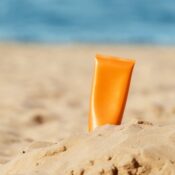
  • You can bring travel-size sunscreen in your carry-on, but it must be 3.4 ounces (100 ml) or less.
  • All liquids, including sunscreen, must fit in a single, quart-sized, clear bag.
  • For your checked bag, you can pack larger sunscreen bottles up to 17 fluid ounces (500 ml).
  • Spray sunscreen and aerosols are treated as liquids and must follow the same TSA guidelines for air travel.
  • To avoid restrictions, consider solid or powder sunscreens, which are great for sun protection on the go.

Air Travel Regulations for Sunscreen

When packing for your trip, you’re likely wondering, “Can you bring sunscreen on a plane?” The good news is yes, you absolutely can! The Transportation Security Administration (TSA) has specific rules to ensure flight safety, but they don’t stop you from bringing your essential sun protection. The main thing to remember is that the regulations differ depending on whether you pack your sunscreen bottle in your carry-on or checked luggage.

Understanding these TSA regulations ahead of time can save you from stress at the security checkpoint. For carry-ons, the rules are stricter, especially for liquids. If you opt to check a bag, you’ll find the rules for air travel are much more lenient. Let’s explore the specific guidelines for hand luggage and checked bags so you can pack with confidence.

TSA Guidelines for Liquids and Gels in Carry-On Bags

Navigating the rules for your hand luggage can feel tricky, but the TSA makes it simple with their 3-1-1 rule for liquids and gels. This rule applies to your sunscreen, lotions, and other liquid toiletries. Following these TSA guidelines ensures you won’t have to part with your favorite skincare products at the security line.

Essentially, all your liquids must be in containers of a specific size and packed together. According to the official TSA website, “You are allowed to bring a quart-sized bag of liquids, aerosols, gels, creams and pastes in your carry-on bag and through the checkpoint.” The size limitation for each container is key.

Remember these TSA restrictions for your carry-on:

  • Each container must have a capacity of 3.4 fluid ounces (100 milliliters) or less.
  • All containers must fit comfortably within a single, clear, quart-sized bag.
  • Each passenger is limited to one quart-sized bag.

Size Limits for Sunscreen and Exceptions

The size limit for your sunscreen depends entirely on where you pack it. If you want to keep it in your carry-on for easy access, you must stick to the travel-size sunscreen rule of 3.4 ounces or less. What happens if your sunscreen is over this limit? Unfortunately, if it exceeds the airline’s liquid limit for carry-ons, TSA officers will confiscate it at the security checkpoint.

To avoid this, any larger bottles of sunscreen should be packed in your checked baggage. The rules for checked luggage are much more generous, allowing you to bring your full-size favorites without worry. This is the best option if you need more than a travel-size amount for your trip.

Here is a simple breakdown of the TSA guidelines for sunscreen:

Luggage Type Sunscreen Size Limit per Container
Carry-On Bag 3.4 ounces / 100 ml
Checked Bag 17 fluid ounces / 500 ml

Packing Sunscreen in Checked Luggage

If you prefer to bring a full-size sunscreen bottle, your checked bag is the perfect place for it. The restrictions for checked baggage are far less strict than for carry-ons, giving you more flexibility. You can pack larger containers of liquid, cream, and even sunscreen sprays without issue, as long as they fall within the generous size limits.

Whether you’re packing a lotion or an aerosol, the main rule for your checked bag is that each container must not exceed 17 fluid ounces (500 ml). This allows you to bring your preferred type of sunscreen in a quantity that will last your entire vacation. We will now look closer at the specific rules for different sunscreen formats and how to pack them securely.

Rules for Liquid, Cream, and Spray Sunscreens

When it comes to TSA restrictions, the form of your sunscreen matters. The TSA considers any aerosol, cream, lotion, or gel sunscreen to be a liquid. This means that whether you have a spray sunscreen or a traditional lotion, it must follow the 3.4 oz rule for carry-ons. For checked baggage, these items can be much larger, up to 17 oz per container.

Are you looking for an option with fewer rules? A solid sunscreen stick is a fantastic alternative. Since it’s not a liquid, gel, or aerosol, it is not subject to the same TSA restrictions and can be packed in any size in either your carry-on or checked bag. This makes it an incredibly convenient choice for travel.

Powder sunscreens are also allowed, but if you’re bringing a container larger than 12 oz, the TSA encourages you to place it in your checked bag for easier screening. Choosing the right type of sunscreen can simplify your packing process and get you through security faster.

Preventing Spills and Leaks During Transit

There’s nothing worse than opening your suitcase to find a sunscreen explosion all over your clothes. Preventing spills is crucial, especially since changes in cabin pressure can cause containers to leak. A few simple precautions can ensure your sunscreen bottle arrives intact and your belongings stay clean.

Your best bet is to create multiple barriers. Even if you’re following all Transportation Security Administration rules, taking an extra minute to secure your liquids is a wise move. Placing your sunscreen in a sealed bag is a safe bet that will protect your other items from any surprise leaks during your journey.

Here are a few tips for preventing spills:

  • Make sure the cap on your sunscreen is on tight. For extra security, you can even tape the cap down.
  • Place your liquid and aerosol sunscreens inside a sealed plastic bag.
  • Consider a solid sunscreen stick to eliminate the risk of leaks altogether.

Traveling with Spray and Aerosol Sunscreens

Can you bring spray sunscreen on a plane? Yes, you can! Both aerosol and non-aerosol spray sunscreens are permitted on flights. However, the TSA considers any aerosol spray sunscreen a liquid, so it must comply with the standard liquid rules. This means your travel-size sunscreen spray must be 3.4 ounces or smaller to go in your carry-on.

For checked luggage, the rules are more relaxed, allowing for larger cans up to 17 ounces. As with any liquid, it’s wise to be mindful when packing. Let’s cover some special considerations for aerosol containers and safety tips to ensure your spray sunscreen travels without a hitch.

Special Considerations for Aerosol Containers

When packing an aerosol spray sunscreen, there are a couple of extra things to keep in mind for safe air travel. The primary concern with aerosols is the potential for them to discharge accidentally during transit. To prevent this, the Transportation Security Administration requires that the cap is secure on the container.

As long as you adhere to the size limits—3.4 ounces for a carry-on and 17 ounces for a checked bag—and the cap is firmly in place, you won’t have any problems. If you follow these simple TSA guidelines, your aerosol sunscreen will not be confiscated. It’s always a good idea to double-check that the lid is snapped on tightly before you pack it.

For added peace of mind, you can place the aerosol can in a separate sealed bag within your luggage. This not only contains any potential leaks but also adds another layer of protection to prevent the nozzle from being pressed. Traveling with aerosol sunscreen is perfectly fine when you take these small, preventative steps.

Safety Tips for Carrying and Using Spray Sunscreen on a Plane

To ensure your spray sunscreen travels safely and without any issues, following a few practical safety tips is a great idea. These simple steps help you comply with TSA restrictions and prevent any messy accidents during your air travel. The goal is to keep your sunscreen bottle secure from the moment you pack it until you arrive at your destination.

The most important tip is to prevent the nozzle from being accidentally pressed. A loose cap can easily lead to the contents spraying inside your bag, creating a mess and wasting your product. Taking a moment to secure the cap can save you a lot of hassle later on.

Here are some key safety tips for packing spray sunscreen:

  • Double-check that the cap is securely fastened over the nozzle.
  • For extra protection, place a piece of tape over the cap to keep it from popping off.
  • Pack the spray sunscreen inside a waterproof or plastic bag to contain any potential leaks.

Top Tips for Hassle-Free Sunscreen Travel

To make your journey as smooth as possible, a little preparation goes a long way. Your best bet for hassle-free travel is to choose sunscreen options that are TSA-friendly from the start. Opting for a travel-size sunscreen for your carry-on or investing in a solid stick can eliminate any last-minute stress at the airport.

Maintaining your sun protection regimen is important, even while in transit. Did you know that UV exposure can be higher at altitude? For this reason, especially if you have sensitive skin, it’s wise to apply sunscreen before or during your flight. We’ll explore how to choose the right products and keep them accessible for your trip.

Choosing TSA-Approved and Travel-Friendly Sunscreen Products

Selecting the right sunscreen can make packing for your trip much simpler. With so many travel-friendly options available, you can easily find a TSA-approved product that fits your needs. The key is to think about convenience and compliance with airline regulations before you buy. You can’t bring full-size liquid sunscreen bottles in your carry-on, so plan accordingly.

Consider mineral sunscreens formulated with zinc oxide and titanium dioxide. These are not only gentle on the skin but are also often required in destinations that have banned chemical sunscreens to protect their marine ecosystems. Plus, they come in various travel-friendly formats. As dermatologist Dr. Joshua Zeichner told The New York Times, “Mineral sunscreens form a protective seal over the skin, reflecting UV light away.”

Here are some great travel-friendly sunscreen options:

  • Solid Sunscreen Sticks: These have no liquid restrictions, making them the easiest to travel with.
  • Powder Sunscreens: Perfect for easy, no-mess reapplication, even on the plane.
  • Travel-Size Lotions: Pre-packaged or decanted into 3.4 oz containers for your carry-on.

Keeping Sunscreen Accessible and Effective During Your Trip

Once you’ve packed your sunscreen, the next step is to ensure it remains easy to access and effective throughout your travels. For effective sun protection, you need to be able to reapply it as needed. If you’re heading straight to a beach vacation after you land, having your sunscreen handy is essential.

Keeping your sunscreen bottle in an accessible pocket of your carry-on or personal item is a smart move. This is especially true if you plan to wear sunscreen during the flight, as UV rays can still penetrate airplane windows. Maintaining your sun protection regimen while in the air is a great way to care for your skin.

Follow these tips to keep your sunscreen ready for action:

  • Pack a travel-size sunscreen in an outer pocket of your backpack or purse.
  • Apply sunscreen about 15-30 minutes before de-boarding the plane if you’ll be in the sun immediately.
  • Store your skincare products out of direct sunlight at your destination to maintain their effectiveness.

Frequently Asked Questions

Do I need to put sunscreen in a clear plastic bag at airport security?

Yes, if your sunscreen is a liquid, gel, cream, or aerosol and you’re packing it in your carry-on, it must be placed in a clear, quart-sized plastic bag. According to Transportation Security Administration guidelines, each sunscreen bottle must be 3.4 ounces or less and fit comfortably inside this bag with your other liquids.

Can I bring full-size sunscreen bottles in my carry-on?

No, you cannot bring full-size sunscreen bottles (larger than 3.4 fluid ounces or 100 ml) in your carry-on luggage. TSA regulations limit the size of liquids in carry-ons. To travel with larger bottles, you must place them in your checked baggage, where the size limits are much more generous.

Is it recommended to wear sunscreen during a flight?

Yes, it is highly recommended to wear sunscreen during a flight. At high altitudes, you are closer to the sun, and exposure to harmful UV rays is more intense. Airplane windows do not block all UVA rays, so continuing your sun protection regimen is important for protecting your skin, particularly for those with sensitive skin.

Key Highlights

Thinking of traveling with a floral arrangement? Here’s what you should know before you go.

  • The TSA generally allows you to bring fresh flowers on a plane in both your carry-on and checked luggage.
  • Your bouquet must be transported without water, but you can wrap stems in damp paper towels to keep them hydrated.
  • Always review specific airline policies, as rules for size and packing can vary between carriers.
  • For best results, place your flowers upright in the overhead bin to protect them from damage.
  • International travel is much stricter; you must declare flowers at customs to avoid fines and prevent the spread of pests.

Airline and TSA Rules for Bringing Flowers on a Plane

Yes, you can bring fresh flowers on a plane within the United States. The Transportation Security Administration (TSA) permits flowers in both carry-on and checked bags. However, they must go through the security checkpoint without any water in their container to prevent spills and the potential spread of pests. This rule helps ensure a smooth and safe screening process for everyone.

While the TSA gives the green light, it’s also a good idea to check your specific airline policies. Most airlines are fine with flowers as long as your bouquet fits in the overhead bin or under the seat in front of you. A quick look at your airline’s website can save you from any surprises at the gate. These guidelines help you understand how to travel with your blooms and what to expect at the airport.

Carry-On vs. Checked Luggage: Which Is Better for Flowers?

When planning to travel with flowers on domestic flights, you have two main options: placing them in your carry-on or packing them in your checked luggage. While both are allowed, one is usually a much better choice for keeping your bouquet safe and fresh. Bringing them with you in the cabin gives you more control over their handling.

To help you decide, here’s a simple comparison of the two methods:

Feature Carry-On Checked Luggage
Damage Risk Low. You can handle the flowers gently and place them securely. High. Bags can be handled roughly and shift during transit.
Temperature Stable, climate-controlled cabin environment. Prone to extreme temperature fluctuations in the cargo hold.
Accessibility Easily accessible if you need to adjust them. Inaccessible during the entire flight.
Convenience Must fit in the overhead bin or under the seat. No size restrictions, but packing must be very secure.

Ultimately, using your carry-on is the superior option for protecting a delicate bouquet. You can personally ensure it’s stored safely in the overhead bin and isn’t crushed by other items. While you can bring flowers in checked luggage, the risks of damage from rough handling and temperature changes are significantly higher.

Key TSA Guidelines You Need to Know

Navigating the TSA checkpoint with flowers is straightforward if you know the rules. The main guideline is that your flowers cannot be in water. This regulation is in place to prevent spills and simplify the screening process. You will need to ensure the stems are dry or wrapped in a way that contains moisture without a free-standing liquid.

To make your trip through security as smooth as possible, follow these key TSA guidelines:

  • Transport flowers without any water in a vase or container.
  • Wrap the base of the stems in damp paper towels and seal them inside a plastic bag to maintain hydration.
  • Be prepared to place your flowers in a separate bin for X-ray screening.
  • Remember that the final decision rests with the TSA officer at the checkpoint.

For domestic flights, you typically do not need to declare flowers. However, for international travel, declaring agricultural items is mandatory to prevent the spread of pests and diseases. Always arrive at the airport with your flowers packed according to these rules to avoid any delays.

Packing Fresh Flowers Safely for Air Travel

Proper packing is the secret to ensuring your fresh flowers arrive at your destination looking just as beautiful as when you left. The dry air and potential for jostling during a flight can take a toll on delicate petals, but the right preparation can make all the difference. Protecting your blooms from damage starts before you even leave for the airport.

Your packing strategy should focus on two key areas: hydration and protection. Using damp paper towels keeps the stems moist, while the right packing materials provide a cushion against bumps. By following airline policies and packing smart, you can significantly reduce the risk of your flowers wilting or getting crushed. Let’s look at the best ways to prepare your bouquet for its journey.

Best Packing Materials and Methods to Prevent Damage

Choosing the right packing materials is essential for protecting your flowers from bruising and dehydration. Your goal is to create a secure, hydrated environment that shields the delicate petals from the rigors of travel. With a few simple items, you can easily prepare your bouquet for the trip.

Here are the most effective packing methods to keep your flowers safe:

  • Hydrate the Stems: Cut the stems at an angle and wrap the ends in damp paper towels to provide a steady source of moisture.
  • Seal in Freshness: Place a plastic bag around the damp paper towels and secure it with a rubber band to lock in moisture and prevent leaks.
  • Cushion the Blooms: Gently wrap the entire bouquet in tissue paper or place it in a breathable flower box to protect the petals from getting crushed.
  • Keep Cool: While waiting at the airport, keep your flowers out of direct sunlight to prevent them from wilting before you even board.

By using these techniques, you create a protective barrier that keeps your arrangement fresh. This preparation also makes moving through the security line easier, as your flowers will be neatly contained and compliant with TSA rules.

Keeping Blooms Fresh During Your Journey

Once you’ve boarded the plane, where you store your flowers is crucial for maintaining their freshness. The cabin environment is very dry, and temperature fluctuations can stress the blooms. How you position your bouquet can mean the difference between arriving with a vibrant arrangement or a wilted one.

The best place for your flowers is upright in the overhead bin. This position helps them maintain their natural shape and prevents them from being crushed by other bags. If your bouquet is small enough, you might be able to tuck it securely under the seat in front of you. Avoid placing it near air vents, which can cause rapid dehydration, or in direct sunlight from the window.

A little care during the journey goes a long way. Handle your carry-on gently as you board and find your seat. By minimizing movement and protecting your flowers from the cabin’s harsh elements, you give them the best chance of arriving in perfect condition. With proper placement, you can sit back and relax, knowing your bouquet is safe.

Frequently Asked Questions

Can I bring flowers on international flights, and do I need to declare them?

Yes, but with strict rules. You must declare all flowers at customs when traveling internationally. Many countries, including the United States and Australia, have tight biosecurity laws to prevent pests. Some flowers may be prohibited, so always research your destination’s regulations beforehand to avoid confiscation or fines.

Are some types of flowers restricted by airports or airlines?

Airline policies typically focus more on size and packing than the type of flower. However, some countries restrict certain species to prevent the spread of pests or diseases. For example, the U.S. prohibits chrysanthemums from Mexico. Sturdy flowers like roses, orchids, and lilies are great for travel as they are more resilient.

How do I prevent flowers from wilting or getting damaged during my flight?

To maintain freshness, wrap stems in damp paper towels inside a plastic bag. Protect petals by using breathable packing materials like tissue paper. Store the bouquet upright in your carry-on, preferably in the overhead bin. Once you arrive, recut the stems and place them in a vase with fresh water immediately.

Key Highlights

Here is a quick overview of what you need to know about traveling with nail polish:

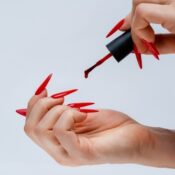
  • Yes, you can bring nail polish on a plane in both your carry-on and checked bags.
  • The Transportation Security Administration (TSA) considers nail polish a liquid item.
  • For hand luggage, it must follow the 3-1-1 rule: bottles must be 3.4 fluid ounces or less and fit in a single quart-sized bag.
  • There are fewer restrictions on nail polish packed in your checked luggage.
  • Following TSA regulations ensures you won’t have your nail polish confiscated during security checks.

Understanding TSA Regulations for Nail Polish

Navigating airport rules can feel complicated, but understanding the guidelines for your beauty products doesn’t have to be. The Transportation Security Administration, the official government organization responsible for airport security, has specific TSA regulations for all liquid items. Since nail polish is classified as a liquid, it falls under these rules, which are designed to ensure everyone’s safety during air travel.

These regulations primarily concern the amount of nail polish you can carry, especially in your carry-on bag. Knowing these rules before you pack will help you breeze through security checks without any hitches. We will explore how the 3-1-1 rule applies to your favorite polishes and whether they are considered hazardous.

How the 3-1-1 Liquids Rule Applies to Nail Polish

If you want to bring nail polish in your carry-on luggage, you must follow the TSA’s 3-1-1 liquids rule. What does this mean for you? It’s simple: 3 stands for containers of 3.4 fluid ounces (100 milliliters) or less, 1 stands for one single quart-sized, clear, resealable bag, and 1 stands for one bag per passenger. This is one of the most important TSA regulations to remember for liquids.

The capacity of each container is key. Most standard nail polish bottles are well under the 3.4-ounce limit, so you can typically pack several of your favorite shades. You just need to make sure all your liquid items, including your nail polish, fit comfortably inside that single quart-sized bag.

Remember that the total amount of liquids is limited by what can fit in the bag. By adhering to the 3-1-1 liquids rule, you can confidently pack your nail polish in your carry-on without worrying about having it taken away at the security checkpoint.

Is Nail Polish Considered Hazardous or Restricted?

You might wonder if your nail polish is considered a hazardous material for air travel. Nail polish contains flammable solvents, which can naturally lead to safety concerns. Because of this chemical composition, both the TSA and the Federal Aviation Administration (FAA) have regulations in place. It’s not sensitive information; it’s a standard safety precaution.

However, for personal travel, small quantities of nail polish are not considered a significant risk. The TSA and FAA regulations permit you to carry them as toiletry items. You are allowed to bring them on a plane as long as you follow the rules for liquids, which are designed to mitigate any potential dangers.

So, while nail polish is technically a flammable substance, it is not restricted when packed according to the guidelines set by an official government organization like the TSA. You can travel with your polish without worry, knowing you are compliant with all safety protocols.

Carry-On Luggage: Bringing Nail Polish on Board

Yes, you can absolutely bring your nail polish in your carry-on luggage. Packing your favorite shades in your hand luggage is convenient for touch-ups or if you want to keep your valuable nail polish collection close. As long as you follow the TSA regulations for liquids, you won’t have any issues.

Remember that you’ll need to use small bottles that meet the size requirements and place them inside your single, clear, quart-sized bag with your other liquids. This keeps everything organized and makes the screening process smoother. Let’s look at the specific limits and whether you need to declare your polish at security.

Limits on Bottle Size and Quantity

When packing nail polish in your carry-on, the capacity of each container is crucial. Each bottle must be no more than 3.4 fluid ounces (100 milliliters). The great news is that almost all nail polish bottles are much smaller than this, usually around 0.5 fluid ounces, so bottle size is rarely an issue.

For checked luggage, the rules are more relaxed. While there are no specific TSA limits on the number of nail polish bottles, the FAA does have rules for the total aggregate quantity of all medicinal and toiletry articles. The capacity of each container must not exceed 18 ounces, and the total amount per person cannot exceed 70 ounces.

Here is a simple breakdown of the rules for packing liquid items like nail polish:

Luggage Type Bottle Size Limit Quantity & Packing Rules
Carry-On 3.4 oz (100 ml) All liquid items must fit inside a single, one-quart-sized clear, resealable bag.
Checked 18 oz (0.5 kg) The total aggregate quantity of all toiletries must not exceed 70 oz (2 kg) per person.

Do You Need to Declare Nail Polish at Security?

You do not need to separately declare your nail polish at security checks as long as you are following all TSA regulations. When your nail polish is in your quart-sized bag along with your other liquids, it is considered properly packed and ready for screening. The TSA officer will see it when your bag goes through the X-ray machine.

There is no need to announce it or fill out any special forms for standard-sized personal nail polish bottles. The TSA’s main concern is that all liquids in your carry-on comply with the 3-1-1 rule. You can always check the official TSA gov website if you have any doubts before your trip.

A brief survey of your liquids before you leave home is the best way to ensure a smooth experience. Just make sure everything is in the right-sized containers and fits properly in your clear bag. This simple step helps you avoid any delays and keeps your journey stress-free.

Packing Nail Polish in Checked Baggage

If you have a large nail polish collection or simply don’t want to worry about liquid limits in your carry-on, packing it in your checked luggage is an excellent option. You can pack larger quantities of toiletry articles, including nail polish, in your checked bags without the 3.4-ounce restriction.

This is the best way to travel with your entire collection. However, there are still safety concerns to consider, as bags can get tossed around during transit. Proper packing is essential to prevent bottles from breaking or leaking all over your clothes. Let’s cover some guidelines for storing them safely.

Safety Guidelines for Storing Nail Polish in Checked Bags

To avoid any messy accidents in your checked luggage, proper packing is essential. The main safety concerns are breakage and leaks. A broken bottle of dark red polish could ruin your favorite vacation outfits, so taking a few extra minutes to secure your nail polish collection is well worth the effort.

Use these simple packing tips to protect your polishes and your belongings. Consider wrapping each bottle individually or using a padded case designed for cosmetics. This adds a crucial layer of cushioning against impacts during handling and transit.

Here’s how to pack your nail polish safely in checked luggage:

  • Seal them tightly: Double-check that every bottle cap is screwed on as tightly as possible.
  • Bag them up: Place the bottles in a sealed, leak-proof plastic bag to contain any potential spills.
  • Cushion them well: Wrap the bottles in bubble wrap or soft clothing and place them in the center of your suitcase, surrounded by more clothes for padding.
  • Use a protective case: A padded cosmetic or nail polish case provides the best protection against breakage.

Can You Bring Nail Polish Remover and Other Nail Products?

Yes, you can bring nail polish remover and other liquid nail products, but they are also subject to TSA regulations. Like nail polish, nail polish remover is considered a liquid item. If you pack it in your carry-on, it must be in a container of 3.4 ounces or less and placed in your single quart-sized bag.

However, be aware that many nail polish removers are acetone-based and highly flammable. While permitted, it’s crucial to ensure the bottle is sealed tightly to prevent leaks and strong odors. For larger quantities of remover, it’s always safer to pack it in your checked baggage.

Other nail products like cuticle oils, base coats, and top coats also fall under the 3-1-1 liquids rule for carry-ons. As long as they meet the size requirements and fit in your liquids bag, you can bring your entire nail care routine with you on your travels.

Frequently Asked Questions

Are there differences between TSA and airline-specific rules?

While the TSA, an official government organization, sets the primary security rules for what you can bring on a plane, some airlines may have their own airline-specific rules. It’s always a good idea to check your airline’s policy for liquid items before you fly, especially for international travel, though most simply follow TSA regulations.

Is it allowed to use nail polish during a flight?

Although FAA regulations don’t explicitly forbid it, it is highly discouraged to use nail polish during a flight. The strong fumes can be unpleasant for fellow passengers in a confined cabin, and unexpected turbulence could cause spills. For a better experience today, it’s best to wait until you’ve reached your destination.

What’s the best way to pack nail polish to avoid spills and damage?

The best packing tips involve protection and containment. Whether in hand luggage or checked luggage, place your nail polish collection in a sealed, leak-proof bag. For extra security, wrap bottles in bubble wrap or soft cloth to prevent them from breaking during transit and address any safety concerns.


Sources:

Key Highlights

Here’s what you need to know about flying with lotion:

  • Yes, you can bring lotion in your carry-on, but it is considered a liquid by the Transportation Security Administration (TSA).
  • All liquids, including lotion, must be in containers of 3.4 ounces (100 milliliters) or less.
  • These containers must fit into a single, quart-sized, clear, resealable plastic bag.
  • Each passenger is limited to one of these small bags for liquids in their carry-on.
  • There are no size restrictions for lotion in your checked luggage, offering a great alternative for larger bottles.

Introduction

Packing for a trip can be exciting, but it often comes with a bit of confusion, especially when it comes to toiletries. Have you ever stood in front of your suitcase wondering, “Can I bring lotion in my carry-on when flying?” You’re not alone. The rules set by the Transportation Security Administration (TSA) in the United States can seem tricky. Understanding these guidelines before you head to the airport is key to a smooth and stress-free screening process. This guide will clarify the rules for packing lotion so you can travel with confidence.

Understanding TSA Liquid Rules for Carry-On Items

The Transportation Security Administration, an official government organization, established liquid restrictions to ensure passenger safety. These rules, often called the 3-1-1 rule, apply to all liquids, aerosols, gels, creams, and pastes you want to take through the security checkpoint in your carry-on bag.

Following these guidelines helps make the screening process faster and more efficient for everyone. Knowing what to expect before you arrive at the airport can save you time and prevent your items from being confiscated. Let’s explore exactly what items fall under this rule and how it applies to your lotion.

What Liquids Are Covered Under TSA’s 3-1-1 Rule?

The Transportation Security Administration’s 3-1-1 rule is a simple memory aid for packing liquids. It means your liquid containers must be 3.4 ounces (100 milliliters) or less, they must all fit inside 1 quart-sized, clear, resealable plastic bag, and each passenger is allowed only 1 such bag.

This rule covers a wide range of items you might not immediately think of as “liquids.” The TSA defines liquids broadly to include anything that is fluid at room temperature. This ensures a consistent standard for security screening.

Common items that fall under these liquid restrictions include:

  • Creams, lotions, and sunscreens
  • Gels like hair gel and aloe vera
  • Aerosols, liquid soap, and perfumes

Remember, all these items must be packed together in your single resealable plastic bag to pass through security without a hitch.

Does Lotion Count as a Liquid at Airport Security?

Yes, the Transportation Security Administration absolutely considers lotion a liquid. Because of its creamy consistency, it falls into the same category as gels, pastes, and other similar toiletries. This means you must follow the 3-1-1 rule when packing lotion in your carry-on bag.

When you arrive at the security checkpoint, you will need to remove your clear bag of liquids from your carry-on and place it in a separate bin for X-ray screening. This allows TSA officers to get a clear view of your items and speeds up the screening process for everyone.

Treating your lotion as a liquid from the start is the best way to avoid any surprises at the airport. By packing it correctly alongside your other travel-sized toiletries, you ensure a smooth journey through the security checkpoint.

How Much Lotion Can You Pack in Your Carry-On?

When it comes to packing lotion in your carry-on, the Transportation Security Administration has specific liquid restrictions you need to follow. You can bring lotion, but the amount is limited by the size of the container, not just the amount of product inside.

Each bottle of lotion must be 3.4 ounces (100 milliliters) or smaller. All of your travel-sized containers must then fit comfortably into one quart-sized, small bag. This rule applies to every passenger, so plan accordingly. Now, let’s look closer at these size limits and how to pack smart.

Size Restrictions for Lotion Bottles

The Transportation Security Administration is very strict about the container size for liquids in your carry-on. Your lotion bottle must be 3.4 ounces (100 milliliters) or less. It’s important to note that you cannot bring a larger bottle, even if it’s only partially full. For example, a 4-ounce bottle with only 2 ounces of lotion inside is not permitted. The rule applies to the container’s capacity, not the actual volume of liquid it holds.

These liquid restrictions are in place for security reasons and are enforced at every checkpoint. To make it easier, many brands offer travel-sized versions of their products that are already compliant.

Here’s a simple breakdown of the rules for lotion in your luggage:

Luggage Type Lotion Container Size Limit
Carry-On Bag 3.4 ounces (100 ml) or less
Checked Bag No size restrictions

Transferring Lotion into Travel-Sized Containers

A great way to bring your favorite lotion without buying a new bottle is to transfer it into approved travel-sized containers. You can purchase empty bottles, jars, and tubes that are 3.4 ounces or smaller, making them perfect for your carry-on. This is a cost-effective and eco-friendly way to travel with your preferred products.

When filling your containers, be careful not to overfill them, as pressure changes during the flight can sometimes cause leaks. Once filled, place all your travel-sized containers into a single, quart-sized, clear, resealable plastic bag.

To ensure a spill-free trip, consider these tips:

  • Screw caps on tightly before packing.
  • Place a small piece of plastic wrap over the bottle opening before screwing on the cap for extra protection.
  • Use a small bag or pouch designed to be leak-proof to hold all your liquids.

Navigating Security Screening with Lotion

Knowing how to handle your liquids at the airport can make the screening process much smoother. When you reach the security checkpoint with lotion in your carry-on, you’ll need to follow a few simple steps to comply with TSA procedures.

Proper preparation helps avoid delays and the potential for additional screening. If your liquids are packed correctly, the process is quick and straightforward. Let’s go over exactly how to present your lotion to security and what might happen if it doesn’t meet the requirements.

Do You Need to Put Lotion in a Clear Plastic Bag?

Yes, you must place your lotion and all other liquids, gels, and aerosols in a single, clear, resealable plastic bag. The bag must be quart-sized or smaller, and all your containers must fit comfortably inside so that it can be sealed completely. This is a non-negotiable rule for carry-on luggage.

At the security checkpoint, you are required to take this small bag of liquids out of your carry-on and place it in a bin for separate X-ray screening. This allows TSA officers to quickly and easily inspect your liquids without having to search through your entire suitcase.

Keeping your liquids separate and visible is key to an efficient security experience. If you forget to do this, you may be asked to step aside for a manual bag check, which can cause delays. Packing your liquids in the required resealable plastic bag from the start ensures you’re prepared.

What Happens if Your Lotion Bottle Exceeds the Limit?

If you arrive at the security checkpoint with a lotion bottle larger than 3.4 ounces (100 milliliters), it will not be allowed through in your carry-on. The TSA, as an official government organization, strictly enforces this rule due to security concerns, and there are rarely exceptions for standard toiletries.

Even if your bottle is just slightly over the limit, a TSA agent will flag it. At that point, you will typically be given a choice: you can either surrender the item to be disposed of, or you can leave the security line to place it in your checked luggage, if you have one. This can cause significant delays.

To avoid this situation, always double-check the size of your containers before you leave for the airport. Trying to get a non-compliant item through security will only lead to additional screening and the likely loss of your product.

Bringing Lotion in Checked vs. Carry-On Luggage

Choosing between packing lotion in your carry-on or your checked luggage depends on how much you need to bring. The strict liquid restrictions only apply to carry-on bags, giving you much more freedom when you use checked baggage.

If you want to bring a full-sized bottle of your favorite lotion, your checked luggage is the perfect place for it. This option eliminates the need for travel-sized containers and the 3-1-1 rule. Let’s look at the specific rules for packing lotions and other liquids in your checked bags.

Are There Any Restrictions on Lotion in Checked Bags?

For lotion specifically, there are no Transportation Security Administration size restrictions when packed in your checked baggage. You are free to bring full-sized bottles of lotion, shampoo, conditioner, and other standard toiletries without worrying about the 3.4-ounce limit. This makes packing for longer trips much easier.

However, it’s always a good idea to pack liquids carefully to prevent spills. Place bottles in a sealed plastic bag and cushion them with clothing to protect them during transit. While the TSA doesn’t limit the size of your lotion bottles, be mindful of your airline’s weight limits for checked luggage to avoid extra fees.

Keep in mind that while standard toiletries are fine, there are restrictions on certain types of liquids in checked luggage due to security concerns. Flammable items like lighter fluid, high-proof alcohol (over 70% ABV), and aerosol products not intended for personal care are prohibited.

International Flights and Airline Differences for Lotion Rules

When you’re taking international flights, it’s crucial to remember that liquid rules can vary by country and even by airline. While the 3.4-ounce (100-milliliter) rule is a common standard worldwide, you should always verify the regulations for your specific destination and any layover countries. Contacting the official government organization responsible for airport security in that country is the best approach.

For example, when flying into the United States from an international location, you can bring duty-free liquids in larger containers if they meet certain criteria. According to the TSA, these items are allowed if:

  • They are in a secure, tamper-evident bag from the retailer.
  • You have the original receipt showing the purchase was made within 48 hours.
  • The items pass security screening. [1]

Scented lotion is generally allowed on both domestic and international flights, as long as it complies with all liquid restrictions. However, out of consideration for fellow passengers with sensitivities, some airlines may have policies regarding strong fragrances. Always check with your airline if you have concerns.

Conclusion

In summary, understanding the TSA regulations for bringing lotion on a plane can save you from potential hassles at airport security. Remember the 3-1-1 rule: liquids in your carry-on must be in containers of 3.4 ounces or less, all contained within a single quart-sized bag. If you have a favorite lotion that exceeds this limit, consider transferring it to a travel-sized container. Always double-check the specific policies of your airline, especially for international flights, as these can vary. By staying informed and prepared, your travel experience can be much smoother. For personalized advice and tips, book a free consultation with our travel experts today!

Frequently Asked Questions

Is scented lotion allowed in my carry-on bag?

Yes, scented lotion is allowed in your carry-on bag. The Transportation Security Administration does not have rules against scented products. Just make sure it follows all liquid restrictions: the container must be 3.4 ounces (100 ml) or smaller and fit in your single, quart-sized bag of liquids.

Will I have trouble if my lotion bottle is slightly over 3.4 ounces?

Yes, you will have trouble. The Transportation Security Administration is very strict about the 3.4-ounce (100 ml) limit due to security concerns. Even if the bottle is only partially full, a container with a capacity larger than 3.4 ounces will be confiscated during the screening process.

Are TSA requirements for lotion different by country or airline?

Yes, requirements can differ, especially on international flights. While the 100 ml rule is a common global standard, it’s wise to check the rules of your destination country’s official government organization. Airlines may also have their own specific policies, so a quick check before you fly is always recommended.

Key Highlights

Here’s what you need to know about traveling with your curling iron:

  • The Transportation Security Administration (TSA) allows your curling iron in both carry-on and checked baggage.
  • Corded electric beauty tools have no major restrictions, but cordless models with lithium batteries or gas cartridges must be in your carry-on.
  • Ensure your butane or gas-powered curling iron has a safety cover to prevent accidental activation during air travel.
  • While TSA regulations are a good guide, always check your specific airline’s rules before you pack.
  • Be prepared for security screening; you may be asked to remove your curling iron from your bag for inspection.

Introduction

Are you planning a trip and wondering, “Can you bring a curling iron on a plane?” Packing can be confusing, especially with changing rules for air travel. Staying up-to-date on the latest TSA guidelines is key to a stress-free journey. This guide will walk you through everything you need to know about traveling with your favorite hairstyling tool. We’ll cover the official rules so you can pack confidently and step off the plane with fabulous hair, ready for your next adventure.

TSA Regulations for Curling Irons and Beauty Tools

Navigating the rules for what you can and can’t pack can feel a bit overwhelming. The Transportation Security Administration (TSA), an official government organization, sets the standards for security checks. Luckily, when it comes to most beauty tools, the TSA rules are quite straightforward.

According to the official TSA website, “Electric curling irons and hair straighteners with cords are not restricted. However, cordless curling irons that contain lithium metal or lithium-ion batteries or are gas or butane-fueled are only allowed in carry-on bags. A safety cover must be securely fitted over the heating element and the device must be protected from accidental activation. Gas refills (spare cartridges) are not allowed in either checked or carry-on bags.” Source: Transportation Security Administration This means the type of curling iron you have does matter.

Corded vs. Cordless Curling Iron Policies

When you’re deciding which curling iron to pack, you should know that there are different rules for corded and cordless models. A standard corded curling iron is the simplest option for travel. The TSA has no restrictions on these devices, so you can pack them in either your carry-on or checked luggage without worry.

On the other hand, a cordless curling iron has more specific guidelines. If your device is powered by lithium-ion batteries or is gas- or butane-fueled, it is only permitted in your carry-on bag. This rule helps prevent potential fire hazards in the cargo hold. You are generally limited to one cordless device per passenger.

Furthermore, you must ensure your cordless curling iron is protected from accidental activation. This means it needs a safety cover securely fitted over the heating element. While a TSA agent might not always check for this, having it in place ensures you comply with regulations and avoid any issues at the security checkpoint.

Restrictions Based on Power Sources (Electric, Butane, Gas)

The power source of your curling iron is the most important factor for the TSA. Standard electric curling irons with cords are the easiest to travel with, as they are not restricted in any significant way. You can pack as many as you need, provided your bag meets the airline’s weight and size limits.

However, if you own a butane curling iron or one powered by gas cartridges, the rules are much stricter. These devices are seen as a potential fire risk due to their flammable fuel source. Because of this, they are prohibited from checked baggage entirely. You must pack your butane or gas-powered tool in your carry-on.

To travel with a butane or gas curling iron, you must follow these key rules:

  • The device must have a safety cover over the heating element.
  • It must be packed to prevent accidental activation.
  • Spare gas cartridges or gas refills are not allowed in carry-on or checked bags. Failing to follow these guidelines could result in your device being confiscated by security.

Bringing Curling Irons in Carry-On Bags

Good news for travelers who want to keep their hair tools close! You can absolutely pack your curling iron in your carry-on bag. The TSA considers hair curlers and curling irons a personal item, allowing them in your hand luggage. This is often the most convenient option, as it keeps your styling tools accessible.

Just remember that specific TSA regulations apply if you have a cordless model. Any curling iron powered by butane, gas, or lithium-ion batteries must be in your carry-on and have a safety cover to prevent it from turning on by mistake. Standard corded models can be packed without these extra precautions.

Security Screening Requirements

When you go through airport security, you should be prepared for your curling iron to receive a little extra attention. Since a curling iron is an electrical appliance, a TSA agent may ask you to remove it from your carry-on bag for a separate screening. This isn’t always the case, but it’s a possibility.

To make the security screening process smoother, place your curling iron in an easily accessible spot in your bag. If you are asked to take it out, you won’t have to rummage through all your belongings. Having it ready can help you move through the checkpoint without delays. The final decision on whether to inspect an item always rests with the TSA officers on duty.

If you’ve used your curling iron shortly before heading to the airport, it’s wise to pack it in a heat-resistant pouch. This not only protects your other items but also ensures that TSA officers can handle it safely if an inspection is needed. You don’t need to declare your curling iron, but being prepared for a potential check makes the experience hassle-free.

Packing Tips to Avoid Damage or Delays

Properly packing your curling iron can protect it from damage and help you have a smooth journey through the airport. The first and most important step is to let it cool down completely before you pack it. Packing a hot tool is a fire hazard and can damage your other belongings.

Once it’s cool, wrap the cord neatly to prevent tangles and keep your bag organized. Using a twist tie or a Velcro strap can help secure it. If your curling iron came with a heat-resistant pouch or a safety cover, be sure to use it. This adds an extra layer of protection for the tool and your luggage. Cordless models require a cover to prevent accidental activation.

For a seamless travel experience, follow these packing tips:

  • Use a heat-resistant pouch for storage.
  • Cushion the curling iron by placing it in the center of your suitcase, surrounded by soft clothes.
  • Consider a dedicated travel case designed for styling tools.
  • Always double-check airline and TSA guidelines before you fly. These small steps will keep your curling iron in top condition and ready for use at your destination.

Options for Checking Curling Irons in Luggage

If you prefer to have more space in your carry-on, you can pack your curling iron in your checked baggage. Most airlines allow standard corded curling irons in checked luggage without any issue. Just make sure it has fully cooled down before packing to avoid any risk of damage or a fire hazard.

However, you must not pack cordless curling irons in your checked luggage. Any styling tool that uses lithium batteries, butane, or gas is prohibited from checked bags. These items must be brought in your hand luggage. Always check your specific curling iron’s power source before deciding where to pack it.

Airline-Specific Rules for Checked Beauty Tools

While the TSA provides the main framework, individual airlines can have their own airline-specific rules. It’s always a smart idea to check your airline’s website or contact them directly for their specific guidelines before you fly, especially when it comes to checked baggage.

Most major U.S. airlines follow TSA rules and allow corded curling irons in both carry-on and checked luggage. However, some international carriers or budget airlines might have slightly different policies. For example, Volaris Airlines only permits curling irons in checked baggage.

Here’s a quick look at the policies for some popular airlines. Remember that rules for gas-powered tools apply to all.

Airline Carry-On Checked Baggage
American Airlines Yes Yes (corded only)
Delta Air Lines Yes Yes (corded only)
United Airlines Yes Yes (corded only)
Southwest Airlines Yes Yes (corded only)
Air Canada Yes Yes (corded or gas with cover)
Volaris Airlines No Yes

Potential Risks and Safety Precautions

When traveling with a curling iron, safety should be your top priority. The biggest risk is a fire hazard, which is why there are strict rules, especially for cordless models. Packing a hot tool can cause burns or damage your belongings, so always allow it to cool completely.

For cordless curling irons powered by a lithium battery or gas, the risk of accidental activation is a major concern. This is why a safety cover is mandatory. The cover prevents the heating element from turning on unintentionally during the flight, reducing the risk of fire.

To ensure a safe trip with your curling iron, remember these key precautions:

  • Always let your curling iron cool down before packing.
  • Use a protective heat-resistant pouch or case.
  • If your curling iron is cordless, ensure the safety cover is securely in place to prevent accidental activation.

International Travel and Curling Iron Rules

When you’re preparing for international travel, there are a few extra things to consider. While TSA guidelines apply to all flights departing from the United States, other countries may have different regulations for electronic items. It’s crucial to research the rules of your destination country before you pack.

If you have connecting flights, be sure to check the security rules for each airport you’ll pass through. The regulations in another country could be stricter, and you wouldn’t want your curling iron confiscated before your next flight. A little research ahead of time can save you a lot of trouble.

Country-Specific Differences in Beauty Tool Policies

Yes, different countries absolutely have their own rules about bringing electronics like curling irons on flights. These country-specific differences can impact what you can pack in your carry-on or checked luggage. Security agencies in Europe, Asia, and other regions may have policies that vary from the TSA.

Before you travel internationally, the best practice is to check the official government or airport authority website for your destination. Look for their list of prohibited and restricted items. This will give you the most accurate and up-to-date information regarding their specific rules for beauty tools.

Creating your own ultimate guide for the countries you visit frequently can be a great way to stay organized. By noting the rules for each destination, you’ll be prepared for future trips and can avoid any surprises at security, ensuring your styling tools can travel with you wherever you go.

Navigating Voltage and Wattage Limits Abroad

Beyond security rules, you also need to think about the electrical standards of your destination. The voltage and plug types can vary significantly from what you’re used to in the United States. Most American electric curling irons are designed for a 110-120V grid, while many other countries use 220-240V.

Plugging your single-voltage curling iron into a foreign outlet without the right equipment can damage or destroy it. To use your tool safely, you may need a voltage converter to adjust the electricity and a travel adapter to fit the plug style of the local outlets. Some airlines may also have wattage limits for devices, so check their policies.

For frequent international travelers, investing in dual-voltage travel curling irons is a smart move. These are designed to work with both electrical grids.

  • A dual-voltage curling iron is compatible with both 110-120V and 220-240V systems.
  • You will still need a plug adapter to fit the outlet.
  • This eliminates the need for a bulky voltage converter, making packing easier.

Other Hot Hair Tools Allowed on Planes

Wondering if your other favorite styling tools can join you on your trip? You’ll be happy to know that the TSA guidelines for curling irons generally apply to other hot hair tools as well. Items like flat irons, hair straighteners, and even hot rollers are typically allowed on planes.

You can pack these items in both your carry-on and checked luggage, as long as you follow the same rules based on their power source. Corded electric models are unrestricted, while cordless versions with lithium batteries or gas must go in your carry-on with a safety cover.

Flat Irons, Straighteners, and Hair Dryers

Yes, you can bring your other styling companions with you. Hair straighteners and flat irons are treated just like a curling iron by the TSA. You can pack your corded straightener in either your carry-on or checked bag. If you have a cordless model powered by lithium batteries or butane, it must be in your carry-on with a safety cover.

Hair dryers are also permitted in both carry-on and checked luggage. Many hotels provide them, so you might want to check with your accommodation to save some space in your bag. However, if you can’t live without your own, feel free to bring it along.

Whether you’re aiming for sleek locks, bouncy curls, or a perfect blowout, you can pack the tools you need. Just remember to let all hot tools cool down completely before packing them to ensure safety and prevent damage to your belongings.

Guidelines for Travel-Size Beauty Tools

Are you thinking about buying travel-size beauty tools for your next trip? When it comes to TSA rules, there are no special regulations just because a tool is smaller. Travel curling irons and other compact stylers are subject to the same guidelines as their full-size counterparts.

The rules are based on the power source, not the size. A mini corded curling iron has no restrictions, while a travel-size butane-powered straightener must be in your carry-on with a safety cover. The main benefit of travel-size tools is that they are more compact and lighter, making them easier to pack.

Here are a few things to keep in mind for travel-size tools:

  • The TSA rules are identical to full-size tools.
  • Check for dual-voltage capability if you’re traveling internationally.
  • Their smaller size helps you stay within airline weight and size limits for luggage. So, while there are no different TSA rules, travel-size versions can still make your packing process a lot easier.

Conclusion

In summary, understanding the TSA regulations surrounding curling irons and other beauty tools is essential for a smooth travel experience. By knowing what you can carry in your bags and being aware of the specific guidelines for corded and cordless devices, you can avoid any unpleasant surprises at security checks. Whether you choose to pack your curling iron in your carry-on or check it in with your luggage, following these tips will help ensure that your beloved beauty tools arrive safely at your destination. If you have further questions or need personalized advice on traveling with beauty tools, feel free to reach out for a consultation!

Frequently Asked Questions

Can I bring a curling iron with a butane cartridge on a plane?

Yes, you can bring a butane curling iron on a plane, but only in your carry-on luggage. According to TSA regulations, it must have a safety cover over the heating element to prevent it from turning on. Remember that spare gas cartridges are not allowed in either carry-on or checked bags for air travel.

Will my curling iron need to be inspected by airport security?

It’s possible. During security checks, a TSA agent may ask you to remove your curling iron from your bag for separate screening. While this doesn’t happen every time, you should be prepared for it. The final decision is always up to the airport security officer you encounter during your experience today.

Are travel curling irons treated differently by TSA?

No, travel curling irons are not treated differently by the TSA. The TSA rules are based on the power source—the type of curling iron—not its size. Whether it’s a full-size or a travel-size model, the same guidelines apply for corded, battery-operated, and gas-powered devices set by the official government organization.

Key Highlights

Here are the main things to remember about flying with your water bottle:

  • You can bring any water bottle on a plane, but it must be empty when you go through the airport security checkpoint.
  • TSA security enforces a liquid rule, limiting liquids in carry-ons to 3.4 ounces (100ml).
  • A reusable water bottle is a great, eco-friendly choice for travel.
  • Once you pass security, you can refill your bottle at a water station.
  • You can also ask a flight attendant to fill your bottle with potable water on the plane.

Introduction

If you’re someone who carries a water bottle everywhere, you’ve probably wondered if you can take it with you on a plane. Staying hydrated during air travel is important, but navigating airport rules can be confusing. The short answer is yes, you can bring a water bottle! However, there are specific guidelines from security agencies like the Transportation Security Administration (TSA) that you need to follow. This guide will walk you through the rules so you can travel with confidence.

Understanding Airline Liquid Rules and Security Regulations

Airline liquid rules are not there to inconvenience you; they are in place to ensure the safety of every passenger. Airport security agencies established these regulations to protect against potential threats. For instance, the current liquid rule was created after a plot involving liquid explosives was discovered in 2006.

By limiting the amount of liquids passengers can carry on, security officers can screen items more effectively. Understanding why this liquid rule exists helps make the TSA security process smoother for everyone. So, what exactly are the rules that apply to your water bottle?

TSA’s 3-1-1 Rule: How It Applies to Water Bottles

For flights in the United States, the key regulation to know is the TSA’s 3-1-1 rule. This rule states that all liquids, gels, and aerosols in your carry-on must be in containers of 3.4 ounces (100 milliliters) or less. These containers must all fit into a single, clear, quart-sized plastic bag. Each passenger is limited to one of these bags.

How does this apply to your water bottle? If your bottle contains water, it must meet this 3.4-ounce limit to pass through the security checkpoint. Since most water bottles are much larger than that, you cannot take them through security if they are full.

The simplest solution is to bring an empty water bottle. The liquid rule applies to the liquid itself, not the container. An empty bottle of any size is perfectly acceptable to bring through security. You can then fill it up once you’re on the other side.

Are Water Bottles Considered Restricted or Allowed Items?

This is a common point of confusion. The water bottle itself is among the allowed items. TSA security is concerned with the liquid inside, which is why a full bottle would be flagged as a restricted item if it exceeds the 3.4-ounce limit. The material of your bottle does not matter; the same rules apply to single-use plastic water bottles and reusable steel water bottle options.

So, can you bring a regular water bottle through airport security in your carry-on bag? Absolutely, as long as it’s empty. An empty bottle poses no security risk and will pass through the screening process without any issues.

The official TSA list of prohibited items focuses on liquids over the allowed limit, not the containers themselves. By ensuring your bottle is empty, you guarantee it’s treated as an allowed item and can avoid having to dispose of it at the checkpoint.

Types of Water Bottles You Can Bring Onboard

When it comes to the types of water bottles you can bring, you have plenty of options. Whether you prefer a simple reusable water bottle, single-use plastic bottles, or a durable stainless steel water bottle, all are permitted. The security regulations focus on the contents, not the bottle’s material.

This means you can bring your own water bottle without worrying if it’s the “right” kind. As long as it’s empty when going through security, you are good to go. Let’s look at the specifics for different bottle types.

Reusable and Stainless Steel Bottles: What’s Allowed?

Yes, you can absolutely bring your reusable water bottle, including a stainless steel water bottle, in your carry-on luggage for both domestic and international flights. The rule is the same for all bottles: it must be empty when you pass through the security checkpoint. A steel water bottle is a fantastic travel companion because it’s durable and often insulated.

Once you are past security, you can fill it up and stay hydrated throughout your journey. This is a great way to reduce plastic waste and save money on expensive airport beverages.

If you don’t need your bottle during the flight, you can also pack it in your checked bag. There are no liquid restrictions for checked luggage, so you can even pack it full of water. Just make sure the lid is screwed on tightly to prevent any leaks during transit.

Bringing Empty vs Sealed Water Bottles Through Security

Navigating the security checkpoint with a water bottle is simple when you know the difference between bringing an empty one versus a sealed one. An empty water bottle is your best bet for a hassle-free experience.

Can you bring a sealed bottle of water through security? A factory-sealed bottle of plastic water is still subject to the 3.4-ounce liquid rule. This means a standard-sized sealed bottle (typically 16.9 ounces) will not be allowed through the checkpoint. You will be asked to either drink it, empty it, or throw it away.

Here’s a quick comparison to make it clear:

  • Empty Water Bottle: Allowed in any size. You can fill it up at a water fountain or refill station after the security checkpoint.
  • Sealed Water Bottle (over 3.4 oz): Not allowed through security. It will be confiscated.
  • Sealed Water Bottle (3.4 oz or less): Allowed, but it must fit in your single quart-sized bag with your other liquids.

Domestic vs International Flights: Key Differences for Water Bottles

The rules for carrying water bottles can sometimes differ between domestic and international flights. In many countries, there are no liquid restrictions on domestic flights. However, this is not a universal rule. In the United States, for example, the TSA’s 3-1-1 liquid rule applies to both domestic and international flights.

For nearly all international flights worldwide, the 100ml (3.4 oz) liquid limit is standard. If you’re packing your bottle in your checked baggage, there are no liquid limits to worry about.

US-Bound Flights and Unique Restrictions

For any flight departing from or flying within the United States, the TSA’s 3-1-1 rule is consistently enforced. This applies to all US-bound flights, whether they are domestic or international. This strict approach is a key part of the airport security strategy to prevent threats from liquid explosives.

Therefore, you cannot bring a water bottle with more than 3.4 ounces of liquid through a TSA checkpoint, regardless of your destination. The most reliable strategy is to always carry your bottle empty through security and fill it up afterward.

Remember, these rules are only for your carry-on. If you wish to transport larger quantities of water or other liquids, you can do so by placing them in your checked baggage. Just ensure the containers are sealed properly to avoid any messy surprises when you land.

International Airport Policies Compared to US Regulations

Most international airport policies align closely with US regulations regarding liquids in carry-on luggage. The 100ml (3.4 oz) limit is a global standard for international flights, meaning your empty stainless steel bottle is fine, but a full one is not. This consistency helps create a predictable airport experience for travelers worldwide.

However, some countries have unique rules. For example, when flying internationally to Australia, you may face two security screenings. After clearing the main airport security, there is often a final liquid check at the departure gate. This means any water you bought or refilled in the terminal, including in plastic water bottles, will be confiscated before boarding.

Here is a simple comparison:

Region/Flight Type Carry-On Liquid Rule for Water Bottles Best Practice
US Domestic Flights Must be empty or under 3.4 oz / 100ml Bring empty
International Flights (General) Must be empty or under 3.4 oz / 100ml Bring empty
International to Australia Liquids checked at gate; bottles will be emptied Wait to fill onboard or confirm gate policy

Tips for Packing and Preparing Your Water Bottle for Air Travel

A little preparation can make your travel experience much smoother. To avoid any issues at security, the best thing to do is ensure your own water bottle is completely empty before you get in the screening line. This is a good idea not just for compliance but also for peace of mind.

Once you’re through, you can refill it. If you forget or run out of water on the plane, don’t hesitate to ask a flight attendant for a refill. Let’s explore some more packing tips to help you prepare.

Choosing the Right Water Bottle for a Hassle-Free Experience

Choosing the right trusty water bottle can make a big difference in your travels. Look for one that is lightweight, durable, and, most importantly, leak-proof. A leaky bottle can ruin your day and your belongings.

Reusable water bottles are allowed in carry-on bags and are an excellent choice. They help you reduce plastic waste and are often designed for travel. A high-quality, insulated stainless steel bottle is a great option. It can keep your water cold for hours, which is a welcome treat on a long flight. Avoid glass bottles, as they can break and create a safety hazard.

When making your selection, consider these points:

  • Leak-Proof Lid: A secure lid is non-negotiable.
  • Lightweight Material: You don’t want to add unnecessary weight to your carry-on.
  • Durability: Choose a bottle that can handle the bumps of travel.
  • Easy to Clean: A bottle with a wide mouth is easier to wash on the go.

Pressure and Safety Concerns When Flying with Water Bottles

Yes, there are some pressure-related concerns to be aware of when flying. The air pressure inside the cabin of the plane changes during ascent and descent. This can cause the air trapped inside your water bottle to expand or contract, potentially forcing the lid open or causing leaks.

To avoid this, don’t fill your water bottle to the very top. Leaving a little bit of empty space allows for pressure changes without causing a spill. It’s also a good idea to slightly unscrew the cap to release any pressure buildup before opening it fully, especially after takeoff.

This is another reason why it’s wise to avoid glass bottles. While leaks are an inconvenience, a broken glass bottle poses a real safety risk to you and other passengers. Stick with durable plastic or stainless steel for longer trips and enjoy your cold water without worry.

Conclusion

Staying hydrated while traveling is essential, and understanding the rules about bringing water bottles on planes can make your journey smoother. By familiarizing yourself with the TSA’s 3-1-1 rule and knowing which types of water bottles are permitted, you can avoid any unnecessary stress at security checkpoints. Remember to choose a suitable water bottle that fits within airline regulations and be aware of differences between domestic and international flights. Preparing in advance will not only help you comply with the rules but also ensure you have refreshing water at hand throughout your travels. For personalized advice on travel hydration, don’t hesitate to get in touch for a free consultation!

Frequently Asked Questions

Can I fill an empty water bottle after passing airport security?

Yes, absolutely! After you pass through the airport security checkpoint, you are free to fill your empty water bottle. Most airports have designated water refill stations or traditional water fountains near restrooms and food courts, making it easy to stay hydrated before you board your flight.

Is it safe to bring a stainless steel water bottle in my carry-on bag?

Yes, it is completely safe to bring a stainless steel water bottle in your hand luggage. TSA security does not prohibit them. Just make sure your steel water bottle is empty when you go through the airport security screening. Once cleared, you can fill it and use it on the plane.

What should I do if I forget to empty my water bottle before security?

If you forget to empty your water bottle, an airport security officer at the checkpoint will ask you to dispose of the liquid. You’ll have the option to drink it quickly, pour it out in a nearby sink, or throw the entire bottle away. It’s best to empty it before you get in line.

Key Highlights

  • The Transportation Security Administration (TSA) allows you to bring a blanket in both carry-on and checked luggage.
  • Whether a blanket counts as a personal item or carry-on depends on the policies of major airlines, which can vary.
  • Pack smart by choosing a lightweight travel blanket and using compression bags to save space in your carry-on.
  • Be prepared to remove your blanket from your bag for separate screening at the airport security checkpoint.
  • Bringing your own comfort items, like a blanket, ensures hygiene and warmth during air travel, as airline-provided blankets are becoming less common.

Introduction

Flying can often be an uncomfortable experience, with fluctuating cabin temperatures and limited amenities. To make your journey more pleasant, you might wonder if you can bring your own comfort items from home. Can you bring a blanket on a plane? The good news is that you absolutely can. Bringing your own blanket for air travel is a great way to ensure you stay warm, cozy, and relaxed. This guide will walk you through everything you need to know about flying with your favorite blanket.

Understanding Blanket Policies for Air Travel

Navigating the rules of air travel can sometimes feel complicated, but when it comes to bringing a blanket, the guidelines are generally straightforward. Both the Transportation Security Administration (TSA) and major airlines permit blankets on board. However, the specific rules can differ between the security agency and the airline you are flying with.

It’s wise to understand these differences to avoid any surprises at the airport. While the TSA sets the security screening standards, each airline establishes its own policies regarding baggage allowances and comfort items. We’ll explore what the TSA says and how airline rules might affect how you pack.

TSA Guidelines for Bringing a Blanket

The Transportation Security Administration (TSA) has clear and simple guidelines when it comes to blankets. According to the official TSA website, blankets are permitted in both your carry-on and checked luggage without any specific restrictions on material. This means you have the green light to pack your coziest throw to make your flight more comfortable.

When you reach the airport security checkpoint, your blanket will be screened along with your other carry-on items. While you can usually leave it inside your bag, a TSA officer may ask you to remove it for a closer look, especially if it’s particularly large or dense. This is a standard procedure to ensure all items are thoroughly inspected.

So, what are TSA rules for bringing a blanket on a plane? Simply put, they allow it. The final decision on whether an item is allowed through the checkpoint always rests with the TSA officer on duty, but blankets are rarely an issue. You can pack your favorite blanket with confidence for your next trip.

Airline-Specific Rules About Personal Comfort Items

While the TSA gives a general thumbs-up to blankets, individual airlines have their own specific rules that you need to follow. These policies often determine whether your blanket will count toward your baggage allowance. Major airlines and budget airlines can have very different approaches to personal comfort items, so it’s essential to check with your carrier before you fly.

For instance, some airlines are more lenient than others. Are there any specific airline policies about carrying your own blanket on board? Yes, and they vary. On an American Airlines flight, you might be able to bring a blanket in addition to your standard carry-on and personal item. However, other carriers might be stricter.

To give you an idea of the differences you might encounter, here are a few examples:

  • Major Airlines (e.g., Delta, American Airlines): Often allow a small blanket or jacket to be carried on without counting it as a personal item.
  • Budget Airlines (e.g., Spirit, Ryanair): Tend to have stricter baggage policies, and you may need to fit your blanket inside your carry-on or personal item to avoid extra fees.
  • Southwest Airlines: Considers a blanket one of your two allowed carry-on items (one carry-on bag and one personal item).

Carry-On, Personal Item, or Something Else?

One of the most common questions travelers have is how a blanket is classified. Does bringing a blanket count as a personal item or a carry-on when flying? The answer isn’t always clear-cut and largely depends on your airline’s baggage allowance policies. A personal item is typically a small bag, like a purse or laptop bag, that fits under the seat in front of you. A carry-on is larger and goes in the overhead bin.

If your blanket is small and can be packed inside your designated personal item or carry-on luggage, you have nothing to worry about. However, if you carry it separately, some airlines might consider it your personal item. Understanding how your airline defines these categories is key to a smooth boarding process.

Does a Blanket Count Toward Your Baggage Allowance?

Whether a blanket impacts your baggage allowance is a critical question for light packers. In most cases, if you can fit the blanket inside your existing carry-on or personal item, it will not count as an extra piece of luggage. However, if your blanket is bulky and you carry it separately, some airlines may count it as your one personal item.

This is especially true for budget airlines that enforce strict limits on what you can bring aboard for free. Major airlines are often more flexible, treating a blanket much like a coat or jacket that you can carry on separately. To avoid any confusion or unexpected fees, it’s always best to check your airline’s policy directly before you head to the airport.

To help you understand, here’s a general guide to how different airlines might treat your blanket:

Airline Type How a Blanket is Typically Treated
Major Airlines Often allowed in addition to a carry-on and personal item, similar to a coat.
Budget Airlines Must typically fit within your carry-on or personal item to avoid extra charges.
International Carriers Policies vary widely; it is always best to check the specific airline’s carry-on rules.

Can You Bring Both a Blanket and Pillow?

For many frequent travelers, the ultimate in-flight comfort duo is a blanket and a travel pillow. So, is it allowed to bring both a pillow and a blanket on board? The answer is almost always yes. Most airlines do not count a neck pillow toward your carry-on or personal item allowance. These are typically seen as personal comfort items that you can carry on freely.

You can usually attach your travel pillow to your backpack or carry-on bag without any issues. Since the blanket might need to be packed inside your luggage or count as your personal item, this combination allows you to maximize your comfort without sacrificing too much space. This is great news for anyone looking to get some rest on a long flight.

By bringing both, you can create a cozy personal space in your seat. Just remember to be mindful of your fellow passengers and keep your comfort items contained within your own area. Packing these items efficiently will ensure you have everything you need to relax during your journey.

Types of Blankets You Can Pack for Flights

When it comes to choosing a blanket for your travels, not all are created equal. You can bring several types on a plane, including a standard blanket from home, a specially designed travel blanket, or even a weighted blanket. Can I carry an electric blanket onto a plane? Yes, the TSA allows electric blankets, but their use during the flight may be restricted by the airline due to power requirements.

The best choice for you will depend on your personal comfort needs and how much space you have in your luggage. A bulky blanket might be cozy but impractical, while a lightweight option could be the perfect travel companion. Let’s look at the specifics for each type.

Electric, Weighted, and Standard Blankets

You have several options when deciding what kind of blanket to bring on your flight. A standard or travel blanket is the most common choice, but what about more specialized types like electric or weighted blankets? The TSA allows all of these in your carry-on luggage, but there are a few things to keep in mind.

An electric blanket is permitted through security, but you likely won’t be able to plug it in during the flight due to airline safety regulations and power outlet limitations. A weighted blanket is also allowed, but its heaviness can be a disadvantage, potentially exceeding airline weight restrictions or just being difficult to carry. Your own travel blanket, designed to be lightweight and compact, is often the most practical choice.

Here’s a quick summary of what to expect:

  • Travel Blankets: Ideal for flights as they are lightweight, compact, and easy to pack.
  • Weighted Blankets: Allowed by the TSA, but their bulk and weight can be inconvenient for travel.
  • Electric Blankets: Permitted in carry-on bags, but airlines generally prohibit their use in-flight.

Size and Material Restrictions to Know

Are there any restrictions on the size or type of blanket I can bring on a plane? While the TSA doesn’t impose specific rules on blanket materials, the size and weight of your blanket are important factors to consider. Airlines have size restrictions for carry-on and personal items, and a bulky blanket could cause you to exceed these limits. To avoid issues, it’s best to choose a blanket that can be easily packed.

A lightweight travel blanket made from materials like fleece or microfiber is an excellent choice. These fabrics provide warmth without adding significant bulk or weight to your luggage. On the other hand, a large, bulky blanket from your bed at home might take up too much space in your bag or even push you over the airline’s weight limits for carry-on luggage.

Ultimately, the goal is to bring a blanket that keeps you comfortable without creating a packing headache. Opt for one that is large enough to cover you but small enough to fold or roll tightly into your bag. This ensures you can stay cozy without worrying about extra fees or trouble at the gate.

Packing Strategies for Blankets and Comfort Items

Finding a smart way to pack your blanket can make all the difference in your travel experience. A bulky blanket can quickly consume valuable space in your carry-on luggage, leaving little room for other essentials. The key is to pack your comfort items efficiently so you can stay cozy without the hassle.

What is the smart way to pack a blanket for air travel? It starts with choosing the right type of blanket and using clever packing techniques. Rolling your blanket tightly or using compression bags can significantly reduce its size. These simple strategies will help you maximize your luggage space and keep your comfort items easily accessible.

Folding and Storing in Carry-On Luggage

Packing your blanket the right way ensures it doesn’t take over your entire carry-on. Instead of folding it loosely, roll it as tightly as possible. This technique compresses the fabric and creates a compact cylinder that can be tucked into the corners of your backpack or suitcase. This smart way of packing frees up a surprising amount of space for other items.

For even more space-saving power, consider using a compression bag. These bags allow you to squeeze the air out of bulky items, reducing their volume significantly. Simply place your blanket inside, seal the bag, and roll it to push out the excess air. Your once-puffy blanket will become a flat, manageable package that slides easily into your luggage.

Here are some quick tips for storing your blanket:

  • Roll, don’t fold: Tightly rolling your blanket minimizes its footprint in your bag.
  • Use compression sacks: These are perfect for reducing the bulk of fleece or down blankets.
  • Wear it: If space is extremely tight, you can drape your blanket over your arm or wear it like a shawl while boarding.

Traveling with Large or Bulky Blankets

Bringing a large or bulky blanket on a flight can be challenging. While incredibly comfortable, these blankets can quickly use up your carry-on allowance and may even lead to extra fees. Will bringing a blanket affect my carry-on or personal item allowance? If it’s too big to fit in your bag, the answer is likely yes. Most airlines will classify a large, separately carried blanket as your personal item.

This means you might have to choose between your blanket and another personal bag, like a purse or backpack. Additionally, be mindful of weight restrictions. Some airlines have weight limits for carry-on luggage, and a heavy blanket could put you over the top, resulting in charges for a checked bag.

To avoid these issues, it’s best to leave your oversized home blankets behind and opt for a more travel-friendly version. If you must bring a bulky blanket, be prepared for it to count toward your baggage allowance and check your airline’s policies in advance to prevent any costly surprises at the airport.

Moving Through Airport Security with a Blanket

Taking a blanket through the airport security checkpoint is usually a simple process. The TSA is accustomed to seeing all sorts of comfort items, so a blanket is nothing out of the ordinary. However, just like with a laptop or liquids, there are certain procedures you should be aware of to ensure a smooth screening experience.

Will airport security ask me to remove my blanket during screening? It’s possible. To keep the line moving and avoid delays, it helps to know what to expect at the checkpoint. Being prepared can make your journey through security quick and hassle-free.

Screening Procedures for Blankets and Other Items

When you arrive at the security checkpoint, you’ll place your carry-on items in a bin for X-ray screening. Generally, you can leave your blanket inside your bag. However, TSA officers may require additional screening for any item, and a bulky blanket can sometimes obstruct the X-ray image of other contents in your bag.

If a Transportation Security Administration officer cannot get a clear view, they may ask you to take the blanket out for a separate scan. This is a standard part of the screening process designed to ensure safety. To make things easier, you might consider placing a particularly thick blanket in its own bin from the start, just as you would with a jacket or laptop.

Follow these simple steps for a smooth screening:

  • Be prepared to remove your blanket from your bag if requested by a TSA agent.
  • If your blanket is very bulky, place it in a separate bin to help speed up the checkpoint process.
  • Always listen to and comply with the instructions given by security personnel.

Do You Need to Remove Your Blanket at Security Checkpoints?

The question of whether to remove your blanket at a TSA security checkpoint doesn’t have a single, definitive answer. In many cases, you can leave a small, lightweight blanket packed inside your carry-on bag without any issues. However, the final decision always rests with the TSA officers on duty.

If your blanket is large or thick, it may trigger a bag check because it can obscure the view of other items during the X-ray scan. To avoid this, it’s a good practice to remove a bulky blanket and place it in a separate bin for screening. This proactive step can help prevent delays and the need for a manual inspection of your luggage.

Think of it this way: airport security is trying to get a clear picture of everything you’re carrying. By separating a dense item like a thick blanket, you’re helping them do their job more efficiently. Complying with their requests will ensure you get through the security checkpoint quickly and smoothly.

Accessing Blankets During Your Flight

Once you’re on the plane and settled in your seat, it’s time to get comfortable. Having your own blanket gives you immediate access to warmth and coziness, which is a huge plus since cabin temperatures can be unpredictable. Many travelers prefer using their own blanket for hygiene and comfort, especially as airline-provided amenities have become less common.

Can I use my own blanket during the flight instead of the airline’s? Absolutely. Flight attendants have no issue with passengers using their personal comfort items. In economy class on many domestic flights, you may find that blankets aren’t offered at all, making your own blanket a travel essential.

Using Your Own Blanket Versus Airline-Provided Options

Choosing between your own blanket and an airline-provided one comes down to personal preference, but there are clear advantages to bringing your own. The primary benefit is hygiene. When you use your own blanket, you know it’s clean. Airline blankets are reused, and while they are supposed to be cleaned between flights, you can never be entirely sure of their cleanliness.

Another factor is availability. Do any airlines provide free blankets, or should I bring my own? On long-haul international flights, you can often expect a complimentary blanket, but on shorter domestic routes or with budget carriers, they are rarely offered for free. Bringing your own ensures you won’t be left shivering in a cold cabin. Plus, your own blanket is likely much more comfortable than the thin ones typically found in economy class.

Why you should bring your own blanket:

  • Hygiene: You know your blanket is clean.
  • Guaranteed Comfort: You won’t have to rely on the airline having one available.
  • Better Quality: Your personal blanket is probably cozier and warmer than standard airline options.

Policies on Borrowing or Keeping Airline Blankets

If you decide to use a blanket provided by the airline, it’s important to understand the etiquette and rules surrounding them. Airline blankets are intended for in-flight use only and should be left on the plane when you deplane. These items are the property of the airline and are collected, cleaned, and reused on future flights.

Taking an airline blanket with you could be considered theft and is against company policy. While it might seem harmless, airlines factor the reuse of these items into their operational costs. If you accidentally walk off with one, you could potentially face extra fees if caught, though this is rare. The courteous and correct thing to do is to leave the blanket on your seat or hand it to a flight attendant.

The only exception is when a blanket is part of a take-home amenity kit, which is sometimes offered in first or business class. In these cases, the airline will make it clear that the items are a gift for you to keep.

Conclusion

In summary, bringing a blanket on a plane can enhance your travel comfort significantly, but it’s essential to navigate the various airline policies and TSA guidelines effectively. Understanding what types of blankets are acceptable, along with how they fit into your baggage allowance, can ensure a smoother journey. Whether you choose a lightweight throw or a cozy weighted blanket, having your own comfort item can make all the difference during long flights. So pack wisely and enjoy your travels! If you have any questions or need personalized travel tips, feel free to reach out for a free consultation.

Frequently Asked Questions

Are there limits on how big or what type of blanket I can bring?

While there are no official TSA size restrictions, your blanket must fit within your airline’s carry-on or personal item dimensions. A large or bulky blanket that doesn’t fit in your bag may be counted as a separate item. Always check airline-specific rules, especially for international flights, to avoid issues.

Can I use my own blanket during the flight?

Yes, you are welcome to use your own blanket during the flight. Flight attendants and airlines have no policy against passengers using personal comfort items to stay warm and cozy. Bringing your own blanket is a great way to ensure you’re comfortable, especially on your next flight where amenities might be limited.

Will bringing a blanket affect my carry-on or personal item allowance?

It might. If your blanket fits inside your carry-on or personal item, it won’t affect your allowance. However, if it’s carried separately, some airlines, particularly budget carriers, may count it as your one personal item. Check your airline’s baggage policy to be sure and avoid exceeding weight limits.