
English (US) – Page 213

Unlocking the Magic of Kalevala Day 2026

Discover the history and traditions of Kalevala Day 2026. Learn why Finland celebrates its national epic and culture on February 28.

English (US)

If you walk through the streets of Helsinki on February 28, 2026, you will see blue and white flags waving against the winter sky. This isn’t just an ordinary Saturday in Finland. It is a day dedicated to magic, music, and the ancient verses that helped build a nation. It is Kalevala Day, also known as the Day of Finnish Culture.

For many, the Kalevala is simply a book of poetry. But for Finns, it is the cornerstone of their identity. It is a collection of epic tales involving wizards, blacksmiths, and a magical device called the Sampo. These stories sustained the Finnish people through centuries of foreign rule and helped pave the way for their independence.

Whether you are planning a trip to the Nordics, have Finnish roots, or simply love mythology, understanding this holiday offers a unique window into the Finnish soul. In this guide, we will walk you through the history, the heroes, and the traditions of Kalevala Day, so you can celebrate Finnish culture with confidence.

What is Kalevala Day?

Kalevala Day (Kalevalan päivä) is celebrated annually on February 28. It honors the Kalevala, Finland’s national epic, and celebrates Finnish culture as a whole.

It is an official flag day in Finland. This means that by law, the Finnish flag must be flown from public buildings. While private citizens aren’t required to fly the flag, many choose to do so as a sign of respect and celebration.

The date is specific and significant. It marks the day in 1835 when Elias Lönnrot, a Finnish physician and philologist, signed the preface to the first version of the Kalevala, known as the Old Kalevala. It was the first time these oral traditions were collected and presented to the world as a unified literary work.

The Story Behind the Epic

To understand the holiday, you have to understand the man behind it. In the early 19th century, Finland was a Grand Duchy under the Russian Empire. Before that, it had been part of Sweden for centuries. As a result, the Finnish language and culture were often overshadowed by Swedish and Russian influences.

Elias Lönnrot wanted to preserve the unique heritage of his people. Beginning in 1828, he took several long journeys on foot into the deep forests of Karelia, a region spanning the border of Finland and Russia. He traveled from village to village, listening to runosingers—traditional bards who sang ancient folk poetry.

Lönnrot didn’t just record these songs; he wove them together. He connected different characters and plotlines to create a continuous narrative. The result was a masterpiece that proved Finnish could be a language of high literature and culture. The final, standard version of the epic, the New Kalevala, was published later in 1849, but it is the 1835 date that we celebrate.

Why the Kalevala Matters

The impact of Lönnrot’s work is hard to overstate. In the 19th century, a movement for national awakening began to grow. The Kalevala gave the Finnish people a shared history and a sense of pride. It showed that they had their own mythology, comparable to the Iliad and the Odyssey of ancient Greece.

This cultural confidence was a crucial step toward political independence, which Finland finally achieved in 1917. The epic influenced almost every aspect of Finnish art. The composer Jean Sibelius wrote symphonies based on the myths. The painter Akseli Gallen-Kallela created iconic images of the heroes. Even today, the Kalevala is the most translated Finnish work of all time, available in over 60 languages.

The Heroes and Myths You Should Know

The Kalevala is not a dry history book. It is full of adventure, tragedy, and humor. If you want to join the conversation on Kalevala Day, here are a few of the key players you should know.

Väinämöinen

He is the central character of the epic. Väinämöinen is a wise, old shaman and a master singer. He was there at the creation of the world. His singing is so powerful that it can change the landscape or banish his enemies. He is on a constant quest for a wife and for the magical Sampo.

Ilmarinen

Ilmarinen is the eternal hammerer, a blacksmith of divine skill. He is the one who forged the dome of the sky. In the stories, he is often the practical counterpart to the magical Väinämöinen. His greatest creation, however, is the source of much conflict.

The Sampo

The Sampo is the central plot device of the Kalevala, similar to the Holy Grail or the One Ring. It is a magical mill with three sides. One side grinds out flour, the second salt, and the third gold. It represents infinite wealth and prosperity. The theft of the Sampo leads to a great war between the people of Kalevala (the South) and Pohjola (the North).

Louhi

Louhi is the Mistress of the North (Pohjola). She is a powerful witch and a formidable leader. She is the one who demands the creation of the Sampo in exchange for her daughter’s hand in marriage.

Connections to Pop Culture

If these stories sound vaguely familiar, there is a good reason for that. J.R.R. Tolkien, the author of The Lord of the Rings, was deeply inspired by the Kalevala.

Tolkien was fascinated by the Finnish language. He used it as the basis for Quenya, the language of the High Elves. The character of Väinämöinen was also a major inspiration for Gandalf the Grey. Both are wise, old, magical figures who guide the heroes. The tragedy of another Kalevala character, Kullervo, inspired Tolkien’s story of Túrin Turambar. When you celebrate Kalevala Day, you are celebrating the roots of modern fantasy literature.

Traditions: How is Kalevala Day Celebrated?

Unlike Vappu (May Day) or Midsummer, Kalevala Day is not a carnival-style party. It is a dignified cultural occasion.

Raising the Flag

The most visible sign of the holiday is the Finnish flag. Since it is an official flag day, you will see the blue cross flying everywhere, from government buildings to private homes and apartment blocks.

Cultural Events

Schools and universities often hold special assemblies. Students might read passages from the epic or perform plays based on the myths. In Helsinki, it is traditional for university students and members of the Finnish Literature Society to lay a wreath at the statue of Elias Lönnrot.

Literature and Arts

Since it is also the Day of Finnish Culture, the celebrations extend beyond the epic itself. It is a day to honor Finnish literature, music, and art. Libraries often host readings, and museums may have special exhibitions dedicated to the Golden Age of Finnish Art.

Visiting Finland on Kalevala Day 2026

If you are planning to be in Finland on February 28, 2026, here is what you can expect.

It falls on a Saturday.
This means most people will be off work, making it a great day for public events. However, because it is not a “red day” (a public holiday where everything closes), shops, restaurants, and public transport will operate on a normal Saturday schedule. You won’t have to worry about finding a place to eat or getting around.

The Weather
Late February in Finland is still very much winter. Expect snow on the ground and freezing temperatures. It is a beautiful time to visit if you enjoy winter sports or cozy cafes, but you will need to dress warmly.

What to Eat
While there isn’t a specific “Kalevala dish” like there is for other holidays, traditional Finnish foods are a great way to mark the occasion. Try karjalanpiirakka (Karelian pies)—rye crusts filled with rice porridge, topped with egg butter. These originate from the same region where Lönnrot collected the poetry.

Embracing Sisu

There is a Finnish concept that ties closely to the spirit of the Kalevala: sisu. It translates roughly to stoic determination, grit, or resilience. It is the quality that allows you to face challenges against all odds.

The heroes of the Kalevala embody sisu. They face impossible tasks, cold winters, and powerful witches, but they persevere. Celebrating Kalevala Day is a way of acknowledging this resilience. It is a reminder of the power of words and culture to keep a nation strong.

Frequently Asked Questions

Is Kalevala Day a public holiday in Finland?

No, it is not a public holiday (or “bank holiday”). Schools and businesses remain open, and public transport runs on a normal schedule. However, it is an official flag day, so the country will look festive with flags flying.

Who wrote the Kalevala?

It wasn’t written by a single author in the traditional sense. It was compiled by Elias Lönnrot. He collected existing folk songs and oral poetry from the Karelian region and arranged them into a unified epic.

Can I visit the location of the Kalevala?

The Kalevala is set in a mythical landscape, but it is rooted in the real geography of Finland and Karelia. You can visit the Juminkeko Information Center in Kuhmo, Finland, which is dedicated to the epic and Karelian culture.

Is the Kalevala available in English?

Yes, it has been translated into English several times. If you are interested in reading it, widely regarded translations include those by Keith Bosley or Eino Friberg.

Why is the date February 28?

This date was chosen because Elias Lönnrot signed the preface of the first edition (the Old Kalevala) on February 28, 1835.

Keeping the Tradition Alive

Kalevala Day 2026 is an opportunity to look back at the roots of a fascinating culture. It reminds us that stories have power—the power to define a people, to inspire art, and to bring magic into our everyday lives.

Whether you read a few verses of the epic, listen to some Sibelius, or simply learn more about the Finnish way of life, you are helping keep this tradition alive. So, on February 28, take a moment to appreciate the magic of the North. Hyvää Kalevalan päivää! (Happy Kalevala Day!)
If you walk through the streets of Santo Domingo or La Vega in February, you will hear the crack of whips and see flashes of vibrant red, orange, and yellow. You will feel the thumping bass of merengue and bachata music pouring out of colmados and homes. This isn’t just a party; it is the sound of a nation celebrating its identity.

February is a special month for Dominicans. It combines the religious pre-Lenten celebrations of Carnival with the patriotic fervor of Independence Day. For the Dominican diaspora living abroad and those on the island, this is the most significant time of the year. It serves as a powerful reminder of resilience, culture, and the enduring fight for freedom.

On February 27, 2026, the Dominican Republic will mark another year of sovereignty. Whether you are planning a trip to the island to witness the parades firsthand or looking to connect with your heritage from afar, understanding the history and traditions of this day deepens the experience. Here is everything you need to know about Dominican Independence Day 2026.

When is Dominican Independence Day 2026?

Dominican Independence Day is celebrated annually on February 27.

In 2026, this significant date falls on a Friday. Because it is a national statutory holiday in the Dominican Republic, most businesses, schools, and government offices will be closed. Since it falls on a Friday, it will create a long weekend for many on the island, likely intensifying the celebrations and parades that typically culminate on this day.

While the main event is on the 27th, the energy builds up throughout the entire month. February is known as Mes de la Patria (Month of the Fatherland). It begins on January 26, the birthday of founding father Juan Pablo Duarte, and ends on Independence Day.

The Road to Freedom: A Brief History

To truly appreciate the celebrations, it helps to understand what the country is celebrating. Unlike many other Latin American nations that celebrate independence from Spain, the Dominican Republic’s February 27th holiday marks its independence from Haiti.

The Occupation

The island of Hispaniola has a complex history. After a period of Spanish and French rule, the entire island came under Haitian governance in 1822. This period, known as the Unification of Hispaniola, lasted for 22 years. While it led to the abolition of slavery on the eastern side of the island, cultural, linguistic, and administrative differences created tension.

La Trinitaria

Resistance began to organize in the shadows. In 1838, a visionary young nationalist named Juan Pablo Duarte founded a secret society called La Trinitaria (The Trinity). The group was organized into cells of three, ensuring that if one member was captured, they could not reveal the identities of the entire organization.

Duarte, along with fellow patriots Francisco del Rosario Sánchez and Ramón Matías Mella, ignited the flame of rebellion. They envisioned a free nation based on democratic ideals.

The Shot Heard ‘Round the Island

On the night of February 27, 1844, the rebels made their move. They gathered at the Puerta del Conde (Count’s Gate) in the capital city of Santo Domingo.

Mella fired his legendary blunderbuss (a type of musket) into the air—a shot known as the trabucazo. This signal marked the proclamation of the Dominican Republic. Sánchez raised the new Dominican flag, and the crowd shouted the motto that still adorns the coat of arms today: Dios, Patria y Libertad (God, Fatherland, and Liberty).

How Independence Day is Celebrated

Dominican Independence Day is unique because it overlaps with Carnival. While the two events have different origins—one political, one religious—they have merged into a singular expression of Dominican culture.

The Carnival Parades

If you are in the Dominican Republic in February, you cannot miss the Carnival. Every Sunday in February, major cities host vibrant parades, but the festivities peak on February 27.

The most famous celebration takes place in La Vega, a city in the central region of the country. The Carnaval Vegano is internationally renowned for its scale and energy. However, Santo Domingo, Santiago, and Monte Cristi also host massive parades on Independence Day.

The Costumes and Characters

The parades are theater in motion. Participants spend months creating elaborate masks and costumes. Each character tells a story or satirizes social and political themes:

  • Diablo Cojuelo (Limping Devil): This is the central character of the Dominican Carnival. Legend has it that this demon was banished to earth because of his pranks, injuring his leg in the fall. Dressed in a vibrant, jeweled suit with bells and a fierce mask, the Diablo Cojuelo carries a whip (foute) or an inflated bladder (vejiga) to playfully strike spectators. It represents the mockery of colonial medieval style and the inversion of social order.
  • Roba la Gallina (Steal the Chicken): This comedic character is typically a man dressed in an exaggerated, colorful dress with ample bosom and hips. The character represents a woman who stole a chicken and hid it in her dress, parading through town to ask for money or food for her “chicks” (the youth following her).
  • Guloyas: Originating from San Pedro de Macorís, these characters represent the influence of Cocolo (Afro-Caribbean) immigrants from British islands. Their dance is a UNESCO-recognized Masterpiece of the Oral and Intangible Heritage of Humanity.

Official Ceremonies

Beyond the parties, the day retains a serious patriotic tone. The President of the Dominican Republic traditionally delivers a speech to the nation on February 27, addressing the National Congress. This address honors the founding fathers and outlines the state of the nation.

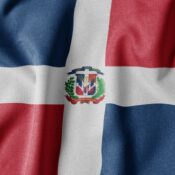
Families often display the Dominican flag from their balconies and cars. It is the only flag in the world that features a Bible at its center, open to the Gospel of John, chapter 8, verse 32: “And the truth shall make you free.”

Traditions and Food

No Dominican celebration is complete without a feast. Independence Day is a time for families to gather and enjoy traditional “bandera dominicana” (Dominican flag) lunch. This meal consists of the three staples that mirror the flag’s colors:

  • White rice
  • Red beans (habichuelas)
  • Stewed meat (usually chicken or beef)

You will also find plenty of Sancocho, a hearty stew made with various meats and root vegetables, served with avocado and white rice. It is the ultimate comfort food for a day of celebration.

Key Figures of Independence

When discussing February 27, three names are mentioned with reverence. They are known as Los Padres de la Patria (The Fathers of the Fatherland).

Juan Pablo Duarte

The intellectual architect of independence. Duarte’s liberal ideas and organizational skills built the foundation for the new nation. He spent much of the actual war in exile but remains the primary symbol of Dominican sovereignty.

Francisco del Rosario Sánchez

While Duarte was in exile, Sánchez took the lead. He was the one who raised the first Dominican flag at the Puerta del Conde. He was a man of action and a brilliant strategist.

Ramón Matías Mella

Known for his military bravery, Mella is the one who fired the trabucazo that signaled the start of the revolution. He was a key military leader who helped organize the defense of the newly proclaimed republic.

Their remains are housed today at the Altar de la Patria, a white marble mausoleum in Independence Park, Santo Domingo, right where the declaration of independence took place.

Celebrating from Abroad

You don’t have to be on the island to feel the pride of February 27. The Dominican diaspora is strong, particularly in the United States and Spain.

  • New York City: Washington Heights often sees unofficial celebrations, car caravans with flags, and cultural events throughout February.
  • Community Events: Look for local Dominican associations in your city. They often organize dinners, dances, or cultural presentations in late February.
  • Send Support: For many living abroad, this holiday is a reminder of family back home. It is a popular time to send money transfers (remittances) to help relatives prepare for the festivities or simply to share in the joy of the holiday.

Frequently Asked Questions

Is February 27 a safe time to visit the Dominican Republic?

Yes, it is generally safe, but it is also very busy. The parades draw massive crowds, especially in La Vega and Santo Domingo. If you attend Carnival, keep your valuables secure and be aware that the Diablos Cojuelos do use their whips/bladders to hit people in the crowd—it is part of the tradition, but it can be surprising for first-time visitors.

What is the difference between Independence Day and Restoration Day?

This is a common point of confusion.

  • Independence Day (Feb 27): Marks independence from Haiti in 1844.
  • Restoration Day (Aug 16): Marks the start of the war to restore independence from Spain in 1863, after the country had briefly returned to Spanish colonial rule. Both are major national holidays.

Do I need to buy tickets for Carnival?

Most street parades are free to watch from the sidewalk. However, in major carnival cities like La Vega, there are often VIP viewing platforms (caves) set up by sponsors or tour groups that require tickets or invitations. These offer a safe spot to watch, drinks, and protection from the vejigazos (hits from the bladders).

What colors should I wear?

You can’t go wrong with the colors of the flag: red, white, and blue.

A Legacy of Resilience

Dominican Independence Day 2026 is more than a date on the calendar. It is a testament to a people who have fought repeatedly for their right to exist as a sovereign nation. From the strategic brilliance of Duarte to the joy of the Carnival dancers in the street today, the message remains the same.

Whether you are enjoying a plate of sancocho in the Bronx or dodging a Diablo Cojuelo in La Vega, February 27 is a day to stand tall and proud.

February 24 is a date etched into the hearts of Estonians everywhere. It marks Eesti Vabariigi aastapäev, or Independence Day, a moment to pause and celebrate the resilience, culture, and spirit of this Baltic nation. Whether you are planning a trip to Tallinn, reconnecting with your heritage, or simply curious about global traditions, understanding this holiday offers a window into the Estonian soul.

In 2026, Estonia will commemorate the 108th anniversary of the Republic. It is a day filled with blue, black, and white flags, solemn ceremonies, and joyful family gatherings. This guide will walk you through the history behind the holiday, the traditions you can expect to see, and how you can participate in the festivities.

The History Behind February 24

To appreciate the celebrations, it helps to understand the journey to freedom. For centuries, the territory of Estonia was ruled by foreign powers, including Danes, Germans, Swedes, and Russians. The dream of a sovereign state began to take real shape during the “national awakening” of the late 19th century, fueled by poetry, music, and a growing sense of identity.

The pivotal moment arrived in 1918. Amid the chaos of World War I and the Russian Revolution, the Estonian Salvation Committee seized a brief window of opportunity. On February 23, the “Manifesto to the Peoples of Estonia” was read publicly from a theater balcony in Pärnu. The following day, February 24, 1918, the manifesto was published in Tallinn, declaring the Republic of Estonia an independent and democratic state.

Independence was not secured immediately. It required a hard-fought War of Independence against Soviet Russia and German forces, which ended in victory in 1920. Later, after decades of Soviet occupation starting in World War II, Estonia restored its independence on August 20, 1991. While August 20 is celebrated as the Day of Restoration of Independence, February 24 remains the primary national holiday—the birthday of the Republic.

How Independence Day is Celebrated

If you find yourself in Estonia on February 24, 2026, you will witness a blend of official state ceremonies and personal family traditions. The atmosphere is dignified yet festive.

Sunrise Flag Raising

The day traditionally begins before dawn. At sunrise, thousands of people gather at Toompea Castle in Tallinn. As the national anthem, Mu isamaa, mu õnn ja rõõm (My Fatherland, My Happiness and Joy), is played, the blue, black, and white flag is ceremonially hoisted atop the Pikk Hermann tower. This emotional moment symbolizes the endurance of the state. Similar ceremonies take place in town squares across the country.

The Military Parade

Later in the morning, the Estonian Defence Forces hold a grand parade. While usually hosted in Freedom Square (Vabaduse väljak) in Tallinn, the location sometimes rotates to other major cities to include the wider population. The parade showcases military units and equipment, often accompanied by allied forces from NATO, demonstrating solidarity and security.

The President’s Reception

The evening concludes with a highly anticipated event: the Presidential Reception. The President of Estonia hosts a festive concert and reception for guests of honor, including cultural figures, politicians, and civil servants. It is broadcast live on television, and families across the country gather to watch the concert, the handshake ceremony, and the formal ball. It is effectively the Estonian version of the Oscars red carpet, sparking conversations about fashion and recognition.

Practical Information for Visitors (2026)

If you are planning to visit Estonia for the 108th anniversary, here are a few practical tips to ensure a smooth experience.

  • Public Holiday Status: February 24 is a national public holiday. Most businesses, banks, and offices will be closed. However, many restaurants and cafes remain open to host celebratory meals.
  • Weather: Late February in Estonia is still winter. Expect cold temperatures, potentially snow, and short daylight hours. Dress in warm layers if you plan to attend the outdoor flag-raising or parade.
  • Public Transport: Buses and trams usually run on a Sunday schedule. Be aware that traffic in city centers may be rerouted during the parade.
  • Flags Everywhere: You will see the national flag on every residential and commercial building. It is a legal requirement to hoist the flag on Independence Day, creating a beautiful sea of tricolors across the cities.

Simple Ways to Celebrate Anywhere

You don’t have to be in Tallinn to mark the occasion. Estonians living abroad and friends of Estonia celebrate in their own ways.

  • Prepare a Traditional Meal: A classic Independence Day table often features kiluvõileib—a sprat sandwich on black rye bread with egg and green onions. Other favorites include potato salad and vastlakukkel (whipped cream buns), which are popular throughout February.
  • Watch the Broadcast: Estonian Public Broadcasting (ERR) typically streams the parade and the President’s reception online, allowing you to tune in from anywhere in the world.
  • Wear the Colors: Donning a scarf or pin in blue, black, and white is a simple gesture of solidarity and celebration.

Frequently Asked Questions

Is February 24 the only Independence Day in Estonia?

Estonia technically celebrates two independence-related holidays. February 24 marks the original declaration in 1918. August 20 is the Day of Restoration of Independence, marking the end of Soviet occupation in 1991. However, February 24 is considered the primary “birthday” of the nation.

What do the colors of the Estonian flag represent?

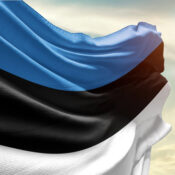
The tricolor flag is deeply symbolic. Blue represents the sky, the lakes, and the sea, as well as loyalty to national ideals. Black symbolizes the soil of the homeland and the dark past suffering of the people. White stands for the desire for enlightenment, virtue, and hope for the future.

Are shops and museums open on Independence Day?

Most major shopping centers and grocery stores remain open, often with reduced hours. However, smaller boutiques and most museums are closed. Some museums that focus on Estonian history, like the Estonian National Museum in Tartu or the Vabamu Museum of Occupations and Freedom in Tallinn, may have special hours or programs.

How old will the Republic of Estonia be in 2026?

In 2026, the Republic of Estonia will celebrate its 108th anniversary. The counting begins from the original declaration in 1918.

Is the event family-friendly?

Yes, absolutely. The morning flag-raising and the military parade are very popular with families. Children often wave small flags and enjoy seeing the marching bands and soldiers. Just remember to dress warmly!

Celebrating Resilience

Estonia Independence Day is more than just a date on the calendar. It is a testament to a small nation’s ability to survive and thrive against the odds. Whether you are eating a sprat sandwich in Tallinn or watching the blue, black, and white flag rise from afar, joining in the celebrations is a way to honor freedom and culture.

Every February, the island of Saint Lucia transforms into a vibrant sea of blue, gold, black, and white. Flags wave from porch railings, buildings light up in national colors, and the sound of calypso fills the air. It is a time of immense pride, reflection, and joy.

For Saint Lucians at home and across the diaspora, Independence Day is more than just a public holiday. It is a commemoration of the moment in 1979 when the island became an independent state within the Commonwealth of Nations, ending centuries of colonial rule. Whether you are planning a trip to witness the festivities firsthand, or you are a Saint Lucian living abroad looking to connect with your roots, understanding the significance of this day brings you closer to the heart of the island.

This guide covers everything you need to know about Saint Lucia Independence Day 2026, from the history behind the holiday to the events you can expect.

When is Saint Lucia Independence Day 2026?

Saint Lucia Independence Day is celebrated annually on February 22.

In 2026, February 22 falls on a Sunday. Because of this, the public holiday will be observed on Monday, February 23. This ensures that everyone on the island has the opportunity to participate in the celebrations and enjoy a day off to spend with family and friends.

Leading up to the main event, the entire month of February is usually dedicated to national pride. You will often see “National Colours Day” celebrated on February 21, where citizens and residents wear traditional madras or clothing in the flag’s colors to work and school.

The History of Independence

To truly appreciate the celebrations, it helps to understand the journey that led here. Saint Lucia has a complex history, often called the “Helen of the West” because it changed hands 14 times between the French and the British during the 17th and 18th centuries.

The island eventually became a British territory in 1814. For over 150 years, it remained under British rule. The path to self-governance began in the mid-20th century. In 1967, Saint Lucia became an Associated State of the United Kingdom, which gave the local government control over internal affairs while Britain retained responsibility for defense and foreign relations.

Finally, on February 22, 1979, Saint Lucia achieved full independence. Sir John Compton, often referred to as the “Father of the Nation,” became the first Prime Minister. This historic transition marked the birth of a sovereign nation, free to shape its own destiny while remaining a member of the Commonwealth.

How is Independence Day Celebrated?

The celebrations in Saint Lucia are not limited to a single day. The festivities typically span several weeks, creating an atmosphere of excitement that builds up to the 22nd. While the official theme for 2026 has not yet been announced, recent themes like “Douvan Ansanm” (Moving Forward Together) emphasize unity and resilience.

Here are some of the key events that traditionally define the celebration:

The Military Parade

On the morning of Independence Day, a grand military parade is usually held. This is a formal event featuring the Royal Saint Lucia Police Force, the Cadet Corps, and other uniformed groups. They march with precision, accompanied by marching bands, saluting the country’s leadership and the flag. It is a display of discipline and national pride that draws large crowds.

The National Ecumenical Service

Faith plays a central role in Saint Lucian society. An ecumenical service is held to give thanks and pray for the nation’s well-being. Leaders from various religious denominations come together to lead the country in prayer, reinforcing the spiritual foundation of the island.

Cultural Showcases and Rallies

Throughout the month, you can expect various cultural rallies. These events highlight the island’s rich heritage, blending African, French, and English influences. You might see traditional dances like the Quadrille, hear folk songs in Kwéyòl (Creole), and watch performances that tell the story of the island’s past.

The Best of Saint Lucian Cuisine

No celebration is complete without food. Independence Day is the perfect excuse to indulge in the island’s national dish, green figs and saltfish. Street vendors and restaurants serve up local favorites like bouyon (a hearty soup), accras (fish cakes), and cocoa tea. It is a time for families to gather for large meals, sharing food and stories.

National Colors Day

On the eve of Independence, or the Friday before, the island participates in National Colors Day. Offices, schools, and streets are awash in the colors of the flag:

  • Blue: Representing the sky and the sea.
  • Gold: Symbolizing the sunshine and prosperity.
  • Black and White: Representing the harmony between the races.

The Significance of the Flag

The Saint Lucian flag is a powerful symbol during independence celebrations. Designed by Sir Dunstan St. Omer, it is distinct and meaningful. The central feature is a stylized isosceles triangle representing the Pitons—the two famous volcanic mountains rising from the sea.

When you see the flag raised high on February 22, it is a reminder of the island’s beauty and the resilience of its people. The upward thrust of the triangles represents the aspirations of the Saint Lucian people to move forward and achieve greatness.

Celebrating from Abroad

There is a massive Saint Lucian diaspora living in the United States, the UK, Canada, and beyond. If you are away from home, you can still keep the spirit of independence alive.

  • Attend a Flag Raising Ceremony: Many Saint Lucian consulates and community groups organize flag-raising ceremonies in major cities like New York, London, and Toronto.
  • Cook a Traditional Meal: Gather friends or family and cook a pot of pelau or green figs and saltfish. Sharing food is one of the best ways to connect with culture.
  • Wear Your Colors: On February 22, wear blue, gold, black, and white. It is a simple gesture that shows your pride and connection to home.
  • Send Money Home: Many in the diaspora use this time to send financial support to family members back on the island to help them celebrate. Services like Remitly make this process simple and secure, ensuring your love reaches home safely.

Planning a Trip for Independence 2026

If you are thinking of visiting Saint Lucia for the 2026 celebrations, it is a fantastic time to go. The weather in February is typically warm and sunny, perfect for enjoying the beaches after the parades.

Travel Tips:

  • Book Early: February is peak travel season. Flights and hotels can fill up quickly, especially around the holiday weekend.
  • Check the Schedule: Keep an eye on the official government of Saint Lucia website or local news outlets for the specific schedule of events for 2026.
  • Rent a Car: To see the various rallies and events that might happen in different towns—from Castries to Vieux Fort—having a car gives you the freedom to explore.

Moving Forward Together

Independence Day is a time to look back at how far the nation has come, but it is also a time to look forward. Saint Lucia continues to grow, facing modern challenges with the same resilience that secured its freedom in 1979.

Whether you are waving a flag in Castries or toasting to the island from a snowy city abroad, the spirit of Saint Lucia connects us all. It is a celebration of a unique identity, a vibrant culture, and a hopeful future.

Frequently Asked Questions

Is February 22 always a public holiday in Saint Lucia?

Yes, February 22 is the official Independence Day. However, if the date falls on a Sunday (as it does in 2026), the public holiday is typically observed on the following Monday.

How old is Saint Lucia in 2026?

In 2026, Saint Lucia will celebrate its 47th Anniversary of Independence. The country gained independence on February 22, 1979.

What is the national dish of Saint Lucia?

The national dish is Green Figs and Saltfish. “Green figs” are actually green bananas, which are boiled and served with salted codfish that has been sautéed with vegetables and spices.

Who designed the Saint Lucian flag?

The flag was designed by the renowned Saint Lucian artist Sir Dunstan St. Omer.

Do I need a visa to visit Saint Lucia for Independence Day?

Entry requirements depend on your country of citizenship. Visitors from the US, UK, and Canada generally do not need a visa for short tourist stays, but you should always check the latest travel requirements before you book your trip.

Language is more than just a tool for communication. It is a vessel for culture, a carrier of history, and a fundamental part of who we are. For many of us living away from our home countries, speaking our mother tongue is the fastest way to feel connected to our roots. It brings back memories of family dinners, childhood stories, and the comfort of home.

On February 21, 2026, the world will observe International Mother Language Day. This day is a powerful reminder of the beauty held within the world’s diverse languages and the urgent need to protect them. Whether you speak a language spoken by millions or a dialect known only to a few thousand, your mother tongue matters.

This guide explores the history behind this significant day, why it is vital for education and identity, and how you can play a part in preserving your linguistic heritage for future generations.

The Origins of February 21

To understand the importance of this day, we must look back at the history that forged it. International Mother Language Day was not chosen at random. It honors a specific moment of courage and sacrifice in Bangladesh.

In 1952, students in Dhaka took to the streets to demand that their mother tongue, Bangla, be recognized as a state language. On February 21 of that year, lives were lost in defense of that right. It was a pivotal moment that showed the world that language is a human right worth fighting for.

Decades later, in November 1999, the General Conference of UNESCO (United Nations Educational, Scientific and Cultural Organization) officially proclaimed International Mother Language Day. The UN General Assembly welcomed this proclamation in 2002. Since then, it has been observed annually to promote linguistic and cultural diversity and multilingualism.

Why Mother Languages Matter

Our first language, often called our “mother tongue,” is the one we learn at home. It shapes how we think, how we dream, and how we understand the world around us.

The Foundation of Learning

Education is one of the most critical areas where language plays a role. Research consistently shows that children learn best when they are taught in a language they understand. It builds confidence, improves critical thinking, and leads to better academic outcomes.

However, a significant gap remains. According to UNESCO, 40% of the global population does not have access to an education in a language they speak or understand. When schools only teach in a dominant or foreign language, children can feel alienated and struggle to keep up. Promoting multilingual education is a step toward a more inclusive and equitable world.

Preserving Cultural Identity

Language is the DNA of culture. It holds the unique knowledge, traditions, and history of a people. When a language thrives, the culture thrives. It allows grandmothers to tell stories to their grandchildren and communities to maintain their unique way of looking at the world.

For those who have moved to new countries to build a better life, maintaining the mother tongue is an act of resilience. It ensures that heritage is not lost in assimilation but is instead added to the rich tapestry of the new community.

The Crisis of Disappearing Languages

While we celebrate diversity, we must also acknowledge a difficult truth: linguistic diversity is under threat.

Globalization means that dominant languages often overshadow smaller, regional ones. UNESCO estimates that there are around 7,000 languages spoken in the world today. Shockingly, at least 40% of these are endangered.

When a language disappears, it takes with it an entire intellectual and cultural heritage. We lose unique perspectives on nature, mathematics, and philosophy. We lose songs, poems, and distinct ways of expressing human emotion.

This reality makes International Mother Language Day 2026 even more urgent. We are currently in the midst of the International Decade of Indigenous Languages (2022–2032), a UN initiative dedicated to preserving, revitalizing, and promoting indigenous languages. This decade-long focus highlights that every language counts and that we must act now to stop the silence.

What to Expect for 2026

While the specific theme for 2026 will be finalized closer to the date, recent years provide a clear direction for where the global conversation is heading.

Themes in 2024 and 2025 focused heavily on multilingual education as a pillar of learning and intergenerational connection. We can expect 2026 to continue this trend, likely emphasizing the role of technology in preservation.

Digital tools are becoming vital for language survival. From apps that teach indigenous dialects to AI tools that can translate under-resourced languages, technology offers new hope. The goal is to ensure that no matter where you are born or where you move, your language has a place in the modern world.

How You Can Celebrate and Preserve Your Heritage

You do not need to be a linguist or a policymaker to make a difference. Preservation starts at home. Here are practical ways to celebrate International Mother Language Day 2026.

1. Speak it Proudly at Home

If you are raising children in a different country, speak your mother tongue to them. It is a gift that will connect them to their extended family and their cultural history. Don’t worry if they reply in the local language; the important part is that they hear and understand the sounds of their heritage.

2. Share Your Stories

Use your language to tell stories. Whether it is a bedtime folktale, a family recipe passed down verbally, or a song, these acts keep the language alive and relevant.

3. Support Local and Indigenous Art

Seek out music, films, and books in your native language or the languages of Indigenous peoples. Streaming services and online bookstores have made it easier than ever to find content outside of the mainstream. Supporting these artists proves there is a market and a future for diverse voices.

4. Use Technology

If you are trying to reconnect with a language you have lost, use language-learning apps. Many platforms now offer courses in lesser-spoken languages. Your interest helps drive demand for these resources.

5. Send a Message Home

For many, this day is a great excuse to call parents or grandparents and have a conversation purely in your mother tongue. It is a simple gesture that strengthens bonds and affirms your identity.

Frequently Asked Questions

When is International Mother Language Day?

It is observed annually on February 21.

Why was February 21 chosen for this date?

The date honors the students in Bangladesh who were killed on February 21, 1952, while demonstrating for the recognition of their mother tongue, Bangla. It pays tribute to the Language Movement and the universal right to speak one’s native language.

How many languages are there in the world?

Estimates vary, but UNESCO states there are approximately 7,000 languages spoken today.

What is the difference between a mother tongue and a second language?

Your mother tongue is generally the first language you are exposed to and learn at home during childhood. A second language is one learned later, often at school or for work.

Why are so many languages endangered?

Languages become endangered when they are no longer taught to children or used in daily life. This can happen due to external pressures to assimilate, lack of legal recognition, or the dominance of global languages in business and media.

Keeping Our Voices Alive

International Mother Language Day 2026 is an invitation to look inward at our own identities and outward at the rich diversity of our human family. It reminds us that every language is a unique archive of human experience.

By speaking, sharing, and valuing our mother tongues, we ensure that the wisdom of the past remains part of our future. No matter where life takes you, your language is a bridge that can always lead you back home.

Imagine a community where everyone has an equal shot at a good job, a safe home, and a healthy life. That is the core vision of social justice. While the world has made progress, many people still face barriers simply because of where they were born, their gender, or their economic background.

This is why the United Nations established the World Day of Social Justice. Observed annually on February 20, this day is a global reminder that we must work together to build a fairer world. It is a time for nations, organizations, and individuals to look at how we treat the most vulnerable among us.

Whether you are an advocate for human rights, a student learning about global economics, or someone working abroad to support family back home, this day is relevant to you. Understanding the history and purpose of this observance helps us see how far we have come and how much work is left to do.

What is World Day of Social Justice?

The World Day of Social Justice is an international observance recognized by the United Nations. It takes place every year on February 20.

The day is dedicated to promoting efforts that tackle big issues like poverty, exclusion, gender inequality, unemployment, and lack of social protections. The goal is to foster a “society for all,” where every individual has rights and opportunities, regardless of their background.

Governments and organizations use this day to discuss policies that can bridge the gap between the wealthy and the poor. It serves as a specific moment in the calendar to push for the values of fairness and solidarity on a global scale.

The History Behind the Day

The journey to establishing this day began with a recognition that economic growth alone isn’t enough to fix the world’s problems. You can have a wealthy country that still has many citizens living in poverty.

On November 26, 2007, the United Nations General Assembly adopted Resolution 62/10. This document officially declared that, starting from the sixty-third session of the General Assembly, February 20 would be celebrated annually as the World Day of Social Justice.

The resolution emphasized that social development and social justice are necessary for peace and security. Conversely, you cannot have social justice without peace. They are deeply connected.

A few months later, on June 10, 2008, the International Labour Organization (ILO) adopted the ILO Declaration on Social Justice for a Fair Globalization. This was a landmark moment. It expressed a modern vision for the ILO’s mandate, focusing on fair outcomes for all in our globalized economy. It reaffirmed that labor rights and fair employment are central to human dignity.

Why Social Justice Matters in 2026

You might ask why we still need a specific day for this in 2026. The answer lies in the data. Despite technological advancements, inequality remains a stubborn challenge.

According to the “World Employment and Social Outlook: Trends 2025” report by the ILO, the global economy is showing signs of slowing down. This makes it harder for labor markets to recover fully from recent global crises.

Here are a few key statistics that highlight why this work is urgent:

  • Unemployment remains steady but concerning: In 2024, the global unemployment rate was roughly 5 percent. While this seems stable, it hides deeper issues.
  • Youth struggle to find work: Young people face much higher hurdles. The youth unemployment rate hovered around 12.6 percent in 2024, showing little improvement.
  • Quality of jobs is declining: Perhaps most worrying is that informal work and working poverty have returned to pre-pandemic levels. This means even people who do have jobs often aren’t making enough to live securely or lack basic safety nets.

These numbers show that “having a job” isn’t always enough. The fight for social justice is also a fight for decent work—jobs that provide safety, dignity, and a fair wage.

Themes of Social Justice

Every year, the World Day of Social Justice focuses on a specific theme relevant to current global challenges. While the specific theme for 2026 is typically announced closer to the date, looking at recent years gives us a clear indication of the priorities.

For example, the 2025 theme was “Strengthening a Just Transition for a Sustainable Future.” This highlighted the need to move toward green, low-carbon economies without leaving workers behind. It focused on ensuring that as industries change to save the planet, the people working in those industries are retrained and protected.

We can expect the 2026 observance to continue addressing these intersections:

  • Digital Transformation: How artificial intelligence and remote work affect labor rights.
  • Migration: Ensuring fair treatment for the millions of people who move across borders for work.
  • Inequality: Bridging the gap between high-income and low-income nations.

The Role of the Global Coalition for Social Justice

Progress requires teamwork. In late 2023, the ILO Governing Body endorsed the creation of the Global Coalition for Social Justice. This is a growing initiative aimed at increasing cooperation between governments, businesses, and workers’ organizations.

As of February 2024, this coalition had already gathered 141 members. Their goal is to create greater policy coherence. This means making sure that trade deals, economic policies, and human rights laws all work together rather than contradicting each other. It is a practical step toward making the ideals of February 20 a reality.

How You Can Observe the Day

Social justice isn’t just for politicians and diplomats. There are simple ways you can participate and make a difference in your own community.

1. Educate Yourself and Others

Use this day to learn about the challenges facing people in your community and around the world. Read reports from the UN or ILO, or simply look for verified news stories about labor rights. Sharing accurate information is a powerful way to combat prejudice.

2. Support Ethical Businesses

Your money has power. Try to buy products from companies that treat their workers fairly. Look for Fair Trade certifications on coffee, chocolate, and clothing. When you support ethical businesses, you vote for decent work with your wallet.

3. Advocate for Inclusive Policies

If you are a business owner or a manager, look at your own hiring practices. Are they inclusive? do you offer equal pay for equal work? Small changes in local businesses add up to global shifts.

4. Listen to Vulnerable Voices

Pay attention to the stories of those often left on the margins—migrants, people with disabilities, and the elderly. Understanding their specific hurdles is the first step toward removing them.

A Vision for a Fairer Future

The World Day of Social Justice is more than just a date on the calendar. It is a call to action. It reminds us that poverty and inequality are not inevitable; they are problems we can solve with the right focus and effort.

From the halls of the United Nations to the decisions we make in our daily lives, every action toward fairness counts. As we approach February 20, 2026, let us recommit to the idea that a stable, peaceful world is built on the foundation of justice for everyone.

Frequently Asked Questions

When is World Day of Social Justice 2026?

World Day of Social Justice is observed annually on February 20. In 2026, this falls on a Friday.

What is the theme for World Day of Social Justice 2026?

The specific theme for 2026 is usually announced by the United Nations closer to the date. Recent themes have focused on “Just Transitions” regarding climate change, the digital economy, and removing barriers to social justice.

Who established the World Day of Social Justice?

The day was established by the United Nations General Assembly. They adopted Resolution 62/10 on November 26, 2007, declaring that the day would be observed annually starting in 2009.

Why is social justice important for the economy?

Social justice and economic growth support each other. The UN recognizes that you cannot have sustained economic growth without social justice, and vice versa. When workers are treated fairly and paid decent wages, economies are more stable and less prone to crisis.

What is “decent work”?

“Decent work” is a concept championed by the ILO. It sums up the aspirations people have for their working lives. It involves opportunities for work that is productive and delivers a fair income, security in the workplace, social protection for families, and freedom for people to express their concerns and organize.

For many living in the Gulf, late February marks a special time of reflection and joy. Kuwait National Day is more than just a public holiday; it is a vibrant celebration of sovereignty, resilience, and unity.

If you are planning to visit Kuwait or have loved ones there, understanding the significance of this day helps you connect deeper with the local culture. The holiday commemorates the accession of Sheikh Abdullah Al-Salem Al-Sabah, a pivotal leader who guided the nation toward modern statehood. It is a time when the streets of Kuwait City glow with lights, and families gather to honor their heritage.

Looking ahead to 2026, planning your celebrations or travel early is always a good idea. Knowing exactly when the holiday falls and what to expect can ensure you make the most of the festivities. Whether you are sending money home to family for the celebration or planning a trip to experience the fireworks firsthand, being prepared brings peace of mind.

This guide covers everything you need to know about Kuwait National Day 2026, from the confirmed dates to the historical events that made this day possible.

When is Kuwait National Day 2026?

In 2026, Kuwait National Day falls on Wednesday, February 25.

This holiday is traditionally followed immediately by Liberation Day on Thursday, February 26. Because these two holidays fall on a Wednesday and Thursday, it is likely that the public sector and many private businesses will enjoy a long weekend, potentially extending into the Friday weekend break.

While official announcements regarding specific days off for public and private sectors usually come closer to the date from the Kuwaiti government, you can generally expect banks, government offices, and many businesses to be closed on these dates.

A History of Independence and Leadership

To truly appreciate the festivities, it helps to look back at the history behind the date.

Why February 25th?

You might be surprised to learn that Kuwait actually gained full independence from Britain on June 19, 1961. In the early years, the National Day holiday was celebrated on this date. However, the scorching desert heat of June made outdoor celebrations difficult.

In 1963, a decision was made to move the official celebration to February 25. This date honors the accession of Sheikh Abdullah Al-Salem Al-Sabah, who became the Emir in 1950. Sheikh Abdullah is revered as a founding father of modern Kuwait. He negotiated the end of the 1899 protectorate treaty with Britain and established the country’s constitution, setting the foundation for the democratic institutions Kuwait has today.

The Significance of Liberation Day

The festivities on February 25 naturally flow into February 26, which marks Liberation Day. This day commemorates the end of the Gulf War in 1991, when coalition forces liberated Kuwait from Iraqi occupation after seven months of conflict.

Together, these two days form a powerful narrative of freedom: one representing the birth of the modern state, and the other its survival and resilience against aggression.

How Kuwait Celebrates

If you are in Kuwait during late February, you will witness a transformation of the country. The atmosphere is electric, filled with pride and community spirit.

Decorations and Lights

Weeks before the actual date, buildings, shopping malls, and private homes are draped in the colors of the Kuwaiti flag—black, green, white, and red. The Kuwait Towers, the country’s most famous landmark, are often illuminated in spectacular light displays.

Public Gatherings and Fireworks

The Gulf Road, a scenic coastal strip, becomes the heart of the action. People drive their cars decorated with flags, honking horns in rhythm and spraying foam—a playful local tradition. In the evening, massive firework displays light up the sky, drawing crowds from all over the region.

Traditional Music and Food

You will hear traditional Kuwaiti folk music playing in public spaces, often accompanied by the Arda, a traditional sword dance performed by men. Hospitality is central to Kuwaiti culture, so expect plenty of food sharing, with traditional dishes like Machboos (spiced rice with meat) being enjoyed at family gatherings.

Frequently Asked Questions

Is Kuwait National Day the same as Independence Day?

Yes and no. While it celebrates the nation’s independence, the date (February 25) actually marks the accession of Sheikh Abdullah Al-Salem Al-Sabah. The actual date of independence was June 19, 1961, but the holiday was moved to February to allow for cooler weather during celebrations.

Will banks and money transfer services be open?

Most banks and government offices in Kuwait will be closed on February 25 and 26. If you need to send money to Kuwait during this time, we recommend using online services or mobile apps like Remitly, which operate 24/7, ensuring your funds arrive even when physical branches are closed.

Is it safe to travel to Kuwait during National Day?

Yes, it is generally safe and very welcoming. However, be prepared for heavy traffic, particularly on the Gulf Road and around major malls. It is a busy, high-energy time, so plan your movements accordingly.

What are the colors of the Kuwaiti flag?

The flag features four colors:

  • Green: Our lands
  • White: Our deeds
  • Red: Our swords (symbolizing power and sacrifice)
  • Black: Our battles

Do businesses close for the entire week?

Typically, the public holiday lasts for two days (National Day and Liberation Day). However, depending on where these dates fall in the week, the government may declare a bridge holiday to connect it with the weekend. In 2026, with the holidays on Wednesday and Thursday, a long weekend is very likely.

Looking Forward

Kuwait National Day 2026 promises to be another spirited celebration of history and hope. Whether you are Kuwaiti, an expat living in the region, or simply an admirer of Gulf culture, this holiday offers a unique window into the heart of the nation.

Planning ahead—whether for travel, gifts, or financial transfers—ensures you can relax and enjoy the occasion. It is a moment to appreciate resilience, honor the past, and look forward to a prosperous future.

The Gambia, often called “The Smiling Coast of Africa,” has a rich history of resilience and culture. Every year on February 18, Gambians at home and abroad come together to celebrate their nation’s freedom and sovereignty.

This public holiday marks the day The Gambia gained full independence from the United Kingdom in 1965. It is a time for reflection, national pride, and vibrant festivities. Whether you are planning to visit The Gambia or celebrating from afar, understanding the significance of this day adds depth to the experience.

Here is everything you need to know about Gambia Independence Day 2026, including its history, how it is celebrated, and what you can expect on this historic anniversary.

The History of Independence

The road to freedom for The Gambia was long but peaceful. The country had been a British colony and protectorate for centuries, with its borders defined by the path of the Gambia River. By the 1960s, the push for self-governance across Africa was gaining momentum, and The Gambia was no exception.

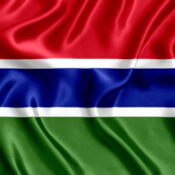
On February 18, 1965, the Union Jack was lowered, and the red, blue, green, and white flag of The Gambia was raised for the first time. The country initially became a constitutional monarchy within the Commonwealth, with Queen Elizabeth II as the head of state. Five years later, in 1970, The Gambia became a republic.

This transition was led by Sir Dawda Kairaba Jawara, who became the first Prime Minister and later the first President. His leadership helped establish a foundation of stability that the country continues to build upon today.

When is Gambia Independence Day 2026?

Gambia Independence Day is celebrated annually on February 18.

In 2026, the holiday falls on a Wednesday.

Because it is a public holiday, government offices, schools, and many businesses will be closed. This allows citizens to fully participate in the parades and festivities that take place throughout the country.

How Independence Day is Celebrated

Celebrations in The Gambia are colorful, energetic, and deeply patriotic. While the official events take place in the capital city of Banjul, the spirit of independence is felt in every town and village.

The Official Parade at McCarthy Square

The main event is traditionally held at McCarthy Square in Banjul. This formal ceremony is attended by the President, government officials, diplomats, and religious leaders.

A highlight of the day is the “March Past,” where schoolchildren, teachers, security forces, and voluntary organizations parade in front of the President. It is a moment of immense pride for students, who practice for weeks to perfect their marching.

Cultural Performances and Festivities

After the formal ceremonies, the atmosphere turns festive. You will see cultural troupes performing traditional dances and music, showcasing the diversity of The Gambia’s ethnic groups. From the rhythmic drums of the Mandinka to the elegant costumes of the Wolof, the celebrations highlight the unity of the nation.

In 2026, as the country marks its 61st year of independence, you can expect even more vibrant displays of culture. Local communities often organize football matches, street parties, and family feasts.

Celebrating with Food

No Gambian celebration is complete without delicious food. Families gather to share meals like Benachin (Jollof rice) and Domoda (peanut stew). These dishes are often cooked in large pots and shared with neighbors and visitors, reflecting the warm hospitality the country is famous for.

Exploring The Gambia During the Holiday

If you are visiting The Gambia in February, the weather is typically warm and dry, making it an excellent time to explore.

Visit the National Museum

Located in Banjul, the National Museum offers a deep dive into the country’s history. You can see artifacts from the colonial era, traditional instruments, and photographs documenting the struggle for independence.

Arch 22

This massive gateway at the entrance to Banjul was built to commemorate the military coup of 1994, but it also offers one of the best views of the city. On Independence Day, the area around the arch is often bustling with activity.

Kunta Kinteh Island

For a sobering but essential look at the region’s history, a trip to Kunta Kinteh Island (formerly James Island) is recommended. This UNESCO World Heritage site was a key post during the transatlantic slave trade and serves as a powerful reminder of the resilience of the Gambian people.

Why This Day Matters for the Diaspora

For Gambians living abroad, Independence Day is a vital link to their heritage. It is a day to wear traditional attire, cook Gambian food, and teach younger generations about their history.

Remittance services play a crucial role during this time. Many in the diaspora send money home to help family members prepare feasts or buy new clothes for the celebrations. It is a way to participate in the joy of the holiday, even from thousands of miles away.

Frequently Asked Questions

Is February 18 a public holiday in The Gambia?

Yes, February 18 is a statutory public holiday in The Gambia. Government offices, banks, and schools are closed to allow for national celebrations.

How old is The Gambia in 2026?

In 2026, The Gambia will celebrate its 61st anniversary of independence. The country gained independence from Britain in 1965.

What is the capital city of The Gambia?

The capital city is Banjul. It is the center of government and the location for the main Independence Day parade at McCarthy Square.

What do the colors of the Gambian flag represent?

The flag features four colors:

  • Red: Represents the sun and the savannah.
  • Blue: Represents the Gambia River, which runs through the country.
  • Green: Represents the land, forests, and agriculture.
  • White: Represents peace and unity.

Can tourists participate in the celebrations?

Absolutely. The Gambia is known for its hospitality. Tourists are welcome to watch the parades, attend cultural events, and enjoy the local food. It is a fantastic way to experience the local culture firsthand.

Celebrating Unity and Progress

Gambia Independence Day 2026 is more than just a date on the calendar. It is a celebration of freedom, culture, and the enduring spirit of the Gambian people.

Whether you are marching in Banjul, sharing a bowl of Benachin with family, or sending support from abroad, this day is a reminder of how far the nation has come. As The Gambia looks toward the future, the values of peace and unity remain at the heart of its identity.

We all know the feeling of a bad day turning around because of a small gesture. Maybe a stranger held the door for you, or a coworker brought you a coffee when you were stressed. These moments remind us that we are connected.

Random Acts of Kindness Day is a special time dedicated to celebrating these moments. It encourages us to step out of our daily routine and do something good for others without expecting anything in return.

In 2026, this celebration falls on Tuesday, February 17. It is the perfect opportunity to spread positivity in your community, workplace, or school. Whether you plan a big event or just do one small thing, your actions can have a ripple effect.

This guide covers everything you need to know about the day. You will learn about its history, why it matters, and find simple ways to get involved.

When is Random Acts of Kindness Day 2026?

Mark your calendars for Tuesday, February 17, 2026.

This day is part of a larger celebration known as Random Acts of Kindness Week, which runs from February 15 to February 21, 2026. While the main celebration happens on Tuesday, many people choose to perform one act of kindness each day of the week to build a lasting habit.

The Story Behind the Movement

The idea of practicing kindness anonymously has been around for a long time, but the specific phrase “random acts of kindness” has a clear origin. It began in 1982 in Sausalito, California. A writer named Anne Herbert scrawled the words “Practice random acts of kindness and senseless acts of beauty” on a placemat in a restaurant.

Her words sparked a movement that spread across the country. In 1995, the Random Acts of Kindness Foundation was established to help organize efforts and provide resources. Based in Denver, Colorado, the foundation works with a clear mission: Make kindness the norm.

Since then, the celebration has grown into a global event. Schools, businesses, and individuals now use this day to focus on generosity and community connection.

Why Kindness Matters

Being kind helps the person you help, but it also helps you. Research supported by the Random Acts of Kindness Foundation suggests that being kind can boost your own well-being.

When you do something nice for someone else, your brain releases “feel-good” chemicals like oxytocin and dopamine. This is sometimes called the “helper’s high.” It can lower stress levels and make you feel happier.

Beyond the science, kindness builds trust. When we look out for each other, our neighborhoods and workplaces feel safer and more welcoming. It reminds us that we are all on the same team.

5 Simple Ways to Celebrate

You do not need a lot of money or time to participate. The best acts of kindness are often free and spontaneous. Here are five simple ideas you can use on February 17, 2026.

1. The “Coffee Chain”

If you are buying your morning coffee, offer to pay for the person in line behind you. It is a classic gesture that often inspires the next person to do the same.

2. Send a Positive Note

In our digital world, a handwritten note stands out. Write a quick thank-you card to a teacher, a nurse, or a mail carrier. If you are at work, leave a sticky note with a compliment on a colleague’s desk.

3. Let Someone Go First

Traffic and grocery store lines can be frustrating. If you notice someone in a rush or with only a few items, wave them ahead of you. It costs you only a minute but can lower their stress significantly.

4. Support Your Neighbors

Do you have an elderly neighbor or someone with young kids living next door? Offer to take their trash bins to the curb or shovel their walkway if it snows. These practical acts of service are incredibly helpful.

5. Leave a Glowing Review

Small businesses rely on word-of-mouth. Take five minutes to go online and write a positive review for a local shop or restaurant you love. Mention a specific employee who helped you.

Bringing Kindness to Work and School

Celebrating as a group can be very powerful. If you are a teacher or a team leader, here are a few structured ways to get everyone involved during Random Acts of Kindness Week (Feb 15–21).

  • Kindness Bingo: The Random Acts of Kindness Foundation offers printable Bingo cards. Squares include tasks like “High-five a friend” or “Pick up litter.”
  • The “Tag” Game: Leave a small treat or note on someone’s desk with a card that says “You’ve been tagged! Now it’s your turn.” This keeps the kindness moving forward.
  • Start a Compliment Circle: Dedicate the first 10 minutes of a meeting or class to sharing gratitude. Ask everyone to say one nice thing about the person sitting to their right.

Frequently Asked Questions

Is Random Acts of Kindness Day a national holiday?

It is an awareness day rather than a federal holiday. Banks, schools, and government offices remain open. However, it is widely recognized and celebrated by organizations across the country.

Is there a difference between Random Acts of Kindness Day and World Kindness Day?

Yes. Random Acts of Kindness Day is celebrated in February (mostly in North America). World Kindness Day is a separate international observance that takes place on November 13.

Where can I find resources for my classroom?

The Random Acts of Kindness Foundation website provides free lesson plans, calendars, and posters specifically designed for educators.

Do I have to spend money to participate?

Absolutely not. Words of encouragement, helping with chores, or simply listening to a friend are all valuable acts of kindness that cost nothing.

Make Kindness a Daily Habit

Random Acts of Kindness Day 2026 is a great reminder to pause and look outward. But we don’t have to wait for February 17 to start.

Kindness is like a muscle. The more we use it, the stronger it gets. By making small, intentional choices to be generous and patient today, you help create the kind of world we all want to live in.

So, look around you. Who needs a smile, a hand, or a kind word? You might be surprised at how much power you have to brighten someone’s day.

If you are planning a trip to the Balkans or simply want to understand one of Europe’s youngest celebrations, mark your calendar for February 17, 2026. Kosovo Independence Day isn’t just a date on the calendar; it is a vivid reminder of resilience, identity, and the forging of a new nation.

For the people of Kosovo, this day represents the culmination of decades of struggle and the beginning of a sovereign future. Whether you are a member of the diaspora looking to reconnect with your roots or a traveler curious about Balkan history, understanding the significance of this holiday offers a deeper appreciation for the region.

In this guide, we will walk you through the history behind the date, what to expect if you visit during the celebrations, and how the country marks its most important national holiday.

The History Behind February 17

To understand why this day is celebrated with such fervor, we have to look back at the events of 2008. On a Sunday afternoon, February 17, the Assembly of Kosovo convened in an extraordinary session in Pristina. It was here that they declared Kosovo to be an independent and sovereign state, formally separating from Serbia.

This declaration was the final step in a long and often painful process involving the breakup of Yugoslavia, a brutal war in the late 1990s, and years of United Nations administration. The move was bold and controversial, sparking immediate celebrations in the streets of Pristina while drawing sharp criticism from Belgrade and its allies.

Today, over 100 United Nations member states recognize Kosovo’s independence. While political complexities remain, February 17 stands as the defining moment of modern Kosovar identity—a day when the country officially charted its own course.

When Is Kosovo Independence Day 2026?

In 2026, Kosovo Independence Day falls on a Tuesday.

Since it is a public holiday, you can expect government offices, schools, and many businesses to be closed. However, the hospitality sector—cafes, restaurants, and hotels—will likely be busier than ever, as locals and visitors alike head out to celebrate.

If you are planning to visit, arriving a few days early is a good idea. The festivities often stretch into a “week of independence,” with concerts and cultural events leading up to the main day.

How Kosovo Celebrates Independence

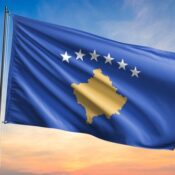
The atmosphere in Kosovo on Independence Day is electric. The country is bathed in blue and yellow—the colors of the national flag—alongside the red and black of the Albanian flag, reflecting the ethnic heritage of the majority population.

The NEWBORN Monument Tradition

The centerpiece of the celebration in the capital city, Pristina, is the NEWBORN monument. Unveiled on the very first Independence Day in 2008, this typographic sculpture is repainted every year on February 17 to reflect a different theme.

The unveiling of the new design is a major event. Past themes have highlighted environmental issues, women’s rights, and global solidarity. It is a powerful artistic statement that keeps the spirit of the revolution fresh and relevant.

Parades and Official Ceremonies

The day typically begins with the raising of the flag and tributes to national heroes, particularly Adem Jashari and Ibrahim Rugova. The Kosovo Security Force often holds a parade, marching through the main boulevards of Pristina. This display is a source of immense pride for the citizens, symbolizing the country’s ability to protect and govern itself.

Concerts and Street Festivals

Once the formal ceremonies wrap up, the party begins. Mother Teresa Boulevard in Pristina becomes a pedestrian sea of people. You will find free open-air concerts featuring pop stars and folk musicians. The energy is youthful and optimistic—fitting for a country with one of the youngest populations in Europe.

Fireworks are a staple of the evening. As night falls, the sky over Pristina and other major cities lights up, capping off the celebrations.

Celebrating Beyond the Capital

While Pristina hosts the largest events, the spirit of independence is felt across the country.

  • Prizren: Known as the cultural capital, Prizren offers a more traditional take on the holiday. The cobblestone streets and the historic fortress provide a stunning backdrop for folk dancing and music.
  • Peja: Located near the Rugova mountains, Peja combines outdoor beauty with patriotic celebration. It is a great spot if you prefer a slightly quieter but still festive environment.
  • Gjakova: This city is famous for its Grand Bazaar, which comes alive with decorations and local artisans selling their crafts.

Travel Tips for Independence Day 2026

Visiting Kosovo during this holiday is a rewarding experience, but it requires a little planning.

Book Accommodation Early: Pristina is not a massive city, and hotels fill up quickly with diplomats, diaspora returning home, and tourists. Try to secure your room at least two months in advance.

Cash is King: While credit cards are widely accepted in bigger establishments, smaller shops and street vendors will prefer cash. The currency in Kosovo is the Euro (€), making it convenient for travelers from the Eurozone.

Respect the Context: While it is a day of joy for the majority, it is important to remember that the political situation is nuanced. In Serb-majority municipalities, this day is generally not celebrated. As a visitor, it is always best to be respectful and mindful of local sentiments depending on where you travel within the country.

Why This Holiday Matters

Kosovo Independence Day is more than just a day off work. It is a testament to survival. For many families, it honors the sacrifices made during the war and the years of rebuilding that followed.

When you see the blue and yellow flag waving, you are seeing a symbol of a people who refused to give up on their right to self-determination. Participating in or witnessing these celebrations offers a unique glimpse into the heart of a nation that is still writing its first chapters.

Frequently Asked Questions

Is Kosovo safe for tourists during Independence Day?

Yes, Kosovo is generally very safe for tourists. Independence Day is a happy and celebratory occasion. As with any large public gathering, it is smart to keep an eye on your belongings in crowded areas, but the atmosphere is typically welcoming and peaceful.

Do I need a visa to visit Kosovo?

Citizens of the US, EU, UK, Canada, and many other countries can enter Kosovo visa-free for up to 90 days. However, entry requirements can change, so it is always best to check the latest advice from your country’s foreign ministry before you fly.

What is the currency used in Kosovo?

Kosovo uses the Euro (€) as its official currency.

Can I travel to Serbia after visiting Kosovo?

This can be tricky due to the political dispute. If you enter Kosovo directly from a third country (like flying into Pristina), Serbian border guards may deny you entry into Serbia because you don’t have a Serbian entry stamp. It is generally smoother to enter Serbia first, then travel to Kosovo, or travel to Serbia via a third country (like North Macedonia or Montenegro) after visiting Kosovo.

What food should I try while there?

You absolutely must try flija (a layered pancake dish), qebapa (grilled meat links), and the famous peppers with cream (speca me maz). The coffee culture is also huge, so don’t skip a macchiato in one of the many cafes.

Celebrating a Young Nation

Kosovo Independence Day 2026 promises to be a vibrant celebration of a country that has fought hard for its place on the map. It is a day of remembering the past while looking firmly toward the future.

Whether you are there to witness the new design of the NEWBORN monument, enjoy the music in the streets, or simply learn about the history, you will be welcomed with the warmth and hospitality the Balkans are known for.

Mark your calendars now because Valentine’s Day 2026 is shaping up to be one of the busiest romantic holidays in years. In 2026, February 14 falls on a Saturday. This weekend timing changes how people celebrate, offering more time for travel, dining out, and spending quality moments with loved ones without the pressure of a workday the next morning.

While the date is fixed, the way we celebrate continues to evolve. Whether you are planning a grand romantic gesture, organizing a fun gathering with friends, or simply treating yourself, having the right information can make the day less stressful and more enjoyable. We understand that holidays can sometimes feel overwhelming, especially when trying to balance expectations with a budget.

This guide covers everything you need to know about Valentine’s Day 2026. We will look at the significance of the Saturday date, explore spending trends based on the latest data, and offer simple, inclusive ideas for celebrating all the meaningful relationships in your life.

When is Valentine’s Day 2026?

Valentine’s Day is always observed on February 14. In 2026, this date falls on a Saturday.

Having the holiday land on a weekend is significant for several reasons. Unlike weekday celebrations, where plans are often squeezed in after work hours, a Saturday Valentine’s Day allows for all-day celebrations. It opens the door for weekend getaways, brunch dates, or simply a relaxed morning without the rush of a commute.

However, the Saturday date also means higher demand for reservations. Restaurants, theaters, and travel destinations will likely be busier than usual. If you plan to dine out or travel, booking well in advance—likely months ahead—will be essential to secure your spot.

Spending Trends: What to Expect

Understanding how others celebrate can help you plan your own budget. According to the National Retail Federation (NRF), spending on Valentine’s Day has seen a steady increase. In 2025, consumer spending reached a record $27.5 billion.

While we don’t have the final numbers for 2026 yet, the 2025 data gives us a clear picture of what to expect. The average person spent approximately $188.81 on the holiday. Here is a simple breakdown of where that money typically goes:

  • Jewelry: This category consistently sees the highest total spending ($6.5 billion in 2025).
  • Evening Out: With the 2026 holiday on a Saturday, spending on experiences like dinners or shows ($5.4 billion in 2025) is expected to remain high.
  • Flowers and Candy: These remain the most popular gifts by volume. In 2025, 56% of shoppers bought candy and 40% bought flowers.
  • Greeting Cards: A classic choice, with 40% of consumers purchasing a card.

It is helpful to remember that these are just averages. There is no “right” amount to spend. The most meaningful celebrations often focus on thoughtfulness rather than the price tag.

Celebrating All Types of Love

Valentine’s Day has grown beyond just romantic love. It is a day to appreciate the various connections that bring value to our lives.

Significant Others

For romantic partners, the Saturday timing suggests a shift toward experiences. Instead of a hurried dinner, you might consider:

  • A weekend road trip to a nearby town.
  • A cooking class or workshop you can do together.
  • A staycation with a focus on relaxation.

Family and Friends

Recent trends show that more people are buying gifts for friends and family. Spending on family members reached $4.3 billion in 2025.

  • Galentine’s Day: Celebrated on February 13 (which will be a Friday in 2026), this is a dedicated time to celebrate female friendships.
  • Family Dinners: Since the 14th is a Saturday, it is a perfect opportunity for a family meal or movie night.

Pets

We cannot forget our furry companions. In 2025, nearly one-third (32%) of consumers planned to purchase gifts for their pets. A simple new toy or a special treat is a great way to include them in the festivities.

Self-Love

You do not need a partner to celebrate. Roughly 28% of those not celebrating a traditional Valentine’s Day still plan to mark the occasion. Treating yourself to a spa day, buying a wish-list item, or enjoying a quiet evening at home are valid and popular ways to participate.

Budget-Friendly Tips for the Weekend

Because Valentine’s Day 2026 is on a weekend, costs for dining and entertainment may be higher due to “holiday pricing.” Here are a few ways to manage costs while still having a wonderful time.

Celebrate on an Alternate Date

Restaurants will be packed on Saturday, February 14. Consider celebrating on Friday the 13th or Sunday the 15th. You will likely find better availability and potentially lower prices.

The Power of a Hand-Written Note

Greeting cards remain a top gift for a reason. Taking the time to write a sincere message is often more cherished than an expensive store-bought item. It costs very little but carries high emotional value.

Cook a Special Meal at Home

Avoid the crowds entirely by cooking a nice meal at home. You can buy premium ingredients for a fraction of the cost of a restaurant menu. Since it is a Saturday, you have the whole afternoon to prepare without stress.

Planning Timeline for 2026

To ensure a smooth celebration, we recommend the following simple timeline:

  • January 2026: Start discussing plans with your partner or friends. If you plan to travel or dine at a popular spot, make reservations now.
  • Early February 2026: Order gifts online to ensure they arrive on time. Shipping delays can happen, so give yourself a buffer.
  • Week of February 9, 2026: Buy cards, wrapping paper, and non-perishable items like chocolates.
  • February 13-14, 2026: Buy fresh flowers locally to ensure they look their best.

Frequently Asked Questions

Is Valentine’s Day a public holiday?

No, Valentine’s Day is not a federal public holiday in the United States. Government offices, schools, and banks remain open (though in 2026, they will be closed regardless because it falls on a Saturday).

Why is Valentine’s Day celebrated on February 14?

The holiday’s origins are linked to Saint Valentine of Rome, a figure believed to have been martyred in the 3rd century. Over time, the day became associated with romantic love, famously helped by writers like Geoffrey Chaucer in the Middle Ages.

What is the most popular gift for Valentine’s Day?

In terms of the number of people buying them, candy is the most popular gift, followed by greeting cards and flowers. However, in terms of total dollars spent, jewelry tops the list.

Do I have to buy a gift?

Absolutely not. Participation is voluntary. Many people choose to opt out of commercial gifting and prefer spending quality time together or exchanging handwritten letters.

What if I am single on Valentine’s Day?

You are in good company. Millions of people are single on Valentine’s Day. It is a great day to focus on self-care, hang out with friends, or simply treat it like any other Saturday.

Making the Most of the Weekend

Valentine’s Day 2026 offers a unique opportunity to slow down and enjoy the company of those you care about. Because it falls on a Saturday, the rush that usually accompanies a mid-week holiday disappears, leaving room for relaxation and connection.

Whether you plan to spend the national average of $188 or spend nothing at all, the goal remains the same: to acknowledge the people who make your life better. With a little planning and a clear budget, you can look forward to a stress-free and memorable weekend.

You might think of the radio as a simple box in your kitchen or a button on your car dashboard. Yet, for over a century, it has been one of the most powerful tools for bringing people together. Whether you are listening to breaking news, a hit song, or a community story from halfway across the world, radio creates a shared experience that few other mediums can match.

On February 13, 2026, the world will come together to celebrate World Radio Day. This isn’t just a day to look back at the history of broadcasting. It is a day to look forward. The landscape of audio is changing rapidly, and new technologies are reshaping how we produce and consume content.

This year, the focus is on a topic that is transforming every industry: Artificial Intelligence. However, the message from organizers is clear and reassuring. Technology is here to help broadcasters, not to replace the human connection that makes radio so special.

In this guide, we will explore the theme for 2026, the history behind this global event, and how you can participate in the celebration.

The 2026 theme: Radio and Artificial Intelligence

Every year, UNESCO selects a specific theme to guide the celebrations and discussions surrounding World Radio Day. For 2026, the theme is “Radio and Artificial Intelligence.”

At first glance, mixing a traditional medium like radio with advanced AI might seem contradictory. Radio is often loved for its raw, human quality—the crackle of a voice, the pause before a difficult question, or the laughter between hosts. AI, on the other hand, is built on data and algorithms.

However, the 2026 theme emphasizes a crucial distinction: AI is a tool, not a voice.

The goal is not to hand over the microphone to robots. Instead, the focus is on how ethical and responsible use of AI can support human creativity. UNESCO notes that while technology can innovate, it cannot build trust on its own. Trust is built by the broadcasters who serve their communities. When used correctly, AI can deepen the bond between a station and its listeners rather than breaking it.

How AI is reshaping the airwaves

The intersection of radio and AI offers fascinating possibilities. To help stations and listeners understand this shift, UNESCO has outlined several key areas where technology and broadcasting meet. These concepts highlight how the industry can modernize while keeping its soul.

Increasing accessibility for everyone

One of the most positive impacts of AI is its ability to make radio more inclusive. In the past, radio was purely an auditory experience. If you had a hearing impairment, or if the broadcast was in a language you didn’t speak, you were left out.

Today, AI tools can transcribe speech into text in real-time. This allows hearing-impaired audiences to “read” the radio as it happens. Furthermore, automatic translation tools can instantly convert a broadcast into minority languages. This opens up the airwaves to diverse communities who may have previously felt excluded from the public conversation.

Protecting truth and transparency

We live in an era where misinformation spreads quickly. Radio broadcasters have a responsibility to verify facts before they go on air. AI can assist journalists by quickly cross-checking sources and detecting potential “deepfakes” or false information.

However, transparency works both ways. If a station uses a synthetic voice or an AI-generated script, listeners deserve to know. The 2026 celebration encourages broadcasters to be open about when and how they use these tools. This transparency is essential for maintaining the listener’s trust.

Preserving history and memory

Radio stations possess vast archives of history—thousands of hours of interviews, music, and news reports. Unfortunately, much of this content sits in storage because it is difficult to organize.

AI can act as a super-powered archivist. It can listen to decades of old tapes, identify keywords, and index them. This breathes new life into dormant memories, allowing stations to reshare voices from the past that would otherwise be lost to time.

A brief history of World Radio Day

Understanding the future of radio also means respecting its past. World Radio Day is a relatively young observance for such an established medium, but its roots run deep in the desire for global cooperation.

The proclamation

The journey began in 2011, when the Member States of UNESCO proclaimed February 13 as World Radio Day. The proposal came from the Spanish Radio Academy, which wanted to honor the medium’s unique value.

The following year, in 2012, the United Nations General Assembly formally adopted the day (Resolution A/RES/67/124). This endorsement cemented February 13 as an International Day to be celebrated by all UN member states.

Why February 13?

The date was chosen to commemorate the day United Nations Radio was established in 1946. UN Radio was created to be a voice for peace and equality, broadcasting the proceedings of the UN to the world. Celebrating on this day serves as a reminder that radio was, and still is, a platform for democratic discourse.

The purpose of the day

The main objective of World Radio Day is to raise awareness among the public and the media about the importance of radio. It aims to:

  • Encourage decision-makers to establish and provide access to information through radio.
  • Enhance networking and international cooperation among broadcasters.
  • Celebrate radio as a low-cost medium specifically suited to reaching remote communities and vulnerable people.

Why radio still matters in a digital age

With the rise of streaming services, podcasts, and social media, it is fair to ask: does traditional radio still matter? The answer is a resounding yes.

Crisis and emergency communication

When the internet goes down or power grids fail during natural disasters, radio signals often keep working. Battery-operated or hand-crank radios become lifelines. They provide critical updates on weather, safety instructions, and relief efforts. Radio remains one of the most resilient communication networks in existence.

Community connection

Algorithms on streaming services are great at predicting what song you want to hear next, but they are terrible at telling you what is happening in your local neighborhood. Local radio hosts attend the same town council meetings, shop at the same grocery stores, and face the same traffic jams as their listeners. That shared local experience creates a sense of belonging that a global playlist cannot replicate.

No barrier to entry

Radio is free. You do not need an expensive smartphone, a high-speed data plan, or a monthly subscription to tune in. This makes it a vital source of education and entertainment for people in developing regions or those facing financial hardship. It is the most democratic medium because it is available to almost everyone.

How to get involved

You don’t need to be a DJ or a sound engineer to celebrate World Radio Day. Here are a few simple ways you can participate on February 13, 2026.

For listeners

  • Tune in locally: Spend the day listening to a local community station rather than your usual streaming playlist. You might discover a new voice or learn something new about your area.
  • Engage with stations: Many stations will run special programs or call-ins for the day. Send a message or call in to share why radio matters to you.
  • Explore international radio: Thanks to the internet, you can listen to radio stations from thousands of miles away. Use apps like Radio Garden to tune into a station in a country you have never visited.

For broadcasters and podcasters

  • Discuss the theme: Dedicate a segment of your show to discussing Artificial Intelligence. Ask your listeners how they feel about AI voices or automated content.
  • Be transparent: If you use AI tools for research or sound design, explain the process to your audience. Show them that the human element is still in charge.
  • Collaborate: Reach out to a station in a different region or country. UNESCO encourages cross-border collaborations to exchange programs and sound archives.

Frequently Asked Questions

When is World Radio Day?

World Radio Day is celebrated every year on February 13.

What is the theme for World Radio Day 2026?

The theme for 2026 is “Radio and Artificial Intelligence.” It explores how AI can be used as a tool to support broadcasters, increase accessibility, and manage archives, without replacing the human connection.

Who organizes World Radio Day?

The day is led by UNESCO (United Nations Educational, Scientific and Cultural Organization) in partnership with broadcasters, organizations, and communities around the world.

Is radio listenership declining?

While habits are changing, radio remains one of the most widely consumed mediums globally. It reaches the widest audience of any mass media, especially in remote or developing areas where internet access may be limited.

Tuning in to the future

As we approach February 13, 2026, it is clear that radio is not stuck in the past. It is evolving. The integration of Artificial Intelligence offers exciting new tools for accessibility and creativity.

However, the heart of radio remains the same. It is about the human voice connecting with a human ear. It is about companionship, trust, and community. No matter how advanced the technology becomes, those values are what keep us tuning in, day after day. So, on World Radio Day, take a moment to turn up the volume and appreciate the voices that fill the airwaves.