English (US) – Page 114

Port of Halifax 2026 Travel Guide

English (US)

Key Highlights

  • The Port of Halifax is one of the main spots on the east coast of North America. It links Canada with over 150 countries.
  • It has a modern container terminal that PSA Halifax runs. This terminal can handle some of the biggest ships in the world.
  • Halifax Harbour sees a lot of cruise ships come in. This helps the local economy and gives people some great travel choices.
  • There are plans to make the port even bigger and better by 2026. These changes will let it take in more ships and make things work faster.
  • The port is important for trade in Canada. It brings in billions of dollars and gives thousands of people jobs.
  • When people visit, they can check out Pier 21 and learn more about the area’s strong history on the sea. There are also many things to do along the waterfront.

Introduction

Welcome to your 2026 travel guide for the Port of Halifax! The port sits on the coast of Nova Scotia. There is so much to see by the water. The Port of Halifax is both a big part of shipping in Canada, and it is full of history and things to do.

You can find many new and interesting places around the area. This spot is great, whether you come by cruise ship or you are just curious about how shipping works. You can explore the waterfront, learn about the past, and enjoy what the city has to offer.

There is something for everyone at this port. Get ready to see why the Port of Halifax is one of the most important spots for the people of Canada. There is a lot to learn about their shipping, and also the way people work and live near the water every day.

Maritime Significance of the Port of Halifax

The Port of Halifax is known for its deep and ice-free harbour. It sits in a great spot that helps Canada do well in trade. Halifax is the first port where ships come in, and the last port they leave in eastern North America. This gives it a big edge when trading with Europe and other places. The port is very important for the province of Nova Scotia and all of Canada.

The Journal of Commerce points out that Halifax stands out because it works fast and well. Ships get help right away here. They do not have to wait like in other busy ports. This makes it a good place for Canada to trade. Goods move on time, and people trust the port. Because of this, Halifax is a key part of the global supply chain. In the next section, we will see how this port helps the economy and learn about some of the companies who work here.

The Port’s Role in Canadian Trade and Economy

The Port of Halifax is a big help for Canadian trade. It gives a lot to the local and all of Canada’s economy. In 2022, what happened at this port made a huge $4.87 billion for Nova Scotia’s economy. This shows the port is very important for the area. The Halifax Port Authority is the group that manages the port, and it lets trade happen with over 150 countries.

Because the port is on the east coast of North America, it connects cargo going between this continent and Europe. This location helps importers move their goods to big city markets like Toronto and Chicago much faster than other ways. This saves both time and money.

The port also has a big impact on the economy. It is measured at $3 billion, with more than 25,300 jobs supported and $1.6 billion in pay for workers. These numbers show the port is more than just a stop for cargo. It is a key part of the local area’s success and an important player in trade between countries.

Terminal Operators and Shipping Companies at the Port

Terminal operations at the Port of Halifax are run by one highly efficient company. PSA Halifax manages both of the port’s container terminals. These container terminals are the Atlantic Hub and the Fairview Cove Container Terminal. With this single operator, things are more organized, and service is the same at all Ocean Terminals.

The port is an important stop for some of the world’s largest shipping lines. These top shipping companies bring Halifax closer to other markets across the world. With the port’s ability to handle big ships, like ultra-class vessels, it is a good place for leading carriers to go with their cargo.

Some of the top shipping companies that use the Port of Halifax are:

  • CMA CGM
  • Maersk
  • Atlantic Container Line (ACL)
  • MSC (Mediterranean Shipping Company)

Facilities and Services for Travelers and Shipping

The Port of Halifax is a great place for people who travel and those in the shipping business. If you move cargo, the container terminal run by PSA Halifax has all the new tools and gear to work with big ships. This helps to load and unload things fast. So, goods can keep moving through the Halifax Harbour with no trouble.

If you come to the city by sea, the port greets you with good things like easy ways to get into Halifax and nice spots to use while you wait. It does not matter if you come for work or just to have fun. The port’s services at Halifax are here to make your visit easy. Next, let’s look at cruise ship times and what the port gives to make your day better as a visitor.

Cruise Ship Arrivals, Departures, and Vessel Schedules

Planning your visit around cruise ship activity can be exciting. In 2023, the port welcomed 178 vessel calls, and 2026 is expected to be just as busy. You can check the current vessel schedules for arrivals and departures directly on the Halifax Port Authority website. This provides live information, so you can see which ships are in the harbour or expected soon.

The port is a popular stop for many major cruise lines traveling between New England and Eastern Canada or on transatlantic voyages. You will often see ships from world-renowned lines docked along the vibrant Halifax waterfront, bringing thousands of passengers to explore the city.

For a glimpse of upcoming traffic, here is a sample of expected vessel arrivals. Remember to check the port’s official site for the most up-to-date schedule.

Expected Arrival Date Vessel Name Vessel Type
Feb 11 OCEANEX SANDERLING Ro-Ro Cargo Ship
Feb 11 ATLANTIC SEA Container Ship
Feb 12 TRIUMPH ACE Vehicles Carrier
Feb 13 CMA CGM INNOVATION Container Ship

Visitor Amenities, Tours, and Accessibility

People who come to the Port of Halifax will see it is a friendly and easy place to visit. There are a lot of things you can use in the area. Most of the time, the public does not get to see inside the container terminal, because it is not open for guided tours. This is for safety reasons. But the Halifax waterfront is a great place to look over the harbour and watch what goes on. You can watch big container ships and cruise liners move in and out of the port.

There are many things to do near the port. One of the best spots is the Canadian Museum of Immigration at Pier 21. This museum lets you see how over a million people came to Canada and started new lives there. You can feel a strong link to the port’s history when you visit this special place.

For a good visit, try the following:

  • Waterfront boardwalks with many shops and places to eat
  • Boat tours on the harbour that show you the port from a new view
  • The historic Pier 21 museum
  • Good paths and walkways that make it simple to walk and see the beautiful coastline

Latest Developments and Expansion Plans for 2026

The Port of Halifax is growing to keep up with the changing needs of shipping today. Big plans are in place to help the port work better and move more cargo by 2026. The goal is to make the port able to handle larger ships and more items every year.

These projects help Halifax stay strong in shipping and avoid crowded areas. New cranes came in June, and there is still more growth happening at the terminals. The port is putting a lot of effort and money into its future. Here is what is being upgraded and how these changes help people in the community.

Modern Infrastructure and Tech Updates

To stay ahead, the Port of Halifax is making big investments in new buildings and new tech. One of the biggest new things to arrive is two mega cranes at the PSA Halifax Atlantic Hub. These cranes are 52 metres tall and can reach across 24 containers on a ship. With them, Halifax can serve some of the largest vessels that come to the port.

Another major piece of work is making the port itself bigger. The port is filling in part of the water beside Ocean Terminals to give PSA Halifax more room for containers. With this, PSA can boost its container numbers from 1.2 million up to 1.36 million TEUs. There will now be more space to handle more cargo in a smooth way.

There is also a new rail project between the terminals. The goal is to help cargo move better. By 2026, the track on the dock will be 14,000 feet long. This will help move containers by train and should cut down the number of trucks going through downtown Halifax. All these new things show that the port is focused on providing good and quick service for every shipping company that uses it.

Community Impact and Job Opportunities

The Port of Halifax is very important to the local community. It helps create many job openings and has a big, positive impact on the economy. The businesses and work that come from the port give a lot of people jobs in Halifax and all over the province. The port gives or helps support over 25,300 jobs.

This kind of economic work helps the people who live here. Every year, workers make about $1.6 billion because of this port. Halifax is not only a shipping place. The port brings in a lot of tourists, too. In 2023, cruise passengers and crew spent about $130 million. This money went to local shops, places to eat, and tour guides.

The port helps the local area by offering:

  • Billions in economic output
  • Thousands of direct and indirect jobs
  • Significant money for workers
  • A big push for local tourism

The port is deeply tied to the community. This makes it a big part of life in Halifax, Canada.

Conclusion

To sum it up, the Port of Halifax is much more than a place people go to start their trip in the Maritimes. The port is an important place for both shipping and travel, and it keeps changing with the times. There is a lot to know about its past, how big it is in the economy, and the good things it offers to ships and people coming through. There will be even more to see in 2026. As the port grows, people can look forward to new buildings and better services. This will make your trip even better. If you are thinking of taking a cruise or just stopping for a visit, the Port of Halifax gives you a mix of culture, business, and a friendly place. You do not want to miss your time to see what it has to offer. Contact us if you want to know more or need help planning a time to visit Halifax and its busy shipping port.

Frequently Asked Questions

How can I check ship arrivals and departures at the Port of Halifax?

You can get live updates about ship arrivals and departures on the Halifax Port Authority website. The site shows real-time vessel schedules. You will see which ships are in the Halifax harbour right now and which ships will come soon. This helps you stay up to date on everything that is happening at the port.

Are guided tours available for port visitors?

Guided tours of the secure container terminals are usually not open to people. But you can still explore the Halifax Harbour waterfront. There are great places there for visitors, and you get a good view of what happens at the port. You can also go on boat tours in the harbour to see port operations in a new way.

What are the main cruise lines visiting Halifax in 2026?

The Port of Halifax is a top choice for many of the biggest shipping lines to stop at. A lot of cruise ship itineraries visit the ocean terminals here. While the exact schedule for ships in 2026 is set later on, you can often see big lines like Royal Caribbean, Carnival, Norwegian, and Princess Cruises come in and dock at Halifax.

On a hot afternoon in Puerto Rico, you don’t just feel the heat—you hear the remedy. It’s the rhythmic swish-swish of a metal scraper against a block of ice, followed by the clinking of bottles. This sound signals the presence of a piragüero, and for many Puerto Ricans, it is the sound of pure, simple joy.

Piragua is more than just a cold dessert. It is a cultural institution, a memory shared across generations, and a symbol of resilience and community. While it might look like a simple cone of ice and syrup to an outsider, to those who grew up on the island, it represents afternoons in the town plaza, the rush of leaving school, and a refreshing pause in daily life.

In this guide, we’ll explore the history, craft, and enduring significance of this beloved Puerto Rican treat.

What Is Piragua?

At its simplest, piragua is a Puerto Rican frozen treat made from hand-shaved ice, shaped into a cone, and covered in fruit-flavored syrup.

The word itself is a combination of two Spanish words: pirámide (pyramid) and agua (water), describing the icy pyramid shape that defines the dessert.

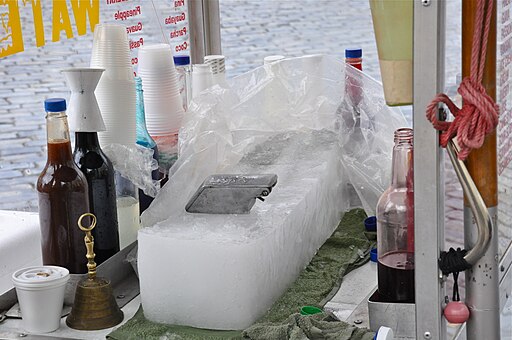
Unlike machine-crushed ice found in other desserts, piragua relies on a manual process. The ice is scraped from a solid block using a handheld metal tool, creating a texture that is distinct—neither as fluffy as Hawaiian shave ice nor as crunchy as a standard snow cone. It strikes a balance that holds the syrup perfectly while offering a satisfying crunch.

The Origins of Piragua in Puerto Rico

The history of piragua is tied deeply to the Caribbean climate and the resourcefulness of its people.

Caribbean and Colonial Influences

The tradition of flavored ice travels back to Spanish colonial times, where ice was a luxury imported from colder climates. As technology advanced and ice became more accessible, the concept of mixing ice with local tropical fruit syrups took root across the Caribbean. In Puerto Rico, this evolved into a specific street food tradition adapted to the island’s relentless tropical heat.

A Treat for the People

Piragua solidified its place in Puerto Rican culture as a working-class refreshment. It was affordable, requiring only ice and syrup, and portable. Vendors could set up their carts in town plazas, public parks, and near beaches—anywhere people gathered to escape the sun. Because it was inexpensive, it became the go-to treat for children, making it a fixture of Puerto Rican childhood.

The Piragüero: Keeper of the Tradition

You cannot talk about piragua without talking about the piragüero. The vendor is as important as the product itself.

The piragüero is often a fixture in the neighborhood. They push colorful wooden carts, often painted in bright yellow, red, or orange, with an umbrella to shield the ice from the sun. These carts are mobile landmarks.

The process of making a piragua is a performance. The piragüero opens the cart to reveal a solid block of ice. Using a metal shaver (sometimes called a cepillo), they scrape the ice with a rhythmic motion that requires strength and practice. They then pack the shavings into a cup, shape the top into a point, and pour the syrup with a flourish.

This interaction builds community. A piragüero knows the regulars, knows which kids like extra syrup, and serves as a friendly face in the daily life of the barrio.

Jeffrey Bary, CC BY 2.0, via Wikimedia Commons

How Traditional Piragua Is Made

The beauty of piragua lies in its simplicity. There are only three components, but each matters.

1. The Ice

Everything starts with a solid block of ice. The piragüero manually scrapes this block to create shavings. The texture is crucial—if it’s too fine, it melts instantly; if it’s too coarse, it’s unpleasant to eat. The manual shaving creates a texture that is icy yet manageable.

2. The Syrups

The syrups provide the flavor and the vibrant color. While modern options exist, traditional flavors remain the favorites:

  • Crema: A creamy, vanilla-based flavor.
  • Tamarindo: Sweet and tangy tamarind.
  • Coco: Coconut.
  • Frambuesa: Raspberry.
  • Parcha: Passion fruit.
  • Limón: Lime.
  • Melón: Watermelon.

These syrups are often homemade or locally sourced, providing a bold, authentic fruit taste that distinguishes piragua from chemically flavored alternatives.

3. The Presentation

Once the ice is shaved and packed, the piragüero shapes it into a peak. The syrup is poured generously over the top, soaking into the ice and pooling at the bottom of the cup. It is traditionally eaten directly from the cup, sometimes with a straw to drink the melted syrup at the end.

Piragua and Puerto Rican Childhood

For many Puerto Ricans, piragua is synonymous with nostalgia. It brings back memories of running out of school with a few coins in hand, or begging parents for a treat during a Sunday walk in the plaza.

The sensory experience—the sticky hands, the cold ice against the tropical heat, and the bright stain of cherry or tamarind on the tongue—creates a lasting emotional anchor. It represents a simpler time and a shared joy that connects generations. Grandparents buy piraguas for their grandchildren, passing down not just a treat, but a ritual.

Piragua vs. Other Shaved Ice Desserts

It is easy to confuse piragua with other frozen treats, but there are distinct differences.

  • Snow Cones: typically use crushed ice produced by a machine. The ice pellets are larger and crunchier, and the syrup often sits at the bottom rather than soaking through.
  • Hawaiian Shave Ice: uses a machine to shave ice very finely, creating a snow-like consistency that absorbs syrup completely.
  • Raspados: A similar Latin American treat, but variations in toppings (like condensed milk or fresh fruit) and texture vary by country (Mexico, Colombia, etc.).

Piragua remains distinct because of the hand-shaving technique and the specific profile of Puerto Rican tropical fruit syrups. It prioritizes cultural context and tradition over endless customization.

Piragua in Today’s Puerto Rico and the Diaspora

Despite the arrival of modern ice cream shops and fast-food chains, the piragüero remains. You can still find them in Old San Juan, near the fortress of El Morro, and in town squares across the island.

The tradition has also traveled. In cities with large Puerto Rican populations, like New York (specifically El Barrio in East Harlem) and Orlando, piragüeros set up shop during the summer. For the diaspora, spotting a piragua cart is a powerful connection to home.

However, the tradition faces challenges. It is physically demanding work, and younger generations are less likely to take up the trade. Yet, the cultural pride associated with piragua keeps the tradition alive. It appears in musicals (like In the Heights), art, and festivals, ensuring its visibility remains high.

Respecting Piragua as Cultural Heritage

When buying a piragua, you are supporting a local micro-economy. Piragüeros are independent entrepreneurs who work hard to maintain a cultural legacy.

It is important to view piragua not just as a “content opportunity” for social media, but as a piece of living heritage. Respecting the vendor, understanding the history, and enjoying the treat for what it is—simple, sweet, and local—is the best way to honor the tradition.

Why Piragua Matters

In a world that is increasingly automated and fast-paced, piragua stands for the opposite. It is slow food. It is handmade. It requires human interaction.

It honors the informal economy of street vendors who have sustained Puerto Rican neighborhoods for decades. It preserves a specific culinary practice that connects people to the land (through tropical flavors) and to each other.

A Taste of Puerto Rico

Piragua is a reminder that the best things in life are often the simplest. It is a cup of ice, a splash of syrup, and a moment of cool relief on a hot day. But within that cup lies the spirit of a people—resourceful, joyful, and deeply connected to their roots.

If you visit Puerto Rico, or if you spot a colorful cart in a Puerto Rican neighborhood abroad, do not hesitate. Step up to the cart, order a tamarindo or crema, and taste a true piece of the culture.

FAQ: Piragua (Puerto Rican Shaved Ice)

What is piragua made of?

Piragua is made from hand-shaved ice topped with flavored syrup. It is traditionally served in a paper or plastic cup with a cone-shaped peak of ice.

How is piragua different from a snow cone?

Piragua is hand-shaved from a solid block of ice using a metal tool, whereas snow cones usually use machine-crushed ice pellets. The texture of piragua is distinct—flakier than a snow cone but crunchier than Hawaiian shave ice.

Who sells piragua?

Piragua is sold by piragüeros, traditional street vendors who push colorful wooden carts. They are often well-known figures in their local communities.

What are the most popular piragua flavors?

Traditional flavors include Tamarindo (tamarind), Crema (cream/vanilla), Coco (coconut), Parcha (passion fruit), Frambuesa (raspberry), and Melón (watermelon).

Is piragua still popular today?

Yes. While it faces competition from modern desserts, piragua remains a beloved staple of Puerto Rican street life, festivals, and cultural celebrations.

Can non-Puerto Ricans enjoy or make piragua?

Absolutely. Everyone is welcome to enjoy piragua. It is a great way to support local vendors and experience Puerto Rican culture authentically.

Key Highlights

  • The Cocos (Keeling) Islands have a mix of cultures that shape what people eat there. You will find a lot of Malay and Indian tastes in their food.
  • Seafood is very important to the islanders. Fresh fish and other seafood go into many meals and are a big part of what they eat every day.
  • Key items in Cocos cuisine are coconut, spices, and things grown by the people. These make the food bright and full of flavor.
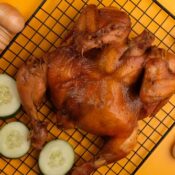
  • Foods like Ayam Panggang show the strong roots and meaning of Cocos food and culture.
  • When you eat at local places or restaurants, you get a real taste of the island. These spots are great for anyone who loves to try new and good food.

Introduction

Welcome to the Cocos (Keeling) Islands. This place is an australian territory found in the big indian ocean. You will see clean beaches and clear blue water here. But there is also a food scene for you to try. The food on cocos is full of history and mixed cultures. The cocos malay people have made a big impact. The local cuisine has different tastes. It shows a simple and tasty way of living the island life. Are you ready to learn more about these flavors and feel what the islands are all about?

Signature Dishes of the Cocos (Keeling) Islands

The heart of Cocos (Keeling) Islands cuisine is in its well-known dishes. These meals mix tastes from Sri Lanka, Malay, and Indonesian roots. You will find a lot of coconut cream in the food. This gives each bite a rich, tropical flavor. Many people love the spicy sambal, which you often get with seafood. It goes well with the fresh seafood from the Cocos ocean.

When you eat here, you can see coconut palms and bright coral all around. The dishes show the culture and the story of the Cocos Malays. Each meal is a new way to explore the food and life on the islands, making eating here a special adventure.

Popular Traditional Meals and Their Origins

Food from the Cocos (Keeling) Islands shows the many cultural backgrounds of the people who live there. Traditional meals often come from Malay cuisine. Dishes like nasi goreng show how close the islands are to Indonesia and the Indian Ocean. Chicken rendang is another dish you can find. It is a big part of Malay cuisine and you will see its style in food from Malaysia and Singapore.

People also like to eat fresh seafood. That is because the islands sit in the Indian Ocean and fresh seafood is easy to get. There is a long history with the sea here. British sea captain William Keeling helped shape life on the islands too. Local meals often bring all these cultures together for flavors many like.

Unique Seafood Dishes to Savor

There are many seafood choices to try in the Cocos (Keeling) Islands. The food here shows the islands’ rich land and sea. People use what they get from there. Fresh fish, prawns, and crab are always part of their traditional meals. They add spices like sambal and coriander to make the taste special.

The inhabitants know how to use seafood well. They grill it, steam it, or put it in a coconut cream sauce. The way they cook shows how they value their seafood. Malay and Sri Lankan cuisine had a big impact on what you get to eat. Every meal in Cocos has coconut, seafood, and their favorite spices. All these come together, making this food about their past and where they live.

Key Ingredients and Culinary Essentials

The food in the Cocos (Keeling) Islands is built around a few main ingredients that are easy to find there. Coconut is the most important one. You can see it in many dishes. People use the flesh to make copra, and many curries start with thick coconut cream. The many coconut palms around the islands play a big part in how the local cuisine has grown.

People also use a lot of spices such as coriander and turmeric to make the food smell and taste great. These things go together to make the base for many old Cocos recipes. The food shows that people here know how to use what they have and make good meals that taste nice.

Homegrown Produce and Spices Used in Local Cuisine

The Cocos (Keeling) Islands have a colorful mix of homegrown fruits and spices. These items come from green plantations. People take fresh coconuts and coriander to be part of the main meals. They help bring all the flavor into the cuisine. The warm weather makes it easy for many fruits and veggies to grow, and they also get used in different local dishes of people on the islands. There are tastes from places like Sri Lanka and Indonesia mixed in. All these things make the Cocos cuisine feel truly like the islands.

Influence of Malay, Indonesian, and Other Cultures in Cooking

The food in the Cocos (Keeling) Islands shows many cultures coming together. The biggest influence is Malay cuisine. The Cocos Malay people, who are the main inhabitants, brought this type of cooking here. You can see this in how the dishes are made and the way the flavors come through. There is a mix of sweet, spicy, and savory tastes. Ayam Begana is a good example that comes straight from Malay cooking.

Alongside Malay cuisine, there is some Indonesian influence that goes along with it. You will get sambal used in food from both cultures. There are also small touches from other cuisines.

Australian flavors are also in what people eat on these islands. You can try fish and chips and gourmet pizzas at local spots. This mix of Malay, Australian, and even some British tastes gives the local food its own story. The unique dishes help people know more about the history and the lives of those who live in the Cocos.

Where to Eat: Local Restaurants and Eateries

Dining on the Cocos (Keeling) Islands is friendly and close. You will not find any big chain restaurants here. Instead, you get a few small places to eat which are run by local people on West Island and Home Island. There is coffee, baked goods, classic Cocos Malay buffets, and dinners you can take away. Keep in mind, opening hours can change with the season, so you should check before you go.

Some places even have a special detail like a fridge with drinks and snacks, open 24/7, where you pay with an honesty box. No matter if you want a quick meal or a sit-down dinner at sunset, you get real island hospitality at the local restaurants on West Island and Home Island.

Top Recommended Spots for Authentic Island Flavors

When you go to the Cocos (Keeling) Islands, you will want to try the real food the islands have. The best way to do this is to eat at small, family places on West Island and Home Island. These places are where people and guests both come to eat tasty food and relax.

On Home Island, you can be a part of the local life by trying a Cocos Malay buffet. On West Island, you can eat outside while you look at the ocean. Life here is slow, so booking a seat is needed. Sometimes, you may just write your name on a board to hold your spot.

If you want to get the real taste of the Cocos Malay islands, visit these places:

  • Tropika Restaurant: You will find this spot on West Island. It is halal. It has both Cocos Malay and Australian food. They serve meals for breakfast, lunch, and dinner.
  • Sweet As Makan: This place is on Home Island. It is best known for its all-you-can-eat Cocos Malay and Western buffet. Go on Wednesday or Friday nights.
  • Surfer Girl Restaurant: On West Island, this is a well-known spot for eating outside. It is great to sit here, watch the sunset, and try the dinner specials.
  • Seafront Restaurant Pop-up: This is a small stall on Home Island. Stop here for takeaway wraps and burgers.

Conclusion

The Cocos (Keeling) Islands have food with many flavors and styles. This comes from the many different people who live there. You can find dishes with coconut cream and tasty seafood. When you eat a meal here, it shows the history and place of the coral islands. People use local things like fresh fish and spices, which help to give these foods their special taste. Every bite lets you feel the joy of living on these islands. Trying the cuisine is more than just food. It lets you know about the life and story of the coral islands and their people.

Key Highlights

  • Guatemalan cuisine is a big part of Mayan history, with old ingredients and cooking styles at the heart of many meals.
  • Traditional dishes usually start with corn, beans, and squash. These foods have been grown for many years in the country.
  • The most popular foods mix Mayan taste with the flavors brought by the Spanish.
  • If you want to enjoy local life, try Guatemalan street food like tostadas and shucos.
  • For those who want something sweet, Guatemalan desserts like Rellenitos de Plátano are a great choice.
  • Many Guatemalan recipes stand out because of their special herbs and spices, such as achiote and cilantro.

Introduction

Welcome to the world of Guatemalan food! There is a lot to love in this cooking style. The recipes come from old Mayan ways and mix with Spanish cooking. Traditional Guatemalan food uses fresh things from the garden, and there are herbs and spices that give these meals amazing flavors. Every dish is full of story and history. Are you ready to find out more about what makes Guatemalan food such a great choice? Let’s see why these dishes and this culture are special.

Mayan Heritage and the Foundations of Guatemalan Cuisine

The start of Guatemalan food comes from its Mayan roots. Old ways are a big part of what people in Central America eat every day and make during family gatherings and special occasions. You can see this in the things that go into Enaguatemalan recipes and how people cook them. These cooking styles have been shared from one generation to the next.

Guatemalan food today still holds onto this history. Traditional Guatemalan food is at the heart of the culture. People still make many Guatemalan recipes for special occasions or family gatherings just like they did long ago. This strong link to the past is what gives the food in Guatemala its true style and feeling.

Traditional Mayan Ingredients Still Used Today

Many of the things found in old Mayan cooking are still used in Guatemalan food today. These key items are at the heart of so many dishes and tie old ways to what we eat now. Have you ever thought about what makes Guatemalan food taste real and true? It is because of these tried-and-true pieces.

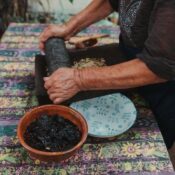
Using food that grows in the area is a big part of Guatemalan food. Corn is used in lots of ways. People use it to make tortillas, tamales with corn dough, and a hot drink called atole. Black beans are another must-have. You can eat them whole, mashed, or refried.

These main foods help make Guatemalan food what it is. The most used ones are:

  • Corn: This crop is the most important. People make dough, drinks, and more with it.
  • Black beans: These are a big source of protein. They come with almost every meal.
  • Chili peppers: These bring different kinds of spice and taste.
  • Pumpkin seeds: They are often toasted and crushed to make sauces thick.
  • Banana leaves: These wrap foods like tamales so they can steam.

All these things are a big part of what makes guatemalan food special. They help give flavor, texture, and meaning to many dishes.

Influence of Ancient Cooking Methods

If you want to know about Guatemalan food, you need to look at the old cooking techniques. Many of these come from Mayan roots. The methods are made to pull out the best flavors from simple and fresh things you find in the kitchen. For example, when you cook food over a fire, you get a deep smoky taste that is hard to get with a stove or oven we use today.

Another cooking technique is to use banana leaves as a kind of wrapper. People wrap foods like tamales and meats in these leaves and cook them by steaming or baking. With this way, the food keeps in all its juices and flavor. The banana leaves also give the food a light and earthy smell.

These cooking techniques are very important. They help make the rich sauce and strong tastes you find in many Guatemalan dishes. When you cook stews slowly or roast spices with care, you build a deep, good sauce. To really get what Guatemalan food is about, you need to try and use these ways first.

Corn, Beans, and Squash: Staples From Past to Present

Corn, beans, and squash, often called the “Three Sisters,” have been the main crops for the Mayan people for a very long time. These foods are still a big part of Guatemalan food today. Corn holds the highest place. People usually grind it to make corn dough, which is then turned into tortillas that go with almost every meal.

Black beans matter just as much. They give protein and bring a deep, warm taste to the table. In Guatemala, you find black beans in many ways: mashed for breakfast, whole inside soups, or tucked into different snacks. Guatemalan plates are never far from black beans.

Squash and vegetables, like green beans, may not get as much attention as corn and black beans, but they are still key in Guatemalan food. They show up often in soups or side meals, where they give texture and give nutrition. This classic mix is everywhere, shaping most meals and serving as the base for lots of recipes. Pepián, the national dish of Guatemala, uses these important foods too.

Spanish and Global Influences in Guatemalan Food

Mayan roots are at the heart of Guatemalan food. But the cuisine is more than that; it also shows how different cultures came together. When the Spanish came in the 16th century, they brought new foods and ideas from Europe. This changed how people cooked local meals. The Spanish ways mixed with native traditions. That is how Guatemalan dishes became something fresh and fun.

Guatemalan food is not just about Spain, though. Other parts of the world have played a role too. Over time, flavors from Afro-Caribbean and other global cultures have been added. These have made Guatemalan dishes more rich and special. It’s this mix of old and new, local and foreign, that makes the food interesting and unlike any other.

Spanish Colonial Culinary Contributions

The Spanish colonial period brought new foods to Guatemala. People started to use onions, garlic, and cilantro in their meals. These things are now a must-have for Guatemalan cooking. The Spanish also brought animals, like chicken, pork, and beef. These became the main meats in many dishes.

You can see this change in many old recipes. For example, Guatemalan tamales are sometimes filled with meat and a red sauce. This is different from the simpler versions they had before the Spanish came. People often make these tamales for special occasions. The mix of Mayan and Spanish flavors stands out in these foods.

You can even find this blend in everyday things. Pan frances is a bread roll that looks like a small French baguette. People love to have it as a side dish with meals. It came from Spain but is now part of life in Guatemala. These foods gave more taste and feel to the dishes the Mayan people started.

Afro-Caribbean and European Flavors

The culture in Guatemala shows up on its Caribbean coast, too. This is where the Garifuna people live, and they bring their own style of cooking. They use things like coconut milk, seafood, and plantains. These foods give a tropical feel to the country’s food and add a unique taste. The recipes made by the Garifuna people make the coastal dishes stand out.

One famous traditional Guatemalan dish is called tapado. It is a thick seafood soup made with coconut milk. Tapado shows the special Afro-Caribbean taste that you get from this area. It is different from how they use mostly corn and chili in food from the highlands. Tapado uses many types of meat and seafood, based on what the coast has to offer.

In more places than just the Caribbean part, you will find a little flavor from other parts of Europe, too. These tastes came to Guatemala through years of people moving and trading. The food here mixes flavors from the Garifuna people, from Spain, and from other parts of the world. All these styles come together and show the long and rich history of Guatemala.

Integration of New World Ingredients

The Spanish brought many new foods with them, but the Americas had so much to give to Guatemalan food. Things like tomatoes, potatoes, and different types of chili peppers all come from this region. These are the base for a lot of well-known dishes. Green tomatoes, called tomatillos, are also key because they give a tart taste to many sauces.

Seeds are important too. People often toast and grind pumpkin seeds and sesame seeds to make thick, nutty sauces. These sauces are a big part of Guatemalan stews. This way of cooking gives a unique flavor and texture that you will find in many local dishes.

What makes Guatemalan cooking stand out is how they mix these native foods together. When you put tomatoes together with different chili peppers, then add ground seeds, and finish it with herbs from around here, you get sauces and stews with lots of flavor. This way of blending everything is what gives the food its special taste.

Signature Flavors, Herbs, and Spices of Guatemala

What makes Guatemalan food stand out? It is the way cooks use certain herbs and spices to make an explosion of flavor in every meal. You will find ingredients like cilantro, mint, and epazote. These give dishes a fresh and pleasant smell that mixes well with the thick, rich spices you get in many Guatemalan recipes.

Spices like achiote, allspice, and cumin bring a warm feeling, bright color, and depth to the food. These key tastes help turn simple foods into something special. Let’s look at some of the main herbs and spices that are so important to Guatemalan food.

The Role of Achiote, Cilantro, and Other Essential Herbs

Certain herbs are indispensable in the Guatemalan kitchen, each contributing a unique flavor profile. Cilantro is perhaps the most widely used, adding a fresh, citrusy note to everything from salsas to stews. Its bright taste cuts through rich sauces and brings a burst of freshness.

Achiote, or annatto, is another cornerstone ingredient. It’s a spice derived from the seeds of the achiote tree and is prized for the vibrant reddish-orange color and mild, peppery flavor it lends to Guatemalan food. It’s commonly used in marinades and stews to give them a distinctive hue and taste.

Other herbs like epazote and hierba buena (mint) also play crucial roles. Epazote has a strong, pungent flavor perfect for bean dishes, while mint adds a refreshing coolness. Together with aromatics like green onions, these herbs create the layered, complex flavors that make Guatemalan cuisine so memorable.

Herb/Spice Flavor Profile Common Uses in Guatemalan Food
Cilantro Fresh, citrusy Salsas, stews (Jocon), garnish
Achiote Mildly sweet, peppery Marinades, stews, tamales
Epazote Pungent, anise-like Bean dishes, stews (Pepián)
Hierba Buena (Mint) Cool, refreshing Soups, tamales, beverages

Popular Spices and How They Define Dishes

Besides fresh herbs, many dried spices help bring out the warmth and depth that make a lot of Guatemala’s most popular foods stand out. Allspice, called “pimienta gorda” in Guatemala, plays a big role here. It tastes a bit like cinnamon, cloves, and nutmeg mixed together. You need it for classic Guatemalan recipes like Pepián, which is a stew, and sweet meals like mole.

Cumin is another common spice that shows up a lot in meat dishes and soups. It has a warm, earthy smell that is really important for the base taste in these meals. There is also a big use of chili peppers. People like them not just for the heat, but because of the great flavors they add, from smoky to fruity.

People mix these spices together in just the right way for each recipe. For example, a green sauce often gets its special taste from tomatillos and a lot of cilantro. A hearty stew may taste rich because of a mix of toasted chili peppers and allspice. Most of the time, there will be a bottle of hot sauce on the table so you can make your meal as spicy as you want.

Balancing Flavors: Sweet, Savory, and Smoky Notes

One big thing about Guatemalan food is the way different flavors work together. Cooks mix sweet, savory, and smoky things in one delicious dish. This mix makes the food tasty and always interesting.

Sweetness can come from things found in nature, like ripe plantains. People fry these and have them with beans, or use them for something sweet after a meal. There are also sweet tamales. These can feel like food for a meal or a treat to end your meal with. The savory parts come from meats that cook slow, beans, and sauces made from tomatoes.

The smoky part is special in Guatemalan food. Cooks get it by toasting things over fire. Chilis, tomatoes, and seeds get this smoky touch before they go in a rich sauce. This gives a deep, roasted flavor. Finding the right mix is what makes real Guatemalan food stand out.

Must-Try Traditional Guatemalan Dishes

Ready to eat? Trying the most traditional Guatemalan dishes is the best way to get to know this country and its culture. People in Guatemala have made these recipes for many years, and they really show the heart of the place. You will find tastes from the national dish, plus good soups and stews. There is a lot of flavor waiting for you to enjoy.

If you are coming to Guatemala for the first time, you just can’t miss these meals. Each one comes from a special area and shows the mix of Mayan and Spanish ways of cooking. Let’s look at some of the Guatemalan dishes that make up the true core of this country’s food.

Pepián – The National Stew

If you get to try just one Guatemalan food, go for Pepián. This rich stew is the national dish of Guatemala. It is a great example of traditional Guatemalan food. The dish has roots that go back to Mayan culture. People often serve it for family gatherings or special times. Because of this, Pepián is loved and enjoyed by many.

The best thing about this dish is its rich sauce. The sauce is special because it uses roasted things. You start with toasted pumpkin seeds and sesame seeds, then ground them up to make a thick paste. You mix that with roasted tomatoes, onions, garlic, and a mix of chilis. It gives the sauce a deep, nutty, and smoky taste that stands out.

People use chicken, beef, or pork in Pepián. The meat is slow-cooked in the rich sauce until it becomes soft and full of taste. It’s usually served with rice and tortillas, which are great for soaking up the last bits of sauce. Pepián gives you a meal that feels comforting and will stay with you for a long time.

Kak’ik – Hearty Turkey Soup

Kak’ik is a turkey soup that comes from the q’eqchi’ Maya people who live in the highlands of Alta Verapaz. The soup is full of color and flavor. It gets its bright red look from achiote and lots of chili peppers. Even though it uses chili peppers, the soup is more about the smell than strong heat. But there is still a nice bit of spice in it.

This dish is one of the most loved traditional dishes in Guatemalan food. People know it for its long history and how good and warm it makes you feel. To make Kak’ik, you use a whole turkey leg and cook it in a pot with tomato, garlic, cilantro, and mint. These herbs make the soup smell great and taste fresh.

Kak’ik is not just another soup. It is a filling meal on its own. People often eat it with small tamales and a bit of rice to the side. There are many Guatemalan recipes for Kak’ik, and most have been shared from parent to child over many years. If you want to try a true part of Mayan old ways, this soup is a good way to do it.

Jocon de Pollo – Chicken in Tomatillo-Cilantro Sauce

Jocón de Pollo is one of the most loved Guatemalan dishes. It is easy to spot because of its green sauce. The taste is bright and has a good tang from the green tomatoes, making it stand out from other Guatemala meals like Pepián, which are darker and have more smoke flavor. Many people pick Jocón de Pollo for its fresh and lively taste.

The green sauce comes from green tomatoes (tomatillos), cilantro, and green onions. These are blended with pumpkin seeds, which thicken the sauce and give it a light, nutty taste. The sauce is zesty and full of actual smell and taste, and it covers the chicken in a great way.

People usually enjoy Jocón de Pollo with rice and fresh corn tortillas. This meal shows how good Guatemalan dishes can be when you use fresh, local food. The taste of cilantro and tomatillos is clear in every bite. If you want something new, this classic meal is something you have to try.

Hilachas – Shredded Beef in Tomato Sauce

Hilachas is a classic shredded beef stew from Guatemala. The name means “rags” because of the way the beef pulls into thin, long pieces. This traditional Guatemalan dish is popular with families. People love it for being filling and for the rich taste it gives. Hilachas shows how good slow-cooked Guatemalan food can be.

You make this beef stew with flank steak. First, you cook the beef until it gets very soft and falls apart. Then, you pull the beef apart, and put it back in a tasty tomato sauce. The sauce has tomatillos, garlic, onions, and mild chilis in it. Many people also add potatoes and carrots, so the meal is even bigger.

Most of the time, this shredded beef stew comes with rice. The rice soaks up all the good tomato sauce. People also eat it with a pile of warm tortillas. Hilachas is the kind of food that brings people together. It tastes great and feels like the best comfort food you will get in a bowl.

Street Foods and Snacks Beloved by Locals

If you want to eat like a local in Guatemala, you should try Guatemalan street food. The lively streets of Guatemala City and the small towns let you see a world of food stands. Here, you will get street food vendors selling a big mix of snacks. This is the best way to find a delicious dish that feels real and makes you feel like you belong.

Guatemalan street food can be quick, easy on your pocket, and full of good taste. Many people go for things like tostadas, chuchitos, and shucos. These snacks are all over the place and each one is full of Guatemalan flavor. Now, let’s look at some snacks that people in Guatemala love a lot.

Tostadas With Beans, Guacamole, or Salsa

Tostadas are one of the most popular types of street food in Guatemala. They are simple, tasty, and easy to make. You get a crispy, fried corn tortilla. This is then topped with different things that add flavor. You can buy them at street carts, markets, or local fairs in the country.

The best part about tostadas is the toppings. Every person who sells them has their own way of making them. There are some toppings people use all the time. The tortilla usually has refried black beans spread on it, or maybe a big spoonful of fresh guacamole. After that, you just keep adding flavors and things people like.

This is a snack everyone enjoys in Guatemalan food. It is fast, cheap, and tastes good. Here are some toppings people often use:

  • Salsa: Basic tomato salsa gives a fresh pop in each bite.
  • Guacamole: Creamy avocado mixed with lime and onion.
  • Frijoles (Beans): Savory refried black beans spread on top.
  • Curtido: Pickled cabbage slaw with some tang.

People usually finish them with salt, some dry cheese, and hot sauce.

Chuchitos and Tamales: Portable Mayan-Era Eats

Tamales are a big part of Mayan food, and in Guatemala, there are many kinds you can try. Chuchitos are a small and firm type of tamale, so they are perfect for eating while you walk around. They use corn dough to make them. Most times, there will be a small piece of pork or chicken inside, along with a tasty red sauce.

What makes chuchitos stand out is how they’re made. People wrap them tight in a corn husk, then steam them. This is what gives them their thick texture and special shape. They are easy to eat anywhere and are usually served with a bit of dry cheese plus some tomato sauce on top.

There are also larger Guatemalan tamales you might see being cooked on the street. People steam these tasty tamales in banana leaves. They end up softer and filled with more meat or veggies, so they can fill you up for lunch or dinner. No matter if you like a chuchito or one of those big Guatemalan tamales, you’re tasting a dish people in this place have loved for many years.

Shucos – The Guatemalan Hot Dog Experience

If you think you know hot dog, you may want to try the shuco. This is a favorite in Guatemala and a special part of guatemalan street food. The shuco has a unique taste. The word “shuco,” which means “dirty,” comes from all the toppings piled onto it. It’s messy, but it’s good.

The base starts with a toasted bun, often called pan frances. The bun is covered with guacamole, which gives the shuco its flavor right away. Then, you get grilled sausage or other meat. After that, it’s loaded with a mix of condiments.

This isn’t just any hot dog. It bursts with flavor and shows how guatemalan food can be fun and different. On a shuco, you often find:

  • Guacamole: The creamy topping that starts it all.
  • Repollo (Cabbage): Boiled cabbage mixed with mayonnaise.
  • Chimichurri: A sauce with herbs and a bit of zest.
  • Ketchup, mustard, and mayonnaise: You still get the usual trio found on many hot dogs.

Guatemalan Desserts and Sweet Traditions

No trip with food is done without a dessert, and Guatemala is full of great sweet treats. Guatemalan desserts often use local fruits, seeds, and spices. These are the same things you find in their main dishes. Many of these sweets are made only for special occasions and also for christmas time.

There is a delicious dish for everyone. Some favorites are fried plantain fritters and rich, syrupy breads. People in Guatemala also enjoy sweet tamales, which mix a meal with a dessert. Let’s look at some famous Guatemalan desserts that will make you want more.

Rellenitos de Plátano – Plantain Fritters

Rellenitos de Plátano are a favorite when it comes to Guatemalan desserts. At first, you might think the mix seems odd. But once you try it, the sweet and salty taste will surprise you. These are small fritters. They are made with mashed ripe plantains.

What makes them stand out is the inside. Each one has a soft paste made from sweetened black beans. Sometimes, these beans have a bit of chocolate or cinnamon mixed in. The plantain dough covers this filling, and then the rellenito is deep-fried. It turns golden on the outside and has a slight crunch.

The final treat is warm and soft, with a creamy, sweet bean center. Most people eat rellenitos fresh and warm. They come with powdered sugar on top or with cream poured over them. The taste can only be found in Guatemala, and just like sweet tamales, these desserts bring flavors you may not expect.

Mole de Plátano – Sweet Chocolate Banana Sauce

Many people think of mole as a savory Mexican food. But in Guatemala, there is a sweet kind called Mole de Plátano. This rich dessert shows how guatemalan food brings together both indigenous and Spanish tastes. It is a favorite at celebrations and family gatherings.

This dish uses slices of ripe plantain. They are fried, then cooked in a sweet mole sauce. The sauce is made with chocolate, tomatoes, pumpkin seeds, sesame seeds, cinnamon, and allspice. Unlike savory moles, this one is mostly sweet.

The plantains soak up the spiced chocolate sauce. They get very soft and full of flavor. Mole de Plátano is a delicious, comforting dessert. It mixes fruity, sweet, and spicy flavors in a good way. It is one of the most famous guatemalan desserts, and visitors should try it.

Torrejas and Traditional Holiday Sweets

Torrejas are a sweet treat that people in Guatemala love, especially during special occasions like Christmas time and Holy Week. They are a lot like French toast, but have their own Guatemalan style. The dessert uses sweet bread or brioche. The bread is dipped in an egg mix and fried.

What makes torrejas stand out is the syrup. After being fried, the bread is soaked in a sweet syrup. The syrup has cinnamon, allspice, and sometimes a bit of rum in it. This makes the torrejas moist and tasty. People often put raisins or prunes on top.

These syrupy desserts are known for special occasions. They are enjoyed with other holiday sweets and show the festive side of Guatemala. Torrejas are rich and comforting. They are great for sharing with family and friends during important times of the year, like All Saints’ Day.

Conclusion

To sum up, Guatemalan food has a lot of history in every bite. The meals come from the country’s deep Mayan roots and all the different cultures that have shaped it. When you try each dish, you get more than just good taste—you feel the story, the people, and what makes this place special. With cozy meals like Pepián or sweet treats like Rellenitos de Plátano, you can taste the past and the present.

The next time you want to eat something new, think about trying a dish from Guatemala. You can follow a classic recipe or make your own twist at home. Have fun with it, and feel free to tell others about the foods or moments you love most from Guatemalan cooking!

Frequently Asked Questions

What are typical vegetarian or vegan options in Guatemalan cuisine?

There are many vegetarian choices in Guatemalan food. Lots of dishes are made with black beans, rice, and tortillas. You can get tostadas with guacamole, fried plantains, and other side dishes with vegetables. Many traditional Guatemalan recipes can be made vegan if you leave out cheese or cream.

How do regional dishes across Guatemala differ?

Guatemalan dishes can be very different across the country. In the highlands close to Lake Atitlán, you will find stews made mostly with corn and beans. People in the coastal places like seafood and cook with coconut milk. Cities such as Antigua Guatemala have their most popular dishes by mixing traditional dishes with food from other countries.

What are essential ingredients and pantry items for Guatemalan cooking?

To make guatemalan food, you should have corn or corn dough, black beans, and tomatoes. These are the basics and you need them for a simple tomato sauce. For more taste, you will need green tomatoes (tomatillos), dried chilis, cilantro, and toasted seeds. Use pumpkin seeds and sesame seeds to help thicken your sauces.

Key Highlights

  • Get to know the heart of Bhutanese cooking. They love spicy food and use a lot of unique flavors in what they eat.
  • Find out more about Ema Datshi. This is the national dish. It is a hot stew made with chilies and local cheese.
  • See how local things like red rice, buckwheat, and wild mushrooms help make the food culture in Bhutan what it is.
  • You can try classic meat meals like Phaksha Paa, which is a pork dish, and Shakam Paa, which is dried beef.
  • Not only that, there are also warming vegetarian meals and snacks such as Momos. These are tasty steamed dumplings.
  • People in Bhutan also enjoy drinks like Suja, which is butter tea, and Ara, a drink made from rice.

Introduction

Welcome to the tasty world of Bhutanese food! Bhutan sits in the Himalayas. This place gives you food that is just as special as its wild views. The taste of Bhutan comes from chilies, cheese, and many fresh, local things. The country does get some ideas from places nearby, but Bhutanese food stands alone. It is simple, and at the same time, it has many layers. Get ready to try spicy, rich, and warm traditional dishes that make up the heart of this mountain country.

Bhutanese Cuisine: Spicy Himalayan Dishes and Local Ingredients Explored

Bhutanese dishes show a lot about the country because of where it is in the Himalayas. The food depends on local things you find in the mountains. This includes red rice, buckwheat, and different wild mushrooms. Because the people use what comes from the land, the bhutanese food has its own unique flavors.

Spicy food is a big part of what people eat here. Chilies are not just used to add taste; they are cooked as a vegetable. When you mix chilies with local cheese, you get some of the most classic and loved Bhutanese dishes. Here are some must-try dishes you should have when you visit.

1. Ema Datshi – The Iconic Chili and Cheese Stew

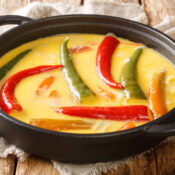
If there is one dish that stands for Bhutan, it is ema datshi. This is the national dish of Bhutan, and it is very important in the everyday life of people there. “Ema” means chili, and “datshi” means cheese. The name says what it is—a simple but strong stew. It is made from chilies, fresh green or dried red, cooked in a thick cheese sauce. You will find it with almost every meal.

People have their own way to make ema datshi. Some like it with a thin broth, while others like a thick and gooey cheese sauce. Sometimes people add garlic, onions, and tomatoes. Still, many think tomatoes do not go well with the usual Bhutanese cheese. The main idea is to cook the chilies just enough, so they do not get too soft.

This famous dish has its top spot as the national dish because it is everywhere, and its main ingredients—chilies and cheese—are at the heart of Bhutanese cooking. If you visit Bhutan, you must try this famous chili and cheese dish.

2. Kewa Datshi – Potatoes with Cheese and Chilies

If you want to enjoy a cheesy Bhutanese stew without too much heat, Kewa Datshi is a good choice. In this dish, “Kewa” stands for potato. So, it’s a warm plate of potatoes and cheese. People like to eat this, and it is a good idea for those who don’t eat meat. Many young people in Bhutan really love this dish.

It’s easy to make. You cook diced or sliced potatoes with local Bhutanese cheese and some butter. The potatoes should be soft, but not fall apart. Some green chilies go into the dish, but not too many. This way you get a small zing, but it’s not strong at all.

You may see Kewa Datshi with tomatoes and onions sometimes. Still, the main dish is all about the good taste of potatoes and creamy cheese sauce. Kewa Datshi is filling, tasty, and shows a special side of Bhutan’s love for datshi cheese.

3. Shamu Datshi – Mushroom and Cheese Delight

Another tasty vegetarian stew is Shamu Datshi. In this dish, Shamu means mushroom. It uses wild mushrooms cooked in a rich cheese sauce. Shamu Datshi is one of those Bhutanese dishes that show how people there use what nature gives them in the Himalayan forests.

The best Shamu Datshi has a great balance. You get the earthy taste of mushrooms and the creamy cheese sauce together. The cheese should not cover up the soft taste of the mushrooms. The wild mushrooms are often picked by local people. If you use more cheese, the broth gets thick and creamy. If you use less, it stays a thin, tasty liquid.

This dish is not as spicy as ema datshi, but it still has a lot of flavor. Some cooks add other things for extra flavor. Still, the main point is the mushrooms and cheese together. This makes Shamu Datshi a very warm and comforting meal.

4. Shakam Paa – Dried Beef with Chilies and Radish

Shakam Paa is a well-known Bhutanese food that shows how people make food last longer in colder months. “Shakam” means dried beef. This beef is dried, so it gets a chewy texture that many people like.

In this dish, you cook dried beef with dried red chilies and veggies, usually radish. The beef is stir-fried first. Then it goes into a mix with sautéed chilies and other items. You can make it as a stew or let it cook until it is more like a thick gravy.

People serve Shakam Paa on red rice. The meal is hearty and has a strong taste. You get chewy beef, spicy chili sauce, and the earthy flavor of radish, all in one. It is a favorite in Bhutanese food, and folks think of it as a classic dish, especially during the colder months.

5. Phaksha Paa – Pork Cooked with Radishes and Spices

Phaksha Paa is one of the most loved meat dishes in Bhutanese food. This dish is all about pork, called “Phaksha,” cut into thick slices. The pork is cooked with many spices and some vegetables. Many people in Bhutan pick pork as their favorite meat, and this dish really shows why they like it so much.

The way to make this dish is simple. First, the pork is stir-fried. Then, it gets mixed with whole dried red chilies, ginger, and daikon radish. Sometimes, other vegetables like spinach, beans, or bok choy are added in. Everything gets cooked down to make a tasty stew with rich gravy. It goes really well with rice.

This meal is filling and packed with good flavor. You will see it listed on a lot of menus. If you do not want pork, there is a dish just like it called Nosha Paa. This one uses beef, but brings the same great taste to your table.

If you want to try true bhutanese food, phaksha paa is a good place to start.

6. Sikam Paa – Cured Pork Belly with Chilies

Sikam Paa takes the love for pork up a notch by using dried pork belly. “Sikam” is pork belly that has been left to dry in the sun. This way of keeping meat gives it a rich flavor and a chewy texture. The dried pork belly is the main part of this dish.

The cured pork belly is cooked with dried red chilies. This makes the dish savory, fatty, and spicy at the same time. As the meat cooks, the fat melts and mixes right into the chili sauce. This creates an even stronger taste in the Bhutanese chili sauce.

Like many other Bhutanese dishes, Sikam Paa is full of flavor. It’s best eaten with red rice. The rice helps even out the rich and spicy taste. Sikam Paa is a traditional food that shows how you can turn simple things like dried pork belly and chili sauce into something great.

7. Jasha Maru – Spicy Bhutanese Chicken Curry

Jasha Maru is Bhutan’s take on chicken curry, and it has its own special style. The dish uses tender pieces of chicken, which can be diced or shredded, cooked in a good broth. You can taste the Himalayan style right away by the strong and warming spices in the dish.

Jasha Maru gets its unique taste from using a lot of ginger. This gives the curry a strong and fresh flavor. The chicken is cooked along with garlic, onions, tomatoes, and chilies. A chicken stock made from bones brings extra flavor to this meal.

At the end, the curry is topped with fresh coriander to add even more flavor. Jasha Maru is usually served with rice, so you can soak up all the tasty, spicy broth. It is a warming and filling chicken curry that is just right for cool mountain air and makes people feel good.

8. Momos – Steamed Dumplings with Local Fillings

Momos are a big part of bhutanese food. People in Bhutan eat them as a snack or sometimes as a whole meal. These dumplings came from Tibet, but now you will find them everywhere in Bhutan. People there have made the dish their own. The wrappers are made from wheat flour and get packed with all kinds of tasty stuff.

Most of the time, the inside has minced beef or pork mixed with cabbage and onions. Some momos are just right for vegetarians. In these, you get veggies or a mix of local cheese and cabbage instead of meat. Once they are filled, the dumplings get steamed until they are done. People like to eat them hot, and they often dip them in a spicy chili sauce.

Fried momos are around, too. These give you a crunchy bite instead of a soft one. Walk around in Bhutan and you will find momos being sold everywhere on the street, but you will also see them in restaurants and homes, too. People say the best momos are the ones that hold their juices inside. That gives you that perfect, yummy bite every time.

9. Hoentay – Buckwheat Dumplings from Haa Valley

Hoentay come from the beautiful Haa Valley. These are special dumplings that are not the same as momos. The dough is made from buckwheat, so it has a darker color and a nutty taste.

The filling is mostly vegetarian. You will find chopped turnip or spinach leaves, cottage cheese, amaranth seeds, ginger, and onions inside. This mix makes Hoentay taste very Bhutanese. People often eat Hoentay with a spicy chili sauce that is a bit like what you get with momos.

People in the Haa Valley and Paro make a lot of Hoentay during Lomba. This is a festival for the new year. They share these dumplings with friends and neighbors. The dish shows the spirit of gathering and joy. When you try Hoentay, you get a taste of a traditional dish from this part of Bhutan.

10. Red Rice – Nutritious Himalayan Staple

No talk about Bhutanese food is complete without red rice. People in Bhutan eat red rice with almost every meal. This rice is a medium-grain type. It grows in the rich soil of Paro Valley, at high altitudes. The water from the glaciers is full of minerals and is used to water this rice.

When you cook Bhutanese red rice, it turns light pink. The rice comes out soft and a bit sticky. It has a nice, nutty taste. Red rice is better for you than white rice because it has more minerals and fiber. That is why it is such a good choice for the Bhutanese diet. The earthy taste of red rice goes well with the spicy and tasty curries and stews in Bhutan.

Red rice means a lot to the culture here. It helps fill people up and gives them the strength for the day. This makes red rice a key part of every meal in Bhutan.

11. Lom – Preserved Mustard Greens in Traditional Cooking

Lom is one more way that people use preservation techniques in Bhutanese cooking. These ways to keep food are really important, especially during the colder months. The word “Lom” means dried and kept turnip leaves, but you can also use other greens. People pick the leaves, then dry them, and this makes their taste stronger.

These dried greens often go into many Bhutanese dishes, especially in stews. People like to cook them with pork, as in Phaksha Paa. In this dish, the greens give a very special taste that is a bit bitter. They also have a chewy texture, which goes well with the meat and spice.

When people use kept vegetables like lom, they know they will have some greens all year. This is very helpful in the colder months, when fresh leaves may not be there. It is a way to work with the Himalayan climate. Lom also brings a special flavor to many traditional Bhutanese dishes.

12. Gondo Datshi – Stir-Fried Eggs with Cheese

Gondo Datshi is a simple and rich vegetarian meal. People in Bhutan love to eat it for breakfast. It is made by cooking eggs in a pan with a lot of local Bhutanese cheese and butter. This gives the dish a creamy and tasty cheese sauce.

To make Gondo Datshi, you will need fresh eggs, cheese, and butter. They all go into a hot pan. The cheese melts into the eggs. This makes a creamy cheese sauce that is full of good flavor and very satisfying. Because it is so rich, people often serve it with rice. The rice helps to even out the flavors.

Some people want extra flavor in their food. They may add chopped spring onions or put some red chili powder on top of the Gondo Datshi. This dish shows how you can use simple things, like eggs and cheese, to make a meal that is warm, filling, and full of flavor in Bhutanese cuisine.

Keywords used: cheese sauce, red chili, local bhutanese cheese, bhutanese cheese, creamy cheese sauce, extra flavor

13. Goep – Spicy Tripe Stir-Fry

For people who want to try something new, Goep gives you a strong taste and chewy texture. Goep is the stomach lining of cattle, also called tripe, cooked as a spicy stir-fry. The chewy texture is what many like about this dish.

In this way of making spicy food, the tripe is cut into thin slices and cooked with dried red chilies, onions, and different spices. You get a hot dish with good flavor that shows how much people in Bhutan like spicy food and different textures.

Goep is popular with locals. It is part of a way of eating where no part of the animal goes to waste, which you see in a lot of old food cultures. It usually comes with rice, and the hot chili sauce and chewy texture of the tripe give you a food experience you will remember.

14. Suja – Traditional Butter Tea

Suja, also known as Bhutanese butter tea, is a drink that is very important to the daily life of people in Bhutan. This tea is not sweet like regular milk tea you may know. Instead, it is savory. The way to make it is to mix tea leaves, water, salt, and yak butter together.

You get a drink that is creamy, with foam on top, and tastes salty. It feels good and is good for you, especially when the cool mountain air of the Himalayas is all around. The yak butter in it has fat and calories. The body needs these to help stay warm and have energy, especially at high altitudes. The taste is unique, and it might feel new if you try it for the first time. For the Bhutanese people, though, it is a well-loved flavor.

Butter tea is a sign of warm welcome and is usually served to guests when they come into any home in Bhutan. People drink it anytime during the day. Butter tea is part of social times and gatherings in Bhutan, so it is more than just a drink for them.

15. Ara – Local Distilled Rice Spirit

Ara is a strong drink that many people in Bhutan know and love. People often call it the national drink. This drink is made by letting rice, wheat, millet, or barley change over time. Sometimes, people also distill it. The kind of yeast used here means a lot. It can really change how good the drink turns out.

Ara might look clear or sometimes have a soft, creamy color. You will not find it in most bars because of rules set by the government. Still, you will see many families make it at home. It is very special at festivals. You will also see it during events for prayers and big family get-togethers.

If you stay with a family in Bhutan, you will most likely get to try Ara. This drink is very strong and people usually serve it warm. When you taste it, you feel the true warm welcome from people in Bhutan. It is always made with things grown in their own country.

Unique Local Ingredients in Bhutanese Cooking

The heart of Bhutanese food comes from the special local things they use in their dishes. The way the land and weather are in Bhutan shapes what people can grow there. Because of this, their food has a close connection to the land. Hot chilies give the food its spice, while red rice is the main food you’ll find on the table. Each thing used in the kitchen has its own story.

Bhutanese cooking stands out because people use things that are grown close to home. The unique flavors you taste are there because people pick fresh, high mountain foods and add classic spices to them. Now, let’s look at some main parts of Bhutanese cuisine.

Chilies, Cheese, and Red Rice as Culinary Foundations

Three ingredients form the holy trinity of Bhutanese cuisine: chilies, cheese, and red rice. Unlike in many other cuisines where chilies are a spice, in Bhutan, they are treated as a vegetable and are a star ingredient in many dishes, from fiery stews to spicy chili sauce.

Local Bhutanese cheese, or “datshi,” is another cornerstone. It’s a simple, fresh farmer’s cheese that doesn’t melt like processed cheese but instead softens into a creamy sauce, providing a rich, savory base for countless dishes. It is the perfect counterpart to the heat of the chilies.

Finally, Bhutanese red rice is the staple food that accompanies almost every meal. Its nutty flavor and slightly sticky texture make it the perfect vessel for soaking up the delicious sauces and gravies of Bhutanese curries. These three ingredients are truly fundamental to the nation’s palate.

Ingredient Role in Bhutanese Cuisine Example Dish
Chilies A primary vegetable, providing heat and flavor. Ema Datshi
Cheese Creates a creamy, savory sauce base for stews. Kewa Datshi
Red Rice The staple grain, served with nearly every meal. Phaksha Paa

Himalayan Herbs, Buckwheat, and Wild Mushrooms

Bhutanese dishes use more than the main three ingredients. Many local foods come from the Himalayas. People use Himalayan herbs and spices like ginger and Sichuan pepper. These give extra flavor and warmth. This is good for the cold weather.

Buckwheat is also important. It grows well in high places, like Bumthang and Haa. People make noodles called Puta with it. These are a lot like Japanese soba noodles. They also use buckwheat for dumplings like Hoentay. Buckwheat grows where rice can’t, which shows the food in Bhutan can change to fit the land.

Bhutan’s forests are full of wild mushrooms. These grow most during the rainy season. People really like Matsutake mushrooms. They use them for dishes such as Shamu Datshi. These mushrooms give an earthy taste. This brings the true flavor of the wild Bhutanese land.

Dining Traditions and Food Culture in Bhutan

The food culture in Bhutan is about much more than just what is served for a meal. It shows the way of life for Bhutanese people. The Bhutanese way of life centers on being simple, being with others, and having a strong tie to nature. A meal is when the family comes together. They share good, filling dishes with one another.

The essence of Bhutanese cuisine is in these times people share. Bhutanese people care a lot about old food habits. This can be seen from how they serve meals and the polite way they act at the table. When you learn about Bhutanese food, you also find out about the beliefs and deep meaning behind their traditions.

Communal Eating, Etiquette, and Use of Wooden Bowls

Eating together is an important part of life in Bhutan. Families often sit on the floor and share food that comes from one big pot. This way of eating helps bring everyone closer and makes them feel like a community.

There are a few simple rules to remember when you are having Bhutanese food. People usually say a short prayer before they start to eat. You should wait until the host or the oldest person begins their meal before you eat. When you are given food or drink, use both hands or touch your right elbow with your left hand to show respect.

Years ago, food in Bhutan was always served in wooden bowls called “phobs” and “dapas.” People still use these lovely handmade bowls, mostly in villages and during special events, even though most folks now use regular plates. These old bowls help people stay connected to the country’s long history of crafts and art.

Festivals, Religious Significance, and Seasonal Variations

Food is a big part of festivals and religious gatherings in Bhutan. When people celebrate events like Losar, which is the Bhutanese New Year, or Thruebab, the Blessed Rainy Day, families make special food. One example is “Thuep,” which is a rice porridge. People usually have a small amount of this dish before breakfast during these times.

Many foods in Bhutan have a deep meaning in religion. Making and sharing food is an important step in many Buddhist traditions. When people cook and share meals during festivals, it helps bring everyone closer together. This is seen as a good deed, and is one way people earn merit. The mixture of food and faith is at the heart of Bhutanese life.

The dishes in Bhutan also change with the seasons. The weather in the Himalayas and the time when farmers harvest crops decide what people eat. For example, wild mushrooms and some vegetables are there only at certain times each year. The making of local Bhutanese cheese or Bhutanese cheese also follows these seasons. This means the food people eat is always fresh and matches the time of year.

Conclusion

To sum up, Bhutanese food brings together many exciting flavors because of the country’s deep history and special ingredients. Classic dishes like ema datshi and tasty momos show how meals in Bhutan are about more than just eating. They’re also about being together and carrying on long-time customs. The food stands out because people in Bhutan use chilies, cheese, and red rice, which you don’t find everywhere else. You will see that the focus is always on using fresh things and going with what is in season. When you enjoy these meals, you not only treat your taste buds. You also get a chance to understand the true heart of Bhutan’s culture. If you want to know more, go ahead and find out about other wonderful Bhutanese food and how people cook it.

Frequently Asked Questions

What makes Bhutanese cuisine unique compared to other Himalayan food?

Bhutanese food stands out because people there use a lot of chilies. They use them as a vegetable, not just as a spice. People in Bhutan also enjoy cheese in many dishes. Ema Datshi is the national dish. It is a spicy dish that shows off these unique flavors. The way they mix local ingredients and these flavors makes Bhutanese food different from the food in nearby countries.

Are there vegetarian options in Bhutanese cuisine?

Yes, you can find many tasty vegetarian meals! The “datshi” dishes come with a creamy cheese sauce that many people like and they are often made without meat. Kewa datshi is made with potatoes and cheese sauce. Shamu datshi is made with mushrooms and cheese. There are also dumplings with cheese and vegetables inside. All these dishes use fresh, local ingredients.

Is Bhutanese food always very spicy?

Not all Bhutanese food is very spicy, even though many traditional dishes have a lot of heat. The Bhutanese people really like spicy food, and you can see that in their national dish. But a lot of places that serve visitors use less spice. There are also some milder dishes you can try.

Key Highlights

Here’s a quick taste of the Falkland Islands’ unique food:

  • The food is like a mix of British cooking and lots of fresh things from the islands.

  • You will see things like lamb, mutton, or beef in many of the main meals. These come from local farms and are really good.

  • There is also a lot of seafood in falklands. Sea trout or the well-known squid from Falkland Islands may be on your plate.

  • Be sure to try “smoko.” This is a time when people take a break and have coffee with home-baked cakes or other sweet treats.

  • If you like berries, things like teaberry or diddle-dee are used in local jams or desserts. These flavors are very special to the islands.

  • Eat the home-style food here, and you will get the real taste of the Falkland Islands. People are warm and the food is simple, real, and good.

Introduction

Welcome to the tasty world of the Falkland Islands. This group of small islands sits in the South Atlantic. It is far from the coast of South America. The Falklands have food that both surprises you and tastes really good. The people there, called islanders, have shaped how food is made. They had to depend on what they had, so their cooking shows that. Their dishes are hearty and homemade. Islanders use the best local food they can get. Are you ready to find out what makes the Falkland Islands special with their flavor and traditions?

Distinctive Flavors of the Falkland Islands

The food in the Falkland Islands is made with fresh and local things. The islanders use both land and sea to make good meals. You will see they care a lot about cooking at home and that is the best part of their food. It gives people a real taste of the Falkland Islands.

A lot of the time, Falkland islanders make meals using meats that are cooked slowly and fish that is just caught. The food is often simple, but it is full of flavor. When you have these foods, not only do you get full, but you will also learn about the island’s way of life and how close they are with their land. The taste of the Falkland Islands really shows what the islanders do best and what makes this place special.

Traditional Dishes and Everyday Meals

People in the Falklands like to start the day with a big breakfast. You may find mutton chops with sausage, bacon, and local eggs. This type of meal is filling and helps you get ready for a busy day on the Falkland Islands.

For the main meal, meat raised in the Falklands is at the center. People there love lamb and mutton, and they often cook them slowly so the meat is soft and tastes good. These dishes come with fresh vegetables that grow on the islands. The food really shows the farm-to-table way of life. Sometimes, you can even try upland goose pate, which is a special meal in the Falklands.

Many Falkland Islands recipes use these foods. The meals are easy to make, tasty, and use the best ingredients from the Falklands. Local meals often have lamb, mutton, seafood, or bacon, and they always taste fresh.

Popular Seafood Specialties

The Falklands are an island nation, so you can find a lot of fresh seafood here. If you love seafood, this place may feel like paradise. The local seafood is well known for being good. The cold, clean water from the South Atlantic gives people many different kinds of seafood to enjoy. It’s a big part of what the people here eat.

There are some seafood favorites you should try if you want the real taste of the Falklands:

  • Freshly caught sea trout and mullet, also called Atlantic rock cod

  • Soft and tender Falklands Loligo squid which almost melts in your mouth

  • Scallops and mussels collected nearby

  • Patagonian toothfish, which comes from deep in the sea

It does not matter if you are eating a pan-fried piece of fish or a rich seafood chowder. The dishes here really stand out because everything is fresh. The islanders often cook in simple ways, so you can taste the true flavor of the seafood.

Local Ingredients and Sourcing Practices

The inhabitants of the Falkland Islands have a long history of living off the land, a practice that continues today. Sourcing local ingredients is a way of life, ensuring that meals are fresh, seasonal, and sustainable. This resourcefulness is evident in every kitchen, from private homes to local restaurants.

Most meat, like lamb and mutton, is locally reared on the islands’ sprawling farms. Vegetables are often homegrown in gardens and polytunnels to protect them from the harsh climate. The islanders’ connection to their environment is a key part of their food culture, with many people fishing for their own seafood. This direct sourcing practice guarantees unparalleled freshness.

Here’s a look at where some key local ingredients come from:

Ingredient

Sourcing Method

Lamb/Mutton

Reared on local farms across the islands.

Seafood

Caught in the surrounding South Atlantic waters.

Vegetables

Grown in home gardens and commercial polytunnels.

Berries

Foraged from wild-growing native plants.

Culinary Heritage and British Influence

The food scene in the Falkland Islands is shaped by its British roots. A lot of classic British cooking styles and recipes are used here. They change old dishes a bit to match what grows and lives in the South Atlantic. This mix lets people enjoy a taste of the Falkland Islands while still feeling at home with these meals.

You can notice this British touch in everything on the island, from big morning meals to well-loved baked items. The local food is a mix of British ways and new ideas from the islands. Because of this, the taste of the Falkland Islands is both easy to know and has something new to offer.

Signature Baked Goods and Sweet Treats

One of the most loved food traditions in the Falklands is “smoko.” People use this word for a tea or coffee break during mid-morning or mid-afternoon. At this time, the home-baked treats in the islands stand out. Plates are full of cakes, cookies, and other sweet foods. Smoko is not just about eating. It feels like a happy routine where folks take time to enjoy and talk.

If you visit, you should not miss smoko. It gives you time to relax, talk, and have tasty food. You can find some special baked treats like:

  • Scones with diddle-dee jam and fresh farm cream

  • Cakes and meringues with teaberry flavor

  • Many kinds of homemade cookies and pastries

These sweets make any trip better. Most falkland islands recipes for these treats are old and handed down in families for years. Because of this, they show a strong link to the Falklands’ history. Smoko also shows the warm welcome you get in the falkland islands.

Classic Recipes Shaped by History

The classic recipes in the Falklands share the history and feel of the islands. People in the Falklands made these recipes because they needed to use what they had on the islands. So, the food is hearty, full of flavor, and truly a part of the land and sea.

One great example is a lamb casserole. You make this dish with fresh lamb from the Falklands and seasonal vegetables. It’s a simple meal, cooked slowly. This kind of dish shows off the British love for savory stews and highlights just how good Falklands food is. If you want to taste classic Falklands cooking, you can try making this recipe at home.

You get rich flavor when you cook the lamb and vegetables together in this way. It shows how islanders have always used what they could get to make good, filling meals. This way of cooking is something people still feel proud of today.

Eating Out and Experiencing Authentic Falklands Cuisine

When you want to try eating out, you will find many choices in Stanley, the capital city. There are cozy cafes, classic pubs, and friendly restaurants. You will have many places to get the real taste of the Falklands. Most of these spots use local things when they make food, so you get an experience that feels true to the Falkland Islands.

It does not matter if you want a quick snack or a big meal, because you can get both in Stanley. Going out to eat in the Falklands is a good way to see more of the island’s culture. You will also get to meet new people while you enjoy your meal.

Top Places to Savor Local Food

Stanley is the main place for food in the Falklands. There are many spots where you can find a taste of the Falklands and enjoy something good to eat. The local pubs are a good way to start your day or night, with a friendly feel and classic pub food. Many of these dishes have a local style to them. You can have a pint of locally made beer and a warm, filling meal at these pubs.

If you want something light, the cafes in Stanley are a nice choice. These cafes are great for a quick “smoko” or a small lunch. You will often see harbor views while you have some homemade cakes, fresh sandwiches, and fresh coffee. If you are looking for a more special night out, you can try some of the restaurants or hotels in town. They offer great service and serve up top dishes that show off the best local foods, like Falklands lamb and seafood.

If you want to get the full taste of the Falklands, try these types of places in Stanley:

  • Traditional pubs like the Globe Tavern and Victory Bar

  • Cozy cafes such as the West Store Cafe and Teaberry Cafe

  • Hotel restaurants like the Malvina House Hotel

  • Guest houses and lodges outside Stanley for home cooking and real Falklands flavors

Food Festivals and Unique Culinary Traditions

The Falkland Islands may not have big food festivals like other places, but people here celebrate their food at many community events all through the year. For them, food brings everyone together at local gatherings, games, and on holidays. Home-cooked meals and homemade baking are something everyone is proud of.

One food tradition in the Falkland Islands stands out the most. It’s called “smoko.” This is not just a single event. It is a part of daily life and means a lot to local culture. Smoko is a time when people get together to share sweets like cakes and cookies. They drink tea or coffee. It can happen in the middle of the morning, later in the afternoon, or really, any time that people are relaxing together.

Here are some of the falkland islands’ main food traditions:

  • The daily “smoko” break, where everyone enjoys cakes and cookies.

  • Community get-togethers where people bring big, warm home meals.

  • Making special meals for cruise ship guests, letting people from away try a real taste of island life.

Typical Beverages in the Falkland Islands

When you want to have a drink in the Falkland Islands, you will find many choices that feel good and taste fresh. The drinks here have a strong British influence, just like the food. A hot cup of tea is very popular. People love to have it any time of day.

If you want to get warm on a cool day, or you want to sit in a pub with a cold drink, you will find something just right. The islands have classic hot drinks and beers made right there. The drink choices can help make your meal in the Falkland Islands even better.

Traditional Hot Drinks and Smoko Culture

The culture of smoko in the Falkland Islands would not be the same without its hot drinks. There is always lots of tea and coffee at smoko, and the inhabitants believe sharing a cup of tea is just as important as the sweet cakes and cookies that go with it. Every cup of tea is a chance for people to take a break, talk, and feel close.

Hot chocolate is another drink people in the Falkland Islands love. It is just right after a walk or a day outside in the cold. You will find these drinks in every home, cafe, and guest house on the islands.

If you want something stronger when it is cold, a hot toddy is a favorite. It is made of rum, hot water, and sugar. You can get this warm drink in licensed spots, and the drink is known for helping people feel warm on cold days.

Locally Enjoyed Alcoholic and Non-Alcoholic Refreshments

Beyond hot drinks, the Falkland Islands have many other things to drink. You will see that the pubs and bars in the Falkland Islands have a real British style. They serve a mix of imported beers, and many people in the islands enjoy these. The restaurants and stores also have wine, with many coming from South America.

If you want to taste something that is special to the Falkland Islands, you should try beers made by Falkland Beerworks. These beers often have names that are about the islands. They are a must if you visit. Ask for a “Peat Cutter” or a “Rock Hopper” at a pub. This is a good way to join in a bit of island life and show some pride in where you are.

There are also many drinks with no alcohol. Many cafes sell milkshakes and ice creams that they make there. Every place offers soft drinks. So whatever you like, you will find good drinks in the Falkland Islands to make your time there even better.

Conclusion

To sum up, food in the Falkland Islands is full of flavor. You can taste the mix of its special environment and long history in every dish. There are rich, hearty meals and great seafood for people to enjoy. These meals show off the culture and stories of the islands. Cooks use local ingredients, which helps make the food real and also supports the area. Try eating at a local spot or join in when there is a food festival. You will find there is something tasty for everyone. Falkland Islands food gives you a good and rich eating experience. If you want to learn more about these tastes, you can try making some seafood recipes at home!

Frequently Asked Questions

What are the main ingredients used in Falkland Islands cuisine?

The food in the Falkland Islands uses high-quality local things. The most common foods are lamb and mutton that people raise there. There is also a lot of fresh seafood like trout and squid. People grow their own vegetables as well. The way people cook is also British, you can see that in their baking, especially during the traditional “smoko” break.

This food in the Falkland Islands brings together lamb, seafood, squid, mutton, and British-style treats people enjoy at smoko time.

Are there any local desserts unique to the islands?

Yes, the Falkland Islands have sweet snacks made with special berries that grow there. You can find scones with diddle-dee jam, and cakes or meringues with teaberry flavor. People love to eat these treats during “smoko,” which is the British-style coffee break that is a big part of life on the islands.

Can I try Falkland Islands recipes at home?

Yes, you can make many classic falkland islands recipes at home. Some, like a lamb casserole, are easy to cook. The best part about these recipes is that they use good ingredients and easy ways to cook. They often mix british comfort food with special foods from the falkland islands.

Key Highlights

Here’s a look at what makes the food of Saint Kitts and Nevis so great:

  • The national dish brings together stewed saltfish, spicy plantains, coconut dumplings, and seasoned breadfruit. They all mix to give you a tasty meal.

  • Try “goat water.” It is a rich, hearty stew made with goat meat. The name may be strange, but it’s not what you think!

  • “Cook-up rice,” called Pelau, is a tasty one-pot meal. You will see it all over the islands.

  • Johnny cakes are a must. These slightly sweet, deep-fried dough balls are loved by everyone.

  • If you have a sweet tooth, you will enjoy treats like sugar cake. It is a crumbly coconut and ginger sweet.

Introduction

Welcome to the tasty world of Saint Kitts and Nevis! These two islands in the Caribbean serve amazing food that will make your taste buds happy. You can eat great caribbean cuisine at a street food stall or in a nice spot beside the beach. The volcanic ground makes the dirt rich, so the islands have lots of fresh things to use for cooking.

Be ready to try meals full of fresh seafood, tropical fruit, and tasty meats. You can even taste the well-known national dish. It brings out the true spirit of Kitts & Nevis.

Exploring the Flavors of Saint Kitts and Nevis Cuisine

The food in Saint Kitts and Nevis is a mix of fresh things brought in from the islands and old cooking ways. You will get a lot of seafood here, like snapper, wahoo, and lobster. All of these dishes often use the local spices that make them taste so good. There are meats, too, such as chicken and goat. These are made in different simple dishes that people love to eat.

You can eat at a beach bar by the water, try food from street vendors, or sit for a meal in a nice restaurant. No matter what you pick, the food will be good. The caribbean islands have some of the best food. Every dish has a story that comes from the history of the people here. Now, let’s see the top traditional foods you should get when you go.

1. Saltfish and Dumplings – The National Dish

You can’t go to Saint Kitts and Nevis and not try the national dish. It is a mix of four things: stewed salt fish, spicy plantains, seasoned breadfruit, and soft coconut dumplings. When you put them together, you get a meal that is balanced and hard to forget.

The main part of this meal is the salt fish. This is salted and dried cod that gets flaked, then cooked with some local vegetables, spices, and sometimes coconut. This salty and tasty food has been around for a long time because people could store it easily on ships in the Caribbean.

You get the salt fish with sweet and spicy plantains, soft and seasoned breadfruit, and coconut dumplings that are so good to eat. These coconut dumplings are an essential addition. They soak up the sauce and have a bit of sweetness and a soft feel. This plate gives you a real taste of the island food in one bite.

2. Goat Water Stew

Don’t be tricked by the name. “goat water” is not what you might think. This dish is a rich stew, and was once the national dish of St. Kitts. It is eaten by locals at family gatherings and celebrations. If you want to taste the island’s real cooking, you have to try goat water.

This stew uses tender goat meat cooked slow in a tomato sauce. The cooking stock is mixed with local spices, breadfruit, and paw paw (papaya), which give it a big and fresh taste. Many times, a soft dumpling is added in, which makes the stew even more filling.

Recipes can be different, but you will always get a dish that smells and tastes strong. Some cooks add hot peppers for more heat. Goat water shows how simple, local food and spices turn into something good in Kittitian cooking.

3. Conch Fritters and Cracked Conch

Another popular seafood you can find in St. Kitts and Nevis is conch. People say it like “conk.” This big sea snail comes with a chewy white meat that can be cooked in many different or various ways. Many like to eat it for a light lunch or as an appetizer, especially when they’re at a beach bar.

A very common way to serve it is as conch fritters. The meat is cut up very small and mixed into batter with seasonings. Then it’s deep-fried until it is golden brown. These little bites taste so good that people just want to keep eating them. They often come with a tangy sauce on the side to dip in, and that really goes well with the flavor.

You may see cracked conch on the menu, too. To make this, they pound the meat to make it soft and fry it. Another dish people love is conch chowder. This is a creamy soup made with chopped vegetables, garlic, and chewy white meat. No matter which way you try it, conch is something you should not miss if you want the full St. Kitts and Nevis food experience.

4. Cook-up Rice (Pelau)

“Cook-up rice” is what some people in the Caribbean call Pelau. It is a filling, tasty meal made in one pot. In Kittitian homes, the dish is a staple and brings everyone together. It is great for lunch or a relaxed dinner. The best thing about cook-up rice is how simple, easy, and flexible it can be.

The essential base of cook-up rice has rice, pigeon peas, and meat. Most people use chicken, but you can use beef or other meat too. All of this is simmered in chicken broth. This helps the flavors come together so well. You also add vegetables and local spices for more taste.

Every family and chef has their own way of making this dish. You can find many different ways to cook it across the islands. Some recipes might have salted pigtail or beef, which gives the dish extra flavor. It is a real taste of home-style Caribbean food.

5. Jerk Chicken and Other Grilled Meats

Jerk chicken is a top Caribbean dish. You can find some of the best jerk chicken in St. Kitts. The chicken is soaked in a mix of spicy flavors before it is grilled. This cooking way makes the meat smoky, full of flavor, and soft to eat. It is a lunch that many people like. You can have it inside a wrap or served as a meal on a plate.

You will find tasty grilled meats everywhere on the islands, mostly from street vendors. On Friday and Saturday nights, the air smells amazing as these vendors put out their oil drum grills along the road. This is where you get some of the most real and good street food.

If you want extra flavor, you should use a little local hot sauce. Other street food you can look for besides jerk chicken includes:

  • Barbecued ribs

  • Grilled fish like Cajun Grouper

  • Savory pork dishes

6. Roti

Roti is a well-known street food and a top pick for a lunchtime snack in St. Kitts and Nevis. It comes from Indian food, but now you will see that it has a special Caribbean touch. Roti starts with a soft and thin flour pancake. It looks a lot like a tortilla or chapati. The roti is wrapped around a tasty, warm filling that many people love.

The tasty fillings change from shop to shop, but they are all good. You can get chicken pieces with curry, mutton, shrimp, or a filling with veggies like chickpeas. All of them get extra flavor from local spices you find in the islands. These spices give every bite a Caribbean taste that is not the same as other places.

Roti is easy to eat and fills you up. It is a good food to bring to the beach or to buy when you walk around town. You will see it at street food stalls, small places to eat, and shacks close to the water. Because of this, it is simple for people like you and me to find and try this dish.

7. Johnny Cakes

You should not leave St. Kitts without eating Johnny cakes. These small fried balls of dough are loved by people all over the island. You can find them in almost every home and restaurant. At first, people called them “journey cakes” because they were easy to carry.

The dough is made with flour, water, and a bit of sugar. It gets fried in oil until it turns light and fluffy with a golden brown crust. Johnny cakes taste a little sweet. They are good with so many things. Most people eat them as a common breakfast, but you can have them any time.

Eat them by themselves, dip them into goat water, or slice them open to add something tasty inside. Many like to fill Johnny cakes with salt fish, cheese, or chicken. If you want more flavor, put some hot peppers sauce on top.

Johnny cakes really show off the good food in St. Kitts.

8. Black Pudding

For people who like to try something new, black pudding is an old favorite you should taste. This dish is a blood sausage. While you may think it’s strange, it is tasty and loved in the island’s food scene. You will see street food vendors making it, mostly on weekends.

Kittitian black pudding uses pig’s blood. That is what gives it a deep, almost caramel color. The blood is mixed with sweet potato, herbs, and local spices. This mix makes the flavor rich and savory. It’s not like other foods you may know. The dish is linked to family gatherings and big events.

It may share a name with European black pudding, but the Caribbean version has a style of its own. The dish shows how island cooks use what they have well, drawing from African food roots. You can think of black pudding as a savory sausage, with flavors hinting at rich Creole jambalaya.

9. Plantains and Local Sides

No meal in St. Kitts and Nevis is finished until you have some tasty local sides on your plate. These sides are an essential addition to every main dish. They add color, flavor, and texture. Plantains are a favorite here. People prepare them in different ways.

Most times, you get spicy plantains served next to the national dish. Ripe plantains taste sweet. They can be fried and become soft and caramelized. If the plantains are green, they are more starchy. You can boil or fry them like you do with potatoes. Both ways are very good, and they show how you can use plantains in so many different ways.

There are other sides that people like too. Breadfruit is common. It is like potato in its texture. Sweet potato is also popular, and people serve it many ways. You might also see “fungi,” which is a cornmeal recipe like polenta. And, of course, classic rice and beans show up often. All these sides are staples in Caribbean food. They go well with grilled fish, stews, and other main dishes.

10. Caribbean Lobster and Fresh Seafood

With the Caribbean Sea all around, it is easy to see why fresh seafood is a big part of local food. You will find lobster everywhere, from small beach shacks to fancy places. Having grilled lobster on the beach is a must for anyone visiting Kittitian.

The lobster here is called spiny lobster. It is not like the cold water species. Spiny lobster does not have big claws, but its tail is full of sweet and soft meat. People grill it with garlic and butter. This way, the true taste comes out.

Along with lobster, you should look for the “catch of the day” like wahoo, mahi-mahi, snapper, and grouper. No matter if you eat at a beach bar or a high-end place, you can be sure the seafood will be fresh and tasty. Want to add more kick? Eat it with some local hot sauce.

11. Sugar Cake, Guava Cheese, and Local Desserts

If you have a sweet tooth, you will be happy in St. Kitts and Nevis. The islands have many local treats that come from their history of making sugar. One of the top favorites is sugar cake. It is a delicious sweet dessert that many people love.

Sugar cake is made by mixing grated coconut, sugar, and ginger. The dessert is crumbly and often looks bright because it gets color from food dye. You can buy it from street vendors or stores, so it is easy to find when you want something sweet.

There is another good treat called guava cheese. This is not dairy cheese. It is a jelly-like snack made from guava fruit puree and sugar. Guava cheese tastes sweet and a bit sour. People often cut it into squares and put more sugar on top. You can also try coconut drops and other local sweets on your visit.

12. Tambran Balls and Other Island Sweets

If you have a sweet tooth, you should try tamarind balls, also called tambran balls. These tamarind balls are a special treat from the islands. The taste has both sweet and sour notes. You may find you like it a lot. It’s made using just a few easy, natural ingredients.

To make tamarind balls, people roll tamarind pulp with brown sugar. They mix it well and shape it into small round balls. The tangy tamarind and the sweet brown sugar go together well and make a great flavor. Some recipes use local spices for more taste. At times, you may get a bit of pepper, so it’s a sweet and spicy snack.

The islands also have other sweets that use simple recipes. These snacks show off the creativity of local cooks. You may want to try:

  • Peanut brittle, also called peanut cake

  • Fudge with local flavors

  • Banana cake, which is easy to find at roadside stands

Food Experiences and Culinary Culture in Saint Kitts and Nevis

Food in Saint Kitts and Nevis is not just about keeping you full. It is a big part of life and the culture here. Many people enjoy meals together as a communal event, like at family gatherings, during celebrations, or when having a weekend barbecue. You can find all kinds of food, from street vendors with bright flavors, to a beach bar with a laid-back vibe.

The welcoming feel is what makes eating beyond just the food. When you share a Caribbean meal at someone’s home or hang out with friends on the sand, you really notice the island’s warm hospitality. Let’s take a look at the different places where you can enjoy these great food moments.

Must-Visit Restaurants and Street Food Spots

To truly experience the best food in St. Kitts and Nevis, you need to explore a mix of restaurants, beach bars, and street food spots. The “Frigate Bay Strip” is a great place to start, with a lively collection of beach shacks and bars serving everything from fresh seafood to classic curry.

For some of the most authentic street food, head to Bay Road in Basseterre on a Friday or Saturday. You’ll find countless roadside food shacks grilling up barbecue ribs, chicken, and local specialties. If you’re arriving on one of the many celebrity’s cruises, taking a short taxi ride to these local spots is well worth the effort.

Here are a few recommended spots to check out for a memorable meal:

Restaurant Name

Location

Known For

Reggae Beach Bar & Grill

Cockleshell Beach

Grilled lobster, roti, and a relaxed vibe.

Sprat Net

Old Road Town

Freshly caught fish, pizza, and live music.

Ital Creations

Near Basseterre

Organic, vegetarian, and vegan dishes.

Ballahoo Restaurant

Basseterre

Great views and a diverse Caribbean menu.

Unique Ingredients and Cooking Traditions

The food in Saint Kitts and Nevis comes from the island’s history and what grows there. People use fresh, local ingredients, and that idea has come from earlier generations. Some main foods are breadfruit, plantains, sweet potatoes, and many tropical fruits.

Local spices add a special taste to the food. Coconut milk is another part that people use a lot. It makes dishes like stews and dumplings rich and tasty. The ways of cooking have african roots. After the abolition of slavery, islanders used what they had and kept their cooking ideas going.

The mix of african, european, and local influences shape the cuisine now. Kittitian food might be like other dishes found in caribbean islands, but the way they use their local spices or make things like goat water shows its own history. Being a place where people grew sugar in the past also helps make its foods different and special.

Conclusion

In the end, trying the food from Saint Kitts and Nevis is a great way to go on a journey with lots of bright flavors and special meals. The food shows the islands’ long and rich history. You can have the national dish, which is saltfish and dumplings. There are also tasty things like conch fritters and sweet treats such as tambran balls. The mix of tastes will make your mouth water and give you something new to enjoy.

Going to local places to eat and trying the street food will make your meal even better. You also get a chance to meet people and learn about their way of life. If you want to try more of these great Caribbean tastes, you can get a free food talk to help you plan your next meal trip!

Frequently Asked Questions

What makes Saint Kitts and Nevis cuisine unique compared to other Caribbean islands?

Saint Kitts and Nevis food is well-known in the Caribbean because of its African roots and the history with sugar production. It uses local spices in its meals. Dishes like goat water and saltfish are famous. Coconut dumplings and seasoned breadfruit are sides that people always add. These foods help give the cooking its unique taste.

Which local drinks or beverages should visitors try?

You have to try the local rum punch. Each bar uses its own mix, so the taste is never the same. For people not wanting alcohol, “Ting” is a cool grapefruit soda, and it is the first choice for many. You can also have it with rum added, if you want. There are fresh fruit juices and smoothies you can find at most places, and they all taste good.

Are there food festivals that showcase Saint Kitts and Nevis flavors?

Yes, the St. Kitts and Nevis Restaurant Week happens every July. This is a big communal event across the islands. Many restaurants join in and share their best food with new menus and great deals. It is the best time to try many flavors and see what the nation has to offer.

Key Highlights

  • Sami cuisine is a big part of Sami culture and shows how the Sami live as one of the world’s native peoples.

  • The Sami diet is based on fresh and local arctic foods that you can find in places like northern Norway.

  • Reindeer meat is a key part of many traditional dishes. This comes from the strong link to reindeer herding in their way of life.

  • People use ways of saving food like smoking and drying because the Arctic weather is so tough.

  • Some signature foods are smoked reindeer meat (suovas), reindeer sausage (gurpi), and meals made with mountain fish and wild berries.

  • These cooking traditions from Norway show how the Sami use every piece of the animal and try to live in a way that works well with nature.

Introduction

Welcome to the world of Sami food! The Sami people live in the Arctic. They have a long history with good food that comes from their land and the world around them. This group has lived in the area for many years. Their meals have always changed with the seasons and what they can get from nature.

Reindeer meat is one of the most important foods for the Sami people. It is an important part of their way of life. The Sami and reindeer have a close connection. Because of this, Sami food stands out and lets you see and taste the true Arctic.

Foundations of Sami Cuisine: History and Cultural Roots

The heart of Sami cuisine is in its history. This history is shaped by deep respect for nature and being resourceful in every way of life. The Sami people are one of Sweden’s five official national minorities. For them, reindeer husbandry has always been key to how they live. This isn’t just about food. Reindeer husbandry is a big part of their culture. It helps build their traditions, their community, and their identity.

Sami people hold on to culinary traditions that show their way of life. They focus on caring for the land, as well as sustainability. The Sami are one of the world’s indigenous peoples, and the Swedish law gives them special protection. This is important because it helps their traditions stand strong against change. Their food heritage was shaped by herding and sharing meals, and this is given a chance to move from one generation to another. The next sections look at how the arctic and preserving food have changed their meals.

The Role of Nature and Arctic Climate in Shaping Sami Food

Living in the Arctic is all about using what nature gives. The arctic weather is tough, and that has shaped what the Sami people eat. They use what they can find right there. Their food comes from things that can make it in the cold, like reindeer, mountain fish, and strong wild plants. Using what’s in their land is a big part of how the Sami live and shows how strong they are.

Reindeer herding is the most important part of the food for the Sami people. It is not easy to grow crops, so reindeer is their main meat. Sami use reindeer not only for meat, but also for fat and milk. Because they have to move with their reindeer, the food they make needs to last and travel well. The Sami use every part of the animal. They do not waste anything and use all the available resources.

This way of living does not stop at reindeer. The Sami also eat mountain fish that come from clean, cold waters close by. In the short summer, they pick berries and fresh herbs. Using what’s near them is something many of the world’s indigenous peoples do. For the Sami, this way of making and eating food is what makes their arctic cuisine special and just right for the place where they live.

The Importance of Preservation and Seasonal Eating

In the Arctic, eating with the seasons is not just a trend. It is needed to get through the year. The long, cold winters and short, sunny summers decide what food people can get. Because of this cycle, Sami culture has learned to save food from times when there is more, so they can eat during times when there is less. Storing food by drying, salting, and smoking is a big part of Sami life and is taught from one generation to the next.

These ways to keep food are key for reindeer meat. The meat is lean and has a flavourful quality. By drying, salting, or smoking reindeer, people in the Arctic can make food that lasts through winter. For example, a stew made from saved meat is a common and hearty meal when it is cold.

Special Sami dishes in winter use preserved foods. They give needed energy when fresh food is not around. Here are some ways these methods are used in Sami dishes:

  • Salting and cold-smoking reindeer meat to make suovas, a staple food in Sami culture.

  • Drying meat to make it light for travel and keep it good for a long time.

  • Using preserved, smoked meat to make a type of sausage called gurpi.

These traditions help Sami people, and many others in the Arctic, stay well-fed and strong through winter. Preservation lets them use the good times to prepare for the lean ones.

Essential Arctic Ingredients in Sami Cooking

The main ingredients in Sami cooking come right from the arctic land. The food is made with things found nearby. It is simple, good for you, and full of flavor. You will see these used in many recipes, from everyday meals to special feasts.

Reindeer meat is the most important part of the diet. You will also find fish like arctic char. People use wild plants and berries too. There are some things you may not expect, like reindeer blood, which is added to special dishes. Smoked reindeer meat, called suovas, is a well-known food. Tart lingonberries and other berries also play a big part in Sami meals. All these ingredients help shape the taste of Sami cooking. Now, let’s look more closely at the key ingredients, and see why reindeer meat is at the heart of it all.

Reindeer: The Staple Ingredient and Symbol of Sami Heritage

Reindeer are more than just a food source; they are a symbol of Sami heritage and the very heart of the cuisine. Reindeer herding has sustained the Sami people for centuries, and as a result, reindeer meat is the staple ingredient in many traditional reindeer dishes. The meat is known for its lean, gamey flavor and is incredibly versatile.

A key aspect of Sami cooking is the nose-to-tail philosophy, where no part of the animal is wasted. This sustainable practice means that everything from the meat to the organs has a place in the kitchen. Reindeer blood is used for pancakes, reindeer tripe serves as a casing for sausages, and reindeer mince is used to create flavorful fillings.

This comprehensive use of the animal has led to some of the most popular and unique Sami dishes. Each part offers a different texture and flavor, contributing to a rich and varied culinary tradition.

Part of Reindeer

Traditional Use in Sami Cuisine

Meat

Salted and smoked (suovas), dried, or used in stews.

Blood

Mixed with flour to make blood pancakes.

Mince

Salted and used as a filling for gurpi sausage.

Tripe

Used as a natural casing for sausages like gurpi.

Local Fish, Berries, and Wild Plants in Everyday Meals

Beyond reindeer, the lakes, rivers, and forests in northern Norway and the places around it give many other key foods for daily Sami meals. Mountain fish like arctic char and cod are very important. These fish bring a fresh choice for eating, instead of just having meat. People cook them in easy ways—they might smoke them, grill them, or put them in soups. This way, the light and clean taste of the fish comes out.

Fish and berries have a big part to play in Sami cooking. They are important because they give many nutrients to the people. When the Arctic summer comes, the land in Norway fills up with wild berries. Lingonberries are loved the most because they taste tart. People feel the berries go very well with strong, rich meats. Sami people often eat them as a raw stirred jam or a sauce. Liking lingonberries like this makes every meal fresh, and gives more vitamin C too.

There are also wild plants and herbs that people go out and pick. The Sami people pick these to add some taste and goodness to their meals. The act of going to the wild to get these foods shows how close they feel with where they live. These things give more to their food and also give the feel of the new season. All of this keeps the food of Sami people in northern Norway fresh and in balance. There is meat and mountain fish like cod and arctic char at the base, but berries and wild plants bring out the best and make

Signature Sami Dishes to Experience

If you want to try real Sami dishes, there are some traditional meals you should taste. These famous sami dishes show the true and flavourful quality of arctic cuisine. The food is known for its fresh and natural things and the way the sami people have cooked for a long time. Every meal has a story about the sami and their bond with the land and their way of life. (You can find and download images of these dishes from Image Bank Sweden.)

There are hearty stews, smoked meats, and special pancakes, so the types you will find are more than you think. The next parts will show you some of the most well-known dishes you can get in Lapland. This will give you a look at the main tastes of the sami kitchen.

Traditional Reindeer Stews, Sausages, and Dried Meats

Some of the most popular traditional Sami dishes have helped the Sami people get through cold winters and their travel from place to place. One staple food is a hearty stew made with reindeer meat. The stew is cooked slowly until the meat is soft. The broth is simple, with root vegetables and a lot of flavor. In this dish, the taste of reindeer stands out most of all.

Another favorite Sami food is called suovas. This delicacy uses reindeer meat that is salted and cold-smoked just a little, using old methods that came from reindeer herding. Many people slice it thin and fry it for a short time, sometimes right over an open fire, and serve it with flatbread. The smoky taste of suovas is very special and makes this food one to try when exploring Sami dishes.

Sausages are also important in Sami cooking, and gurpi is a well-known type of sausage. This shows how Sami people use all parts of the animal in their cooking.

  • Gurpi: This type of sausage is made by taking salted reindeer mince and wrapping it in reindeer tripe, then cold-smoking it. Before eating, people usually slice and fry it.

  • Suovas: People love this for its bold smoky taste. It is one of the most well-known types of Sami food.

Favorite Fish and Berry Dishes Across Sami Communities

Reindeer is the main meat in Sami food, but people in these communities also love dishes made with what they find in the waters and forests around them. In the northern Norway coastal areas, fish like cod is very important. Those who live away from the coast in Norway often use mountain fish from lakes. Fish is often smoked or grilled and served with simple sides. This is a favorite meal for many.

One dish that stands out in Sami cooking is blood pancakes. These pancakes are made using reindeer blood and flour. It makes a rich meal full of good things for the body. People usually eat them with smoked meat, like suovas, and a big spoonful of lingonberry jam. Putting rich, savory meat with tart berries is a key trait of Sami dishes.

Fish and berries mean a lot in Sami food. They bring balance, taste, and give needed vitamins. Lingonberries show up in both sweet foods and salty meals. They help cut through the strong taste of meat and bring a fresh and sour bite. These meals show that the Sami use the land’s resources in northern Norway, like reindeer, berries, mountain fish, cod, and more, to make food that is tasty and balanced.

Reindeer Herding and Its Influence on Sami Food Traditions

Reindeer herding is more than just work for the Sami people. It is the way they live every day. Reindeer herding shapes the Sami culture, their sense of who they are, and most of all, what they eat. Sami reindeer herders live in the Arctic. They move from place to place, always following their reindeer. This nomadic way of life changes what the Sami eat and how they cook food. Food has to be easy to carry, give a lot of energy, and not go bad fast.

Because of this, the Sami way of life uses methods like smoking and drying reindeer meat. These ways to keep food fresh are a big part of Sami cuisine. Swedish law gives special protection to Sami culture, reindeer herding, and all of its traditions. This helps keep the Sami way of life safe. It makes sure reindeer herding and Sami food can continue for people who come after us. Next, you will see how these customs help people care for the land and build strong communities.

Sustainable Practices, Community, and Festive Celebrations

Sami cooking shows a lot about their culture and how they live with the land. They follow reindeer husbandry, which means they use every part of the reindeer. They do not let anything go to waste. This comes from the Sami people’s deep respect for animals and nature. Using all the reindeer shows the Sami culture values taking good care of the earth and using what you get in the best way.

The Sami also come together over food, especially at big festivals and holidays. At these times, everyone makes and shares special meals. This helps people in the community stay close, and it lets older people show the younger ones how to cook the right way. Doing this keeps Sami culture strong and makes sure their ways don’t fade away.

How food is found, made, and shared tells a lot about what is important in Sami culture:

  • They have a lot of respect for nature and how it changes.

  • Sharing and being with other people matters to them.

  • They know how to use what they have and live strong, even in the arctic.

Conclusion

To sum up, Sami cuisine shows the amazing traditions and way of life of the Sami people. The special taste of reindeer meat, fresh local fish, and food from berries and wild plants all play a big part. Each Sami dish has a close link to nature and uses good practices that help the land. By enjoying these sami dishes, we learn more about the way of life of the Sami people and begin to value the arctic foods like berries and reindeer that they often use. If you want to try some new foods or learn more, you can book a guided trip to taste real Sami dishes for yourself.

Frequently Asked Questions

What makes a meal authentically Sami?

A real Sami meal uses local arctic foods such as reindeer meat, mountain fish, and wild berries. Sami dishes are made in a traditional way, with people often smoking or drying the food. This style of cooking comes from the use of special things found in the northern Nordic countries, not just the foods alone.

How has Sami cooking changed over the centuries?

Traditional Sami dishes still come from reindeer herding and gathering food from the land. But now, new foods and methods are a part of Sami cooking as well. Like other official national minorities, such as the Swedish Finn, having modern kitchens and world trade has brought more choices in what people use to cook. Even with these changes, the important parts of Sami cuisine have stayed much the same.

Where can travelers enjoy real Sami cuisine in Scandinavia?

You can find real arctic cuisine up north in Norway and Sweden, especially in Lapland. Go to places that focus on local food or check out the unique culinary settings that Sami people run. The food here lets you try true Sami dishes made the old-fashioned way and in new styles.

Key Highlights

  • Yupik food is closely tied to the land in southwest Alaska and Siberia. It shows how Alaska natives use what they have.

  • Traditional foods are based on hunting and gathering. People eat marine mammals, fish from cold water, and animals found on land.

  • Some of the main things used in these meals are salmon, seal oil, wild plants, and berries. These are at the heart of many dishes.

  • There are special foods like Akutaq, also called Eskimo ice cream, and aged fish. They show the different ways people prepare and keep their food.

  • Ways to keep food good, like drying, freezing, and fermenting, are needed to live in the tough weather of the area.

  • The food of coastal Alaska natives is more than just something to eat. It is a big part of who they are, and it helps bring people together.

Introduction

Welcome to the amazing world of Yupik cooking! This special food from Southwestern Alaska is more than just meals; it is part of the lives of Alaska Natives. Eskimo cuisine is not only food but also a big part of their culture, their need to survive, and the link they have with both land and sea. The diet has changed with the seasons because of the world around them. Each meal shows their history and strength, handed down by their families for many years.

Overview of Yupik Cuisine: A Cultural Heritage

Yupik cuisine is a part of a rich culture that ties Eastern Asia and North America together. For Siberian Yupik and Alaska Natives, food is much more than what they eat. It is at the center of their spiritual life and how they connect with their communities. The traditional Eskimo cuisine shows how smart they are in surviving the tough places they live in.

This food tradition comes from the land and sea all around them. It is about the way people, the land, and the animals are linked. Now, let’s see how where they live and their history have shaped these special ways of making food.

Geographic Roots in Alaska and Siberia

The roots of Yupik food come from where they live. The Yupik way of eating starts in southwestern Alaska, goes over the Bering Strait, and reaches Siberia. The people have changed what they eat to match what is around them in their land. For the Siberian Yupik and folks in the coastal areas, the ocean is very important. It gives the main foods, like fish and marine mammals.

People who live by the coast count a lot on the water in their daily lives. They eat a lot of salmon, seals, and whales. This shows how well they know the sea and all its living things. In rural Alaska, some people live farther from the coast and eat more animals from the land and river fish. But the idea stays the same—get your food from what the land and water give you.

This tie to the place is what makes their food stand out. When you know that rural Alaska’s diet depends on the land, you start to see how smart and strong the people are at making meals out of what they have. If you want to dig deeper, the Bering Straits Native Corporation shares more. Their “Tundra to Table Cookbook” has real recipes and stories to learn from.

Historical Influences on Yupik Food Traditions

Yupik food traditions go back many years, but they have changed with time. Big moments in history have now and then brought in new foods and small shifts to their diet. When early traders arrived, they gave new items like flour, sugar, and tea. People started to use these in their kitchens little by little.

Even with these changes, the main foods are still from nearby land and water. People keep teaching each other about indigenous plants and old hunting grounds. This helps keep the meaning of traditional foods strong, even when new foods show up.

These days, there is new respect for these traditional foods. People see how important they are for culture and health. Groups like the Alaska Department of Fish and Game help native groups use their resources in a way that is good for the future. This work means these food traditions from the past will be there for new generations. The food keeps changing, but it still honors where it comes from.

Traditional Ingredients in Yupik Cooking

At the center of Yupik cooking are a few main foods that people get straight from the land and sea. The Yupik diet is high in proteins and fats, which help give you energy when it is cold. People use different land mammals, marine mammals, many kinds of fish, fish eggs, and wild plants.

Seal oil is a key part of this food. Folks use it for taste, to help keep food safe to eat, and because the oil is full of good fatty acids. When you mix this with lean protein from fish and game, and add vitamins from wild greens and berries, you get a diet that is full of the things your body needs and that fits this way of living. Now, let’s look at some types of fish, wild and marine mammals, and wild plants that help make up this food culture.

Wild Fish and Seafood

Fish and seafood are some of the most important foods for the Yupik people. People in the Bristol Bay region and other coastal places depend a lot on catching fresh fish, especially when the different kinds come with the seasons. When people get a fresh fish catch, it is something to celebrate. It also gives food for the whole year.

Many types of salmon are special in this diet. Chinook salmon, coho salmon, and chum salmon—also called dog salmon—are all valued. People use these fish in many ways. They eat them fresh, dry them for the winter, smoke them, or put them in soups and stews.

There are also other types of seafood to enjoy. Herring sac roe is one example. Some people eat it fresh, or they keep it for later. Fish meatball is another popular dish where people use parts of the fish that are not as good for eating on their own. They grind those pieces and make something tasty, so nothing from the ocean goes to waste. Food can be made in simple or more careful ways, and this shows the respect that people have for nature’s gifts.

Land and Sea Mammals

Land and sea mammals are big sources of fats and proteins that people need to live in the Arctic. The hunting for these animals is a big part of Yupik culture and is passed down from generation to generation. Nature decides what you get during each season. Marine mammals like bearded seals, beluga whales, and different ice seals are food that people eat often.

Every part that comes from these animals is used. Seal oil is important in Yupik food. People use it for cooking, to keep food fresh, or dip their food in it. They eat meat from marine mammals fresh, dried, or left to age in a special way.

On land, they also hunt caribou and, once in a while, a brown bear. Caribou meat is lean and gives much protein. People may eat bear meat, but not as much. Using both land mammals and marine mammals shows how the communities use all they have in their environment. This way of life lets people get what they need from many foods, like caribou meat, seal oil, and bear meat.

Native Plants and Berries

The Yupik diet mostly comes from animals, but native plants and berries give people important vitamins and add more foods to eat. There is a short time for things to grow, so people spend that time foraging for wild plants, mostly in late summer and early fall. For many, these wild plants and berries are the only way to get fresh produce.

People pick many kinds of edible plants, like wild greens, roots, and shoots. The green plants get mixed into stews, eaten fresh, or saved for winter by putting them in seal oil. Elders teach the younger people which indigenous plants are safe and good to eat. This is an important skill.

Berries like salmonberries, blueberries, and cranberries are special treats. People eat them fresh, mash them up, or mix them with fat to make Akutaq, which is also called Eskimo ice cream. People also dry these berries or save them to use later. If you want to know more about these foods, you can look in community cookbooks or go to cultural centers. These are good places to learn about local green plants and other edible plants.

Important Food Sources for Yupik Communities

In rural Alaska, the Yupik communities live off the land and sea. They get their food from game animals, fish, wild plants, and bird eggs. All these foods are used by people and are part of a bigger way of life. Nothing goes to waste.

Animal fat is a big part of their food and helps give energy. It is also used in cooking and to keep food from spoiling. The time of year decides when and what people can hunt or fish. This shapes their daily lives. People go out to hunt, fish, or pick wild plants and eggs together. These ways help the community have enough food through the year.

Let’s look at how hunting and foraging changes with the season to give people the food they need.

Seasonal Hunting and Harvesting

Seasonal hunting and harvesting are a big part of how the Yupik people get their food. Their way of life matches the changing weather and what nature gives them during the year. The animal and plant foods out there often change, so they have smart plans for when to get the most. This pattern of the seasons decides what the community does and what they eat.

For example, in spring the people head out on the ice to hunt seals and gather the first greens from the earth. Summer is busy because salmon fill the streams and there are bird eggs to gather. In late summer and early fall, the focus turns to picking berries and hunting land mammals like caribou before the cold comes.

This strong need to work with the seasons shows that nature really guides their food traditions. When they hunt and pick crops matters a lot, because it helps store up enough for the long, freezing winter. Some main seasonal jobs are:

  • Spring: Hunting for seals and gathering bird eggs from birds that move through.

  • Summer: Catching salmon and picking greens.

  • Fall: Hunting caribou and picking berries.

  • Winter: Using food they saved and going ice fishing.

Community Foraging Practices

Foraging for wild plants is often done with others. It helps people build strong social ties while they gather food that they need. When the whole community goes out to look for food, everyone can share what they know. Elders can teach the young how to find edible plants and where the best patches of berries or greens are. By working together, people make sure that all of them have these important foods.

The types of indigenous plants people look for depend on where they live. Most places have many options like leaves, stems, roots, and berries. These wild plants give people important vitamins and minerals. These things may not be found in a diet with just meat and fat. The harvest becomes something for everyone, and families come together to gather enough food for all.

After people gather the plants, they get them ready to eat right away or save them for later. Greens may be blanched and put in the freezer, while berries are often put in seal oil or frozen by themselves. These ways of foraging are a good way to see how the Yupik people come together to get and store food. This helps them keep eating different foods and have a healthy diet the whole year.

Methods of Preparing and Cooking Yupik Foods

The ways that Eskimo cuisine is made and cooked are as special as the food used. People came up with these cooking methods over many years. They wanted to get the most nutrition and the best taste. The ways of cooking are a good fit for the cold Arctic. Many traditional foods are eaten raw. This helps keep important nutrients, like docosahexaenoic acid (DHA), which is in animal fat.

People in the Arctic often use air drying, fermenting, boiling, and steaming as their main cooking methods. These ways to cook are efficient and let people use what they have. For example, they may use the wind to air dry fish or hot stones to steam food. In the next sections, we will take a closer look at some of these smart and useful ways to prepare food.

Raw, Dried, and Fermented Preparations

A big part of the Yupik diet is made up of foods that are not cooked with heat. People often eat fish and meat raw, right after they come out of the cold water. This keeps the food very fresh and helps it hold on to the most nutrients. This way of eating shows how clean and pure the environment is where their food comes from.

Air drying is also a key way to keep food safe to eat. Fish and meat are sliced into thin pieces and hung on racks. Then, the wind and sun dry them out, getting rid of moisture. This stops the food from going bad. In the end, you get a light food high in protein that can last for many months.

There is another way to save food and make it taste better. It is called fermentation. For this, fish, seal flipper, and other foods are put in the ground in special pits or stored in containers. They are left there for weeks or months so they can slowly change and get their unique flavor. These fermented foods are strong tasting, but many people see them as special treats and they are full of nutrients.

Cooking with Stone and Steam

Along with using raw and dried foods, Yupik cooking uses heat in smart ways. The people still use old cooking methods that work well in rural Alaska. That is helpful where there are no new kitchen appliances. These cooking methods also give food a special taste.

One way is to heat stones in a fire. After that, people put these hot stones in a wooden bowl or one lined with animal skin. The bowl is full of water and the other food things. The stones make the water hot, so it bubbles and cooks like soup or stew. This cooking way works well in inland areas where not many cooking things are around.

There is another way too. People dig a hole in the ground for a steam pit. They wrap the food, like a big fish or some meat, in leaves. They put it in the pit with hot stones. Then, they cover the pit. The steam cooks the food slow and easy. The meat gets soft and juicy, and the fish comes out just right.

These cooking methods show how people in rural Alaska and inland areas use what they have to make food taste good.

Use of Animal Fat and Oils

Animal fat and oils are very important in Yupik food. They do much more than add calories to the diet. Fats like seal oil make food taste good, help cook meals, and let people keep food longer. These fats are a big reason why the diet works so well in the cold northern weather.

Seal oil, and especially bearded seal oil, is loved by many. People use it as a dip for dried fish and meat. They mix it with berries to make sweet treats. This oil also helps save greens and many other plants for use in winter. Seal oil is packed with healthy fatty acids like omega-3s. These fatty acids help with many things in the body and are good for your health.

Using animal fat a lot means that people do not waste any part of meat they get from hunting. The fat gives the high energy people need to live in the Arctic. It also helps the body use vitamins that come with fat. People now know that the way Yupik people use these fats can help fight some chronic diseases.

https://example-link.com

Food Preservation Techniques

In places where there is both plenty and not enough food at different times of the year, people need to know how to keep food safe to eat for a long time. For the Yupik people, saving food is not just a skill. The way they keep food is what helps them get through winters that can be really long and very cold. They use many smart ways to be sure they have enough traditional foods to eat during those months.

The main ways they save food are by drying, freezing, and fermenting. Each way works best for certain foods. These ways help make sure there is always something to eat. Drying, freezing, and fermenting can also help make new types of traditional foods with tastes you might not get any other way. Let’s see how these smart ways help people keep their food all year.

Drying Fish, Meat, and Plants

Air drying is one of the most common and effective methods of food preservation in Yupik culture. It’s a simple yet brilliant technique that uses the natural elements of wind and sun to remove moisture from food, which inhibits the growth of bacteria and prevents spoilage. This method is used for fish, meat, and even some plants.

Dried fish and dried meat are lightweight, nutrient-dense, and can be stored for long periods, making them the perfect travel food or winter staple. The process involves cutting the food into thin strips and hanging it on large wooden racks until it is fully dehydrated.

Dried plants, such as certain greens and seaweeds, are also prepared this way. Once dried, they can be reconstituted in soups and stews throughout the winter, providing essential vitamins. This process ensures that no part of the harvest goes to waste.

Food Type

Drying Method

Common Uses

Fish

Air drying on racks

Eaten as a snack, dipped in seal oil, added to soups

Meat

Air drying on racks

Eaten as jerky, stored for winter

Plants

Hung in bundles to dry

Crumbled into stews, used for tea

Freezing and Fermenting in Cold Climates

The Arctic climate acts like a freezer for most of the year. The Yupik people have always taken advantage of this. Freezing is the main way they keep meat, fish, and berries good to eat. They can leave food outside in storage places or keep it in deep cellars under the ground. The permafrost keeps the food frozen hard.

This freezing method helps keep food almost as fresh as new. It locks in the taste and all the good parts that people need. It is a good way to save a lot of food after a good hunt or a big fishing trip. This food will be ready to use through the long winter and will help feed everyone.

Using fermenting is another old way the Yupik store food and give it a new flavor. Things like fish heads, seal flippers, and whale meat are put in barrels or buried deep in cold ground, like tundra pits, to ferment. These foods taste strong, and not everyone likes them right away. Still, they are special foods people care about, and they work as an emergency food when nothing else is around. One reason they last so long is because of the cold water places where these things come from. It shapes the way the food ferments.

Traditional Storage Methods

People in Yupik communities have been smart about how they keep their food safe and fresh, even without new cold storage technology. They use the ground and cool spaces to store food, so it stays good for a long time. They use special boxes, underground cellars, and other ways to keep important foods safe from bad weather and animals. All these ways show the skill and know-how of these people.

Inside deep holes dug into the frozen ground, food can stay cold all year in these natural freezers. This is a good place for them to store meat, fish, and berries that are eaten as human food. There are also above-ground boxes on tall wooden posts. These act as dry places and are raised so animals and water can’t get to the food. These are mostly used for dried foods.

There is something else worth talking about, too. Sometimes parts of the almost ready-to-eat food are not the best for people to eat, so these parts are used to make homemade dog food. So, not everything goes to waste. Sled dogs have been very important domesticated animals to help people move around. Because of this, it is important to always have good dog food stored and ready. People use animal fat to put a soft, protective layer over some foods to keep them from drying out. This cold storage and all these steps help keep food, people, and dogs strong and safe year after year.

Signature Yupik Dishes and How They’re Made

Yupik food has some well-known dishes. People love these foods for their special flavors and their meaning in the culture. These meals often use local foods and old ways to cook. You will find soups that are full of flavor and even a frozen dessert that people often eat. These foods are a big part of life in the community.

Akutaq is also called Eskimo ice cream. There is also Suupak, which are stews people have a lot. Aged fish and fermented fish heads are a special treat for many. Seal oil is used in a lot of these recipes. It gives the food how it tastes and feels. Now, let’s see how some of these special foods are made.

Akutaq – “Eskimo Ice Cream”

One of the best-known Yupik foods is Akutaq. People often call it “Eskimo ice cream.” But this is not made with milk or sugar like regular ice cream. Akutaq is a filling and salty mix, and it is an important part of the Yupik way of eating. The name means “to mix,” and that tells you how people make it.

The main part of Akutaq is fat. Folks use whipped seal oil, reindeer fat, or moose fat and beat it until it turns light and fluffy. After that, people add other things. Wild berries such as salmonberries or blueberries add a little bit of sweet taste and some color. Cooked, broken-up fish or fish eggs can also go in to give more taste and some protein.

These days, some people might add sugar to sweeten it up. But the traditional way is to keep it more savory. People enjoy Akutaq as a meal on its own, as something on the side, or even as a special treat. Many times it is handed out with pilot bread. The main parts of the original Akutaq are:

  • Whipped animal fat like seal oil or caribou fat

  • Wild berries

  • Flaked, cooked fish

  • Sometimes a little water or snow

Aged Fish and Seal (Fermented Favorites)

Some of the most well-known tastes in Yupik food come from their aged and fermented dishes. These foods often use fish heads, whole salmon, or seal. They are special favorites, and people have enjoyed them for many years. These foods have a strong smell and taste, but they are loved by many.

To make aged fish, people put the fish heads or salmon in a pit lined with grass. Then, they cover the fish in this pit and leave it for many weeks or even months. The fish becomes soft like a paste and has a rich, salty taste.

There is also a dish made by fermenting parts of a seal, such as the flippers. People eat these strong dishes with some seal oil. The seal oil helps make the taste smooth. This way of making food is different from air drying because it changes how the food feels and tastes. These foods are very important in Yupik culture.

Suupak – Stews and Soups

Suupak is the Yupik word for soup and stew. These dishes are filling and warm. Many people eat them often and they are a big part of daily life. You can use many things that you have from a harvest to make Suupak. It is normal to see a pot of Suupak cooking on the stove in a Yupik home.

The things you put in these stews change with the season and what you have at home. You might make Suupak with big pieces of fresh fish, caribou meat, or moose meat at the base. You can add greens, roots, and sometimes bird eggs. These add flavor and help make the meal good for you.

These one-pot meals are easy to make. They are healthy and they fill you up. Sometimes Suupak is thin, almost like broth. Other times, it is thick like a stew. Most of the time, the food’s own flavor is enough, but you can use a bit of salt if you want. Suupak is comfort food. It gives you heat and keeps you going.

The Role of Fish in Yupik Meals

Fish is very important in the Yupik diet. People there catch many kinds from the cold water rivers and sea. It gives the body a lot of protein and good fats. People eat fish all year round. They eat it fresh, or they keep it for later. Fish is in almost every meal. Salmon, herring, and whitefish are the main fish people catch.

Fish can be cooked in many ways. People might eat it raw, dry it, smoke it, boil it, or even let it ferment. Even fish eggs from these cold water fish are special to eat. Now, let’s see how people use different fish in their daily food.

Salmon in Daily Cooking

Salmon is really important in Yupik food, especially in the Bristol Bay region. This is because many people there live close to big rivers. Every year, when the salmon return, it is the main time for people to catch and keep enough fish for the whole year. People try to get many types of salmon like Chinook (king), Coho (silver), and Chum (dog) salmon.

During the salmon run, fresh fish is on the table for almost every meal. People might boil, bake, or pan-fry it. They use the heads, collars, and backbones of the salmon to make soups and broths that are rich and taste good. The Yupik do not waste any part of the fish.

Most of the salmon, though, gets saved for winter. People cut the salmon into strips to dry, smoke it, or can it. Dried salmon is handy to eat and gives you a lot of protein. Many folks like to eat it with seal oil. The amount of salmon that gets worked on and stored in the summer shows just how much it means to the Yupik and their daily life in the Bristol Bay region.

Whitefish and Herring Preparation Methods

Beyond the popular salmon, people in the Yupik community also eat fish like whitefish and herring. Whitefish live in rivers and lakes. This type of fish is low in fat, and is often used in soups or dried so it can be stored and eaten later. Whitefish does not have a strong taste, so you can use it in many kinds of food.

Herring is another important fish. People value herring not only for the meat, but also for the eggs. The eggs, known as herring sac roe, are collected in the spring. Many people think of herring sac roe as special food. It is often eaten fresh, sometimes blanched, and then dipped in seal oil. The eggs are known for their popping feel when you eat them. They also have a rich, ocean flavor.

People try to use every part of the fish. For example, meat that is left after the main pieces are cut can be ground up to make a fish meatball. These are great to add to a stew or to fry for a meal. Fish heads are not thrown away. People use fish heads in dishes like “stink heads,” which is a kind of fermented food, or they are boiled to make a soup that is full of nutrition.

Mammals, Birds, and Land-based Foods

While fish are a big part of the diet, the land gives many other important foods for the Yupik people. Land mammals like caribou and moose are used a lot for food, and sometimes they hunt brown bear too. These animals are important because they give lean protein and good nutrients. The choice to eat these animals shows how much people rely on the land and on the animals that move in and out through the seasons.

Along with big animals, birds and their eggs are also an important food. In the spring, eggs from the common murre and the common eider are gathered from the cliffs by the coast. These eggs are full of nutrients and come at a time when people really need them. The sections below will talk in detail about how these foods from the land and birds are used.

Seal, Walrus, and Whale Delicacies

Marine mammals play a big part in the diet of people living along the coast, especially in coastal Yupik communities. People need the meat, fat, and oil from these animals to make it through the year. The ice seals and bearded seals are the marine mammals people hunt most. Their meat is a big part of everyday meals, and people use their blubber to make seal oil, which everyone needs.

Walrus also gives people lots of meat and blubber. The meat often gets aged or fermented, while the blubber gives the energy people need. Hunting these animals is risky and takes a lot of skill. Hunters work closely together, and that brings the community closer too.

Special foods from whales, like the skin and blubber from beluga whales called muktuk, are favorites in the community. You can eat muktuk raw, frozen, or pickled. It has a one-of-a-kind texture and a lot of vitamins. Beluga products often get passed around to many people, and they are a big part of important days and parties. For many families, these foods show their close link to the ocean and traditions of their ancestors.

The words ice seals, bearded seals, beluga whales, seal oil, marine mammals, and beluga products are all important for what people eat and their ways of living near the sea.

Hunting for Caribou, Moose, and Birds

Hunting for land-based game animals is very important, especially for inland Yupik people. Caribou and moose are the main large game animals that people go after. The timing of the hunts depends on when these animals move around. This shows again how the land shapes how people find food. Caribou meat is not fatty, but is full of taste, and people often dry it into jerky or cook it in stews.

Moose meat gives a large amount of food to the community. People use it in many different meals. Sometimes, people also hunt brown bear, although not as often, for both its meat and fat. Taking part in these hunts means you have to know the land and how these animals act. These skills get passed down from parents to their kids over the years.

In the spring, people also gather bird eggs from cliffs near the sea. Bird eggs are tasty and give a lot of good nutrition. They are a great fresh food source after the cold winter. The hunting of game animals like moose, caribou, and brown bear, along with the gathering of bird eggs, are key parts in a way of living that works with the flow of nature each year.

Gathering and Using Edible Plants

The tundra might look empty, but if you know where to look, you can find many kinds of edible plants. People gather wild greens, tubers, and berries. This is a key part of the Yupik food system. It gives people vitamins, minerals, and fiber to go with a diet that is high in meat and fat. These edible plants are the main source of fresh produce.

Knowing about which indigenous plants you can eat is a big part of their culture. The growing season is short, so there is not much time to gather these wild foods. That makes picking them very important and something people do together. Now, let’s see what types of plants they get and how these plants are used in their meals.

Wild Greens, Tubers, and Berries

The short arctic summer brings a big burst of plant life. Yupik groups use this time to gather many wild greens. During late summer and early fall, they pick plants like willow leaves, sourdock, and wild celery when these are still young and soft. These greens give people plenty of vitamins. They are good to eat fresh or can go in stews.

There are also many tubers and roots under the ground for people to get. These kinds of starchy foods give carbs. You can cook and eat these a lot like potatoes. Elders teach the younger people how to find these good things in the earth.

One of the best times is late summer and early fall, when berry picking starts. People get a lot of salmonberries, blueberries, cranberries, and cloudberries, also known as akpiks. Some of this fresh produce is eaten right away, but most of it will be kept for winter. Often, people mix the berries into Akutaq or keep them in oil. The knowledge of gathering and eating many regional edible plants is often shared by local tribal groups and cultural centers, so these places are helpful if you want to know more.

Incorporating Plants into Everyday Recipes

The edible plants people pick from the tundra are not just saved for big days—they are used often in everyday cooking. These indigenous plants can add flavor, a new texture, and more nutrition to regular meals. It shows how skillful and creative Yupik cooks can be.

Wild plants, and especially green plants, are used a lot in soups and stews (Suupak). When you add these greens to the cooking broth, they break down and give the soup a fresh taste with a little bit of tang. This lighter flavor balances the heavier taste of meat or fish. Sometimes, greens are blanched and kept in seal oil, which helps keep them fresh. This turns them into a kind of preserved salad people enjoy during winter.

Berries are one of the most useful wild foods. People add berries to make Akutaq. They also use these berries in sauces for meat, mix them into breads, or just eat them as a healthy sweet treat. By mixing wild plants, green plants, and edible plants into recipes every day, the Yupik people get a diet that is full and includes many different foods throughout the year.

Yupik Food Customs During Festivals and Special Occasions

Food in Yupik culture is not just for eating. It is an important part of coming together and having a good time. When there are festivals or special days, food is in the center. People share and enjoy the evening meal, and it helps everyone feel close. There are some special dishes saved for these times. These meals become a special treat and show how important the day is.

The evening meal at a celebration is when people build strong connections. The hosts serve their best foods for everyone to enjoy. There are foods that mean something to the group—some go way back in time, and some, like Easter bread or the Eskimo doughnut, are newer but still mean a lot. All have a place on the table for these events. Let’s take a closer look at these food customs for happy times.

Sharing and Feasting Rituals

Sharing is a big part of Yupik life. You can see this most when people gather to eat together. When a hunter gets a good catch, the whole group gets to share the food. This means everyone can enjoy what the hunter got. This giving and caring shows even more during big festivals and potlatch events.

These feasting times help people remember those who came before, celebrate big moments, and bring everyone closer together. The hosts put out lots of food and always give guests the best food they have. The evening meal often has many traditional dishes and is a real treat.

It is normal at these gatherings to see a special treat, like aged fish, whale muktuk, or a big bowl of Akutaq at the center of the table. To be able to give such foods to others is something to be proud of. Sharing the evening meal and eating with others helps remind people of how they all depend on each other and the land.

Symbolic Foods in Celebrations

Some foods have a special meaning and go with certain celebrations. These traditional foods can stand for wealth and being generous, or they can be newer dishes that people now enjoy too.

For example, important foods like whale muktuk or aged salmon are served at big gatherings. These foods show respect to guests and make people feel close to their ancestors.

Later, other foods became part of these celebrations. Russian traders and, after them, American settlers brought flour and sugar. This led people to make new festive foods. These foods are now a big part of modern Yupik events.

  • Eskimo doughnut: This is a fried bread that is often a little sweet. People love to have it at community events.

  • Easter bread: This is a sweet bread made with yeast. It is often decorated and has become an important food for Easter.

  • Pilot bread: This is a plain cracker, but it is always at gatherings. People often eat it with spreads like Akutaq.

These traditional foods, like pilot bread, eskimo doughnut, and easter bread, are important in many celebrations now.

Conclusion

To sum up, Yupik food is more than just a way to stay alive. It is an important part of who the Yupik people are and where they come from. The old ways they prepare food, picking at the right time of year, and sharing meals with the group show deep care for both nature and each other. When we try these local foods and learn the ways to make them, we show respect for old traditions and learn more about different kinds of cooking. If you want to taste these special foods or find out how you can use Yupik recipes in your kitchen, you can get a free talk to see what is good and what you can learn from this great food.

Frequently Asked Questions

What are the health benefits of traditional Yupik foods?

Traditional Yupik foods have a lot of omega-3 fatty acids. These come from fish and seal oil. One of these, docosahexaenoic acid (DHA), is found in their food. This food gives people many nutrients. Many people think that eating this way can help protect from emotionally suffering with some chronic diseases. It can help keep high cholesterol and high blood pressure lower than you would have with modern or processed diets.

How has modern life influenced Yupik cuisine?

Modern life brought store-bought foods like flour, sugar, and other processed things into Yupik food, mainly in rural Alaska. This change lets people eat different meals, but it can also make the risk of chronic disease go up. Many of them now mix old ways of cooking with new things, hoping to find a good way to stay healthy.

Are there any simple Yupik recipes you can try at home?

Yes, you can make easier versions of some dishes. For a basic Suupak, stew fish or meat with potatoes and onions. If you want a sweeter version of eskimo ice cream, you can mix shortening with sugar and berries. Serve it with pilot bread. This makes a special evening meal treat.


Key Highlights

  • Try the well-known Guilin rice noodles. They are loved for breakfast and lunch in the Guangxi province. Many people say it is their favorite in the area.

  • Learn about Beer Fish, a special dish from Yangshuo. The cooks use fresh fish from the Li River. They simmer it in a sauce made with beer to make it taste good.

  • Check out the exciting world of Guilin street food. You will find all kinds, like tasty Chinese BBQ and even strong-smelling stinky tofu.

  • There are many tasty stuffed foods to eat, too. You can try things like snails, bitter melon, or eggplant. These are all filled with spiced pork and have strong flavors.

  • Treat yourself to some sweet snacks such as Osmanthus Cake. Or try something different, like bamboo rice. Both are well-liked in Guangxi.

Introduction

Welcome to the tasty world of Guilin food! This city sits in the beautiful Guangxi province in southern China. Guilin is well known for its tall hills and winding rivers, but it is also loved by people who enjoy good food. There is a lot to try here. The food in Guilin gives you new tastes and surprising flavors. Here, you will find everything from rice noodles that are known all over the world to special dishes made from fresh river fish. Each meal tells something about the place and its long history. Get ready to find out more about the famous dishes that make Guilin in China special for anyone who loves food and wants to try rice noodles.

The Essence of Guilin Cuisine: Flavors and Culinary Traditions

The food in Guilin stands out because it has a perfect balance of savory, spicy, and sour flavors. One key part of many dishes is the well-known Guilin chili sauce. This chili sauce brings some heat and taste, but it does not hide the other flavors. You will see that the cooks use different spices to make meals that smell good and make you want to eat. These foods have deep roots in the Guangxi region of China.

Guilin’s way of cooking is all about using fresh and local items. The food shows just how much the land and rivers in this area can give. You might eat a simple bowl of noodles or try a fish dish that takes more work to make. With every bite, you can taste Guilin’s special story. The local foods here tell us a lot about years of culture mixing and trying new cooking ideas. This leads us to ask: what key foods and ways of cooking set this area’s meals apart, and how has the past helped shape these flavors seen in chili sauce, spices, noodles, and more from Guilin, China?

Typical Local Ingredients and Signature Cooking Methods

Guilin is known for food that uses fresh things from around the area. River fish from the Li River is in many of the main dishes here. People also use lots of vegetables and other foods that grow well because of the weather in Guilin.

How food is cooked matters too. Many dishes are made by simmering in a spicy broth, stir-frying with spices, or steaming so the flavors stay good. Rice flour is used a lot, not just in noodles but in many other kinds of food. There are some key things you will see often, like:

  • Bamboo shoots: People often pickle these. They add a sour crunch.

  • Chili peppers: These add heat and flavor to sauces and broths.

  • Glutinous rice: You will see this in salty dishes like bamboo rice and in sweet desserts.

These fresh vegetables and cooking styles make Guilin food rich and full of flavor. From stuffed tofu to strong noodle soups, local food from Guilin always stands out, with local things like chili, bamboo, and spices here to make it special.

Regional Influences and Cultural Heritage in Guilin Food

The food in Guilin shows its long and rich past. This city is in southern China. For many years, Guilin has been a place where many cultures meet and mix. This started as far back as the Qin Dynasty. Because of this, the food here has both local flavors and ones from nearby places, like Vietnam.

Dishes like rice noodles mean a lot to the people in Guilin. These noodles are not just food. They are a big part of daily life and make people feel proud of their home. Families have made and eaten rice noodles for many years. While it has changed a little over time, the main way of making it is still the same.

You can find this deep history and culture all over Guilin. It could be at busy street food spots near Guangxi Normal University or at small restaurants run by families. The food captures what southern China and Guangxi are about. Every dish tells stories about people moving, trading, and finding new ways to cook. Each plate of noodles or any meal brings together the old and the new in Guilin, China, showing bits of the past and present at once.

Guilin Rice Noodles (Guilin Mifen): The Iconic Staple

No one can talk about food in Guilin without talking about Guilin rice noodles. This dish is the most famous thing to eat from the city, and many people there eat it every day, often for breakfast or lunch. The white noodles are soft and smell good. They sit in a rich broth that tastes special in every shop, since everyone has their own secret way to make it.

Most of the time, the noodles come with thin slices of meat, roasted peanuts, and some chopped green onions. This mix gives you a lot of different tastes and feels in your mouth. After that, you can add in your own pickled veggies and sauces to make it just how you like. But what makes these rice noodles unlike those from other places in China? And what else can you try when you eat them?

What Sets Guilin Rice Noodles Apart from Other Chinese Noodle Dishes

Guilin rice noodles stand out due to their specific preparation and the unique broth they are served in. The noodles themselves are made from aged rice flour, which gives them a distinct soft yet springy texture. Unlike many other Chinese noodles, they are typically served with very little broth, which is intensely flavored and savory.

The real magic happens at the condiment bar, where you can personalize your bowl. This is a key difference from other noodle dishes where the chef controls the final flavor profile. Here, you get to add your own Guilin chili sauce, pickled bamboo, sour beans, and more, creating a new experience with every bowl. The focus on a highly concentrated, spicy broth and extensive customization is what truly defines the Guilin Mifen experience.

Feature

Guilin Rice Noodles (Mifen)

Other Chinese Noodles (e.g., Lamian)

Noodle Type

Soft, round noodles made from rice flour.

Often hand-pulled wheat noodles.

Broth

Served with a small amount of concentrated, savory, and often spicy broth.

Typically served in a large bowl of lighter soup.

Toppings

Customizable with various pickles, peanuts, and chili sauces.

Toppings are usually fixed by the chef.

Serving Style

Often served “dry” with broth on the side or in small quantities.

Usually served as a soup.

Popular Variations and Recommended Toppings

While the plain bowl of Guilin noodles is tasty on its own, there are other popular ways to enjoy it. One well-known kind is Luosifen, or snail rice noodles, which comes from the broader Guangxi area. This bowl has a strong, spicy broth made from snails and is topped with pickled bamboo shoots and tofu skin.

When you get a basic bowl of Mifen, the fun starts with the toppings. There are plenty of things you can add, so you can make the dish just the way you like it. Don’t hold back because loading up these extras is a big part of what makes it so good!

Some top choices for extra toppings include:

  • Pickled Vegetables: Sour beans and pickled bamboo shoots give a tasty crunch and a tangy taste.

  • Chili and Scallions: Add fresh chili for spice and chopped green onions or scallions for bright flavor.

  • Extras: Many people like to put in a spiced egg (ludan) or more sliced meat and sausages to make the meal more filling.

Beer Fish and Other Freshwater Specialties

Guilin is known for more than just noodles. The city is also famous for the fresh river fish that come from the Li River. The most well-known dish is Beer Fish, or Pijiu Yu. Beer Fish has become a symbol of Yangshuo, a town close to Guilin. To cook this dish, the chef simmers a whole river fish in a sauce made with local beer, tomatoes, and chili peppers.

There are many other freshwater foods to try in Guilin. The rivers in this region bring in plenty of good ingredients. Chefs use these to make tasty dishes, like fried shrimp and stuffed snails. The bond between the river and the food in Guilin is easy to see. Now, let’s look at why Beer Fish is so popular and find out about other kinds of river food you should try, such as stuffed snails.

How Beer Fish Became a Signature Dish in Yangshuo and Beyond

Beer Fish, called Pijiu Yu, is a dish that really shows what Yangshuo is all about. The idea is simple. Local chefs started to add beer to old river fish recipes. They found out that beer made the fish softer and gave the sauce a rich, malty taste. This dish uses fresh river fish from the Li River. They chop the fish into pieces and cook it in a pot.

The sauce has fresh tomatoes, chili from Yangshuo, ginger, and a big pour of beer. The flavor is savory. It is a bit sweet and spicy. This dish smells amazing, and people in Guilin and tourists love it.

Now, if you walk through Yangshuo, you will see this dish offered at many places. Beer Fish is very popular. People say you have to try it if you are in Guangxi. It mixes local food and new cooking ways, making it a part of the area’s food scene.

Exploring Other Noteworthy River Delicacies from Guangxi Province

The rivers in Guangxi give people more than just fish for Pijiu Yu. There is a lot of good food from these waters. These freshwater treats are loved in local homes. They show how much can be done with what comes from the river.

One favorite is the Little Fried Li River Shrimp. These small shrimp are cooked in a pan with rice wine, salt, and pepper. The shrimp turn out crispy and full of flavor. People eat this as a snack or with a meal. Another dish from the li river that people enjoy is Stuffed Li River Snails. We will talk more about this one later.

There are other tasty local dishes too:

  • Taro Pork Roll: This is a dish with slices of fatty pork and soft taro, steamed together with a sweet and peppery sauce.

  • Bamboo Chicken: For this dish, chicken is cooked with spices inside a bamboo stalk. This gives the chicken an earthy taste you will not get anywhere else.

  • Clay Pot Rice: The rice is cooked in a clay pot until the bottom gets crispy. People often add tops like river fish to make it an even better dish.

The food here lets you taste the flavors of guangxi, with things like li river fish, chicken, snails, spices, taro, and bamboo showing what the area has to give.

Stuffed Delicacies: Snails, Bitter Melon, and Eggplant

Guilin food often uses stuffed dishes, turning simple things into tasty meals. Chefs in Guilin like to get creative by filling many foods, like snails, tofu, and eggplant, with a mix of minced pork and spices. One famous dish is stuffed Li River snails, but there are many other choices too.

You can also try stuffed bitter melon, deep-fried tofu balls, and soft eggplant. All of these are filled with well-seasoned meat. This way of making food gives them a rich flavor and makes the food more enjoyable to chew. Let’s look at the special fillings and ways they prepare these dishes. This will help us see why these foods are very important to Guilin’s cooking style.

Unique Fillings and Preparation Techniques

The magic in Guilin’s stuffed dishes comes from the filling inside. Most often, cooks use minced pork mixed with green onions, oyster sauce, and some other spices. This filling goes well with the food it’s tucked into. It works with the deep taste of snails and even with the sharp taste of bitter melon.

People use different ways to get these dishes ready. With Stuffed Li River Snails, the shells are mainly filled with pork mixed with just a small amount of snail meat. After that, cooks either braise them or put them into a hot pot. When making stuffed eggplant or tofu, people hollow out the eggplant or tofu, fill them up, and then deep-fry or steam them until they are just right.

Here are a few key points for making these dishes:

  • Deep-Fried Tofu: Small tofu balls are carved out, filled with pork, then cooked in hot oil until they turn golden.

  • Steamed Preparations: Many stuffed items, like vegetables, are steamed. This makes them soft and helps the filling and vegetables take in each other’s flavors.

  • Braising in Sauces: Stuffed eggplant and other foods are cooked in sauces with some chili sauce thrown in for extra taste.

Common items in these dishes are li river snails, chili sauce, green onions, hot pot, tofu, eggplant, spices, and chili. These bring great taste to Guilin meals.

Importance of Stuffed Dishes in Guilin’s Culinary Scene

Stuffed dishes are big in Guilin cuisine. They are not just good to eat, but they show how creative and smart the cooks in this area are. People in Guilin often use simple vegetables and river snails. They find ways to turn these foods into meals that are both special and tasty.

For Guilin locals, these foods mean a lot. They often serve them at family gatherings and on big days. It is a way to show that they welcome guests and wish for plenty in life. Many stuffed dishes take time and skill to make. This shows how much work and care goes into cooking here in Guangxi province.

At the end of the day, stuffed foods are a key part of food and culture in Guangxi. They tell the story of how people in this region turn simple things into great meals. This is what makes food from Guilin so well-loved. These dishes are still so popular because they taste good and link people to their culture.

Snacks, Street Food, and Sweet Treats

Guilin’s food scene does not only happen in restaurants. The real taste of the city is found on the busy streets and in the night markets. There, you can try all kinds of street food, snacks, and sweet treats. The smells and flavors are big and bold. You will see people grilling all sorts of spicy Chinese BBQ, known as shaokao. You will also notice stinky tofu on many corners. It is strong in smell but loved by many who want true street food.

The city does not just have street food though. There are also classic desserts and snacks you should try. Osmanthus Cake, which is made with flower petals, offers something sweet with a nice scent. You could also grab some sticky rice balls to finish your meal. Want to know what else is out there? There is so much more to find in the night market snacks and old sweets of Guilin.

Must-Try Guilin Street Foods and Where to Find Them

To get the full taste of Guilin’s food culture, you need to try the street food. There are many yummy and cheap food options in the city’s alleyways and night markets. Many people talk about stinky tofu, one of the most famous and bold snacks here. Even though it has a strong smell, it is deep-fried until crisp. It stays soft inside and has a tasty mix of vinegar and garlic sauce.

For a true street food meal, you can stop by a shaokao stall. At these stalls, you get to pick from meat, vegetables, tofu, or bread on sticks. The cooks dip these in spicy oil and grill them over an open fire. These stalls are easy to find at night all over the city.

If you want to find the best street food in Guilin, check out these spots:

  • Zhengyang Pedestrian Street and Dongxi Xiang: The small alleyways here are full of vendors. You can get things like candied hawthorn fruit or spicy grilled tofu in these busy places.

  • Near University Campuses: The streets around Guangxi Normal University and Guilin University of Technology are known for their great and cheap street food stalls. These places usually serve students and always have good finds.

  • Local Night Markets: If you want a real night market feeling, ask someone local where to go. These night markets are a fun way to see what street food is all about in Guilin.

Trying street food in

Traditional Desserts: Osmanthus Cake, Sticky Rice Balls, and More

Guilin has sweet treats that are just as special as the salty ones. Many of these desserts use things from the area, like glutinous rice, sweet osmanthus flowers, and black sesame seeds. The taste is soft and sweet. These are nice after a meal and help smooth out the spicy kick from the other food.

Osmanthus Cake is one of the most well-known desserts from Guilin. It is light and a bit like jelly, made with those sweet flowers you see in the city. Zongzi is another favorite. These are rice snacks, shaped like balls or triangles, made with sticky glutinous rice and wrapped in bamboo or reed leaves. Most times, you find the salty kind, but you can also get a sweet one with red bean filling.

Some other desserts in Guilin are:

  • Black Sesame Pudding (Zhi Ma Hu): This is a thick, sweet pudding. It tastes nutty, and is made with ground black sesame seeds.

  • Candied Deep Fried Taro Bites (Ba Si Yu Tou): These are pieces of taro root, fried and then covered in a crisp sugar shell. They are served very hot.

  • Tanghulu: These are skewers of sour hawthorn fruit, rolled in sugar until they get hard on the outside. People like to buy them from street sellers.

Conclusion

In the end, Guilin cuisine is a great way to enjoy the food traditions of Guangxi Province. You get to taste rice noodles, beer fish, and many other good foods cooked in their special style. Each plate has flavors from local ingredients, and it shows what makes this area special. There is a lot to explore with Guilin street food and sweet treats, and it gives you the real flavor of the region’s culture. It does not matter if you visit Guilin or just want to cook something new at home—trying Guilin noodles, beer fish, or something from Guangxi will let you find out what makes these foods great. If you are ready to try something tasty, plan to taste Guilin dishes and enjoy the real food of Guangxi Province today!

Frequently Asked Questions

Is Guilin cuisine vegetarian-friendly or suitable for dietary restrictions?

Many dishes in Guilin use meat and river fish, but you can get some meals without them. There are plates with eggplant, tofu, and greens. If you do not eat meat, say “wǒ chī sù” (I am vegetarian) and check that there is no meat broth or animal fat in your food.

How can travelers find authentic Guilin restaurants and avoid “fusion” versions?

If you want to try real Guilin food, follow the locals. The best places are small, busy spots that are not on Zhengyang Pedestrian Street. Try to find simple shops that make only Guilin rice noodles or check out a busy stall at a night market. This is a good way to get tasty noodles that are true to what people in Guilin eat.

Are there any special dining customs or etiquette unique to Guilin?

Dining rules in Guilin are much like the rest of China. People often share their food with everyone at the table. It is okay to slurp your Guilin noodles to show you like them. If you eat with others, you should let older people begin before you do. When someone pours more tea for you, you can tap your fingers on the table to thank them.

Key Highlights

  • Chinese Buddhist cuisine is an important part of Chinese culture. It comes from vegetarian food traditions and is based on the idea of not harming living things.

  • This buddhist food style centers on vegetarian food. It does not use meat and often leaves out strong vegetables like garlic and leeks.

  • The dishes here use key things like tofu, wheat gluten, gluten, mushrooms, and many types of vegetables. These all work together to make many flavors and good textures.

  • Famous temple meals, such as Buddha’s Delight (Luohan Zhai), are more than just food for the body. They also have meaning and special value.

  • Making these meals is about cooking with care and trying to get good umami flavors while not using animal products.

  • “Mock meats” are made in clever ways using tofu or gluten to copy the feeling of real meat. This helps more people try and enjoy vegetarian dishes.

Introduction

Have you ever thought about what makes Chinese Buddhist cuisine stand out? This food is more than being just vegetarian cooking. It follows the ideas of Chinese Buddhism at its core. For many years, Buddhist monks have worked to make a vegetarian diet that is kind and full of great tastes and many options. With plant-based foods, they make dishes that feed the body and help the spirit. Now, let’s look at how this special and thoughtful way to eat connects to buddhist monks, vegetarian, and buddhism.

Historical Roots of Chinese Buddhist Cuisine

The story of Chinese Buddhist cuisine starts when Buddhism came to China. This new way of thinking made people respect all living things. Because of that, many people began to follow vegetarianism. At first, buddhist monks living in monasteries were the ones who started this new kind of vegetarian cooking.

As time went on, these monasteries became well known for their vegetarian food. They made simple but good dishes using tofu, different kinds of vegetables, and grains. This food grew from temple meals into a big part of China’s food culture. Now, vegetarian dishes inspired by buddhist monks are enjoyed by many people.

The Introduction of Buddhism and Vegetarian Practices to China

When Buddhism first came to China, it brought a deep way of thinking that changed much about daily life. This included what people eat. The main idea was ahimsa, which means not harming others. Because of this, monks and other strong believers chose to eat a vegetarian diet. They did not eat anything that involves killing living things.

This way of thinking shapes how Chinese Buddhist food is made. The dishes show off the true taste of vegetables and plants. For Buddhists, cooking and eating are not just habits. They use this time to be mindful, always joining their actions to the ideas they stand for in their faith.

So, picking out the food and making it is done with care and thought. Every step matters. This makes sure the food not only gives good health but also supports the main beliefs of compassion and respect for all life that Chinese Buddhism values.

Evolution of Temple Food Traditions Over Centuries

At first, food in Buddhist temples in China was very simple. It was just there to fill monks and nuns up. The people there tried not to waste anything. They used food that was close on hand. This was the way that helped them choose what to cook.

As time went by, vegetarian cooking in monasteries got better. Temple chefs started to make more dishes, especially for holidays and guests or when visitors came to see them. They used regular foods and made tasty meals. Many chinese people loved these new recipes the chefs made. Some of these meals became famous and are still liked by many people these days.

After that, the ideas from temple food went past the monastery. Buddhist restaurants opened up to share this kind of vegetarian cooking with everyone. These places gave people the chance to eat food that was made with care and thought, showing the good parts of buddhist beliefs. Now, this way of cooking is a solid part of how people eat in china.

Principles and Philosophies Guiding Buddhist Cooking

The Buddhist vegetarian diet is about more than just not eating meat. At the center is the idea to not hurt any living thing and to be mindful. Buddhist monks see each meal as a chance to show kindness to all life. They do not want to harm animals to get food.

This way of thinking also shapes how monks cook. They see cooking a meal as a time to be calm and focused. Buddhist monks need to use care with every ingredient and care for the people who will eat. Cooking is about respect. The buddhist vegetarian diet means not only choosing what is on your plate, but also bringing peace and care into every step of making the food.

Core Beliefs on Nonviolence and Mindfulness in Meal Preparation

The buddhist way of not hurting others is at the heart of what people eat in monasteries. This idea, called ahimsa, is the main reason why there is strict vegetarianism in these places. People think that no living thing should be harmed, so eating meat goes against this way of life.

Being aware while making a meal is also very important. A buddhist cook should be there in the moment during every step. This starts from washing the vegetables and goes through to how you add flavor. People believe this careful approach puts good energy into the food, and this helps give more than just food for the body.

These ideas turn making food into a special part of the buddhist life. Each plate shows care for others and the buddhist way. The whole thing helps people be kind and aware in every part of life.

Influences of Buddhist Dietary Rules and Ingredient Restrictions

Buddhist dietary rules go beyond just leaving out meat. There are strict rules about which ingredients can be used. One important rule is to stay away from the “five pungent vegetables.” That group usually means garlic, onions, leeks, shallots, and chives.

The reason for this rule comes from the idea that these vegetables have a strong smell that can be too much for the senses. They may make it hard to keep a calm and clear mind. In buddhist monasteries, it is important for people to keep peace in their mind, especially when meditating. Because of this, these vegetables are not used when making vegetarian food.

These rules have made a big change in the way the food tastes. Chefs can not use onions or garlic, so they find other ways to add flavor. For example, they use mushrooms, fermented bean curd, and different seasonings. This makes the food have a special taste that is different from other types of vegetarian food you get outside buddhist monasteries. It helps buddhist cooking have its own flavor.

Essential Ingredients in Chinese Buddhist Vegetarian Cuisine

What makes Chinese Buddhist food stand out? A lot of this comes from how they use certain foods. Tofu and wheat gluten are very common. They give a good amount of protein, and they are chewy, which makes them nice to eat. These foods also easily pick up whatever flavors you add. You can use them with many kinds of seasonings.

Vegetables such as napa cabbage, mushrooms, and bamboo shoots give freshness. They also add a good crunch. People add seasonings like soy sauce and fermented bean curd to make the taste stronger. These flavorings give dishes a deep, rich taste.

By learning about these main items, you will see why these Buddhist dishes with tofu, cabbage, gluten, and bamboo shoots taste so good. You will also get a feel for how seasonings like soy sauce bring every part together.

Staple Vegetables, Tofu, and Soy Products

In Chinese Buddhist cooking, you will see that vegetables are the base for most meals. Leafy greens like napa cabbage and bok choy are very common. They have a mild taste and soft feel. People often mix these greens with things that add a new texture, such as crunchy lotus root or soft bamboo shoots.

Tofu is used as a main protein. You can find it as soft blocks or as tofu puffs. Tofu puffs are deep-fried and spongy, so they soak up sauce well. Bean curd sticks, which people also call yuba, are another favorite soy item. They are made from the thin skin that forms on hot soy milk. These bean curd sticks have a chewy bite that many people enjoy.

Classic seasonings bring all these foods to life. Soy sauce is a must for its deep, savory taste. Other fermented soy seasonings can also add more flavor. Using both soy products and fresh vegetables is what makes Buddhist food taste so good.

Some key things you find in this kind of cooking are napa cabbage, bok choy, cabbage, bamboo shoots, lotus root, tofu, tofu puffs, bean curd sticks, soy sauce, and seasonings.

Creative Use of Mushrooms, Gluten, and Plant-Based Alternatives

Mushrooms play a big part in Buddhist cooking. You can really taste their bold flavor in dishes. Dried shiitake mushrooms are used a lot because they have a deep and rich taste. After you soak them, the water turns into a broth that is very savory. This brings out a lot of umami in sauces, stir-fries, and other good vegetarian meals. Some types of mushrooms, like wood ear, stand out because they add crunch.

Wheat gluten is also called mian jin. A lot of people use it in Buddhist food to make filling, plant-based dishes that take the place of meat. It is chewy and soaks up flavor well. Chefs often fry gluten first and then cook it with a savory sauce. This makes dishes like “mock abalone,” which taste and feel a bit like meat. You get all the good flavors and textures without using real meat.

Chefs also use things like crunchy water chestnuts with gluten and mushrooms a lot in vegetarian food. These parts bring many textures and tastes together. With all these choices, cooks can make many different dishes. They become hearty and tasty so that everyone can enjoy them, not just the people who don’t eat meat. This way of using mushrooms, wheat gluten, and water chestnuts is very important for making good Buddhist vegetarian meals.

Iconic Dishes in Chinese Buddhist Temple Cuisine

Some dishes are well-known in Chinese Buddhist temple cooking. They are loved by both monks and people who come to visit. One of the most famous is Buddha’s Delight. This is a well-loved vegetarian dish. It is a tasty stir-fry that people often make for Chinese New Year. There are other popular dishes too, like noodles for long life and soft steamed buns.

These are not just foods people eat for taste. Each one is full of meaning and old tradition. When you learn about these classic dishes, you really get to see what makes Buddhist food special. Now, let’s look more at some of these well-known vegetarian recipes.

Buddha’s Delight (Luohan Zhai): Symbolism and Recipe Highlights

Buddha’s Delight, or Luohan Zhai, is a special vegetarian stew found in Buddhist cooking. People often make it for big holidays, like Lunar New Year. The name comes from the Lohans, who are Buddha’s wise followers. In the past, people used 18 different dried ingredients in the dish to honor the 18 original Lohans. But today, cooks often use a mix of fresh vegetables and other items. Every ingredient has a meaning. People believe they can bring good fortune, prosperity, and happiness.

This dish stands out because of all the textures and flavors you get in one bowl. There is a lot to enjoy, and each bite is different. The dish mixes dried ingredients, fresh vegetables, and protein sources. Here is what you often find:

  • Dried Ingredients: Dried shiitake mushrooms, lily flowers, and wood ears give a rich taste from the earth.

  • Tofu & Gluten: Fried tofu puffs and wheat gluten are chewy and soak up the flavors well.

  • Fresh Vegetables: Napa cabbage, bamboo shoots, and lotus root make it fresh and add crunch.

  • Noodles: Bean thread noodles pull in the savory sauce and bring the dish together.

You season the broth with things like fermented bean curd and soy sauce, making a rich soup that covers all the dried ingredients and fresh veggies. Some people say you have to work hard to make Buddha’s Delight. But in the end

Longevity Noodles, Steamed Buns, and Other Classic Offerings

Besides Buddha’s Delight, many other dishes are enjoyed in Buddhist temples, especially during festivals like Chinese New Year. Longevity noodles are a perfect example. These extra-long noodles symbolize a long life and are eaten without being cut to preserve the wish for longevity. They are often served in a simple, savory broth.

Steamed buns are another staple. These soft, fluffy buns can be plain or filled with sweet or savory vegetarian fillings, such as red bean paste or seasoned vegetables. They are a comforting and versatile food that can be enjoyed at any meal. Other popular items include dishes made with mung bean starch, which can be formed into translucent noodles.

These dishes are not just about flavor; they carry deep cultural significance, representing wishes for health, prosperity, and happiness.

Classic Dish

Key Ingredient(s)

Symbolism

Longevity Noodles

Long wheat noodles

A long and healthy life

Steamed Buns

Flour, vegetarian fillings

Purity and good fortune

Bean Thread Noodles

Mung bean starch

Continuity and connection

Preparation Methods Unique to Buddhist Dishes

The ideas behind Buddhist vegetarian eating shape both what goes into the dish and how it is cooked. People pick cooking ways that bring out the natural taste of the food. Stir-frying in a wok is used a lot. This is because it helps cook vegetables fast and keeps them crisp and full of color. The first thing many recipes call for is soaking dried ingredients in hot water. This makes sure you get full flavor from these foods.

Chefs who focus on vegetarian cooking have come up with smart tricks to add deep and rich taste, without using any meat or strong-smelling foods. They find ways to give that umami taste and sometimes even make mock meats. These cooking steps help make Buddhist vegetarian dishes stand out.

Techniques for Achieving Umami Without Meat

Buddhist chefs know how to get that deep, savory “umami” flavor without using meat broths or fish sauce. The trick is to use vegetarian stuff in a smart way. Dried shiitake mushrooms play a big part in this. When you soak these mushrooms, the water turns dark and bold. This soaking water gets used in many sauces because it’s packed with umami.

Fermented soy products are also important. Soy sauce gives food a strong, salty taste that people love. Some cooks add fermented bean curd. This has a sharp flavor, sort of like cheese, that makes dishes taste more interesting and rich. Mixing these items together helps the food taste full and deep, just like meals that have meat.

At the end, many cooks will pour a little toasted sesame oil over the top. This oil brings a warm, nutty smell and a rich taste that goes well with everything else. By using things like shiitake mushrooms, soy sauce, and sesame oil, you can make tasty vegetarian food that has lots of flavor and feels complete—even without any meat.

Creation of ‘Mock Meats’ and Their Cultural Role

“Mock meats” are a fun and creative part of Chinese Buddhist food. These vegetarian meat replacements are usually made with wheat gluten or soy products such as tofu. Wheat gluten, which people also call seitan, is good because it is chewy and feels like real meat after you cook it. You can shape and season wheat gluten so it is like chicken or even abalone.

Tofu is also used in many different ways. People make tofu puffs by deep-frying them. Tofu puffs soak up sauce well because they are spongy. Pressed tofu can be cut and pan-fried like slices of meat. The main idea with these foods is not to fool your taste buds, but to bring a texture you know and make vegetarian dishes taste and feel better.

Mock meats have played a big part in the culture. They have made it easier for people to start a vegetarian lifestyle when they were used to meat. Also, these dishes show what Buddhist cooks can do. They take foods like gluten and soy and make something tasty and satisfying out of them.

Regional Flavors in Buddhist Temple Food Across China

Buddhist temple food, like much of Chinese culture, is not the same everywhere. It changes a lot depending on, where you are in the country. In each area, buddhist monasteries use local flavors and ingredients for every vegetarian dish on the menu. Over time, every monastery finds its own way of making each classic vegetarian food.

There is now a big mix of cooking styles. You can taste more salty and heavy food if you go to the north, but in the south, it is lighter and a little sweet. This shows how temple food has become a real part of local ways of life. It has changed local food, and the local food has changed it, too. Now, let’s see what makes these areas and their food different from each other.

Northern Versus Southern Influences in Temple Cuisine

The big size of China means the food in Buddhist temples is different in the north and south. In the north, it gets cold, so the meals are filling and salty. People use things like wheat noodles, dumplings, and hardy vegetables such as napa cabbage. These foods last a long time and work well for winter.

The south is different, as there the weather is warmer. The food is usually lighter, softer, and sometimes a little sweet. You can get fresh vegetables most of the year in the south. Here, you will see many dishes with rice. There are also more fresh greens, like baby bok choy, and tender bamboo shoots.

People eat this way in both parts because of local farming and their way of cooking. So, someone might make a vegetarian dish in a northern monastery using wheat gluten in a thick stew. But a cook in the south may use fresh mushrooms, baby bok choy, and greens to make a light stir-fry. Each place goes for different tastes and uses different ingredients such as gluten, noodles, bok choy, cabbage, or bamboo shoots, to make their own special vegetarian food.

Notable Regional Specialties from Monasteries

Many monasteries in China are well-known for their special vegetarian food. People from all over go there to try these dishes. They often use food from that area. The way the chinese monks cook shows years of practice in making tasty vegetarian meals. Many temples don’t use strong seasonings like leeks, but they still find ways to build great taste by using local food.

For example, a monastery in Sichuan is famous for bold flavors. One may find a vegetarian version of a spicy dish made with chilies and Sichuan peppercorns. Even without the garlic, the taste is still good. A temple near Shanghai in the Jiangnan area is known for its lighter meals. It has “mock duck” that is made with thin layers of tofu skin.

These local dishes show how buddhist monks can change and get creative with what they have. Monasteries in china now stand out as places for good vegetarian food. They keep old food ways alive and also try new ideas, but always stay true to their buddhist and vegetarian rules.

Conclusion

To sum up, Chinese Buddhist food is more than just a celebration of vegetarian meals. It shows the deep thinking and beliefs that shape how the food is made. The history behind these dishes comes from ideas about being mindful and not causing harm. This style of cooking brings forward all the key ingredients and many special ways to cook, raising plant-based meals to a new level. Think about famous foods like Buddha’s Delight, or the smart ways mock meats are used. The food you find in Buddhist temples not only shares different tastes from different places but also carries meaning for many people. Choosing this type of vegetarian food is a way to help your body and your spirit at the same time. If you want to know how to bring these ways of mindful eating into your life, you can ask for a free talk or meeting!

Frequently Asked Questions

How does Chinese Buddhist vegetarian food differ from regular Chinese cuisine?

Chinese Buddhist vegetarian food is different because of what goes inside. It does not use meat or seafood at all. You will not find strong seasonings like garlic, onions, or leeks. These are things that you will see in other vegetarian food at many Chinese restaurants. Here, the taste comes from pure and natural flavors.

What etiquette should visitors observe during a temple meal?

When you eat at a Buddhist temple, it is good to stay quiet and act with respect. You should try to eat all the food you take, so nothing goes to waste. In this place, people practice vegetarian eating and show thanks for their food. Watch how the monks and others behave. Try to stay calm and do the same.

Are all temple dishes strictly vegan or just vegetarian?

Most Chinese Buddhist temple food is vegan. The idea is to not harm animals, so monks and nuns do not use eggs or dairy when they cook. Because of this, the food is good for vegans who want real plant-based meals.

Key Highlights

  • Sephardic cuisine comes from the Jewish food ways of the Iberian Peninsula.

  • This type of food often uses Mediterranean things like olive oil, fresh herbs, and lemon.

  • Over time, sephardic jews took their cooking with them as they moved to North Africa, the Middle East, and even the Ottoman Empire.

  • Common ways they cook include slow cooking, braising, and roasting, so the meals have deep flavor.

  • Unlike some other Jewish foods, sephardic cuisine uses more rice, fresh vegetables, and spices.

  • People make special dishes for Shabbat and Jewish holidays, showing how the food is tied to their rich cultural background.

Introduction

Welcome to the lively world of sephardic cuisine. This special style is a big part of jewish cuisine. It comes from the sephardic jews who had to leave Spain and Portugal long ago. So, what makes sephardic cuisine stand out? It uses lots of olive oil, zesty lemons, fresh herbs, and many kinds of vegetables.

You will see foods in this style with items from the warm Mediterranean lands. It brings together tastes from Spain, North Africa, and the Middle East. The mix makes food that tells stories from the past and brings you great flavor now.

Defining Sephardic Cuisine and Its Roots

Sephardic cuisine is about the different ways of cooking that come from Sephardic Jews. These Jewish communities first lived in the Iberian Peninsula. This kind of food is seen as fancy and comes from people who had good lives in the past, when many Jews lived well in the Islamic world.

The food has a rich past and brings together a mix of cultures. When Sephardic Jews left the Iberian Peninsula after 1492, they took their culinary traditions with them. As they moved around the Mediterranean, the food picked up new things and became a blend of many places.

Key Ingredients and Essential Flavors in Sephardic Cooking

The heart of sephardic cooking is in using fresh, good-quality foods. The Mediterranean climate gave people lots of fruits, vegetables, grains, and spices. These became what they cooked with the most. Plant foods are a big part of many meals, and people use what is in season nearby.

The sephardic way of cooking often brings together three important tastes. People use a lot of olive oil for a rich flavor. Lemon juice gives foods a bright and fresh kick. Fresh herbs like coriander and fennel bring great smell and another layer of taste. When you mix these, you get a healthy and tasty meal.

Some foods you will often see in sephardic cooking are:

  • Eggplant: This can be used many ways, from dips to stews.

  • Leeks and Fennel: Long used in Jewish food, these make things a little sweet.

  • Rice: People use this grain all the time, such as in many rice dishes and pilafs.

  • Spices: Spices from the Near East are part of what gives these foods great flavor.

Influences from Mediterranean Countries

The story of Sephardic food is about people moving from one place to another and learning to adjust. After their departure from Spain, Jewish communities settled in many parts of the Mediterranean. Their cooking changed as they used the things found in their new homes. North Africa, especially Morocco, had a big effect. The style of Jewish cooking is even seen as one of the four top food ways in Morocco.

When Jewish communities moved into the Middle East and places once ruled by the Ottoman Empire—like the land that is now Turkey and the Balkans—Sephardic food changed again. The way the rich city people cooked influenced the Jewish communities. This led to new foods like kebabs, pilafs, and dolmades (these are stuffed vegetables). These meals are now well-known parts of Sephardic food.

In the end, the food is a mix of many places and people. Jewish communities used local ingredients and ways of cooking. They created something new and different that is not easy to connect to just one place. This sharing of food ideas made the Sephardic food we know today, and people still enjoy it all over the world.

Comparing Sephardic and Ashkenazi Food Traditions

Jewish food is often mistakenly seen as a single entity, but there are significant differences between Sephardic and Ashkenazi cuisine. These distinctions stem from the different geographical, climatic, and cultural environments where Sephardic Jews and Ashkenazi Jews settled. Sephardic cuisine is rooted in the sunny Mediterranean, while Ashkenazi cuisine developed in the cooler climates of Central and Eastern Europe.

This geographical divide is reflected in the core ingredients. Sephardic cooking leans heavily on olive oil, fresh vegetables, legumes, rice, and fragrant spices. In contrast, Ashkenazi cooking traditionally uses rendered chicken fat (schmaltz), root vegetables like potatoes and carrots, and features more braised meats and stews.

Here’s a simple breakdown of the key differences in this fascinating world of Jewish food:

Feature

Sephardic Cuisine

Ashkenazi Cuisine

Primary Fat

Olive oil

Chicken fat (schmaltz)

Grains

Rice, couscous

Wheat, rye (in bread), kasha

Flavor Profile

Fresh herbs, spices, lemon

Onion, garlic, dill, sugar

Key Vegetables

Eggplant, tomatoes, peppers

Potatoes, cabbage, root vegetables

Geographic Origin

Mediterranean, Middle East

Central and Eastern Europe

Historical Journey of Sephardic Culinary Traditions

The story of Sephardic culinary traditions shows how these people had to face and deal with many changes. This food comes from the Iberian Peninsula back in medieval Spain, where there was a good mix of cultures and ideas. But in 1492, things shifted when Jews were forced to leave the Iberian Peninsula. They had to move away, taking their recipes and cooking styles with them to other parts of the world.

The Sephardic Jews became part of the Jewish diaspora, spreading out and starting new lives in other places. As they did, their food began to change. When Sephardic food passed through North Africa and lands ruled by the Ottoman Empire, it picked up things from local ways while still holding on to what made it special. This history gave us a style of food that is rich, varied, and full of life and memories.

Origins in Medieval Spain and Portugal

The roots of sephardic cuisine go back to the iberian peninsula in the Middle Ages. At that time, the jews of spain and Portugal lived with people from many backgrounds. They learned a lot from Roman, Germanic, and North African ways of cooking. This mix helped make the food from this place rich, new, and full of flavor.

By the 13th century, jewish recipes were already in cookbooks. These cookbooks showed foods with lots of spices and smells. There was careful work to bring out good taste. One recipe for chicken with giblets used things like fennel, coriander, citron leaves, and rose water. This shows how special and thoughtful the food could be.

But this rich way of life ended after the spanish inquisition and the time when the jewish people had to leave in 1492. They lost their homes but took their sephardic cuisine with them. They kept this style of cooking safe as they moved from place to place, passing it down for many years.

Adaptation After the Expulsion and Settlement in the Mediterranean

After they had to leave Spain and Portugal, the Sephardic Jewish diaspora moved to many places around the Mediterranean. This big move changed their culinary traditions in a big way. As jewish communities found new places to live, like north africa, Turkey, and the Balkans, their cooking had to start fresh and change a bit.

They soon came across new climates, foods, and tastes in these new places. The Sephardic cooks were smart and quick to use local ingredients. For example, they put the vegetables and spices from north africa into their stews and grain dishes. This gave their food more flavor and a new twist.

But, they didn’t just trade out old things for new ones; instead, they made a fusion of their old food and new ways. They kept the heart of their Spanish-Jewish food but added parts from the places and people around them. This mixing is what makes sephardic cuisine so exciting, fresh, and full of life. It is a sign of all that the jewish diaspora has learned and gone through together.

Evolution in North Africa and the Ottoman Empire

The story of sephardic cuisine shows most in north africa and the Ottoman Empire. Large jewish communities lived in these places for many years. In Morocco, their cooking style was so big that it became one of the main culinary traditions there. The jews of morocco mixed local tagines and couscous with their own flavors.

In the Ottoman Empire, upper-class jewish communities lived in cities. Their food started to look like what the rich people ate. They took dishes like kebabs, pilafs, and dolmades and made them their own. Now, these are important parts of sephardic cuisine.

This time of change shows that sephardic cooking is not always the same. It keeps changing, taking in new local dishes and adding them to its own way. Because of this, there is a rich culinary heritage that comes from many years of sharing and fitting in different foods from people all around.

Fundamental Techniques and Signature Cooking Methods

Sephardic cooking uses some basic cooking techniques. The people in this culture learn these from their parents and grandparents. The main idea is to bring out the best flavor from fresh and simple foods. Sephardi cooking does not use heavy sauces like some other foods do. Instead, it lets the real taste of the food stand out.

These cooking traditions use slow cooking, braising, and roasting. These ways of cooking give the food time for all the flavors to come together. The dishes you get are warm, smell good, and feel good to eat. In sephardic cooking, people like to keep things quiet and smooth, letting the deep flavor show. This is what makes these culinary traditions special.

Popular Preparation and Cooking Styles

The cooking techniques in sephardic cuisine show how rich its history is. Many dishes, with some recipes found in sources like an old jewish cookery book, use ways that bring out the best in each ingredient. Roasting is a favorite style people use for chicken, vegetables, and many other foods. They often roast it with olive oil, lemon, and herbs to give simple, good flavor.

There is also slow cooking, which matters a lot in sephardic cuisine, especially for stews and beans. This process uses gentle heat for a long time. It helps tough parts of meat become soft and lets spices sink in deep. The result is tender and full of taste. People usually make Shabbat meals with slow cooking, since food is cooked ahead and then left on through the night.

Some of the most used cooking techniques are:

  • Braising: This means cooking food slowly with a little liquid and a lid on the pot.

  • Stuffing: People fill veggies like peppers, eggplants, and grape leaves with spiced rice and meat.

  • Frying: Used for getting crispy pies and fritters, and is big for holidays like Hanukkah.

  • Grilling: People love it for kebabs and fish, as it gives a smoky taste.

Use of Fresh Herbs, Spices, and Olive Oil

In Sephardic cooking, people use a lot of fresh herbs, aromatic spices, and olive oil. These things are at the heart of the flavors in this kind of food. They set it apart from other culinary traditions. Olive oil is important, bringing richness and a true Mediterranean taste.

Fresh herbs are not just for decoration. They are one of the main parts of each dish. You will see parsley, cilantro, dill, and mint in salads as well as stews. Spices are also key. They come from old trade routes in the Middle East. They make the food warm and give it more depth.

The spices and herbs that make up the taste in Sephardic cooking are:

  • Cumin: Brings in an earthy and warm touch in meats and stews.

  • Coriander: Gives a light and citrusy taste.

  • Cinnamon: Adds warmth. You will find it in sweet and savory meals.

  • Fennel Stalks: Gives a gentle and anise-like smell.

The Role of Slow Cooking and Braising

Slow cooking and braising are key to Sephardic cuisine. It is not just about how you cook, but also about creating deep flavor over time. The food cooks gently in a covered pot with a little liquid. This helps everything get very soft, and the sauce turns rich and thick. You can use this method to take simple items and turn them into a good meal.

This type of cooking has a big role in Jewish holidays and Shabbat. People often avoid cooking on Shabbat, so they make food ahead of time. They leave it on a very low heat overnight. A popular dish made this way is called adefina or hamin. It is a filling stew with meat, potatoes, eggs, and legumes, and is ready to eat for lunch on Saturday.

Slow cooking gives Sephardic food that taste and feel people love. These dishes are warm, smell great, and fill you up. The way of cooking lets the flavors of meat, vegetables, and spices blend together. You end up with a meal where everything comes together for a tasty and well-balanced dish.

Iconic Sephardic Jewish Dishes

The world of Sephardic cuisine has many well-known and loved dishes. These recipes have been passed down for years, and each has a story about family, travel, and moments to celebrate. You will find warm stews and light pastries, and each one shows the wide mix of this cooking style.

A lot of these classic Jewish recipes are in cookbooks today, and you can also find them online. Their roots go back a long way, sometimes even to old books like the medieval Jewish cookery book. Trying these dishes is a tasty way to learn about Sephardic history.

Beloved Soups and Stews for Colder Months

When it gets cold outside, sephardic cuisine gives you many tasty soups and stews. These meals are meant to be filling. They help you stay warm, and they are good for the winter. You will see legumes, root vegetables, and tender meat in many of these dishes. The meat cooks slow in a rich broth with spices. This is what makes jewish food feel so satisfying and cozy.

One well-known stew is adefina. This is a Shabbat stew that cooks for a long time and looks different depending on where it is made. Another favorite is ropa vieja. The name means “old clothes” in Spanish. It is a dish made with shredded meat and vegetables. Soups are popular, too. Some are simple, like lentil or bean soups. Others are chicken soups with rice and lemon that taste a bit brighter.

Here are some good warm dishes you can try:

  • Adefina/Hamin: This is a Shabbat stew cooked slow with meat, beans, potatoes, and eggs.

  • Lentil Soup: It often has cumin and fresh lemon added.

  • Puchero: This strong chicken soup can be eaten as a full meal.

  • For a winter drink, you can have hot sahlab. It is sweet and thick like a warm pudding.

These dishes show how sephardic cuisine makes people feel good in cold weather. Hot sahlab is one of the winter drinks that really helps you warm up.

Classic Rice, Grain, and Vegetable Specialties

Rice dishes, grains, and vegetables are at the heart of sephardic cuisine. They are different from the potato-based foods you see in Ashkenazi cooking. Sephardic meals often use rich rice dishes like pilafs, couscous, and many kinds of fresh vegetables. These foods show off the good flavors of the Mediterranean and the link to Middle Eastern tastes.

One common way to prepare food is to stuff favorite vegetables like bell peppers, zucchini, and eggplant. The fillings usually have rice, ground meat, herbs, and spices. Rice dishes are another big part. You can find simple rice for a side, or more detailed “jeweled” pilafs that have fruit and nuts, used for important days like rosh hashanah.

Here are some classic examples:

  • Dolmades: Grape leaves stuffed with a mix of rice, pine nuts, and herbs.

  • Sephardic Jeweled Rice: This is a festive dish for Rosh Hashanah with dried fruits and nuts.

  • Stuffed Eggplant: Eggplant filled with ground meat and spices. It gets baked in tomato sauce.

  • Couscous with Vegetables: A staple, especially for North African sephardic communities.

Signature Meat, Fish, and Pastry Dishes

The range of Sephardic food gives you many kinds of meat, fish, and sweet or savory pastries. Most people kept meat for big days or holidays. Fish showed up more, and you could find it fried or baked in a hot tomato sauce. Ground meat was in lots of dishes. You might see it in meatballs or inside pastries.

Savory pastries are something people really love in Sephardic cooking. You might have small pies you can hold in your hand, or a big pie filled with cheese, spinach, or ground meat. Vegetable fritters are another favorite, like keftes de prasa (fritters made from leeks) and keftes de espinaka (fritters made from spinach).

Some well-known dishes are:

  • Fish in Hraime Sauce: Fish baked in a hot tomato and pepper sauce.

  • Keftes de Prasa: Tasty leek balls fried nice and crispy.

  • Borekas: Light, flaky pastries stuffed with cheese, potatoes, or spinach.

  • Converso Fish Pie: A pie with fish that comes from old times in Spain.

Shabbat and Jewish Holiday Foods

Jewish holidays are closely linked with food, and the Sephardic tradition offers many special dishes for these times. The weekly event of Shabbat, plus holidays like Yom Kippur, Passover, and Rosh Hashanah, all come with their own foods that show what the day means. Sharing a meal is an important part of every celebration.

Most traditional dishes are made just for these holiday moments. On Shabbat morning, people enjoy a slow-cooked stew. During Rosh Hashanah, many eat sweet foods to hope for a good year ahead. Every holiday brings its own tasty customs, adding up to a calendar full of rich Sephardic flavors.

Traditional Shabbat Recipes and Rituals

Shabbat is important in Jewish life. Its food traditions are a big part of how people mark the day. Meals are fancy and well planned. They start with a short prayer and blessings made over wine and bread. In sephardic cuisine, the Shabbat table has lots of salads, side dishes, and, of course, a main meal.

One of the most known Shabbat recipes is the overnight stew. Some call it hamin or adefina. You can not cook on Shabbat. Because of this rule, the dish is made on Friday. It cooks all night until lunchtime on Shabbat morning. That way, people get a hot and tasty meal without breaking the rules. The challah bread is also a must. It is often round and sprinkled with seeds.

Here are some signature Shabbat dishes:

  • Hamin/Adefina: A slow-cooked stew of meat, wheat berries, beans, potatoes, and eggs.

  • Sephardic Challah: Usually made with eggs. It is flavored with anise or sesame seeds.

  • A variety of salads (salatim): These include matbucha, a cooked tomato and pepper salad, and eggplant dip.

  • Fish in a spicy tomato sauce: This is often served for Friday night dinner.

Passover Delicacies and Festive Favorites

Passover is one of the biggest Jewish holidays, and the Passover Seder is a special meal full of meaning and foods that are just for this time. Sephardic cuisine brings its own taste to the table, giving many kinds of dishes for the holiday. During Passover, Jewish people do not eat food that has leavened grains. Ashkenazi Jews also stay away from rice and beans (kitniyot), but most Sephardic communities allow these foods. Because of this, the Passover menu can look very different for Ashkenazi and Sephardic Jews.

This is part of the strong culinary heritage that lets the Sephardic Seder include rice dishes and bean stews, not just the usual matzo. One of the key dishes is charoset. This is a sweet paste that stands for the mortar slaves used in Egypt. The Sephardic charoset is made from dates and is thick, not like the Ashkenazi one, which is made with apples and nuts.

Some of the most loved foods at Passover are:

  • Mina: A matzo pie filled with layers of meat or vegetables that is savory.

  • Leek and Meat Patties: These are made from matzo meal instead of flour.

  • Sephardic Charoset: A thick, rich paste made with dates, raisins, and nuts.

  • Bimuelos: Fried matzo meal balls

Sweets, Breads, and Specialties for Other Celebrations

Sephardic culinary traditions have many wonderful foods that go beyond the big holidays. There are sweet breads, puddings, and many other special treats for different celebrations or just to enjoy any time. These sweets are a key part of being a good host and are often made for parties, too. They show how special, and sometimes even fancy, this cuisine can be.

Puddings are a favorite dessert in this group of foods. One well-known pudding is muhallabiyye, an almond rice pudding that feels both fancy and comforting. You can also see cold cornstarch pudding, as well as liquidy cornstarch pudding. A warm drink called hot sahlab is something people like too, which uses orchid powder and rose water for flavor. Many sweet breads and pastries are covered with syrup or an orange glaze, and these are easy to find in this tradition.

Here are some sweets and special foods often made for celebrations:

  • Isfenğ: This is a bubbly, deep-fried doughnut, and people love it for Hanukkah.

  • Bimuelos: These sweet fritters are eaten during Passover and Hanukkah.

  • Muhallabiyye: This is a creamy pudding made with almonds, rice, or cold and liquidy cornstarch pudding.

  • Travados: These are flaky pastries filled with nuts and fully soaked in syrup.

Conclusion

Sephardic cuisine is full of flavor, color, and old traditions. It shows the rich history of Jewish food around the Mediterranean. You can see its start in Spain and Portugal long ago. Later, people made new changes in North Africa and the Ottoman Empire. The food has grown and changed a lot over the years.

The main things are fresh foods, classic cooking techniques, and well-known dishes. These are not just for taste, they are about where people come from and who they are. They bring families together for Shabbat and holidays.

Learning about these culinary traditions helps you enjoy new tastes and understand many cultures. If you want to try more, look up real recipes and cook your own Sephardic meals today.

Frequently Asked Questions

Where can I find authentic Sephardic food recipes online?

You can get many real Sephardic food recipes on cooking websites and food blogs that focus on jewish cuisine. Look for sites like The Forward or Kosher.com. You can also buy a jewish cookery book that is about Sephardic traditions. Now, there are lots of jewish recipes that are easy to use and you will find them online too.

What are some easy signature Sephardic dishes to try at home?

For easy home cooking, you can try making leek fritters, also called keftes de prasa. Or, bake some fish with tomatoes, olive oil, and garlic. Many traditional dishes in sephardic cuisine are simple to make. Lentil soup or a basic chicken and rice pilaf are great places to start. These meals give you a good way to get to know sephardic cooking and its flavors.

How has Sephardic cuisine evolved in the United States?

Sephardic cuisine in the United States has changed as Jewish communities became part of American life. The first Jewish people came to New Amsterdam in the 1600s. They brought their own culinary traditions with them. As time went by, these traditions mixed with local ingredients and foods from other groups who came to the US. This mix helped make a special American style of Sephardic cuisine.