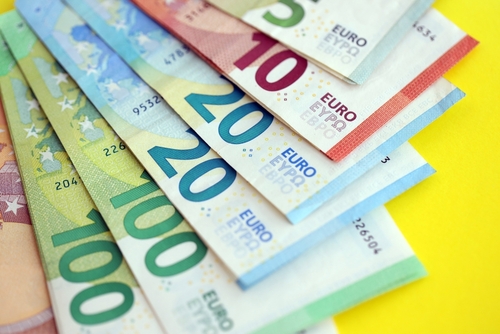

Sending money across borders in Europe used to be a frustrating experience. It involved high fees, complex processes, and days of waiting for funds to arrive. If you needed to pay a freelancer in France from an account in Germany, it felt just as complicated as sending money to the other side of the world.
The Single Euro Payments Area (SEPA) changed all of that. It introduced a standardized system that makes euro payments across participating countries incredibly simple. By removing the traditional barriers between national banking systems, SEPA treats cross-border European transfers exactly like domestic ones.
Understanding how this system works can save you time and money. Whether you are an individual sending money to family or a business paying international suppliers, this guide will explain everything you need to know. You will learn how SEPA operates, the different types of transfers available, and how it compares to other global payment networks.
What Is SEPA?
SEPA stands for the Single Euro Payments Area. It is a payment integration initiative created by the European Union. Its primary goal is to simplify bank transfers denominated in euros. Thanks to SEPA, you can make electronic payments to any participating country as easily and safely as a local payment.
The system is governed by the European Payments Council (EPC). They set the standards and rules that all participating financial institutions must follow. While it is an EU initiative, the SEPA network extends beyond the European Union to include several non-EU countries that agree to its financial standards.
Why Was SEPA Created?
Before SEPA was introduced, European banking was highly fragmented. Every country had its own national payment system, which created massive inefficiencies for anyone trying to move money across borders.
Historically, cross-border payments came with major problems. Fees were notoriously high. Processing times were slow, often taking up to a week. The lack of standard formats meant banks had to manually process many transactions, increasing the risk of errors.
SEPA was created to solve these exact issues. The goals were clear: standardize the payment process, increase financial efficiency, and promote closer economic integration within Europe. By establishing a single set of rules, SEPA eliminated the differences between national and cross-border payments.
How SEPA Works
SEPA relies on standardized financial codes and a clear processing flow to move your money securely.
Key Components
To make a SEPA transfer, you use specific identifying codes. The most important is the International Bank Account Number (IBAN). The IBAN is a unique string of characters that identifies your specific bank account across international borders.
In the past, you also needed a Bank Identifier Code (BIC) to identify the recipient’s bank. Today, the BIC is generally no longer required for transfers within the SEPA zone. Behind the scenes, the system uses standardized ISO 20022 XML messaging. This technical standard ensures all banks communicate using the exact same financial language.
Payment Processing Flow
Sending a SEPA payment involves a simple, automated process:
- Payment initiation: You instruct your bank to send a specific amount of euros to a recipient’s IBAN.
- Bank processing: Your bank formats this request into the standard SEPA message.
- Clearing and settlement: The transaction passes through a clearing house, which settles the funds between your bank and the receiving bank.
- Funds received: The money is deposited into the recipient’s account.
Types of SEPA Payments
There are three main ways to move money within the SEPA network. Each serves a distinct purpose depending on how fast you need the money to arrive or whether the payment is recurring.
SEPA Credit Transfer (SCT)
The standard SEPA Credit Transfer is used for one-off payments. When you send money to a friend or pay a single invoice, you usually use an SCT. These transfers are reliable and typically process on the same day or the next business day.
SEPA Instant Credit Transfer (SCT Inst)
When you need money delivered immediately, you can use a SEPA Instant Credit Transfer. This system processes payments in real-time. The funds arrive in the recipient’s account within seconds, 24 hours a day, 365 days a year. While highly convenient, not all banks support instant transfers yet, and there is usually a maximum limit on the transfer amount.
SEPA Direct Debit (SDD)
SEPA Direct Debit is designed for recurring payments, like utility bills or software subscriptions. It allows a business to pull funds directly from your account, provided you have given them a signed mandate. There are two types of direct debits:
- Core: Designed for everyday consumers. It includes strong refund rights if a payment is taken in error.
- B2B: Designed strictly for business-to-business transactions. It has stricter rules and no refund rights once authorized.
Which Countries Are in SEPA?
The SEPA zone covers all 27 member states of the European Union. However, it also includes several non-EU countries that have adopted the SEPA standards.
Countries like the United Kingdom, Switzerland, Norway, Iceland, and Liechtenstein are all active participants. It is important to note that not all SEPA countries use the euro as their primary currency. If you send money to a non-euro country within the SEPA zone, the payment must still be denominated in euros, and the receiving bank will handle the currency conversion.
Benefits of SEPA
The SEPA system offers significant advantages for both individuals and organizations.
For Individuals
Sending money to loved ones across Europe is now stress-free. SEPA guarantees easy cross-border transfers with transparent, low fees. In many cases, standard SEPA transfers are completely free. You also benefit from faster payments and strong consumer protections, giving you peace of mind.
For Businesses
Businesses rely on predictable cash flow. SEPA simplifies payment processing by allowing companies to use a single bank account for all their European operations. It makes expanding across Europe much easier. With standardized formats, businesses can also automate their payroll and billing processes.
SEPA vs SWIFT: What’s the Difference?
When sending money internationally, you will often hear about SEPA and SWIFT. They serve different purposes.
SEPA is strictly focused on Europe and only supports euro payments. Because it is highly standardized, SEPA transfers are typically very cheap (often free) and process within one business day.
SWIFT is a global network. It connects banks worldwide and supports almost every major currency. Because SWIFT payments often pass through multiple intermediary banks, they usually carry higher fees and take several days to complete.
Common Use Cases
People and businesses use the SEPA network every day for a wide variety of tasks:
- Paying freelancers: A company in Spain can easily pay a graphic designer in Germany.
- Subscription billing: SaaS companies use SEPA Direct Debit to charge European customers automatically.
- Cross-border payroll: Employers can deposit salaries directly into the bank accounts of remote workers across the continent.
- E-commerce payments: Online shoppers can pay for goods using simple, direct bank transfers.
Limitations of SEPA
While SEPA is incredibly efficient, it does have a few limitations. The most obvious is that it only supports payments made in euros. If you want to send US Dollars or British Pounds, you have to use a different network. It is also not a truly global system; you cannot use SEPA to send money to Asia or the Americas. Finally, while instant payments are growing, they are not yet universally supported by all financial institutions in the network.
Is SEPA Safe?
Yes, SEPA is highly secure. The entire network operates under a strong regulatory framework enforced by European authorities.
Consumer protections are a major focus, especially regarding SEPA Direct Debits. If a company takes a direct debit payment in error, consumers have up to eight weeks to request a “no-questions-asked” refund from their bank. Furthermore, the standardized digital messaging used by SEPA incorporates modern fraud prevention standards, ensuring your financial data is protected during transit.
How to Make a SEPA Payment
Making a SEPA payment is simple and straightforward. You do not need any special software.
You only need two key pieces of information:
- The recipient’s IBAN.
- The exact name of the account holder.
Once you have these details, simply log into your online banking portal or your preferred fintech platform. Select the option to make a transfer, enter the required information and the amount in euros, and confirm the payment. The system will handle the rest.
Frequently Asked Questions (FAQ)
Is SEPA free?
In most cases, yes. EU regulations state that banks cannot charge more for a cross-border SEPA payment than they do for a domestic transfer. Since most domestic euro transfers are free, SEPA transfers are usually free as well.
How long do SEPA payments take?
Standard SEPA Credit Transfers typically take one business day. If your bank and the recipient’s bank support SEPA Instant, the money will arrive within seconds.
Can I use SEPA outside Europe?
No. SEPA is geographically limited to participating European countries. To send money to other parts of the world, you will need to use an international money transfer service or the SWIFT network.
Ready to Make Your Next SEPA Payment?
SEPA has fundamentally changed how money moves across Europe. By turning a fragmented, expensive process into a simple and standardized system, it has empowered consumers and businesses alike.
It reduces costs, speeds up transfers, and provides a secure environment for your money. Whether you are paying bills, collecting subscriptions, or sending funds to family, SEPA ensures your euros get exactly where they need to go.