

When a parent or grandparent lives in another country, staying connected isn’t just emotional—it’s financial. Many families send money regularly to cover the cost of elder care abroad, from in-home caregivers to assisted living facilities, medications, and doctor visits. Getting that support right takes more than goodwill. It takes planning.
The challenge is real. Long-distance caregiving means you can’t always see what’s happening on the ground. Costs change. Needs evolve. And the pressure to provide consistent support—without stretching your own finances too thin—can feel overwhelming.
This guide won’t cover legal frameworks or tax obligations. Instead, it focuses on the practical side: understanding what care costs, building a realistic budget, choosing reliable ways to send money, and keeping communication clear with everyone involved.
Whether this is your first time sending funds for elder care or you’re trying to bring more structure to an existing arrangement, the steps below will help you provide steady, compassionate support from afar.
Understand the Type of Care Your Loved One Needs

Before you transfer a single dollar, get a clear picture of what kind of care is actually required. The right support depends entirely on your loved one’s health, mobility, and living situation.
Common care arrangements include:
- In-home caregiver support — A paid caregiver assists with daily tasks like bathing, cooking, and medication management
- Assisted living facilities — Structured housing with professional care staff available around the clock
- Nursing homes — Full-time medical and personal care for those with serious health needs
- Family-provided care — A local relative takes on caregiving duties, supported financially by family members abroad
- Medical and prescription coverage — Ongoing treatment, specialist visits, or chronic condition management
Have an honest conversation with family members on the ground. Ask specific questions: What can your loved one do independently? What do they need help with daily? Are their needs likely to increase in the coming months or years?
Starting with a clear picture prevents financial surprises later.
Estimate the Ongoing Costs
Elder care is rarely a one-time expense. It’s a recurring monthly commitment, and costs tend to increase over time.
A realistic estimate should cover:
- Caregiver wages — Whether part-time or live-in, caregiver pay is often the largest expense
- Housing or facility fees — Rent, room and board, or facility charges
- Food and daily living expenses — Groceries, household supplies, personal hygiene products
- Medications — Especially for chronic conditions that require long-term prescriptions
- Doctor visits and specialist appointments — Routine check-ups plus any specialist care
- Transportation — Getting to appointments, therapy, or other activities
- Medical equipment — Wheelchairs, walkers, hearing aids, or home monitoring devices
- Emergency reserve — A buffer for unexpected hospitalizations or urgent needs
Research typical care costs in the specific country and region where your loved one lives. Costs vary widely between urban and rural areas, and between countries. Build in a 10–15% buffer to account for price increases, exchange rate shifts, or sudden changes in health status.
Build a Sustainable Monthly Budget

Sending money reactively—only when something comes up—creates stress for everyone. A predictable monthly plan is far more effective.
When building your budget, consider:
- How much can you realistically send each month? Be honest about your own financial limits. Unsustainable commitments create long-term problems.
- Is this a short-term or long-term arrangement? Ongoing care requires a different financial strategy than temporary support during recovery.
- Can other family members contribute? Sharing the financial responsibility reduces pressure and keeps support consistent even during difficult months.
- What happens if costs increase? Build a plan for how the group will respond to rising expenses rather than reacting in the moment.
A written budget—even a simple spreadsheet—makes expectations clear and helps track where money is actually going. Review it every few months to ensure it still reflects reality.
Choose the Best Way to Send Money
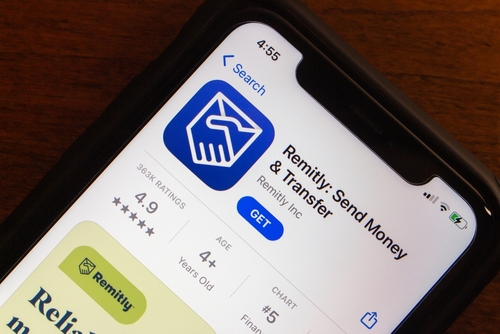
Selecting the right transfer method matters more than many people realize. Fees and exchange rates can significantly affect how much your loved one actually receives.
Common options include:
- Bank wire transfers — Reliable but often slow and expensive, particularly for international transfers
- Online money transfer services — Generally faster, more affordable, and easier to track than traditional bank transfers
- Direct payments to care facilities — Some nursing homes or assisted living facilities accept international payments directly, which can simplify record-keeping
Whichever method you choose, keep these principles in mind:
- Compare exchange rates and fees before each transfer, or choose a service with transparent, fixed pricing
- Verify recipient details carefully — A single digit error in an account number can delay or misdirect funds
- Keep records of every transfer — Transaction confirmations, amounts, dates, and recipients
- Use secure, reputable services — Look for services regulated in their home country with strong customer protections
For recurring expenses like caregiver wages or facility fees, setting up automated monthly transfers can reduce the chance of missed payments and provide peace of mind for your loved one and their caregivers.
Communicate Clearly With Everyone Involved

Money and family are a complicated combination. Without clear communication, even well-intentioned financial support can lead to misunderstandings, resentment, or mismanaged funds.
A few practices that help:
- Agree on who manages funds locally. One person should be responsible for receiving and distributing money. Define this role clearly.
- Request regular expense updates. Ask for receipts, invoices, or simple summaries of how funds are being used. This isn’t about distrust—it’s about transparency.
- Be honest about what you can and can’t afford. Setting realistic expectations now prevents disappointment later.
- Discuss changes promptly. If care needs or costs change, bring the whole family into the conversation quickly.
Trust grows from transparency. Families that communicate openly about finances tend to handle the hard moments—health crises, unexpected costs, disagreements—far more effectively.
Plan for Medical Emergencies

Health situations can shift quickly, especially with elderly loved ones. A plan built around routine expenses may not be enough if an emergency strikes.
To stay prepared:
- Maintain an emergency reserve. Aim to keep the equivalent of one to three months of care costs set aside specifically for urgent situations.
- Know your transfer speed options. Some services offer expedited or same-day transfers for an additional fee—understand your options before you need them.
- Keep caregiver and facility contact details up to date. Have a clear point of contact you can reach in a medical crisis.
- Discuss backup care plans. If your primary caregiver is unavailable, who steps in? Map this out in advance.
Preparation doesn’t eliminate emergencies. But it does mean you can respond quickly and calmly instead of scrambling at the worst possible moment.
Don’t Forget Emotional Well-Being
Financial support is essential. But it isn’t everything.
Aging loved ones who live far from family can experience loneliness and isolation. Regular connection—not just money—makes a real difference to their quality of life.
- Schedule consistent video calls, even brief ones
- Send photos, voice messages, or letters to stay present
- Visit in person when your circumstances allow
- Acknowledge and appreciate local caregivers—they’re often doing difficult, emotionally demanding work
The families that do this best treat long-distance caregiving as both a financial responsibility and a relational one. Both matter.
Common Mistakes to Avoid
Even families with the best intentions can fall into predictable traps. Watch out for these:
- Sending money without understanding actual costs. Guessing at expenses leads to underfunding or unnecessary overpayment.
- Not planning for cost increases over time. Elder care almost always gets more expensive as health needs grow.
- Failing to track transfers. Without records, it’s impossible to know whether funds were received, or how they were used.
- Relying on verbal agreements. Spoken commitments about who pays what and who manages funds tend to break down under pressure.
- Skipping emergency planning. Assuming everything will stay stable is a risk that families often regret.
Frequently Asked Questions
How often should I send money for elder care abroad?
Monthly transfers are the most common approach. They align with recurring expenses like caregiver wages, housing, and medications, and make it easier to budget consistently. For families managing fluctuating costs, a base monthly transfer with an additional emergency buffer works well.
What’s the most reliable way to send money for elder care internationally?
Online money transfer services are generally fast, affordable, and easy to track. Look for a service that clearly displays exchange rates and fees upfront, and allows you to set up recurring transfers for regular payments.
What if I can’t afford to send as much as is needed?
Be transparent with other family members as early as possible. Pooling contributions from multiple relatives—even small amounts—can make a meaningful difference. It’s also worth reassessing the care plan to identify which expenses are essential versus optional.
How do I make sure the money is being used appropriately?
Agree on a local family member or trusted contact who manages funds and provides regular updates. Ask for receipts or summaries when possible. Transparency and clear communication from the start build the foundation for trust.
What should I do if care costs suddenly increase?
Contact family members immediately and reassess the budget as a group. If the increase is ongoing, update your monthly plan accordingly. If it’s temporary—such as a short hospitalization—use your emergency reserve if you have one.
Provide Care With Stability and Compassion
Supporting an aging loved one from abroad is one of the most meaningful things a family can do. It’s also one of the most challenging. Costs are ongoing, needs change, and distance makes everything harder to manage.
But with a clear understanding of care requirements, a realistic budget, consistent transfers, and open communication, you can provide reliable support without burning yourself out.
Start with what you know. Build a plan. Review it regularly. And remember—your loved one doesn’t just need financial stability. They need to feel that family is still close, even across borders.
The planning itself is an act of care.