
Buying gold or fine jewelry internationally can provide access to unique designs, cultural pieces, and potentially competitive pricing. However, these high-value purchases come with important considerations—from fraud risks and currency fluctuations to customs regulations and delivery logistics.
Unlike everyday online shopping, international gold and jewelry transactions require careful planning. Payment verification, exchange rate timing, import duties, authentication, and gold price volatility can all affect your overall cost and experience.
This guide walks through key considerations when sending money for jewelry or gold purchases abroad. You’ll learn how to research sellers, review payment options, understand currency considerations, prepare for customs requirements, and recognize common scam warning signs. Whether you’re buying investment-grade bullion, bridal jewelry, or custom pieces, taking a thoughtful approach can help protect both your funds and your purchase.
Understanding What You’re Paying For
Before sending funds internationally, it’s important to understand what you’re buying and how pricing typically works.
Types of International Jewelry & Gold Purchases
International buyers commonly purchase:
- Gold bars or coins: Investment-grade bullion with verified purity
- Bridal or cultural jewelry: Traditional designs from specific regions
- Custom-designed pieces: Commissioned work from international artisans
- Antique or estate jewelry: Vintage items with historical value
- Standardized bullion products: Gold items commonly used for long-term holding
Each category may involve different pricing structures, documentation standards, and customs considerations.

How Gold Pricing Works
Gold prices fluctuate based on global market activity. Understanding typical pricing components can help you evaluate quotes more confidently.
Spot price refers to the current market price for raw gold, typically quoted per troy ounce or gram. This price can change throughout the trading day.
Retail markup may include craftsmanship, brand premiums, dealer margins, and local taxes. For example, a simple gold chain might carry a markup over spot price, while designer or intricate pieces may reflect higher craftsmanship costs.
Currency fluctuations can affect your final cost when paying in a foreign currency. Exchange rate movements between invoice issuance and payment processing may slightly increase or decrease your total amount.
When reviewing a quote, ask for a clear cost breakdown so you understand how the final price is calculated.
Verifying the Seller Before Sending Funds
It’s important to research any seller thoroughly before transferring money internationally.
Suggested Verification Steps
Consider confirming:
- Business registration with local authorities
- A verified physical address
- Independent customer reviews
- Trade association memberships (if applicable)
- Hallmarks and certification standards
Searching the company name alongside terms like “review,” “complaint,” or “scam” may also provide additional context.
Documentation to Request
Professional sellers often provide:
- A detailed invoice outlining weight, purity, and pricing components
- Assay or purity certificates from recognized testing facilities
- Written return or refund policies
- Shipping and insurance documentation
Requesting documentation before payment helps clarify expectations on both sides.
Payment Options to Consider
Different payment methods offer varying levels of cost, processing time, and consumer protections.
1. International Bank Wire Transfer
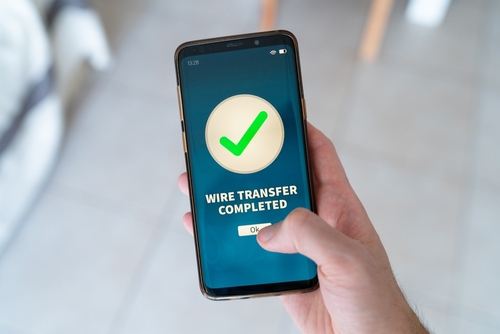
Wire transfers are commonly used for higher-value purchases.
Considerations:
- May involve transfer fees
- Exchange rates vary by bank
- Transfers are typically difficult to reverse
It’s a good practice to confirm recipient bank details directly with the business using verified contact information.
2. International Money Transfer Services
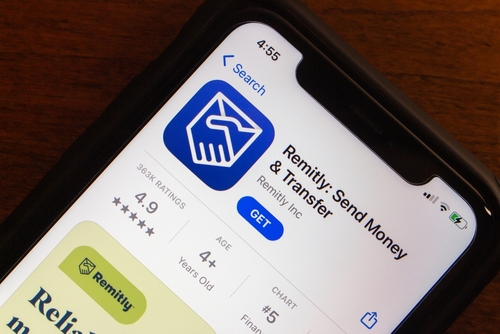
Some buyers use specialized transfer providers.
Considerations:
- Fees and exchange rates vary by provider
- Transfer limits may apply
- Consumer protections differ across platforms
Review the provider’s terms and dispute processes before initiating payment.
3. Credit Card (When Accepted)
Some established retailers accept credit cards for certain purchases.
Considerations:
- May include foreign transaction fees
- Spending limits may apply
- Card issuers may offer dispute processes
Not all gold dealers accept cards due to processing costs.
4. Escrow Services for High-Value Purchases
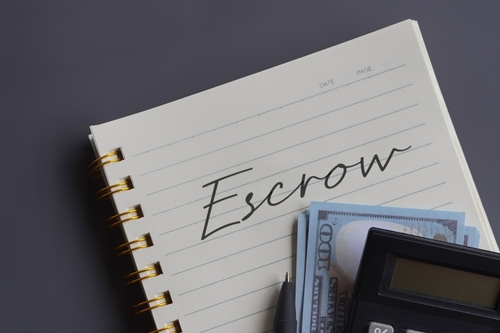
Escrow services hold funds until both parties meet agreed conditions.
Considerations:
- Additional service fees
- Longer processing timelines
- Both buyer and seller must agree to terms
For larger purchases, some buyers explore escrow as an added precaution.
Understanding Gold Price & Currency Movements
Gold prices and currency exchange rates move independently. If there is a delay between agreeing to a price and completing payment, the final amount may change slightly due to market movements.
Some buyers request time-limited quotes to reduce exposure to gold price changes during the payment window. Acting promptly after receiving an invoice may also reduce uncertainty related to exchange rate fluctuations.
Because both gold prices and exchange rates can shift over short periods, it may be helpful to build flexibility into your budget.
Customs, Duties & Import Regulations
International gold and jewelry purchases may be subject to import requirements in your home country.
Common Considerations
- VAT or sales tax on imported goods
- Customs duties depending on item type
- Required documentation at delivery
- Shipping insurance requirements
Import regulations vary by country. Reviewing your local customs authority website or speaking with a licensed customs broker can help clarify obligations.
Under-declaring item value to reduce duties is illegal and may result in penalties or confiscation.

Avoiding Jewelry & Gold Payment Scams
High-value international transactions can attract fraudulent activity. Staying alert to warning signs is important.
Potential Red Flags
- Prices significantly below prevailing market levels
- Pressure to complete payment urgently
- Requests to send funds to personal accounts
- Lack of formal documentation
- Reluctance to provide certification details
If anything feels unclear or inconsistent, consider pausing the transaction until questions are resolved.
Shipping & Insurance Considerations
Secure delivery is an important part of the process.
Buyers often look for:
- Fully insured courier services
- Signature-required delivery
- Tracking numbers
- Clear documentation of declared value
Major international carriers may offer insured and trackable shipping options. Confirm coverage limits and claim timelines in advance.
Upon delivery, inspect the package carefully and document its condition in case a claim becomes necessary.

Tax & Reporting Considerations
Depending on your country, large international transfers or precious metal purchases may carry reporting requirements.
Regulations differ widely. If you are purchasing gold as an investment rather than personal use, you may wish to consult a qualified tax professional regarding recordkeeping and potential future obligations.
Step-by-Step Preparation Checklist
Before sending funds internationally, consider:
- Researching the seller’s credentials
- Requesting detailed invoices and documentation
- Reviewing payment method terms and fees
- Confirming bank details using verified contact information
- Understanding shipping and insurance coverage
- Reviewing potential customs obligations
- Keeping copies of all records
- Inspecting the item promptly upon delivery
Approaching the transaction methodically can help reduce uncertainty and improve clarity throughout the process.
Frequently Asked Questions
Is it safe to wire money for gold overseas?
Wire transfers to verified, established dealers with proper documentation can be safe. Always confirm bank details by phone, use secure communication channels, and verify business credentials thoroughly. Never wire money based solely on email instructions.
Can I reverse an international gold payment?
Reversal options depend on your payment method. Bank wires are extremely difficult to reverse once processed. Credit cards offer chargeback protection for disputed transactions. Money transfer services have varying dispute policies. Escrow services provide the strongest protection by holding funds until you confirm receipt. Choose your payment method partly based on available recourse.
How do I verify gold purity before buying?
Request third-party assay certificates from recognized testing facilities. Reputable sellers provide documentation from independent labs confirming gold content, purity level, and weight. Check for proper hallmarks indicating karat weight (10K, 14K, 18K, 24K) or fineness (999, 916, 750). Consider requiring professional appraisal upon receipt for high-value purchases.
Will I pay import taxes on jewelry?
Most countries charge import duties on jewelry, typically ranging from 5-20% of declared value. Rates vary by country, gold content, and whether items are considered personal effects or imports for resale. Some nations offer personal exemptions for items under certain value thresholds. Check your country’s customs website or consult a customs broker for specific rates.
Should I pay in local currency or USD?
Paying in the seller’s local currency typically provides better exchange rates. When given the choice between currencies at payment, always select the seller’s local currency and let your payment provider handle conversion. This avoids dynamic currency conversion fees charged by the seller’s bank. Compare exchange rates across multiple providers before choosing your payment method.