

Paying off a mortgage abroad can simplify your finances and eliminate ongoing international payment obligations. However, transferring a large sum across borders requires more preparation than a standard domestic payment.
Exchange rate movements, lender documentation requirements, transfer processing timelines, and legal discharge procedures all play a role in successfully closing out a foreign mortgage. Careful planning helps you avoid delays, unexpected costs, or compliance issues.
Confirming Your Exact Mortgage Payoff Amount
Before sending any funds, request a formal payoff statement from your lender. This document outlines the exact amount required to clear your loan on a specified date.
A payoff statement typically includes the remaining principal balance, accrued interest through a stated date, and any administrative or discharge-related fees. Because interest may accrue daily, the payoff amount is usually valid only for a limited time period.
If the payment is delayed beyond the validity window, an updated statement may be required.

Reviewing Fees and Conditions
Some mortgages include early repayment conditions or administrative fees associated with closing the loan. Carefully review your loan agreement and confirm whether any prepayment penalties apply.
In addition, confirm the currency in which your lender requires payment. If the mortgage is denominated in a foreign currency, you will need to account for currency conversion when transferring funds.
Managing Currency Considerations
When transferring a large mortgage payoff internationally, exchange rate movements may affect your overall cost. Because rates fluctuate regularly, the amount required in your home currency may vary between the time you request your payoff statement and when you initiate the transfer.
Some borrowers choose to convert funds in advance, while others explore options offered by financial institutions to schedule or structure future transfers. The appropriate approach depends on your timeline and comfort with exchange rate variability.
Including a buffer in your planning may help account for potential exchange rate changes during the transfer process.
Choosing a Transfer Method
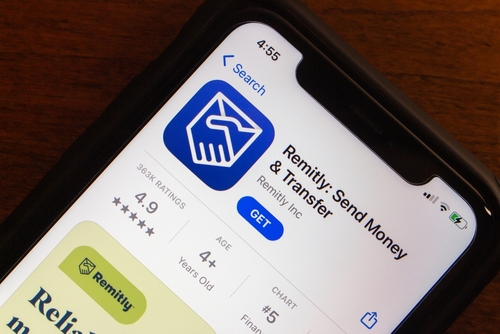
International mortgage payoffs can typically be completed through traditional bank wire transfers, international payment services, or, if available, from a local bank account in the country where the mortgage is registered.
Each method may have different processing timelines, transfer limits, and documentation requirements. Before sending funds, confirm:
- Daily transfer limits
- Expected processing time
- Required reference details for the lender
- Any compliance documentation needed
Planning your transfer several business days before the payoff statement expires can reduce the risk of delays.
Legal and Documentation Requirements
Large cross-border transfers are commonly subject to regulatory reporting in both the sending and receiving countries. Financial institutions may request documentation verifying the source of funds and the purpose of the transaction.
After your lender receives payment, request official confirmation that the mortgage has been discharged. This may include a discharge certificate, lien release document, or updated land registry record depending on the country.
Keep copies of all payoff statements, transfer confirmations, and discharge documentation for your records.
Tax Considerations
Paying off a foreign mortgage may have tax implications, particularly if you have been deducting mortgage interest or reporting foreign property ownership.
If you plan to sell the property in the future, documentation of the mortgage discharge may also be relevant for capital gains reporting. Consult a qualified tax professional familiar with cross-border matters before completing your payoff.
Timing and Coordination
International transfers can take several business days to process. Banking holidays in either country may extend timelines. Coordinate closely with your lender to ensure funds arrive within the payoff statement’s validity window.
Always verify wire instructions directly with your lender using independently sourced contact information before authorizing payment.
Frequently Asked Questions (FAQs)
Is there a limit on how much I can send internationally?
Transfer limits vary by institution and account type. Contact your bank or payment provider in advance to confirm limits and arrange any necessary adjustments for large transfers.
How long do international mortgage payoff transfers take?
Processing times depend on the countries involved and the institutions used. Transfers often take several business days. Initiating payment in advance of the payoff statement expiration helps prevent delays.
Can an international wire transfer be reversed?
Once processed, international wire transfers are generally difficult to reverse. Carefully verify all account details before sending funds.
What documents should I retain after payoff?
Keep copies of the payoff statement, transfer confirmation, official discharge certificate, and updated property registry documents. These records may be needed for tax reporting or future property transactions.
Should I convert currency all at once?
The appropriate approach depends on your timeline and comfort with exchange rate movement. Some borrowers convert funds earlier in the process, while others time conversions closer to payment deadlines.
Final Thoughts
Paying off a mortgage in another country involves more than simply transferring funds. Careful coordination, proper documentation, and thoughtful timing help ensure a smooth transaction.
By confirming payoff details, planning for currency considerations, and retaining complete records, you can close out your international mortgage with confidence and clarity.