

Losing someone you care about is incredibly difficult. When that person lived in another country, the emotional strain can be compounded by logistical and financial challenges. Families may need financial support quickly to cover funeral arrangements, travel, and related expenses.
If you need to send money internationally for funeral costs, understanding your options can help you make informed decisions during a stressful time. This guide outlines common transfer methods, practical considerations, and steps to help you move funds across borders.
Why Timing Can Be Important
In many cultures and religions, funeral services or burials take place within a few days of a person’s passing. As a result, family members may need access to funds on short notice.
International transfer times vary depending on factors such as:
- The provider you choose
- The destination country
- The payment and delivery method
- Local banking systems and holidays
Some transfers may be completed the same day, while others can take several business days. Reviewing estimated delivery times before confirming a transaction can help set expectations.

Understanding Funeral Costs Abroad
Funeral expenses differ significantly around the world based on local customs, service types, and location.
Costs may include:
- Burial or cremation services
- Coffin or urn
- Cemetery or memorial plot
- Religious or cultural ceremonies
- Transportation
- Food and hospitality for gatherings
- Official documentation, such as death certificates
If possible, ask your family for a detailed estimate. This can help you determine the appropriate amount to send and reduce the need for multiple transactions.

Common Ways to Send Money Internationally
Several types of financial service providers offer international money transfers. Availability and features vary by country.
Online Money Transfer Providers
Digital transfer services allow individuals to send money internationally through a website or mobile application. Delivery options may include:
- Direct deposit to a bank account
- Cash pickup at a designated location
- Transfer to a mobile wallet
Processing times, fees, and exchange rates vary. Review the total cost and estimated delivery time before confirming your transfer.
Bank Wire Transfers
Banks commonly offer international wire transfers. These transfers may involve service fees and can take several business days to process. In some cases, intermediary banks may apply additional charges.
This option may be suitable if the recipient has a bank account and immediate access is not required.
Cash Pickup Services
In areas where bank access is limited, cash pickup may be available. The recipient typically collects the funds in person at a participating location and may need to present identification and a reference number.
Availability and processing times depend on the provider and country.
Mobile Wallet Transfers
In some regions, mobile wallets are widely used for financial transactions. If supported in the destination country, funds can be delivered directly to the recipient’s mobile wallet account.
Before selecting this method, confirm that the recipient has an active and correctly registered account.
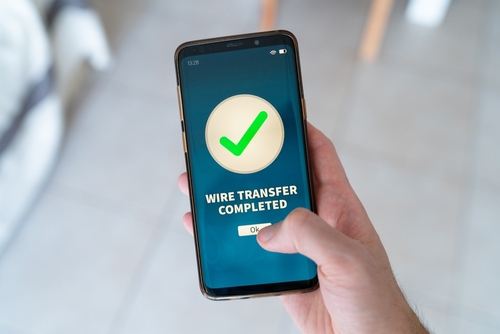
Step-by-Step: Sending Money Abroad
Although procedures vary by provider, the general process often includes:
- Creating an account with a licensed transfer provider
- Verifying your identity, if required
- Entering the recipient’s details
- Selecting a delivery method
- Reviewing fees, exchange rate, and estimated delivery time
- Confirming and submitting the transfer
Keep the transaction confirmation details for your records. Sharing relevant information with your recipient can help them access the funds without delay.
Managing Transfer Costs
Funeral expenses can create financial pressure. When sending money internationally, consider:
- Reviewing both transfer fees and exchange rate margins
- Checking whether faster delivery options involve additional charges
- Confirming transfer limits in advance
- Double-checking recipient information to avoid corrections or delays
Reading the provider’s pricing disclosures and terms can help you understand the full cost of the transaction.
Communicating Clearly with Family Members
Before sending funds, confirm:
- The exact spelling of the recipient’s name as shown on identification
- Their preferred delivery method
- Bank account or mobile wallet details (if applicable)
- Whether they can access a pickup location if using cash collection
After sending the money, share the expected timeframe and any reference information they may need.

Frequently Asked Questions
How quickly can money be sent internationally?
Delivery times vary by provider, country, and payment method. Some transfers may be completed the same day, while others take several business days. Always check estimated timelines before sending.
Is it safe to send money internationally?
Using a licensed and regulated financial service provider can help reduce risk. Look for providers that follow identity verification and security practices designed to protect transactions.
Can I send money to someone without a bank account?
In some countries, alternatives such as cash pickup or mobile wallet transfers may be available. Options depend on local infrastructure and the provider you select.
Are there limits on how much I can send?
Many providers have daily or per-transaction limits. Larger transfers may require additional identity verification or documentation.
Supporting Your Family During a Difficult Time
Handling financial matters while grieving is never easy. Taking a few minutes to review your options, confirm details with your family, and understand delivery timelines can help reduce additional stress.
While the circumstances are difficult, choosing a transfer method that aligns with your family’s needs can help ensure funds arrive where they’re needed.