

Engagement ceremonies mark the formal beginning of a marriage journey. Whether it’s a roka in India, a sagai in Pakistan, a nikkah celebration in the Middle East, or a betrothal party in Europe, these events bring families together to honor tradition and celebrate love.
But when your engagement ceremony takes place abroad, the celebration comes with financial complexity. You may need to coordinate payments across borders, manage currency exchange rates, and ensure funds reach vendors or family members safely and on time.
This guide walks you through the entire process of sending money for engagement ceremonies abroad. You’ll learn how to choose the right payment method, protect yourself from fraud, manage currency risk, and navigate the logistics of international transfers with confidence.
Understanding the Costs of Engagement Ceremonies Abroad

Engagement ceremonies vary widely by culture and location, but most share common expense categories that require careful budgeting and planning.
Common Expenses
- Venue rental: Event spaces, banquet halls, or outdoor locations
- Catering: Multi-course meals, traditional dishes, and beverages for guests
- Decorations and floral design: Stage backdrops, centerpieces, and ceremonial arrangements
- Photography and videography: Professional documentation of the event
- Traditional clothing: Ceremonial attire for the couple and immediate family
- Jewelry and ceremonial gifts: Engagement rings, gold sets, or other traditional items
- Live music or performers: Bands, DJs, or cultural entertainment
Cultural Additions
Many engagement ceremonies include expenses unique to specific traditions:
- Gift exchanges between families
- Gold purchases (bangles, chains, or coins)
- Formal dowry contributions where culturally applicable
- Religious officiant fees
- Henna artists or other ceremonial specialists
Example budget breakdown for a 150-guest engagement ceremony:
- Venue and catering: $18,000
- Photography and videography: $4,000
- Decorations and florals: $4,000
- Traditional clothing: $3,000
- Jewelry and gifts: $12,000
- Entertainment: $3,000
- Miscellaneous: $2,000
Estimated Total: $46,000
Understanding these costs upfront helps you plan realistic budgets and avoid surprises when sending funds internationally.
Who Is Paying — And How Funds Move Internationally
Engagement ceremonies often involve multiple families contributing from different countries. Clear communication about who pays for what prevents misunderstandings and ensures smooth financial coordination.
Common Funding Structures
One family hosting locally: A single family covers all costs in the country where the ceremony takes place.
Shared expenses across families in different countries: Multiple families contribute predetermined amounts toward specific categories.
Family sending funds to relatives to manage payments: Overseas family members transfer money to local relatives who handle vendor payments directly.
Direct payment to vendors abroad: Families pay venues, caterers, or other service providers directly from their home country.
Importance of Clarity
Financial expectations around engagement ceremonies can vary significantly by culture and family tradition. To avoid confusion:
- Have written agreements on contribution amounts
- Clarify who is responsible for each expense category
- Track payments across currencies to ensure accurate accounting
- Document all transfers and receipts for transparency
Clear communication protects relationships and ensures everyone understands their financial responsibilities before money changes hands.
Choosing the Right Way to Send Money
Several payment methods exist for sending money for engagement ceremonies abroad. Each has advantages and limitations depending on your specific needs.
1. International Bank Wire Transfers
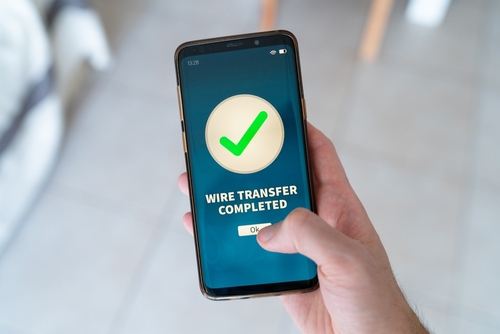
Traditional bank wires work well for large deposits and formal vendor payments.
Advantages:
- Suitable for transfers over $10,000
- Direct bank-to-bank security
- Established documentation trail
Considerations:
- Higher fees (often $25-$50 per transfer)
- Less competitive exchange rates
- Processing times of 3-5 business days
2. International Payment Platforms
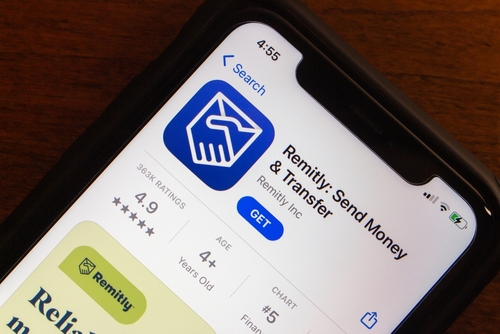
Specialized money transfer services often provide better value than traditional banks.
Advantages:
- More transparent and competitive exchange rates
- Faster transfers (often within 1-2 business days)
- Lower fees for most transaction sizes
- Easy online tracking
Considerations:
- Transfer limits may apply
- Both sender and recipient may need accounts
- Not all services operate in every country
3. Credit Card Payments (If Accepted)
Some vendors accept international credit card payments directly.
Advantages:
- Immediate payment processing
- Chargeback protection if disputes arise
- Rewards points on large purchases
Considerations:
- Foreign transaction fees (typically 2-3%)
- Not commonly accepted by all vendors
- Credit limits may restrict large payments
4. Sending Money to Family vs. Paying Vendors Directly

You have two main approaches: transfer funds to family members who manage local payments, or pay vendors directly from abroad.
Sending to family:
- Pros: Local family can negotiate, verify work, and handle last-minute changes
- Cons: Less direct control, potential for miscommunication
Paying vendors directly:
- Pros: Direct accountability, clear documentation, easier dispute resolution
- Cons: More complex coordination, potential language barriers
Payment Method Comparison
| Method | Typical Fees | Speed | Protection | Best Use Case |
| Bank Wire | $25-$50 | 3-5 days | Bank security | Large deposits |
| International Payment Platform | 0-2% | 1-2 days | Platform guarantees | Most transfers |
| Credit Card | 2-3% | Immediate | Chargeback rights | Direct vendor payments |
| Cash Transfer Service | Variable | Minutes-hours | Receipt confirmation | Emergency payments |
Managing Currency Risk for Engagement Events

Engagement ceremonies often require payments months in advance. Currency exchange rates can shift significantly during this time, affecting your total costs.
Why Exchange Rates Matter
When planning an engagement abroad, you typically:
- Pay deposits weeks or months before the event
- Make final payments closer to the ceremony date
- Handle unexpected last-minute expenses on-site
If your home currency weakens against the local currency during this period, your costs increase—even though vendor prices haven’t changed.
Risk Management Strategies
- Converting funds early: Transfer the full amount when exchange rates are favorable, even if final payments aren’t due yet.
- Using multi-currency accounts: Hold funds in the destination currency to avoid repeated conversion fees.
- Locking exchange rates: Some services allow you to secure a specific rate for future transfers.
- Budgeting a buffer: Add 3-5% to your budget to account for potential currency fluctuations.
Illustrative Example:
You’re planning an engagement ceremony in India with a total budget of $30,000 USD. When you start planning, the exchange rate is 82 INR per USD, giving you ₹2,460,000.
Three months later when making final payments, the rate has shifted to 80 INR per USD. Your $30,000 now converts to only ₹2,400,000—a difference of ₹60,000 (approximately $750).
This 2% currency shift means you’re suddenly short on funds or need to transfer more money at the last minute.
Verifying Vendors & Preventing Fraud
International payments create opportunities for fraud. Protect yourself by carefully verifying vendors before sending money abroad.
Red Flags
Requests to transfer to personal accounts: Legitimate businesses use company accounts with matching names.
Urgent payment demands: Pressure tactics often signal scams.
No formal contract: Professional vendors provide written agreements before accepting deposits.
Last-minute bank detail changes: Scammers may intercept communications and provide fraudulent account information.
Protective Steps
Signed contract before payment: Never send money without a detailed written agreement specifying services, dates, and payment terms.
Verify business registration: Check that the vendor is a legitimate registered business in their country.
Confirm wire instructions verbally: Call the vendor directly using a phone number you’ve independently verified—not one provided only via email.
Keep written records: Save all contracts, receipts, email confirmations, and payment records.
Use secure payment methods: Choose transfer services with fraud protection and clear dispute resolution processes.
Pre-Transfer Vendor Safety Checklist
Before sending any money:
- Written contract signed by both parties
- Vendor business registration verified
- Bank details confirmed through direct phone call
- Online reviews checked from multiple sources
- Payment schedule clearly documented
- Cancellation and refund terms understood
- Contact information for vendor verified through multiple channels
- Screenshots and records of all communications saved
Tax & Reporting Considerations

Large international transfers may trigger reporting requirements in your home country or the destination country.
Family Contributions
Gift documentation: Some countries require documentation for large monetary gifts between family members.
Recordkeeping: Keep clear records of who contributed what amounts, especially for shared family expenses.
Reporting thresholds: Be aware of your country’s reporting requirements for international transfers (often $10,000 or more).
Vendor Payments
- VAT or local tax obligations: Understand if the vendor’s invoices include local taxes or if additional amounts apply.
- Proof-of-payment documentation: Maintain records that clearly show payment amounts, dates, and recipients.
- Event insurance coverage: Consider insurance that covers cancellations, vendor failures, or other financial losses.
For transfers exceeding $10,000, consult with a tax professional to ensure compliance with all reporting requirements.
What If Plans Change?
Circumstances sometimes require canceling or postponing engagement ceremonies. Understanding your financial protections is essential.
Cancellation Clauses in Contracts
Review vendor contracts carefully for:
- Deposit refundability (often non-refundable)
- Cancellation deadlines (canceling 90+ days out may offer partial refunds)
- Rescheduling options (some vendors allow date changes without penalties)
Force Majeure Terms
Force majeure clauses excuse performance when extraordinary circumstances occur (natural disasters, pandemics, government restrictions). Make sure contracts specify:
- What qualifies as force majeure
- How refunds or rescheduling works in these situations
- Who bears the financial risk
Event Insurance Protection
Event insurance can protect against:
- Vendor bankruptcy or failure to deliver services
- Venue closure or unavailability
- Family emergency requiring cancellation
- Extreme weather or natural disasters
Insurance typically costs 1-2% of your total event budget but can save thousands if problems arise.
Sample Scenario Breakdown
Situation: A U.S.-based family is funding an engagement ceremony in Mumbai, India.
Expenses:
- Venue and catering: $18,000 USD
- Jewelry purchase: $12,000 USD
- Decor and photography: $8,000 USD
- Total projected transfers: $38,000 USD
Comparing Payment Methods
Option 1: Traditional Bank Wire
- Exchange rate: 81.5 INR per USD (bank markup included)
- Total INR received: ₹3,097,000
- Transfer fee: $45
- Total cost: $38,045
Option 2: International Payment Platform
- Exchange rate: 82.8 INR per USD (competitive rate)
- Total INR received: ₹3,146,400
- Transfer fee: $15
- Total cost: $38,015
Difference: Using the payment platform delivers ₹49,400 more (approximately $600) while also costing $30 less in fees—a total savings of $630.
Impact of Currency Movement
If the exchange rate shifts from 82.8 to 81.3 INR per USD (a 1.8% change) between the deposit and final payment:
- Original budget: ₹3,146,400
- New conversion rate: ₹3,089,400
- Shortfall: ₹57,000 (approximately $700)
This scenario shows why locking rates or converting funds early can protect your budget.
Step-by-Step Action Plan Before Sending Funds
Follow this checklist to ensure smooth, secure international payments for your engagement ceremony:
1. Finalize engagement ceremony budget
List all expenses with estimated costs in local currency.
2. Clarify who is responsible for each expense
Document which family or individual covers each category.
3. Confirm vendor contracts and payment schedules
Secure signed agreements before transferring any deposits.
4. Verify bank details independently
Call vendors directly to confirm account information.
5. Compare exchange rates and transfer providers
Check at least three services to find the best rate and fees.
6. Send funds with adequate time buffer
Allow 5-7 business days before payments are due to account for processing delays.
7. Save proof of payment
Keep transaction confirmations, receipts, and wire transfer records.
8. Confirm receipt in writing
Ask vendors to confirm they received funds and applied them correctly to your account.
Frequently Asked Questions (FAQs)
Is it safe to wire money for an engagement ceremony abroad?
Yes, when you use reputable transfer services and verify vendor details carefully. Choose established platforms with fraud protection, confirm bank details through direct phone calls, and always use signed contracts before sending money.
How long do international engagement payments take?
Traditional bank wires take 3-5 business days. International payment platforms often complete transfers within 1-2 business days. Credit card payments process immediately but may take additional time for vendors to access funds.
Should I pay vendors directly or send money to family?
It depends on your comfort level. Paying vendors directly provides clear documentation and accountability. Sending funds to local family members allows them to handle negotiations and verify work quality in person.
What happens if exchange rates change?
Exchange rate fluctuations affect how much local currency your transfer delivers. Budget a 3-5% buffer for currency movement, consider converting funds early when rates are favorable, or use services that allow locking exchange rates.
Can I reverse an international wire transfer?
Once a wire transfer is completed, reversal is extremely difficult and often impossible. This makes vendor verification critical before sending money. Some payment platforms offer dispute resolution, but prevention is your best protection.
Celebrate with Confidence, Not Financial Stress
Engagement ceremonies are meaningful cultural milestones that honor love and bring families together. Careful payment planning ensures these celebrations proceed smoothly without financial surprises or stress.
By understanding your payment options, managing currency risk, verifying vendors thoroughly, and following systematic transfer procedures, you protect your funds while ensuring your engagement ceremony abroad is everything you’ve envisioned.
Treat international transfers as structured financial transactions that deserve attention and care. Your preparation creates a foundation for celebration—allowing you and your family to focus on the joy of the occasion rather than financial concerns.