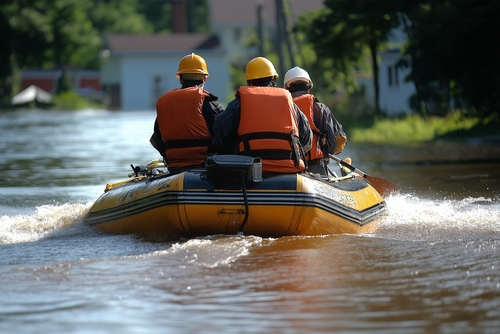

When a natural disaster strikes, the distance between you and your loved ones can feel overwhelming. You want to help quickly—but sending money internationally during an emergency can be complicated, especially if local infrastructure is damaged or unreliable.
This guide explains practical ways to send disaster relief funds to family overseas, what to consider before choosing a transfer method, and how to help ensure your money reaches them as smoothly as possible.
Why Speed and Access Matter in a Crisis
In everyday situations, waiting a few days for a transfer may be manageable. During a disaster, timing can be more urgent.
Before choosing how to send funds, focus on:
- Transfer speed
- How your recipient will access the money
Some services offer same-day or next-day delivery, while others may take several business days. Delivery times can vary depending on the destination, payment method, and local conditions.
It’s also important to confirm that your recipient can access the funds. If banks are closed or ATMs are unavailable, a bank deposit may not be practical. Understanding your recipient’s situation will help you choose the most appropriate option.
Your Options for Sending Disaster Relief Funds
Online Money Transfer Services
Many digital money transfer providers allow you to send funds from a bank account, debit card, or credit card. Common delivery options include:
- Bank deposit: Funds are sent directly to a bank account.
- Mobile wallet: Money is delivered to a mobile payment account, which is widely used in some countries.
- Cash pickup: Funds can be collected in person at a local agent location.
In some emergency situations, cash pickup or mobile wallet transfers may be more accessible if traditional banking services are disrupted.
Bank Wire Transfers
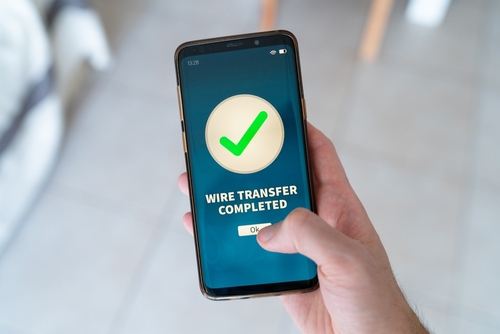
Banks typically offer international wire transfers. While widely available, they may involve higher fees and processing times that vary by institution and destination.
If you prefer to use your bank, consider contacting them directly to ask about processing times, fees, and any special procedures that may apply to disaster-affected regions.
Digital Wallets and Payment Apps
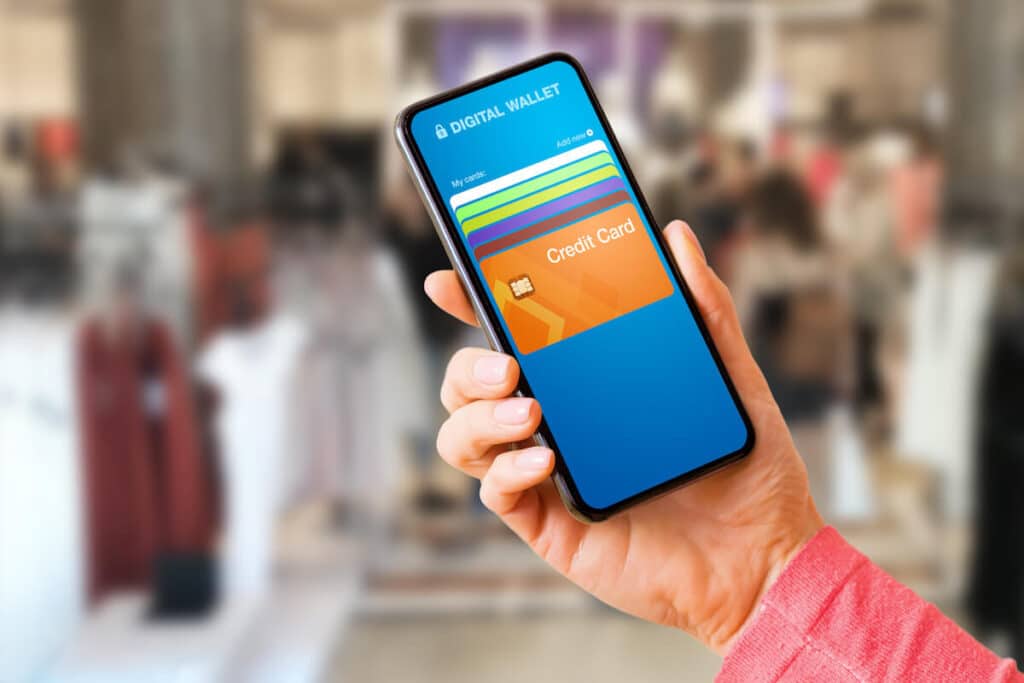
Some payment platforms offer international transfer capabilities. Availability depends on the countries supported by the provider and whether both sender and recipient have active accounts. Confirm coverage and eligibility before initiating a transfer.
Region-Specific Transfer Providers
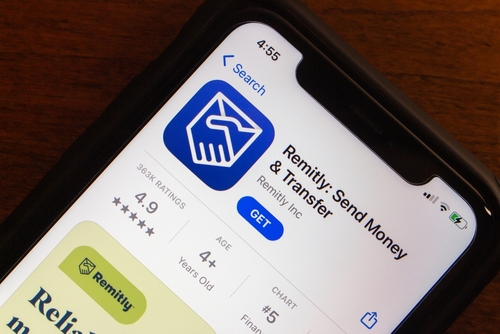
Certain services specialize in specific country corridors. These providers may offer delivery options tailored to local infrastructure and payment preferences. Researching providers that operate in your recipient’s country can help you compare available features and fees.
Step-by-Step: Sending Money During a Disaster

1. Confirm Your Recipient’s Situation
Speak with your family member to understand:
- Whether banks are open
- Whether they use a mobile wallet
- Where the nearest cash pickup location is
- What their most immediate needs are
2. Compare Transfer Services
Review:
- Exchange rates
- Transfer fees
- Estimated delivery times
- Delivery methods available in the destination country
Small differences in fees and exchange rates can affect the total amount received.
3. Set Up and Verify Your Account
Many providers require identity verification before completing a transfer. This may involve submitting a government-issued ID. Completing this step early can help avoid delays.
4. Enter Details Carefully
Double-check:
- Recipient’s full legal name
- Account or wallet number (if applicable)
- Transfer amount
Errors may delay processing or require additional steps to resolve.
5. Choose the Delivery Method
Select the option that aligns with your recipient’s access to financial services. In some emergency conditions, cash pickup or mobile wallet delivery may provide more flexibility.
6. Keep Your Confirmation Information
Save your transaction ID and confirmation details in case you need to track the transfer or contact customer support.

Understanding Exchange Rates and Fees
Exchange rates and fees directly affect how much your recipient receives. Consider the following:
- Compare the total cost of the transfer, including both fees and exchange rate margins.
- Be cautious of offers that emphasize “no fee” without clearly explaining how the provider earns revenue.
- Review the full breakdown before confirming the transaction.
What to Do If a Transfer Is Delayed
If your transfer does not arrive within the estimated timeframe:
- Check the transaction status through the provider’s website or app.
- Contact customer support for assistance.
- Ask whether local disruptions may be affecting processing times.
- If necessary, review the provider’s refund or cancellation policies.
Protecting Yourself From Scams
Unfortunately, disasters can increase the risk of fraud. To reduce risk:
- Use established, regulated financial service providers.
- Verify website URLs before entering payment information.
- Avoid responding to unsolicited requests for money.
- Never share passwords, one-time codes, or account credentials.
- Confirm that the provider is licensed or regulated in your country.
Frequently Asked Questions
How fast can I send money to a disaster-affected country?
Delivery times vary depending on the provider, destination country, payment method, and local infrastructure. Some transfers may be completed within a day, while others can take several business days.
Are there limits on how much I can send?
Yes. Many providers set per-transfer or daily limits based on country regulations and account verification level. Review the provider’s limits before initiating a large transfer.
Can I send money if the recipient doesn’t have a bank account?
Yes. Some services offer cash pickup or mobile wallet delivery options that do not require a traditional bank account.
What if financial infrastructure is severely disrupted?
If banks and digital networks are temporarily unavailable, local community organizations or aid groups may provide guidance on safe ways to deliver support. Exercise caution and verify legitimacy before using informal channels.
Planning Ahead Can Make a Difference
Sending disaster relief funds overseas requires careful consideration, especially during urgent situations. By understanding your options, comparing services, and verifying details in advance, you can make informed decisions when timing matters most.
Preparing ahead—such as setting up and verifying an account with a trusted provider—can help reduce stress if an emergency arises.