
Building a home overseas can be one of the most rewarding financial and lifestyle decisions you make. Whether you’re planning a retirement property, a second home, or a long-term investment, constructing a home abroad introduces financial considerations that go beyond a traditional property purchase.
Unlike buying an existing home with a single payment at closing, construction projects typically require multiple payments over several months. Exchange rate movements, contractor scheduling, and cross-border compliance requirements all add complexity. With careful planning, however, these challenges can be managed effectively.
Understanding the Full Cost of Building Abroad
The construction contract itself is only part of your total financial commitment. A comprehensive budget should include land acquisition (if applicable), architectural design fees, engineering studies, permits, inspections, and project management costs.
Additional expenses often include site preparation, utility connections, insurance coverage, and administrative fees. These items vary by country and location, but they can meaningfully affect your total project cost.
Because construction timelines can shift and material prices may change, it is common practice to include a contingency reserve. Setting aside an additional percentage of your total projected budget can help absorb unexpected costs without disrupting your plans.

Structuring Construction Payments
International construction contracts often follow a milestone-based payment schedule. Instead of paying the full amount upfront, payments are tied to specific stages of completion.
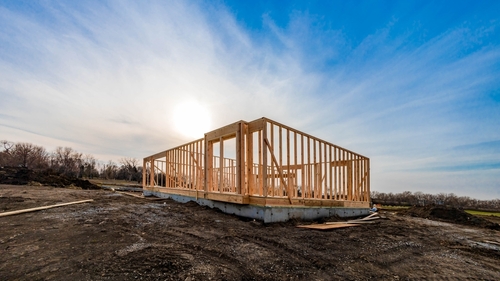
Typical stages may include an initial deposit, completion of foundation work, structural framing, interior finishing, and final inspection. Each milestone should be clearly defined in writing, with measurable completion standards.
A written contract reviewed by independent legal counsel is essential. It should outline payment timing, completion requirements, and dispute resolution procedures. Retaining a portion of the final payment until all inspections are complete is a common safeguard.
Managing Currency Considerations
When funding construction in another country, exchange rate movements may influence your overall costs. Because projects often span many months, you may be exposed to currency fluctuations across multiple payments.
Some homeowners choose to convert funds in stages aligned with project milestones. Others explore tools offered by financial institutions that allow future transfers to be arranged in advance. The right approach depends on your project timeline and comfort with exchange variability.
Regardless of strategy, building a modest buffer into your budget can help manage potential changes in currency value during the course of construction.

Choosing How to Send Construction Funds
There are several ways to send large international transfers, including traditional bank wire transfers, international payment services, and in some cases opening a local bank account in the construction country.
Each option has its own fee structure, processing timeline, and documentation requirements. Before initiating your first transfer, confirm daily limits, expected delivery times, and compliance documentation needs. Planning ahead helps avoid delays when contractor payments are due.
Legal and Regulatory Compliance
Large international transfers may be subject to reporting and compliance review in both your home country and the country where construction is taking place. Financial institutions commonly request documentation verifying the source of funds and the purpose of the transfer.
Construction projects abroad may also require local permits, tax registration, and documentation demonstrating foreign ownership eligibility. Working with a local attorney experienced in real estate and construction law can help ensure compliance from the beginning.
Cross-border tax considerations should also be reviewed with a qualified advisor. Property ownership abroad may create reporting obligations in multiple jurisdictions.
Reducing Contractor and Fraud Risk
Distance can make oversight more challenging when building abroad. Taking preventive steps helps protect your investment.
Always verify contractor licensing and business registration. Obtain references from prior clients and confirm that required permits have been issued before work begins.
Use clear written contracts and avoid paying the full project amount upfront. If possible, arrange independent inspections before releasing milestone payments. Verifying payment instructions directly by phone using independently sourced contact information can also reduce fraud risk.
Financing Considerations
Many overseas construction projects are funded through personal savings or home equity financing in the buyer’s home country. Local construction loans may be available in some destinations, though requirements and eligibility standards vary widely.
If financing is part of your plan, review loan terms carefully and factor repayment obligations into your overall construction budget.
Frequently Asked Questions (FAQs)
How long do international construction transfers usually take?
Processing times vary depending on the countries involved, the institutions used, and any required compliance review. Transfers often take several business days. Initiating payments in advance of contractor deadlines provides a helpful time buffer.
Should I convert all construction funds at once?
The appropriate approach depends on your timeline and comfort with exchange rate movement. Some homeowners prefer staged conversions aligned with construction milestones, while others convert larger amounts earlier. Consider your project schedule and budget flexibility when deciding.
Is it safe to send large milestone payments internationally?
Large transfers can be completed safely when proper precautions are taken. Verify contractor credentials, confirm payment instructions independently, and use written contracts with clearly defined milestones. Avoid sending full payment before work begins.
Do I need a local bank account in the country where I am building?
Some construction projects benefit from having a local account to manage payments efficiently, while others do not require one. Local regulations and banking policies vary by country. Consult with your attorney or financial institution to determine whether opening a local account is advisable.
What records should I keep during construction?
Maintain copies of all contracts, invoices, payment confirmations, exchange details, permits, and inspection reports. Detailed records support compliance, tax reporting, and future property transactions.
Final Thoughts
Funding a home construction project in another country requires coordination across financial, legal, and logistical dimensions. By building a comprehensive budget, structuring payments carefully, planning for currency considerations, and working with qualified professionals, you can reduce risk and maintain control throughout the project.
With preparation and disciplined oversight, your international construction project can move forward smoothly and remain aligned with your long-term goals.