

Every year on May 22, Yemen observes a profound national milestone. Yemen Unity Day commemorates the official unification of North and South Yemen in 1990. This date represents a major shift in the political and cultural landscape of the Arabian Peninsula. It brought together two distinct states into a single republic.
Today, observing this date requires acknowledging a complex reality. The modern context of Yemen includes significant humanitarian challenges and ongoing conflict. Because of this, Unity Day serves as a moment of national pride, but it also prompts deep reflection on the current state of the nation.
By understanding the history of this day, you gain insight into Yemen’s rich cultural heritage. You will discover the historical steps that led to unification. Furthermore, you will learn how the concept of unity remains a vital source of hope and resilience for Yemenis around the world.
When Is Yemen Unity Day 2026?
Yemen Unity Day takes place annually on May 22. In 2026, the holiday will fall on a Friday. This date is recognized as a national holiday within the country and is remembered by Yemeni communities globally.
What Does Unity Day Commemorate?
The holiday marks the precise day in 1990 when two independent nations merged. The Yemen Arab Republic, commonly known as North Yemen, and the People’s Democratic Republic of Yemen, known as South Yemen, officially joined forces. This merger resulted in the formation of the modern Republic of Yemen. The agreement united a divided population and created a shared national government.
The Historical Background of Unification
Understanding the path to unification requires looking at the distinct histories of both regions. The journey involved years of political maneuvering and shared aspirations.
Two Separate States
Before 1990, the two regions operated under very different political systems. North Yemen functioned under a traditional republican system after the fall of the Mutawakkilite Kingdom in 1962. South Yemen, gaining independence from British colonial rule in 1967, established a socialist state. These different ideologies often led to border disputes and regional tensions.
The Path to Unification
Despite their differences, the desire for a united Yemen remained strong among the people. Political negotiations gained serious momentum in the 1980s. Leaders from both sides recognized the economic and social benefits of merging. Ali Abdullah Saleh of North Yemen and Ali Salim al-Beidh of South Yemen led these intensive discussions, eventually reaching a consensus to combine their governments.
The Declaration of Unity
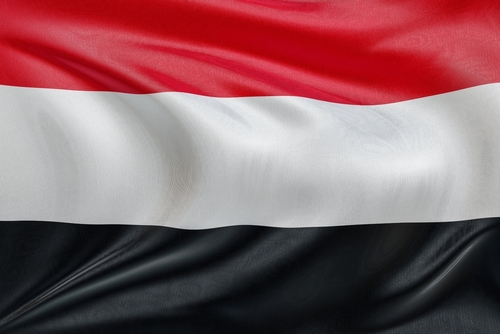
The long-awaited unification became official on May 22, 1990. The two leaders raised the new national flag in Aden, the former capital of the South. This declaration marked the beginning of a new era, establishing a unified constitution and a transitional government.
Why Unity Day Matters
Unity Day stands as a powerful symbol of national identity. It represents a shared future built on the historical ties that connect all Yemenis. The 1990 agreement provided hope for regional stability, economic growth, and peaceful cooperation. It remains a defining moment in Yemen’s modern history, representing the triumph of diplomacy and shared heritage over ideological division.
How Unity Day Has Been Celebrated
Over the decades, the observance of Unity Day has included a variety of national and local events. The celebrations typically highlight patriotism and shared culture.
Official Ceremonies
Historically, the government has organized large-scale official ceremonies. These events often include televised speeches by political leaders, military parades, and award ceremonies recognizing national achievements.
Public Celebrations
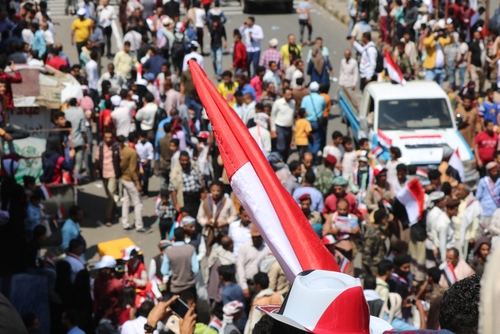
Citizens have traditionally celebrated by decorating streets and homes with the national flag. Public concerts, poetry readings, and cultural gatherings allow communities to share in the patriotic spirit. Music and traditional dances play a large role in these festivities.
Media and National Messaging
Television and radio broadcasts focus heavily on themes of unity and shared identity. Documentaries detailing the history of the 1990 merger are frequently aired, educating younger generations about the significance of the day.
Unity Day in a Modern Context
It is impossible to discuss Yemen today without acknowledging the ongoing conflict. The country faces severe humanitarian challenges that have fractured the political landscape. As a result, the meaning of Unity Day has evolved. For many, it is no longer just a celebration of the past. Instead, it serves as an urgent reminder of the need for peace, reconciliation, and a return to cooperative governance. The concept of unity is now seen as an ongoing aspiration rather than a completed goal.
Cultural Identity and Shared Heritage
Yemen possesses a remarkably rich cultural heritage. This heritage predates the modern political borders and serves as a strong unifying force. The country shares a common Arabic language, deeply rooted tribal traditions, and a distinct architectural style visible in ancient cities like Sana’a and Shibam. Traditional music and poetry also cross regional lines. This shared cultural identity plays a crucial role in fostering a sense of unity among the people, regardless of current political divisions.
How to Engage with Unity Day Thoughtfully
For international readers, observing Yemen Unity Day requires a thoughtful and respectful approach.
Learn Yemen’s History
Take time to educate yourself about both the 1990 unification and the current realities facing the country. A clear understanding of the region’s past helps contextualize its present challenges.
Support Awareness and Humanitarian Efforts
Use this day to raise awareness about the humanitarian situation. Consider supporting reputable international organizations that provide essential aid, food, and medical care to affected communities in Yemen.
Approach with Respect
The political situation in Yemen is highly complex. Avoid oversimplifying the conflict or taking sides in regional disputes. Focus instead on the resilience of the Yemeni people and their hopes for a peaceful future.
Common Questions About Yemen Unity Day
Why were North and South Yemen separate?
The separation resulted from different historical trajectories. North Yemen became an independent republic after the fall of a local imamate. South Yemen was a British protectorate that later gained independence and aligned with socialist ideologies.
What challenges followed unification?
The newly formed republic faced significant economic disparities and political integration issues. These tensions eventually led to a brief civil war in 1994 and continued to cause political friction in the following decades.
Is the day widely celebrated today?
While official government celebrations may be subdued or altered due to the ongoing conflict, the day remains symbolically important. Many Yemenis inside the country and in the diaspora use the day to reflect on national identity and advocate for peace.
Why Yemen Unity Day Still Matters
The 1990 unification remains a cornerstone of Yemeni history. It represents the powerful idea that national unity can overcome deep ideological divisions. Even in the face of current hardships, the anniversary encourages reflection on peace, cooperation, and mutual respect. It remains a vital symbol for Yemenis worldwide who dream of a stable and prosperous homeland.
Unity as Both History and Hope
Yemen Unity Day is much more than a historical milestone. It is a testament to the enduring spirit of the Yemeni people. The events of May 22, 1990, proved that unification is possible through dialogue and shared vision. Today, that same spirit is needed more than ever.
As we look toward Yemen Unity Day 2026, we are reminded that unity is an ongoing journey. Understanding Yemen’s story helps us appreciate the profound resilience required to build a peaceful future. True unity in times of challenge requires compassion, understanding, and a shared commitment to a better tomorrow.