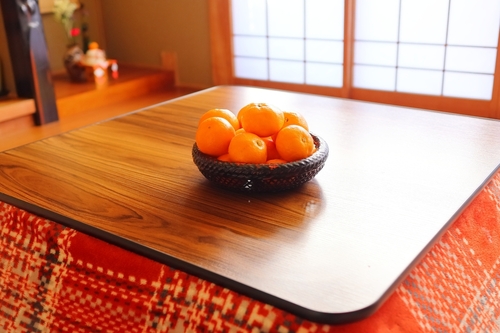

If you’ve spent winter in Japan, you may have noticed something unusual: most homes don’t have central heating. Instead, residents heat individual rooms using portable heaters, air conditioning units, or traditional kotatsu tables. Coming from countries where whole-house heating is standard, this approach might seem uncomfortable or outdated. But there are practical reasons behind it—and it works surprisingly well.
Understanding how Japanese homes are heated can help you appreciate the country’s housing culture and climate adaptations. Whether you’re planning to live in Japan or simply curious about daily life there, this guide explains why room-by-room heating is the norm and how it compares to central heating systems.
Japan’s Climate and Housing Design
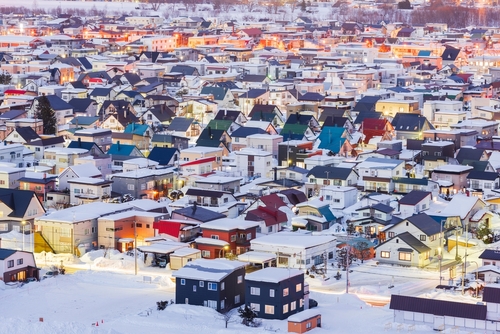
Japan’s climate varies significantly by region. Northern areas like Hokkaido experience heavy snowfall and freezing winters, while southern regions like Okinawa stay mild year-round. Most of the population lives in central areas where winters are cold but not extreme, and summers are hot and humid.
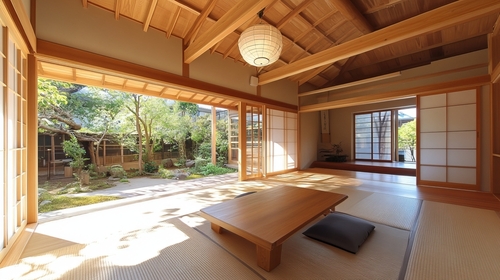
Historically, Japanese homes were built to handle summer heat rather than winter cold. Traditional architecture featured sliding doors, open floor plans, and minimal insulation to encourage airflow during humid months. These design choices made sense for the climate but left homes drafty and difficult to heat during winter.
Even modern Japanese homes often prioritize ventilation over insulation. Many buildings lack the thick walls, double-paned windows, and sealed construction common in colder countries. This makes central heating systems less efficient and more expensive to operate.
Room-by-Room Heating: How It Works
Instead of heating an entire house, Japanese families heat individual rooms as needed. This approach offers flexibility and cost control. Common heating methods include:
- Portable space heaters: Electric or kerosene heaters warm single rooms quickly. They’re affordable, easy to move, and energy-efficient for small spaces.
- Air conditioning units: Many Japanese homes use air conditioners for both cooling and heating. Wall-mounted units in each room provide targeted temperature control.
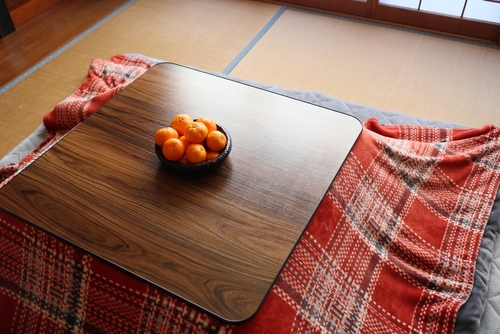
- Kotatsu tables: A kotatsu is a low table with a built-in heater underneath and a blanket draped over the frame. Family members sit around it with their legs under the blanket, staying warm while saving energy.
- Floor heating: Some newer homes include underfloor heating in bathrooms or living areas, providing warmth without taking up space.
This room-by-room method allows residents to heat only the spaces they’re using. Bedrooms often stay unheated overnight, and hallways remain cold during the day. While this might sound uncomfortable, many Japanese people adjust by layering clothing indoors and using warm blankets.
Kotatsu Culture: Comfort and Community
The kotatsu is more than just a heating device—it’s a cultural symbol of warmth and togetherness. Families gather around the kotatsu to eat meals, watch TV, or chat during cold evenings. The shared warmth creates a cozy atmosphere that central heating doesn’t replicate.
Kotatsu are also practical. They use minimal electricity compared to space heaters or central systems. A typical kotatsu costs around ¥1,000–¥2,000 per month to run (roughly $7–$14), making it an affordable option for many households.
Modern versions come in various sizes and styles, from traditional low tables to taller designs that accommodate chairs. Some models even include storage compartments or adjustable heat settings.
For visitors or newcomers to Japan, sitting under a kotatsu for the first time can feel surprisingly comforting. The gentle heat warms your legs and core while the rest of the room stays cool—a unique experience that reflects Japan’s approach to winter living.
Cost Differences: Japan vs. the United States
Heating costs vary widely depending on the system used and the size of the home. Here’s how Japan’s room-by-room heating compares to central heating in the United States:
Japan (Room-by-Room Heating):
- A portable space heater costs around ¥3,000–¥5,000 per month to run (about $20–$35).
- An air conditioning unit used for heating adds approximately ¥4,000–¥8,000 per month ($28–$56).
- A kotatsu costs roughly ¥1,000–¥2,000 per month ($7–$14).
- Total monthly heating costs for a typical apartment: ¥5,000–¥15,000 ($35–$105).
United States (Central Heating):
- Natural gas heating averages $60–$120 per month, depending on home size and insulation.
- Electric central heating can cost $100–$200 per month in colder regions.
- Total monthly heating costs for a medium-sized home: $60–$200.
While U.S. central heating provides consistent warmth throughout the house, it heats unused spaces and wastes energy. Japanese room-by-room heating reduces waste but requires residents to adapt to colder hallways and bedrooms.
For smaller apartments or homes where only a few rooms need heating, Japan’s approach can be more economical. However, larger homes or families who prefer whole-house warmth may find central systems more comfortable.
Why Central Heating Isn’t Common in Japan
Several factors explain why central heating never became widespread in Japan:
1. Construction costs: Retrofitting existing homes with central heating systems is expensive. Ductwork, insulation upgrades, and new heating units require
significant investment, which can be prohibitive for many homeowners. Additionally, traditional Japanese homes are often designed with thinner walls and less insulation, making it more cost-effective to heat only the occupied rooms.
2. Energy efficiency: Japanese heating methods, such as kerosene heaters, electric blankets, and kotatsu tables, are more energy-efficient for heating individual spaces. This aligns with Japan’s focus on reducing energy consumption and promoting sustainability.
3. Climate considerations: While northern regions like Hokkaido have freezing winters that might warrant central heating, much of Japan experiences milder winters that can be managed with localized heaters. This reduces the need for large-scale systems.
4. Cultural habits: The Japanese lifestyle traditionally involves spending time in a specific room during cold weather rather than heating the entire home. This practice is deeply ingrained and reinforces the use of localized heating solutions.
Frequently Asked Questions (FAQs)
Why don’t Japanese homes have central heating systems?
Many Japanese homes opt for localized heating systems due to cultural habits and milder winter climates in most regions. The traditional approach of heating specific rooms, rather than the entire house, aligns with Japan’s energy efficiency and lifestyle practices.
What types of localized heating are common in Japan?
Common localized heating solutions in Japan include kerosene heaters, electric space heaters, kotatsu (heated tables), and air conditioners with heating functions. These systems provide flexible and efficient ways to warm specific areas as needed.
Is central heating available in Japan?
While not widely used, central heating does exist in Japan, particularly in northern regions like Hokkaido, where winters are much colder. However, it’s relatively uncommon in other areas due to cost and the traditional preference for localized solutions.
How do Japanese homes stay warm in the winter without central heating?
Many homes use well-insulated rooms, sliding doors to contain heat, and rely on efficient localized heating devices. Additionally, cultural practices, like bundling up in warm clothing and using heated blankets or carpets, contribute to maintaining comfort indoors.