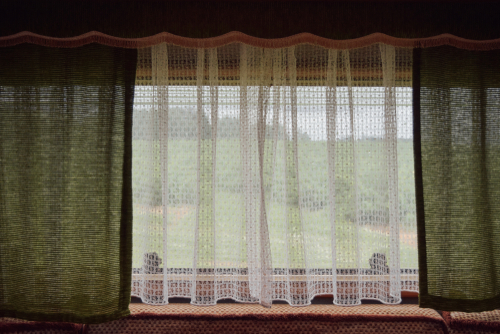

If you have ever visited a Finnish home, you might have noticed a small but specific detail on nearly every window. Instead of a single drape or a simple set of blinds, most Finnish windows feature two distinct layers of curtains.
At first glance, this might seem like a purely decorative choice—a way to add texture or volume to the room. But in Finland, design is rarely just about aesthetics. This double-curtain tradition is a practical adaptation to a unique environment, serving as a shield against the extreme seasonal shifts in light and temperature that define life in the North.
From the relentless brightness of the midnight sun to the deep freeze of mid-winter, these layers play a crucial role in how Finns maintain comfort and privacy. Here is why this simple setup is a staple of Nordic living.
The Short Answer: Why Two Sets?
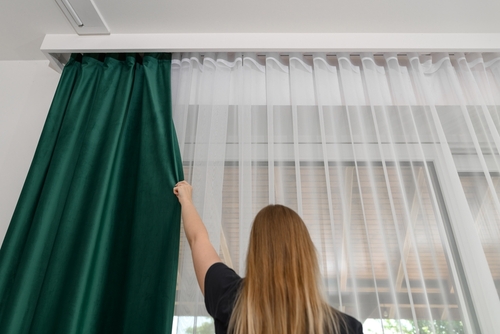
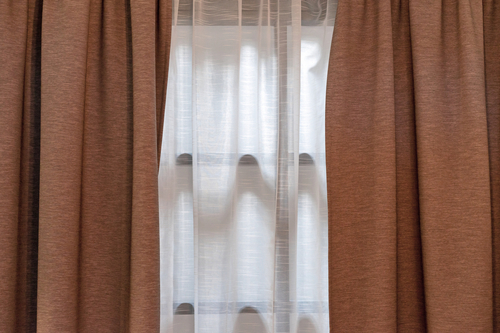
Finnish homes typically use two sets of curtains—sheer “day curtains” and thicker blackout curtains—to manage extreme seasonal light variation, maintain privacy, and improve insulation.
- Light Control: They block out the midnight sun in summer and maximize limited daylight in winter.
- Privacy: Sheers allow light in while blocking the view from the street.
- Insulation: Heavy drapes add a thermal layer against the cold.
- Aesthetics: The layering adds softness to minimalist Nordic interiors.
This system allows homeowners to adapt their environment instantly, creating a balance between the harsh outdoors and the cozy indoors.
1. Managing the Midnight Sun and Polar Darkness
The most critical function of the double-curtain system is managing light. Finland experiences some of the most drastic shifts in daylight hours on the planet.
During the summer months, particularly in June and July, the sun barely sets. In Lapland, the sun stays above the horizon for over 70 consecutive days. Even in southern cities like Helsinki, the nights remain in a state of twilight rather than true darkness. While the phenomenon of the “midnight sun” is beautiful, it can wreak havoc on sleep schedules and circadian rhythms. This is where the heavy, outer layer of curtains comes in. These are almost always blackout curtains designed to create an artificial night, allowing Finns to sleep soundly even when it is bright outside at 2:00 AM.
Conversely, winter brings the “Kaamos”—the polar night. Daylight is scarce, sometimes lasting only a few hours. During this time, every photon of natural light is precious. The heavy curtains are pulled back, and the sheer inner curtains are used to let in as much light as possible without leaving the window completely bare.
2. Sheer Curtains and the Finnish Concept of Privacy
The inner layer of the two-curtain system usually consists of sheer, lightweight fabric (often called valoverhot or “light curtains”). These serve a specific social purpose: privacy without isolation.
Finland has a relatively low population density, but many Finns live in urban apartments in cities like Tampere, Turku, and Helsinki. In these settings, ground-floor windows or apartment blocks often face the street or other buildings.
Finns value their privacy, but they also dislike blocking out the world entirely. A heavy curtain closed all day would feel gloomy and isolating. The sheer curtain offers the perfect compromise. It blurs the view from the outside, preventing passersby from looking directly into the home, while still allowing natural light to filter through. It creates a sense of openness and connection to the outside world while maintaining a boundary of personal space.
3. Thermal Protection in Harsh Winters
Beyond light and privacy, the double-curtain method is an energy-efficient choice. Finland is known for its bitter winters, where temperatures can drop well below -20°C (-4°F).
While modern Finnish homes are incredibly well-insulated—often featuring triple-glazed windows—older buildings and wooden homes still benefit from extra protection. The layer of air trapped between the window and the heavy curtain acts as an insulator, preventing warm air from escaping and cold drafts from entering.
By closing the heavy drapes as soon as the sun goes down in winter, homeowners can significantly reduce heat loss. It is a simple, low-tech solution that complements high-tech modern building standards to keep energy costs down and comfort levels up.
4. Scandinavian Interior Design and Soft Layering
While function comes first, form is never forgotten in Nordic design. The two-curtain look aligns perfectly with the Scandinavian aesthetic of “soft minimalism.”
Finnish interiors often feature clean lines, neutral colors, and natural materials like wood and glass. Without textiles, these spaces could risk feeling cold or clinical. Layering fabric at the windows adds softness, texture, and acoustic dampening to the room.
The changing of curtains also marks the rhythm of the year. It is common for Finnish households to switch out their heavy curtains seasonally. You might see rich velvets or dark wools in the winter to create a “nest-like” feeling, swapping to lighter linens or colorful Marimekko prints in the spring to welcome the returning sun.
Is This a Modern Trend or a Tradition?
This layering technique is not a new internet trend; it has deep historical roots. Before the advent of central heating and triple-glazing, fabric was one of the few ways to insulate a drafty wooden house.
Wall hangings (ryijy) and heavy curtains were essential for survival in the pre-industrial era. As housing modernized in the post-war era, the need for heavy insulation decreased, but the cultural habit remained. The functionality shifted from pure survival (keeping heat in) to comfort (controlling light and privacy), embedding the double-curtain rail as a standard fixture in Finnish architecture.
Is This Unique to Finland?
While Finland relies heavily on this system due to the extreme latitude, it is not entirely unique to the country. You will find similar setups in:
- Sweden and Norway: Both share similar light conditions and often use layering, though sheer curtains are slightly less ubiquitous in countryside cottages than in Finnish city apartments.
- Continental Europe: In countries like Germany and the Netherlands, sheer curtains are also common for privacy, though they are less likely to be paired with heavy blackout drapes unless the homeowner specifically wants them for sleep.
- Denmark: Interestingly, Danes are famously more open with their windows. “Curtain peeking” is less of a concern, and it is not uncommon to see Danish ground-floor apartments with no curtains at all, or very minimal ones, reflecting a slightly different cultural approach to transparency.
How to Recreate the Finnish Setup
If you struggle with streetlights, drafty windows, or just want a cozier look, the Finnish method is easy to replicate.
- Install a Double Rod: You will need a curtain rod bracket designed to hold two separate rods.
- Layer 1 (Closest to the window): Choose a sheer white, cream, or light grey fabric. Linen blends work beautifully for a natural, textured look. This stays closed most of the day.
- Layer 2 (Closest to the room): Choose a heavier fabric. If you need to sleep in total darkness, look for “blockout” or thermal linings. Velvet, heavy cotton, or wool add warmth.
- Length Matters: For the true Nordic look, curtains should touch the floor or hover just a centimeter above it. Short curtains that end at the windowsill are rarely seen in Finnish living rooms.
Frequently Asked Questions
Why do Finnish homes not use blinds instead?
Finns do use blinds (sälekaihtimet), often installed between the panes of glass in older double-glazed windows. However, blinds are seen as purely functional and somewhat “office-like.” Curtains are added over the blinds to provide warmth, softness, and better acoustics.
Are blackout curtains common in Scandinavia?
Yes, they are essential. In the northern parts of Norway, Sweden, and Finland, sleeping without blackout curtains during the summer (midnight sun) is nearly impossible for most people.
How do Finns deal with darkness in winter?
Aside from maximizing natural light with sheer curtains, Finns use plenty of warm artificial lighting. You will often see lamps placed directly on window sills to create a welcoming glow that mimics daylight and combats the gloom of the polar night.
What are Finnish curtains called?
There isn’t one single word for the double setup, but the sheer curtains are often called valoverhot (light curtains) and the heavier side curtains are sivuverhot.
What Two Curtains Reveal About Finnish Life
The double curtain is more than just window dressing. It is a symbol of how Finnish culture adapts to nature rather than fighting against it. It acknowledges the reality of the environment—the intense light and the deep cold—and meets it with a solution that is practical, energy-efficient, and beautiful. It reflects a society that values privacy but refuses to shut out the light completely.