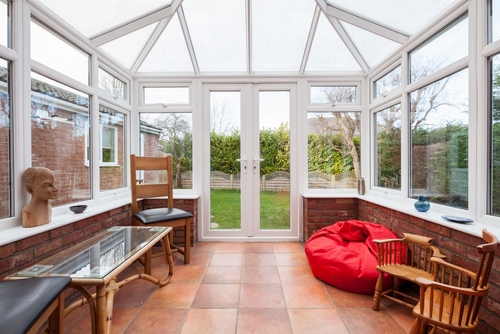

British gardens are known for their charm and structure. One feature stands out: garden rooms. These are distinct outdoor spaces designed to serve different purposes, much like rooms inside a home.
Garden rooms reflect a landscaping philosophy that treats outdoor areas as extensions of indoor living. They divide gardens into separate zones, each with its own character and function. This approach turns gardens into organized, usable spaces rather than open lawns.
Understanding garden rooms helps you create a more functional and beautiful outdoor area. Whether you have a small urban garden or a sprawling countryside plot, this design method can transform how you use your space.
What Are Garden Rooms?
Garden rooms are defined sections within a garden, each designed for a specific purpose. They function like indoor rooms but exist outdoors. One area might be for dining, another for quiet reading, and another for growing vegetables.
The concept dates back centuries in British landscaping. Historic estates used hedges, walls, and paths to create separate garden areas. Each section had a clear role, from rose gardens to herb gardens to kitchen gardens.
Modern British gardens continue this tradition. A typical layout might include a patio for entertaining near the house, a lawn area for play, and a secluded corner with a bench for relaxation. These spaces are separated by plants, pathways, or structures.
Garden rooms make outdoor areas more organized and purposeful. They give each section of your garden meaning and function.
The Philosophy Behind Garden Rooms
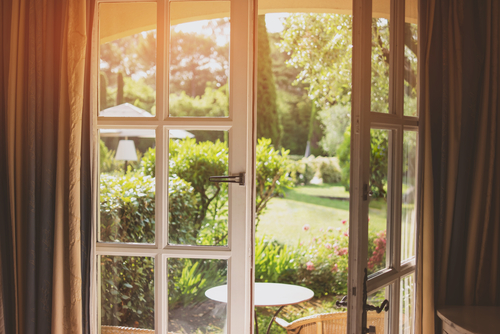
British garden design treats outdoor space as an extension of the home. Garden rooms apply architectural thinking to landscaping. The goal is to create structure and flow, not just plant flowers.
This philosophy comes from several principles:
Functionality First: Each garden room serves a clear purpose. You might have a dining area, a play space, or a quiet retreat. This makes your garden more useful.
Visual Interest: Separate rooms create variety. Walking through different spaces keeps the experience engaging. You discover new views and settings as you move through the garden.
Scale and Proportion: Garden rooms work with the size of your property. Small gardens might have two or three rooms. Larger gardens can include many more. Each room is sized appropriately for its purpose.
Connection to Architecture: Garden rooms often mirror the structure of your home. Formal gardens near the house transition to more relaxed spaces further away. This creates a natural flow from indoor to outdoor living.
British gardeners also value enclosure and privacy. Hedges, walls, and planted borders define garden rooms and create a sense of shelter. This makes outdoor spaces feel more intimate and comfortable.
How to Create Garden Rooms
Creating garden rooms requires planning and clear boundaries. Here’s how to design them effectively.
Assess Your Space
Start by evaluating your garden. Measure the area and note existing features like trees, slopes, or structures. Consider how much sun different areas receive throughout the day.
Think about how you want to use your garden. Do you need space for dining, children’s play, or growing vegetables? List your priorities to guide your design.
Define Room Boundaries
Garden rooms need clear separations. Use physical elements to mark where one room ends and another begins.
Hedges: These are the most traditional choice. Yew, box, and beech hedges create solid, formal boundaries. They take time to grow but provide year-round structure.
Fences and Walls: These offer instant definition. Wooden fences work well for informal gardens. Brick or stone walls suit more formal designs.
Paths: A gravel or paved path naturally separates areas. It also guides movement through the garden.
Plantings: Low borders of lavender, ornamental grasses, or perennials can mark boundaries while keeping sightlines open.
Assign Functions to Each Room
Give each space a clear purpose. Common garden room types include:
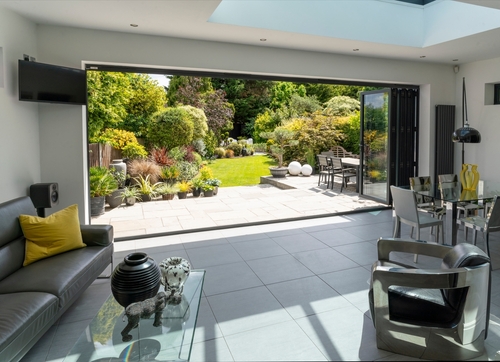
- Entertaining Area: A patio or deck with seating and dining furniture near the house
- Lawn Space: An open area for play, picnics, or relaxation
- Kitchen Garden: Raised beds or plots for growing vegetables and herbs
- Wildlife Garden: A naturalistic area with native plants to attract birds and insects
- Quiet Retreat: A secluded corner with a bench or chair for reading
Match the function to the location. Place entertaining areas close to the house for convenience. Position quiet retreats in more private spots.
Create Transitions
Garden rooms should connect smoothly. Use pathways, archways, or gates to link spaces. These transitions create anticipation as you move from one room to the next.
An archway covered in climbing roses signals the entrance to a new area. A stepping stone path through a border draws you forward. These elements make the journey through your garden feel deliberate and rewarding.
Add Focal Points
Each room benefits from a focal point—something that draws the eye. This could be a sculpture, a fountain, a specimen tree, or a colorful flower bed.
Focal points give each room its own identity. They also provide visual interest and help orient visitors as they explore your garden.
Before and After: Transforming a Garden with Rooms
Consider a typical rectangular garden, 30 feet wide by 50 feet long. Before the transformation, it’s an open lawn with a few flower beds along the edges. It lacks structure and purpose.
Before Layout:
- Open lawn covering most of the space
- Flower beds along two sides
- No defined seating or activity areas
- Limited privacy
After Layout:
The garden is divided into three rooms:
- Patio Room (Near House): A paved area with outdoor furniture for dining and entertaining. Bordered by potted plants and a low hedge.
- Central Lawn Room: A smaller lawn area for play and relaxation. Separated from the patio by a gravel path and flanked by mixed borders of shrubs and perennials.
- Vegetable Garden Room (Far End): Raised beds for growing produce. Enclosed by a trellis with climbing beans and a rustic wooden arch at the entrance.
Results:
- Each area has a clear function
- The garden feels larger due to the sense of discovery as you move through it
- Privacy increases with the added boundaries
- Maintenance becomes easier because each room has defined planting and care needs
This transformation shows how dividing space creates more usable and enjoyable outdoor areas.
Benefits of Garden Rooms
Garden rooms offer practical and aesthetic advantages.
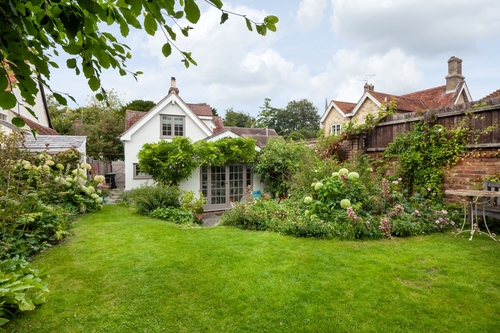
Better Use of Space: When you assign functions to different areas, every part of your garden serves a purpose. This is especially valuable in smaller gardens where space is limited.
Increased Privacy: Boundaries create shelter and seclusion. You can relax or entertain without feeling exposed to neighbors.
Enhanced Visual Appeal: Separate rooms add depth and variety. The layered structure makes your garden more interesting to explore.
Easier Maintenance: Defined areas make it clear what needs attention. You can focus on one room at a time rather than managing an entire garden at once.
Year-Round Interest: Different rooms can highlight different seasons. A spring bulb garden, a summer vegetable patch, and a winter evergreen area all contribute to a garden that looks good throughout the year.
Common Mistakes to Avoid
Creating garden rooms requires thoughtful planning. Watch out for these pitfalls.
Too Many Rooms: Dividing a small garden into too many sections makes it feel cramped and cluttered. Keep it simple with two or three well-defined areas.
Inconsistent Style: Each room should feel connected to the others. Avoid mixing wildly different styles that clash visually.
Ignoring Scale: A massive hedge might overwhelm a small garden. Choose boundaries that suit the size of your space.
Blocking All Views: While boundaries are important, some openness helps. Avoid creating rooms that feel completely closed off unless privacy is your main goal.
Neglecting Pathways: Rooms need to connect. Poor pathways make navigation awkward and reduce the flow between spaces.
Frequently Asked Questions
What is the best way to separate garden rooms?
Hedges, fences, and plantings work well. Choose based on your garden’s style and size. Hedges suit formal gardens, while borders of perennials or grasses fit informal designs.
How many garden rooms should I have?
It depends on your garden’s size and your needs. Small gardens might have two or three rooms. Larger properties can accommodate more. Focus on quality over quantity.
Can I create garden rooms in a small urban garden?
Yes. Even tiny gardens benefit from dividing space. Use low hedges, raised beds, or pots to define areas without taking up much room.
Do garden rooms require a lot of maintenance?
Not necessarily. Proper planning reduces work. Choose low-maintenance plants for boundaries and define clear areas for easier care.
What plants are best for creating garden room boundaries?
Boxwood, yew, and beech are traditional hedge choices. Lavender, rosemary, and ornamental grasses work for softer borders. Choose based on your climate and style.
How do I connect garden rooms without making them feel disjointed?
Use pathways, consistent materials, and repeating plants to link spaces. Transitional elements like archways or gates also help create flow.
Bringing Outdoor Architecture to Your Garden
Garden rooms transform outdoor spaces into structured, functional areas. This British landscaping philosophy treats gardens as extensions of your home, giving each section purpose and character.
By defining boundaries, assigning functions, and creating smooth transitions, you can design a garden that’s both beautiful and practical. Whether you’re working with a small urban plot or a larger property, this approach makes your outdoor space more usable and enjoyable.
Start by assessing your garden and listing how you want to use it. Then, divide the space into rooms that serve those needs. With clear planning and thoughtful design, you’ll create a garden that feels organized, inviting, and purposeful.