
Pentecost Sunday marks a major milestone in the Christian calendar. It celebrates the descent of the Holy Spirit upon the apostles and the birth of the Christian Church. But the celebration does not always stop when Sunday comes to a close. The very next day is known as Whit Monday.
While Whit Monday is widely observed as a public holiday in several countries, it remains relatively unknown in others. For millions of people across Europe, it offers a long weekend filled with community events, church services, and family time. For others, it passes by like any standard Monday.
Understanding this unique holiday provides a deeper look into global Christian traditions. This guide covers the meaning, historical origins, and modern-day relevance of Whit Monday. You will learn exactly when it happens in 2026, where it is celebrated, and how you can observe it in your own way.
When Is Whit Monday 2026?
In 2026, Whit Monday falls on Monday, May 25.
The date changes every year because it is tied directly to the Christian liturgical calendar. Whit Monday is always observed the day immediately following Pentecost Sunday. Pentecost itself occurs exactly 50 days after Easter Sunday. Because the date of Easter shifts each year based on the lunar cycle, the date of Whit Monday moves along with it.

What Does “Whit Monday” Mean?
The name “Whit Monday” stems from the English term “Whitsun,” which is short for Whitsunday or Pentecost.
The word “Whit” translates to “White.” Historically, individuals preparing for baptism on the day of Pentecost wore white garments. These white robes served as a powerful symbol of purity, cleansing, and new beginnings. Over time, the entire week following Pentecost became known as Whitsuntide, and the Monday immediately after took on the name Whit Monday.
Different languages and cultures have their own names for the day. In French, it is called Lundi de Pentecôte. In German, it is known as Pfingstmontag. These names simply translate to “Pentecost Monday,” highlighting its direct connection to the Sunday feast.
Historical and Religious Significance
Whit Monday holds deep historical roots within the early Christian Church.
Connection to Pentecost
Pentecost is a high holy day. It marks the moment the Holy Spirit was given to the disciples of Jesus. The sheer importance of this event meant that a single day of celebration felt insufficient. Whit Monday acts as a direct continuation of Pentecost. It extends the joy and reflection of the Holy Spirit’s arrival into the new week.
Early Church Practices
During the early centuries of the Church, Pentecost was a primary time for performing baptisms and confirmations. The newly baptized members of the church would wear their white garments throughout the entire week of Whitsuntide. This week-long celebration allowed the community to welcome its new members properly. While the full week of festivities has faded in many modern traditions, Whit Monday remains a recognized extension of that original joyful period.
Where Whit Monday Is Observed Today
The observance of Whit Monday varies significantly depending on where you live.
Public Holiday Countries
In many European nations, Whit Monday is deeply ingrained in the culture as a national public holiday. Schools, banks, and non-essential businesses close for the day. Countries that officially recognize Whit Monday as a public holiday include:
- Germany
- France
- The Netherlands
- Belgium
- Switzerland
- Denmark
In these countries, the day functions as an opportunity for workers to rest and families to spend time together. It provides a welcomed long weekend during the late spring season.
Countries Where It’s Less Observed
In other parts of the world, including the United States, Canada, and the United Kingdom, Whit Monday is not a public holiday. Most businesses remain open, and daily routines continue as usual. In these regions, the religious focus rests almost entirely on Pentecost Sunday. Some local churches may hold a small morning service, but broader public recognition is rare.
Traditions and Celebrations Around the World
For countries that do observe the holiday, Whit Monday features a blend of religious devotion and lively cultural traditions.
Religious Observances
Many churches hold special services on Whit Monday. These services continue the themes of Pentecost, focusing on the gifts of the Holy Spirit, community strength, and spiritual renewal. Congregations often sing hymns related to the Holy Spirit, and church leaders pray for continued guidance.
Cultural Traditions
Beyond the church walls, Whit Monday brings people outdoors. Since the holiday occurs in late May or early June, the weather is typically warm and pleasant.
- Germany: Many rural towns host outdoor fairs and traditional horseback rides known as Pfingstritt.
- France: Families often gather for large outdoor picnics and community festivals.
- The Netherlands: Popular music festivals, such as Pinkpop, are specifically scheduled to align with the Whit Monday long weekend.
These regional customs showcase how a religious observance can naturally evolve into a widespread community celebration.
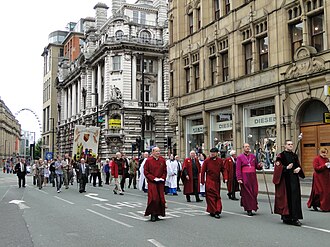

How to Observe Whit Monday Today
You do not need to live in a country where Whit Monday is a public holiday to find value in it. Here are a few accessible ways to observe the day.
Faith-Based Observance
If you belong to a Christian tradition, you can attend a local church service or organize a small prayer gathering. Use the time to reflect on the meaning of the Holy Spirit. Reading the second chapter of Acts from the Bible is a traditional way to ground yourself in the historical context of the holiday.
Personal Reflection
Even without a formal service, you can embrace the themes of the season. Whit Monday represents renewal, purpose, and fresh starts. Take a quiet hour in the morning to journal or meditate on your personal growth. Ask yourself how you can bring positive energy and renewal into your own community.
Community and Family Time
At its core, Whit Monday is about the formation of a supportive community. Use the day to connect with loved ones. Host a simple meal, take a walk with a friend, or reach out to someone you have not spoken to in a while.
Whit Monday vs. Pentecost: What’s the Difference?
It is easy to confuse Whit Monday with Pentecost itself.
Pentecost Sunday is the main religious event. It is the specific day that commemorates the Holy Spirit descending upon the apostles. It is considered the birthday of the Church.
Whit Monday is simply the continuation of that celebration. The Holy Spirit did not leave after one day, and the early Church believed the celebration shouldn’t either. While Pentecost focuses on the initial miracle, Whit Monday focuses on carrying that miraculous energy forward into everyday life.
Why Whit Monday Still Matters
Even in places where it is not officially celebrated, the concept of Whit Monday holds valuable lessons. It encourages us to slow down. Often, we rush past major milestones and immediately return to our busy routines. Whit Monday teaches us to pause. It provides an opportunity for deeper reflection rather than limiting joy to a single-day observance. It also offers a fascinating cultural insight into how global traditions evolve and endure over centuries.
Frequently Asked Questions
Is Whit Monday a public holiday in the United States?
No, Whit Monday is not a federal or state public holiday in the United States. Banks, schools, and businesses operate on their normal schedules.
Does the date of Whit Monday change every year?
Yes. Whit Monday is tied to Easter. Because Easter falls on a different date each year, Whit Monday also shifts. It is always exactly 51 days after Easter Sunday.
Is Whit Monday the same as Pentecost?
Not exactly. Pentecost happens on a Sunday and is the primary religious feast. Whit Monday is the day after and serves as an extension of the Pentecost celebration.
A Quiet Continuation of a Powerful Message
Whit Monday serves as a gentle bridge between a massive celebration and normal daily life. It extends the meaning of Pentecost, reminding us that inspiration, renewal, and community are not meant to be confined to a single Sunday. Whether you spend May 25, 2026, attending a vibrant community parade in Europe or simply taking a quiet moment of reflection at your desk, the day offers a chance to pause.
How do you carry meaningful moments forward after they pass? Taking the time to answer that question is the true spirit of Whit Monday.