

When you think of February 14th, you likely picture heart-shaped chocolates, red roses, and romantic candlelit dinners. In many parts of the world, Valentine’s Day is synonymous with romance and grand gestures of affection. But if you look beyond the typical Western traditions, you will find that love is celebrated in surprisingly diverse ways across the globe.
While the holiday has roots in ancient Roman festivals and Christianity—specifically Saint Valentine, a figure shrouded in mystery—modern celebrations have evolved significantly. Today, how a country observes this day depends heavily on its culture, history, and religious beliefs.
In some nations, it is a day for mass weddings. In others, it is strictly for friendship. And in some corners of the world, the holiday is discouraged entirely. This guide explores the fascinating ways different countries observe Valentine’s Day, highlighting the unique customs that make this global day of love so special.
Where Valentine’s Day Is Widely Celebrated

In many Western nations and countries with strong Western influence, Valentine’s Day traditions look quite similar. The focus is usually on romantic partners expressing their love through gifts, cards, and quality time.
United States
In the U.S., Valentine’s Day is a major commercial holiday. It is customary for couples to exchange greeting cards, flowers (especially red roses), and chocolates. Restaurants are often booked weeks in advance for romantic dinners. Schools also participate, with children exchanging small valentines and candy with their classmates, emphasizing friendship alongside romance.
United Kingdom
The United Kingdom shares many traditions with the U.S., but with a few historical twists. The British have a long history of sending anonymous cards, allowing people to reveal their feelings to a “secret admirer.” In some regions, historical folklore adds character to the day; for example, in Norfolk, a character called “Jack Valentine” leaves treats for children on their doorsteps.
Canada
Canadians celebrate similarly to their American neighbors. It is a time for couples to enjoy romantic getaways or special meals. In schools, inclusivity is often encouraged, with children exchanging cards with every member of their class so no one feels left out.
Australia & New Zealand
Despite falling in the middle of summer, Valentine’s Day is growing in popularity in Australia and New Zealand. Retailers promote the holiday heavily, and it has become a significant day for giving jewelry, flowers, and experiences like picnics or beach outings.
Philippines
The Philippines has a truly unique tradition that sets it apart: mass weddings. On February 14th, hundreds (sometimes thousands) of couples gather in public spaces to get married simultaneously. These events are often sponsored by the government or charitable organizations, allowing couples to tie the knot for free or at a very low cost. It is a practical and communal way to celebrate love.
Countries With Unique Valentine’s Traditions
In some cultures, February 14th is celebrated, but the rules are different. Who gives the gifts? Who receives them? Is it even about romance? These countries have put their own spin on the holiday.
Japan
In Japan, traditional gender roles regarding gift-giving are reversed on Valentine’s Day. It is the women who give chocolates to men. There are two types of chocolates given:
- Giri-choco (Obligation chocolate): Given to male colleagues, bosses, and friends. There is no romantic meaning attached; it is a polite gesture.
- Honmei-choco (True feeling chocolate): High-quality or handmade chocolate given to a romantic partner or crush.
Men reciprocate a month later on March 14th, known as “White Day,” usually by giving white gifts like marshmallows, white chocolate, or jewelry.
South Korea
South Korea takes the concept of love holidays to a new level. Like Japan, women give chocolate on February 14th, and men reciprocate on White Day in March. However, the celebrations don’t stop there. The 14th of every month has a romantic theme.
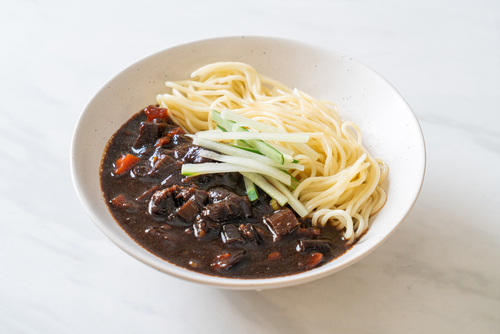
The most famous of these additional dates is “Black Day” on April 14th. This is a day for singles who did not receive gifts in February or March. They gather to eat Jajangmyeon (black bean noodles) and commiserate—or celebrate—their single status.
Finland & Estonia
If you are single in Finland or Estonia, you won’t feel left out on February 14th. In these countries, the day is known as Ystävänpäivä (Finland) or Sõbrapäev (Estonia), which translates to “Friend’s Day.”
While romance is not forbidden, the main focus is on celebrating platonic friendship. People send cards and small gifts to their friends, neighbors, and family members. It is a more inclusive approach that allows everyone to participate, regardless of their relationship status.
Italy
Italy has deep historical ties to Saint Valentine. Originally, the day was celebrated as a spring festival where people gathered outside to listen to music and read poetry. Today, traditions have modernized, but food remains central. A popular gift is Baci Perugina, small, chocolate-covered hazelnuts wrapped in a romantic quote. Couples often enjoy long, romantic dinners, keeping the atmosphere intimate and affectionate.
France
France is often considered the romance capital of the world. It is believed that the first Valentine’s Day card originated here in the 15th century when the Duke of Orleans sent love poems to his wife from prison. Today, the French celebrate with flowers and romantic dinners, though the card-sending tradition is less intense than in the U.S. or UK. It is almost exclusively a holiday for adult couples, rather than for children or friends.
Countries That Don’t Celebrate It (or Restrict It)

Not every country embraces Valentine’s Day. In some nations, religious beliefs or cultural norms view the holiday as incompatible with local values.
Saudi Arabia
For many years, the public celebration of Valentine’s Day was strictly banned in Saudi Arabia. The religious police would prohibit the sale of red items, including roses and wrapping paper, in the days leading up to February 14th.
However, in recent years, these rules have relaxed significantly. While it is not an official holiday, shops can now sell red roses and chocolates, and citizens are freer to celebrate privately. It represents a shift in the country’s cultural landscape, though it remains a sensitive topic for conservative sectors of society.
Pakistan
In Pakistan, Valentine’s Day is a subject of ongoing debate. It has gained popularity among younger generations, but it faces strong opposition from religious groups and occasionally the government. Critics argue that the holiday promotes values that conflict with Islamic teachings. In the past, there have been court rulings banning public celebrations and media coverage of the holiday, though private celebrations still occur.
Indonesia
Indonesia is the world’s most populous Muslim-majority nation. While there is no national ban, regional authorities often discourage or ban celebrations. Educational councils frequently warn students against participating, citing concerns that the holiday encourages casual dating and behavior that contradicts cultural and religious norms. Despite this, malls and hotels in major cities like Jakarta often feature Valentine’s promotions, highlighting a divide between official advice and consumer behavior.
Emerging Trends and Globalization

The way the world celebrates love is constantly shifting. Globalization and the internet have accelerated the spread of Western traditions, but they have also allowed new, hybrid traditions to form.
The Influence of Western Media
Movies, television shows, and social media platforms have exported the “Hollywood” version of Valentine’s Day to nearly every corner of the globe. This has led to an increase in consumerism surrounding the holiday, even in countries where it was previously unknown.
Younger Generations and Social Media
Young people are the primary drivers of new traditions. Social media platforms like TikTok and Instagram allow trends to spread instantly. This has popularized concepts like “Galentine’s Day” (a day for female friendships, popularized by the TV show Parks and Recreation) and “Self-Love Day,” where individuals treat themselves to gifts and relaxation.
These trends show that while the date remains February 14th, the meaning of the day is expanding. It is becoming less about strict romantic obligation and more about expressing care—for partners, for friends, and for oneself.
Love is Universal, Traditions are Diverse
Valentine’s Day is far from a one-size-fits-all celebration. From the chocolate exchanges of Japan to the friendship celebrations in Finland and the mass weddings of the Philippines, February 14th takes on many shapes. Even in countries where the holiday is discouraged, the human desire to express affection often finds a way.
Whether you are exchanging red roses, eating black noodles, or simply sending a text to a best friend, the core message remains the same: connection matters. As you celebrate this year, consider adopting a tradition from another culture to make the day even more meaningful.

Frequently Asked Questions
Is Valentine’s Day celebrated in China?
Yes, Valentine’s Day is popular in China, especially among young people in urban areas. However, China also has its own traditional festival of love called the Qixi Festival, often referred to as the “Chinese Valentine’s Day,” which falls on the 7th day of the 7th month of the lunar calendar (usually August).
What is White Day?
White Day is celebrated on March 14th, exactly one month after Valentine’s Day. It is observed primarily in Japan, South Korea, and Taiwan. It is the day when men reciprocate the gifts they received from women on Valentine’s Day, typically giving white-colored gifts like white chocolate, marshmallows, or jewelry.
Which country banned Valentine’s Day?
Public celebrations have faced bans or severe restrictions in countries like Pakistan, Saudi Arabia (historically), and Iran. Local authorities in parts of Indonesia and Malaysia have also issued bans or warnings against celebrating it, citing religious and cultural conflicts.
Do people in Latin America celebrate Valentine’s Day?
Yes, but the name and focus often differ. In many Latin American countries like Mexico and Colombia, it is called Día del Amor y la Amistad (Day of Love and Friendship). In Colombia, it is celebrated in September rather than February. In Brazil, the equivalent celebration is Dia dos Namorados (Lovers’ Day), celebrated on June 12th.