
Vesak, often called Buddha Day, stands as the most important holiday in the Buddhist calendar. It is a time dedicated to peace, reflection, and boundless compassion. Millions of Buddhists across the globe gather each year to honor the life and teachings of the Buddha. They celebrate this day with vibrant cultural traditions, acts of deep generosity, and quiet meditation.
This holiday unites many different countries and Buddhist traditions. While the specific customs vary from region to region, the core message remains the same. People use this time to focus on spiritual growth, kindness to others, and mindful living. It offers a moment to pause and reconnect with values that promote harmony in our communities.
By reading this guide, you will learn the profound meaning behind Vesak and understand the events it commemorates. You will also discover the unique ways Buddhists around the world celebrate this day. Finally, you will find practical tips on how to observe the holiday respectfully, even if you do not practice Buddhism yourself.
When Is Vesak 2026?
In 2026, Vesak falls on Thursday, May 21. The exact date can vary slightly depending on the country and the specific lunar calendar used by different communities.
The holiday aligns with the first full moon of the ancient lunar month of Vesakha. Because lunar months do not perfectly match the Gregorian calendar, the date shifts every year. You will notice variations in the exact day of celebration across regions like Sri Lanka, Thailand, Indonesia, and East Asia. Some countries may observe it a day earlier or later based on their local astronomical calculations.
What Is Vesak?
Vesak is a unique holiday because it commemorates three major milestones in the life of Siddhartha Gautama, who became the Buddha. Instead of observing these events on separate days, many Buddhist traditions celebrate them together during the full moon of Vesakha.
The three key events are:
- The birth of Siddhartha Gautama: He was born a prince in Lumbini, in modern-day Nepal.
- His enlightenment: He attained supreme awakening under the Bodhi tree in Bodh Gaya, becoming the Buddha.
- His passing into Parinirvana: This marks his final passing away and release from the cycle of rebirth in Kushinagar.
Observing these three events together highlights the complete cycle of the Buddha’s life. It reminds practitioners of his humanity, his spiritual achievement, and the ultimate goal of liberation.
The Life and Teachings of the Buddha
Who Was the Buddha?
Siddhartha Gautama lived over 2,500 years ago. Born into a royal family, he lived a sheltered early life of luxury. Eventually, he ventured outside his palace and witnessed the realities of aging, sickness, and death. Deeply moved by human suffering, he renounced his royal life to seek a way to end this pain. After years of intense spiritual practice, he finally achieved enlightenment and spent the rest of his life teaching others the path to awakening.
Core Teachings
The Buddha’s teachings form the foundation of Buddhist practice. Two of his most essential teachings are the Four Noble Truths and the Eightfold Path.
The Four Noble Truths explain the nature of suffering, its cause, and the possibility of ending it. The Eightfold Path provides the practical steps to achieve this end. These steps include right understanding, right intention, right speech, right action, right livelihood, right effort, right mindfulness, and right concentration. Across all his teachings, the Buddha emphasized the importance of compassion, living mindfully, and letting go of unhealthy attachments.
Key Themes of Vesak
Vesak focuses on several central themes that guide Buddhist practice.
- Compassion and kindness: Practitioners make a special effort to show love and care to all living beings.
- Mindfulness and reflection: People dedicate time to meditation and reflecting on their own spiritual journey.
- Generosity and service: Giving to others, especially the less fortunate, is a cornerstone of the holiday.
- Peace and nonviolence: The day serves as a strong reminder to cultivate harmony and avoid causing harm.
How Vesak Is Celebrated Around the World
Temple Visits and Offerings
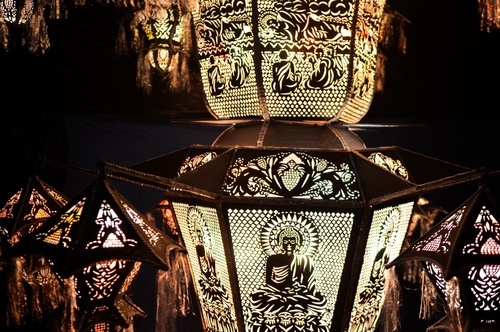
Visiting the local temple is a central part of Vesak. Devotees bring simple offerings such as fresh flowers, lit candles, and burning incense. These items are placed before statues of the Buddha. Visitors also participate in chanting, prayers, and listening to monks deliver teachings on the Dharma.
Acts of Kindness and Charity
Vesak is a time for immense generosity. Buddhists actively look for ways to help their communities. This includes donating food, money, and essential supplies to those in need. Many people also volunteer their time at local charities, hospitals, or nursing homes.
Cultural Celebrations
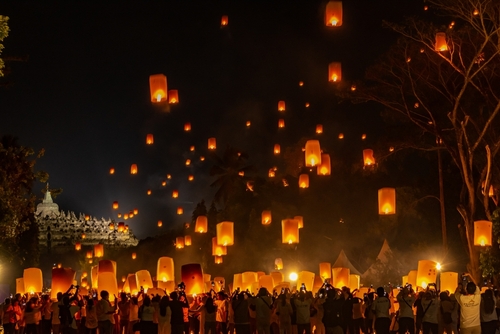
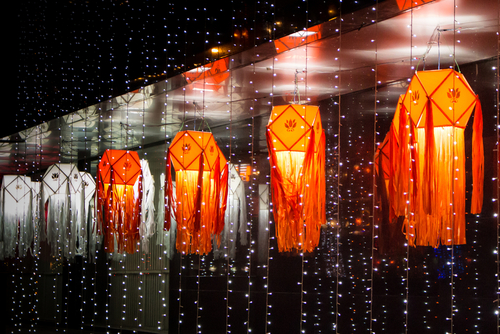
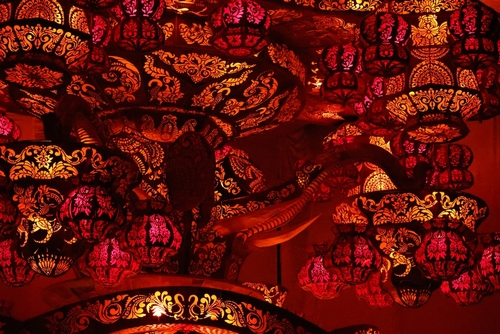
The holiday features beautiful cultural displays. In places like South Korea and Sri Lanka, massive lantern festivals illuminate the night sky. Streets and homes are decorated with colorful lights and flags. Processions often take place, featuring intricate floats and traditional music.
Releasing Animals
In some traditions, practitioners release captured animals, such as birds or fish, back into the wild. This acts as a symbolic gesture of compassion and liberation. Recently, many communities have adapted this practice to align with modern environmental and ethical standards, ensuring the animals are released safely into appropriate habitats.
Vesak Traditions Explained
The simple offerings made during Vesak hold deep symbolic meaning. Flowers represent the impermanence of life, as they eventually wither and fade. Candles and incense symbolize the light of wisdom overcoming the darkness of ignorance.
In many countries, devotees wear simple white clothing to the temple. This dress code represents purity, simplicity, and a commitment to spiritual practice over material concerns.
How to Observe Vesak Respectfully
You do not need to be Buddhist to appreciate and observe the values of Vesak. Here are a few practical and inclusive ways to participate.
Learn and Reflect
Take some time to read about the Buddha’s life and his core teachings. You might also try a simple mindfulness exercise. Sit quietly for ten minutes, focus on your breathing, and reflect on the things you are grateful for.
Practice Kindness
Be intentional about your actions on this day. Perform an act of generosity, such as buying coffee for a coworker or donating to a local food bank. Make an effort to speak kindly and listen deeply to the people around you.
Visit a Temple
If you decide to visit a Buddhist temple, follow basic etiquette. Dress modestly by covering your shoulders and knees. Remove your shoes before entering the main hall. Speak softly, observe the customs quietly, and follow any instructions given by the temple staff.
Frequently Asked Questions About Vesak
Is Vesak a public holiday?
Yes, Vesak is recognized as a public holiday in many Asian countries, including Sri Lanka, Thailand, Singapore, Malaysia, and Indonesia. The United Nations also officially acknowledges the day.
Do all Buddhists celebrate it the same way?
No. Buddhist traditions vary widely based on culture and region. While the core focus on the Buddha’s life remains constant, the specific rituals, foods, and community events differ significantly from country to country.
Why does the date change each year?
Vesak is based on the lunar calendar, specifically the first full moon of the month of Vesakha. Because lunar cycles do not perfectly match the standard Gregorian calendar, the date shifts slightly every year, usually falling in May.
Can non-Buddhists participate?
Absolutely. The values of peace, compassion, and mindfulness are universal. Non-Buddhists are often welcome to observe temple events respectfully or practice acts of kindness in their own communities.
Vesak in Modern Life
In contemporary societies, Vesak remains a vital and vibrant holiday. While traditional rituals remain strong, many communities are updating their practices to reflect modern values. For example, there is a growing emphasis on environmental awareness. Temples often use eco-friendly lanterns and encourage sustainable forms of charity. The United Nations’ recognition of Vesak has also helped increase global awareness of the holiday and its universal message of peace.
Why Vesak Still Matters Today
Modern life is often busy, loud, and demanding. Vesak offers a necessary pause for quiet reflection. It asks us to slow down and evaluate how we treat ourselves and others. The holiday promotes universal values that transcend religious boundaries. Cultivating compassion, practicing mindfulness, and striving for peace are relevant goals for everyone, regardless of cultural background or personal belief systems.
A Day to Cultivate Compassion
Vesak serves as a powerful reminder that inner growth leads to outward kindness. By celebrating the life of the Buddha, people around the world commit themselves to living more mindfully and generously. The holiday teaches us that real peace begins with our own actions and thoughts.
As Vesak 2026 approaches, consider how you might incorporate these values into your own life. What small act of compassion can you practice today? Whether you choose to donate to a charity, spend time in quiet meditation, or simply offer a kind word to a stranger, you can capture the true spirit of Buddha Day.