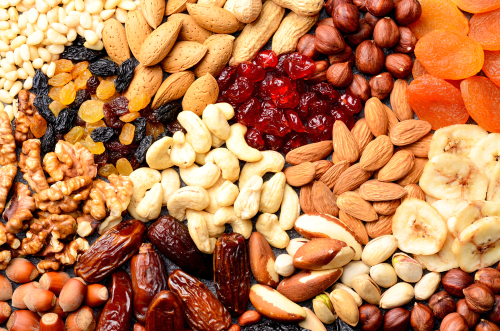

If you have ever felt a deep connection to nature or wondered why there is a specific day on the Jewish calendar dedicated to trees, you are not alone. Tu BiShvat, often called the “New Year of the Trees,” is a holiday that bridges the gap between ancient agricultural laws and modern environmental consciousness. It is a time when the sap begins to rise in the trees in Israel, signaling the promise of spring even while winter still holds its grip.
For many, this holiday offers a refreshing pause—a moment to appreciate the natural world and our responsibility to protect it. Whether you are looking to host a traditional seder, plant a tree in honor of a loved one, or simply learn more about Jewish traditions, Tu BiShvat provides a beautiful framework for gratitude and growth. In 2026, this celebration arrives early in February, bringing with it themes of renewal, sustainability, and hope.
When is Tu BiShvat 2026?
In 2026, Tu BiShvat begins at sundown on Sunday, February 1, and concludes at nightfall on Monday, February 2.
The date varies each year on the Gregorian calendar because it is determined by the Hebrew calendar. The name “Tu BiShvat” literally translates to the 15th day of the Hebrew month of Shevat. In Hebrew numerology (gematria), the letters Tet (9) and Vav (6) combine to form “Tu” (15).
Because Jewish holidays follow a lunar cycle, they always begin in the evening. This timing is rooted in the biblical creation story, where “there was evening and there was morning, one day.” So, while your calendar might mark February 2 as the primary date, the observance truly kicks off the night before.
The Origins of the Holiday
Tu BiShvat was not always the festive, nature-focused holiday we know today. Its roots are actually quite practical and legal. In ancient times, the Torah outlined specific laws regarding agriculture in the Land of Israel. One such law involved ma’aser (tithing), or offering a portion of produce to the Levites and the poor.
To calculate these tithes correctly, farmers needed a cutoff date to establish which year the fruit belonged to. The sages of the Talmud established the 15th of Shevat as this fiscal “New Year” for trees. They reasoned that by this time of year, most of the winter rains in Israel have fallen, and the trees are beginning their new fruit-bearing cycle.
Over centuries, the day evolved from a tax deadline into a minor festival. In the 16th century, the mystics (Kabbalists) living in the city of Safed transformed the holiday further. They introduced spiritual rituals to repair the world (tikkun olam) through eating fruit and reciting blessings, giving birth to the Tu BiShvat Seder.
Today, the holiday has taken on yet another layer of meaning. It serves as a Jewish Earth Day, rallying communities around ecological education, conservation efforts, and the importance of stewardship over the earth.
The Tu BiShvat Seder
One of the most profound ways to celebrate is through a Tu BiShvat Seder. Modeled after the Passover Seder but distinct in its focus, this ritual involves drinking four cups of wine and eating specific types of fruits. The ceremony is designed to help participants ascend through four spiritual “worlds” or levels of creation.
The Four Cups of Wine
During the seder, the wine changes color to reflect the changing seasons and the progression from potential to reality.
- First Cup (Pure White): This symbolizes winter, a time of dormancy and hidden potential. It represents the world of Atzilut (Emanation).
- Second Cup (White with a splash of Red): This represents the awakening of the earth and the beginning of spring. It corresponds to the world of Beriah (Creation).
- Third Cup (Red with a splash of White): This signifies the warming of the earth and the blossoming of flowers. It connects to the world of Yetzirah (Formation).
- Fourth Cup (Pure Red): This represents the full heat of summer and the ripeness of fruit. It symbolizes the world of Asiyah (Action).
The Ritual of the Fruits
The fruits eaten during the seder are also categorized to represent different spiritual levels. The Kabbalists taught that eating these fruits with intention releases “holy sparks” trapped within the physical world.
- Fruit with a hard shell and soft inside: Examples include walnuts, almonds, pomegranates, or coconuts. The shell (klipah) represents protection. We discard the outside to reach the holiness inside.
- Fruit with a soft outside and a hard pit: Examples include dates, olives, peaches, or plums. Here, the edible part is on the outside, but the seed (potential for future life) is protected within.
- Fruit that is entirely edible: Examples include figs, grapes, berries, or carob. These represent the highest level of spirituality, where there is no barrier between the inside and outside.
The Seven Species (Shivat Haminim)
Central to the Tu BiShvat table are the “Seven Species” (Shivat Haminim), the seven agricultural products specifically listed in the Torah as special to the Land of Israel. Deuteronomy 8:8 describes the land as “a land of wheat and barley, of vines, figs, and pomegranates, a land of olive trees and honey.”
Including these foods in your celebration connects you directly to the biblical landscape:
- Wheat and Barley: Often represented by crackers, cakes, or a grain salad.
- Grapes (Vines): Consumed as wine, juice, or fresh/dried fruit (raisins).
- Figs: eaten fresh or dried.
- Pomegranates: Valued for their beauty and seeds, said to equal the number of mitzvot (commandments).
- Olives: Eaten whole or enjoyed as olive oil.
- Dates (Honey): The “honey” mentioned in the Bible generally refers to date honey (silan), not bee honey.
Celebrating Tu BiShvat in 2026
You do not need to be a mystic or a farmer to find meaning in Tu BiShvat. There are many simple, accessible ways to mark the day in 2026.
Plant a Tree
This is perhaps the most iconic custom. In Israel, children often go on field trips to plant saplings. If you cannot plant a tree in your own backyard due to winter weather, you can donate to organizations like the Jewish National Fund (JNF) to plant a tree in Israel. This act solidifies a connection to the land and contributes to global reforestation.
Host a Fruit Feast
Invite friends or family over for a fruit-centric meal. It doesn’t have to be a formal seder. You can simply arrange a platter with the Seven Species, try a new exotic fruit you have never tasted before, and recite the Shehecheyanu blessing, which expresses gratitude for reaching this season.
Focus on Sustainability
Use the day to recommit to eco-friendly habits. This could mean starting a compost bin, reducing single-use plastics in your home, or organizing a neighborhood cleanup. Discussing the concept of Bal Tashchit (the prohibition against needless destruction or waste) is particularly relevant.
Eat Carob
It is a longstanding custom, particularly in Europe where fresh fruit was scarce in winter, to eat carob (bokser). While fresh carob can be an acquired taste due to its hard texture, carob chips or powder can be used in baking for a chocolate-like flavor without the caffeine.
The Spiritual Connection: Man is a Tree
The Torah states, “For man is a tree of the field” (Deuteronomy 20:19). This comparison offers rich material for reflection during Tu BiShvat.
Like a tree, a person needs strong roots. Our roots are our ancestors, our history, and our values. They anchor us when the winds of life blow. A tree also needs a trunk—our body and our integrity—to stand tall. Finally, a tree produces fruit. Our “fruits” are our good deeds, our children, and the positive impact we leave on the world.
Tu BiShvat asks us to check on our own growth. Are we nurtured? Are we growing straight? Are we producing fruit that benefits others? It is a moment to ensure we are not just surviving, but thriving.
Frequently Asked Questions
Is work permitted on Tu BiShvat?
Yes, Tu BiShvat is considered a minor holiday. There are no restrictions on working, driving, or using electricity, unlike Shabbat or major festivals like Yom Kippur.
Do we say Tachanun on Tu BiShvat?
No. Because it is a day of joy and celebration, the Tachanun (prayers of supplication and confession) is omitted from the daily prayer service. Eulogies are also typically forbidden on this day.
Why do we celebrate in winter?
It may seem strange to celebrate trees in February (or January), especially in colder climates where trees are bare. However, the holiday follows the agricultural cycle of the Middle East. In Israel, this is the time when the almond trees begin to blossom, signaling the very first stirrings of spring.
What blessing do I make on fruit?
For fruit that grows on a tree, the blessing is: Baruch atah Adonai, Eloheinu Melekh ha-olam, borei p’ri ha-etz (Blessed are You, Lord our God, King of the universe, who creates the fruit of the tree).
Can I celebrate if I’m not religious?
Absolutely. Many people celebrate Tu BiShvat as a cultural or environmental holiday. It is a perfect opportunity to focus on nature, climate change, and sustainability, themes that resonate universally.
Growing Forward
As Tu BiShvat 2026 approaches, take a moment to look outside. Even if the ground is frozen or the branches are bare, deep underground, life is preparing to burst forth. This holiday is a reminder that growth often happens in the dark, before it is visible to the eye.
Whether you mark the day by eating a simple fig, planting a sapling, or gathering with friends for a seder, you are participating in a tradition that honors the delicate balance of our world. It is a day to give thanks for the shade, the fruit, and the air that trees provide, and to promise to be better guardians of our planet for the year to come.