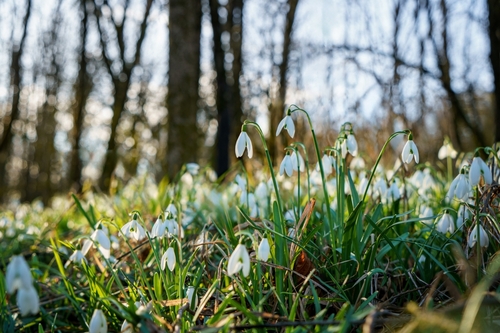

Late winter can feel endless. Days remain short, skies stay gray, and the ground is cold underfoot. But beneath bare trees and frost-hardened soil, something quietly shifts. Small white flowers begin to push through, delicate and determined. These are snowdrops—Britain’s earliest bloomers and the first sign that spring is near.
From January through March, historic gardens, castle grounds, and ancient woodlands across the UK transform into blankets of white. Snowdrop festivals celebrate this seasonal moment with guided walks, garden tours, and the chance to see rare varieties up close. For many, visiting a snowdrop display has become a cherished winter tradition—a chance to step outside, breathe fresh air, and witness nature’s resilience.
Snowdrops hold deep cultural meaning in Britain. They symbolize hope, renewal, and the promise of warmer days ahead. Churches planted them in graveyards as symbols of purity. Monasteries cultivated them in medieval times. Victorians collected rare varieties with near obsession. Today, gardeners and nature lovers continue that tradition, traveling across the country to see the season’s best displays.
This guide covers everything you need to plan your snowdrop visit: the history behind these flowers, where to find the most beautiful displays, how to prepare for your trip, and tips for capturing the moment on camera.
What Is the Snowdrop Festival?
The Origins of Snowdrop Celebrations
Snowdrops arrived in Britain during medieval times, likely brought by monks who appreciated their early bloom. Monasteries and churchyards planted them as symbols of purity and Candlemas, the Christian feast day in early February. Over centuries, they spread across estates, woodlands, and village gardens.
By the Victorian era, snowdrops had become a gardening obsession. Collectors traded rare varieties at high prices, and the term “galanthophile” emerged to describe those devoted to cultivating them. The flowers’ ability to bloom in harsh conditions made them a symbol of perseverance.
The modern snowdrop festival movement began in the late 20th century when heritage sites and private estates started opening their gardens to the public during bloom season. The National Trust now hosts dozens of snowdrop events each year, drawing thousands of visitors to properties across England, Wales, and Northern Ireland. Scotland’s castle estates and gardens have followed suit, creating their own seasonal celebrations.
Why Snowdrops Are So Popular
Snowdrops bloom when little else does. While most plants remain dormant, these flowers emerge through frozen ground, sometimes even pushing through light snow. Their appearance signals that winter’s grip is loosening.
For many visitors, snowdrop walks offer more than just a pretty view. They provide a peaceful outdoor activity during months when gardens and parks feel bare. Walking through a woodland carpeted in white flowers offers a moment of calm and reflection—a chance to notice small details and appreciate nature’s timing.
Heritage gardens and historic estates use snowdrop season to showcase their grounds during a quieter time of year. These events support garden conservation and help fund maintenance of historic landscapes that might otherwise struggle financially.
When and Where Snowdrop Festivals Take Place
Typical Season
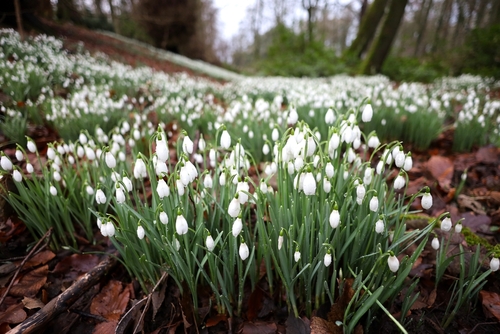
Snowdrops typically bloom from late January through early March. The exact timing depends on weather conditions and location. Milder winters may bring blooms in mid-January, while colder years can push peak displays into late February.
Southern England usually sees flowers first, followed by the Midlands, northern England, Wales, and Scotland. Checking bloom updates from individual gardens before traveling helps ensure you visit at the right time.
Regions Known for Snowdrop Displays
England
The Cotswolds, Hampshire, Yorkshire, and Nottinghamshire host some of the country’s most celebrated displays. National Trust properties in these regions often feature ancient woodlands and historic estates where snowdrops have naturalized over centuries.
Wales
Welsh gardens like Bodnant Garden in Conwy offer stunning valley views combined with sweeping snowdrop carpets. Historic estates throughout Wales open their grounds seasonally, often including tea rooms and guided tours.
Scotland
Castle grounds and woodland estates across Scotland provide dramatic backdrops for snowdrop displays. Properties like Cambo Gardens in Fife offer coastal views alongside floral displays.
Northern Ireland
Garden estates in Northern Ireland feature both formal plantings and naturalized woodlands. Many properties combine snowdrop viewing with historic house tours.
Best Places to See Snowdrops in the UK
Welford Park, Berkshire
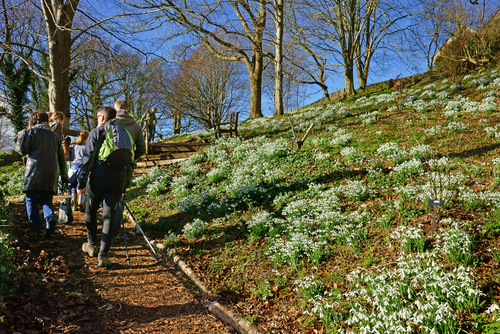
Welford Park features one of southern England’s largest private snowdrop displays. Visitors walk through woodlands carpeted in white, with millions of flowers creating a sea of blooms. The estate opens for a limited window each February, and advance booking is required.
The setting combines natural woodland with formal garden areas. Paths wind through trees, allowing close-up views of dense snowdrop clusters. A tea room serves refreshments, and plant sales offer varieties to take home.
Ideal visiting time: Mid-February
Anglesey Abbey, Cambridgeshire
This National Trust property features extensive gardens with carefully designed snowdrop displays. Both naturalized woodland areas and formal garden beds showcase different varieties. The abbey itself offers historic tours, making this a full-day destination.
Paths remain well-maintained and accessible in most weather. Guided tours help visitors identify rare cultivars and learn about garden history.
Ideal visiting time: Late January to early February
Hodsock Priory, Nottinghamshire
Hodsock Priory opens its gardens specifically for snowdrop season, with over five miles of woodland walks. The estate’s displays have grown in reputation, attracting visitors from across the country.
The grounds include lakeside paths, ancient trees, and naturalized plantings that create dramatic sweeps of white. Photography opportunities abound, especially near water features where flowers reflect in still pools.
Ideal visiting time: Mid to late February
Cambo Gardens, Scotland
Located along Scotland’s Fife coast, Cambo combines woodland snowdrop walks with sea views. The estate features both cultivated gardens and wild areas where flowers have spread naturally.
Visitors can explore marked trails at their own pace or join guided walks. The walled garden offers shelter on windy days, while coastal paths provide dramatic scenery.
Ideal visiting time: Late February to early March
Bodnant Garden, Wales
Bodnant Garden in the Conwy Valley offers terraced gardens with mountain views. Snowdrops fill woodland areas and formal borders, creating layers of interest throughout the property.
The garden’s varied terrain means different areas bloom at slightly different times, extending the viewing season. Paths range from easy garden walks to more challenging woodland trails.
Ideal visiting time: Early to mid-February
Painswick Rococo Garden, Gloucestershire
This restored 18th-century garden features snowdrops planted in period-appropriate style. The setting combines formal garden rooms with naturalistic plantings, offering a unique historical perspective on snowdrop cultivation.
Visitors can explore garden follies, woodland walks, and formal beds. The garden’s relatively compact size makes it ideal for a shorter visit.
Ideal visiting time: Late January to mid-February
Dunham Massey, Greater Manchester
Another National Trust property, Dunham Massey features parkland and woodland walks filled with naturalized snowdrops. The estate’s deer park adds extra interest, and the mansion offers indoor activities if weather turns poor.
Well-marked paths make navigation easy, and the site’s proximity to Manchester makes it accessible for urban visitors seeking a countryside escape.
Ideal visiting time: Early February
Planning Your Visit
Tickets & Entry
Popular estates like Welford Park and Hodsock Priory require advance booking. These properties limit daily visitor numbers to protect delicate plantings and ensure everyone has space to enjoy the displays.
National Trust members receive free entry to Trust properties, making membership worthwhile if you plan to visit multiple sites. Some private estates charge per car rather than per person, making group visits economical.
Check individual property websites for current pricing and booking requirements. Some gardens offer discounted rates for early or late-season visits.
Timing Tips
Weekday visits tend to be quieter than weekends, especially at properties near major cities. Arriving early in the day provides the best light for photography and ensures parking availability.
Many gardens post bloom updates on social media or their websites. Checking these before traveling helps confirm that flowers are at peak display. Weather can shift timing by a week or more, so flexibility helps.
What to Wear
Snowdrop season means muddy paths and potentially wet weather. Waterproof boots or wellies are essential—smooth-soled shoes become slippery on woodland trails.
Layers work better than heavy coats. Walking generates warmth, but standing still to photograph or observe can quickly feel cold. A waterproof outer layer protects against unexpected showers.
Bring gloves that allow you to operate a camera if you plan to photograph. Many visitors also pack hand warmers for particularly cold days.
Photography Tips for Snowdrop Displays
Snowdrops present unique photographic challenges. Their small size and white color require careful attention to exposure and composition.
- Lighting matters most. Overcast days work better than bright sun, which creates harsh shadows and blows out white petals. Soft, diffused light brings out texture and detail.
- Shoot low. Getting down to flower level creates more dramatic images than standing shots. This perspective emphasizes the carpet effect and includes interesting backgrounds like tree trunks or distant paths.
- Use a shallow depth of field to isolate individual flowers or small clusters against a blurred background. This technique highlights delicate details while suggesting the larger display.
- Respect the flowers. Stay on designated paths and avoid trampling plants for a shot. Most gardens clearly mark viewing areas, and straying damages both flowers and surrounding vegetation.
- Capture atmosphere. Include elements like misty trees, dappled light, or historic buildings to tell a broader story about the location. Context helps viewers understand why these displays feel special.
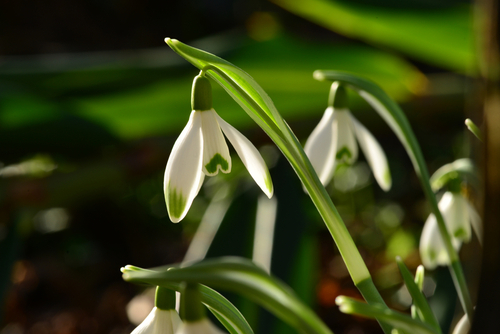
- Try macro photography if your camera allows it. Close-ups reveal the intricate structure of individual blooms—the green markings on inner petals, the way petals curve, the delicate stems.
Snowdrops in British History & Folklore
Cultural Significance
Snowdrops carry deep symbolic meaning in British culture. Their appearance in late winter traditionally signaled that the hardest months had passed and spring would soon arrive. Churches planted them in graveyards to symbolize hope and resurrection, connecting their bloom to themes of renewal.
Medieval monasteries cultivated snowdrops, possibly introducing some of the earliest varieties to Britain. Monks valued plants with symbolic significance, and snowdrops’ association with Candlemas—celebrated on February 2nd—made them religiously meaningful.
Victorian gardeners transformed snowdrops from religious symbols into collectibles. Rare varieties commanded high prices, and specialist nurseries bred new cultivars. This era established Britain’s reputation as a center for snowdrop cultivation and study.
Galanthophiles
The term “galanthophile” describes someone who collects and studies snowdrops with serious dedication. These enthusiasts seek rare varieties, attend specialized plant sales, and maintain collections that can include hundreds of different cultivars.
Snowdrop varieties show subtle differences—variations in petal shape, marking patterns, or growth habits. To most observers, these differences seem minor. To galanthophiles, they’re significant enough to justify considerable effort and expense.
Specialist nurseries hold snowdrop sales during bloom season, allowing collectors to see flowers before purchasing. Some rare varieties sell for substantial sums, continuing the Victorian tradition of snowdrop trading.
Beyond the Flowers—What Else to Enjoy
Snowdrop festivals offer more than just flower viewing. Most estates include historic houses or castles open for tours. These buildings provide context for the gardens and offer indoor activities if weather turns poor.
Many properties feature tea rooms serving seasonal menus. Warming up with soup and cake after a cold woodland walk enhances the experience. Some estates also operate plant nurseries where visitors can purchase snowdrops and other seasonal plants.
Guided garden tours help visitors understand what they’re seeing. Knowledgeable guides explain garden history, point out rare varieties, and share cultivation tips. These tours often run at set times and may require separate booking.
Consider exploring nearby villages or market towns. Many snowdrop destinations sit in picturesque rural areas with additional attractions. A full day or weekend trip allows you to experience the broader region.
Sustainability & Respecting Nature
Snowdrop festivals depend on careful conservation. Visitors play an important role in protecting these displays for future seasons.
Stay on marked paths. Trampling damages both flowers and soil structure. Compacted soil prevents new growth and can kill established bulbs. Designated paths protect planting areas while still allowing good views.
Never pick flowers. Removing blooms or bulbs is illegal in many locations and harms plant populations. Enjoy flowers where they grow and leave them for others to see.
Support conservation efforts. Entry fees help maintain historic gardens and fund conservation work. Some properties run on minimal budgets, making visitor support essential for their survival.
These festivals demonstrate how heritage preservation and public access can work together. Gardens that might otherwise struggle financially can open seasonally, sharing their collections while generating needed income.
Sample Day Itinerary
Here’s how a typical snowdrop visit might unfold:
9:30 AM – Arrive as gardens open. Early light provides excellent photography conditions, and paths remain uncrowded.
10:30 AM – Complete woodland walk, taking time to observe different planting areas and varieties.
12:00 PM – Lunch in the estate café. Many properties serve locally sourced food in historic settings.
1:00 PM – Join a guided tour to learn about garden history and rare cultivars.
2:30 PM – Explore formal garden areas or visit the historic house if weather has turned wet.
4:00 PM – Stop in a nearby village for tea or to explore local shops before heading home.
This pace allows time to enjoy the setting without rushing. Adjust based on property size and your interests—some gardens warrant half a day, while others deserve a full day or multiple visits.
Frequently Asked Questions
When is the best month to see snowdrops in the UK?
February typically offers peak displays across most of the country. Late January works well for southern England, while Scotland and northern England peak in late February to early March. Check specific gardens for bloom updates before traveling.
Are snowdrop festivals family-friendly?
Yes. Most estates welcome families and offer easy walking paths suitable for children. Woodland settings provide space for kids to explore safely. Some properties offer family activities or trails designed for younger visitors.
Can you bring dogs?
Policies vary by property. Many National Trust gardens allow dogs on leads in outdoor areas but prohibit them from formal gardens or indoor spaces. Private estates set their own rules. Always check before visiting.
Do you need to book in advance?
Popular private estates like Welford Park and Hodsock Priory require advance booking. Many National Trust properties accept walk-up visitors but recommend booking during peak weekends. Checking booking requirements before traveling prevents disappointment.
How long do snowdrops last?
Individual flowers bloom for several weeks. Gardens with large plantings usually maintain displays throughout February, though exact timing depends on weather. Cold spells can extend the season, while warm weather may shorten it.
What should I wear?
Waterproof boots are essential—paths become muddy during winter months. Dress in warm layers and bring a waterproof jacket. Gloves help if you plan to photograph or spend extended time outdoors.
Welcome Spring with Snowdrops
Snowdrop festivals offer something different from summer garden shows. They’re quieter, more contemplative, and focused on a single moment in the seasonal cycle. Rather than overwhelming displays of color, they celebrate subtle beauty and resilience.
These festivals provide a reason to venture outdoors during months when it’s tempting to stay inside. They encourage noticing small details—the way light filters through bare branches, how frost clings to petals in early morning, the first birds returning as days lengthen.
The tradition of visiting snowdrop displays connects to something deeply British: an appreciation for gardens as places of both beauty and meaning. These annual pilgrimages to see early blooms continue centuries of horticultural tradition.
Start planning your visit now. Check bloom forecasts in mid-January, book popular estates early, and prepare for muddy paths and potentially cold weather. The experience rewards the effort—a chance to witness one of Britain’s most cherished seasonal transitions and welcome spring’s arrival.