
Shavuot is one of the most significant and joyful holidays in the Jewish calendar. Known as one of the Three Pilgrimage Festivals, it holds a deep historical and spiritual meaning for Jewish communities worldwide. It marks a profound moment of connection, reflection, and gratitude.
The holiday carries a beautiful dual identity. On one hand, it is an agricultural festival that celebrates the harvest of the first fruits. On the other hand, it is a spiritual milestone that honors the giving of the Torah to the Israelites at Mount Sinai. This combination of physical nourishment and spiritual guidance makes the holiday truly unique.
Understanding Shavuot helps you appreciate the rich traditions that have been passed down for generations. This guide covers the meaning of the holiday, the historical roots, and the practical ways you can celebrate Shavuot in 2026. You will learn about the customary foods, community gatherings, and activities that make this Festival of Weeks so special.
When Is Shavuot 2026?
In 2026, Shavuot begins on the evening of Thursday, May 21, and ends at nightfall on Saturday, May 23. These dates can vary slightly depending on your location and specific Jewish denomination.
Jewish holidays always begin at sunset. This tradition comes from the biblical method of tracking time, where a new day starts in the evening. Because of this, holiday meals and synagogue services commence as the sun goes down.
The length of the holiday also depends on where you live. In Israel, Shavuot is typically observed for one day. In the Diaspora (Jewish communities outside of Israel), it is traditionally celebrated for two days.
What Does “Shavuot” Mean?
The word “Shavuot” literally translates to “Weeks” in Hebrew. This name directly connects to the ritual of counting the Omer. The Omer is a 49-day period that begins on the second night of Passover.
Shavuot marks the completion of this seven-week spiritual counting period. The 50th day is the holiday itself. It acts as the grand culmination of a long journey, linking the physical liberation of Passover to the spiritual revelation of receiving the Torah.
The Historical and Spiritual Significance
Understanding the history of Shavuot provides a clear view of its importance in Jewish life. The holiday celebrates both the foundation of Jewish law and the bounty of the earth.
The Giving of the Torah
The most profound spiritual aspect of Shavuot is the revelation at Mount Sinai. According to tradition, this is the exact moment God gave the Torah to the Jewish people. This event formed a lasting covenant between God and the Israelites. The Torah serves as the ultimate moral and spiritual guide, making this anniversary central to Jewish identity.
Agricultural Roots
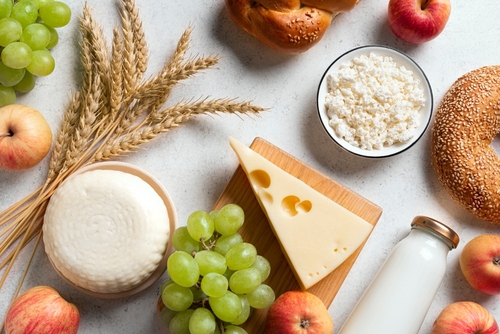
In ancient times, Shavuot was a major agricultural festival known as the festival of first fruits, or Bikkurim. Farmers would travel on a pilgrimage to the Holy Temple in Jerusalem. They brought offerings of their very first and finest harvests, including wheat, barley, grapes, figs, pomegranates, olives, and dates.
Core Themes
The holiday revolves around a few core themes. Revelation stands at the center, remembering the experience at Mount Sinai. Responsibility follows closely, as receiving the Torah meant accepting its laws. Finally, the holiday emphasizes gratitude and renewal, giving thanks for the harvest and recommitting to a spiritual path.
Key Shavuot Traditions Explained
Jewish communities observe several meaningful traditions during this holiday. These customs bring the history of Mount Sinai to life.
Tikkun Leil Shavuot (All-Night Study)
One of the most popular customs is the Tikkun Leil Shavuot. This involves staying up late or even all night to study the Torah. This tradition serves as a spiritual preparation for receiving the laws anew. It reenacts the eagerness and dedication of the Israelites at Mount Sinai.
Reading the Book of Ruth
Synagogues read the Book of Ruth during Shavuot services. This biblical story highlights themes of loyalty, kindness, and conversion to Judaism. Ruth’s journey perfectly aligns with the Israelites’ acceptance of the Torah. Furthermore, the story takes place during the harvest season, tying into the agricultural roots of the holiday. Ruth is also the great-grandmother of King David, who tradition says was born and died on Shavuot.
Eating Dairy Foods
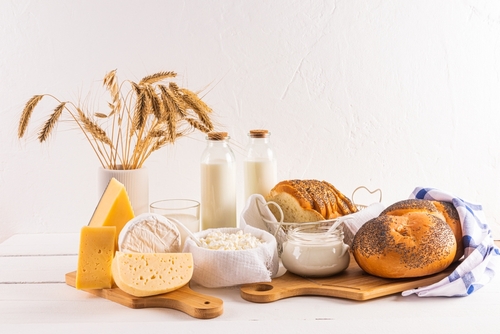
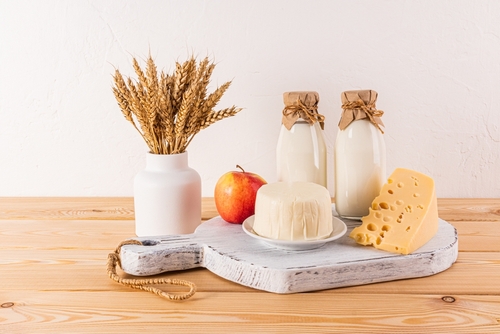
Dairy foods are a staple of Shavuot celebrations. Families enjoy cheesecake, cheese blintzes, and noodle kugel. There are many symbolic reasons for this tradition. Some say the Torah is nourishing and sweet, like milk and honey. Others note that the laws of keeping kosher were just given at Sinai, so the Israelites ate simple dairy meals while preparing their meat safely.
Decorating with Greenery
Many homes and synagogues are adorned with fresh flowers, branches, and plants. This greenery symbolizes Mount Sinai. According to the Midrash, the barren mountain suddenly burst into bloom with lush flowers and grasses when the Torah was given.
How to Celebrate Shavuot Today
Celebrating Shavuot is a joyful experience that you can easily adapt to fit your lifestyle. You can observe the holiday at home, with your community, or with young children.
At Home
You can start your home celebration by preparing a festive dairy meal. Gather your friends and family around the table to enjoy good food and good company. You can also dedicate time to study Jewish texts or discuss meaningful teachings with your guests. Finally, light holiday candles in the evening to usher in the festival with warmth and light.
In the Community
Community is a huge part of Jewish life. You can attend local synagogue services to hear the reading of the Ten Commandments. Many synagogues also host community study sessions, guest lectures, and shared meals. Joining these events is a wonderful way to connect with others and deepen your own understanding of the holiday.
With Family and Children
Shavuot is highly accessible for children. You can share the story of Mount Sinai using simple, engaging books. Cooking traditional foods together, like rolling cheese blintzes, is a fun and tasty activity. You can also craft floral decorations to hang around the house, teaching them about the blooming mountain.
Shavuot Foods: What to Eat and Why
Food plays a vital role in Jewish celebrations. On Shavuot, the focus shifts entirely away from traditional meat dishes to delicious dairy recipes.
Classic dishes include creamy cheesecakes and cheese blintzes, which are thin crepes rolled around a sweet cheese filling. Cheese-filled pastries and savory quiches are also highly popular. The symbolism behind these foods centers on purity, simplicity, and the sweetness of the Torah. If you want a modern twist, you can try making a goat cheese and fig tart or a dairy-free cashew cheesecake to accommodate dietary restrictions.
Frequently Asked Questions (FAQs) About Shavuot
Is Shavuot a major holiday?
Yes. Shavuot is one of the three major Pilgrimage Festivals in Judaism, alongside Passover and Sukkot. It holds immense religious significance due to its connection to the giving of the Torah.
Can you work on Shavuot?
According to traditional Jewish law, Shavuot is a day of rest. Work, driving, and using electronics are generally prohibited, similar to the rules of Shabbat. However, observance levels vary widely among different communities and individuals.
Why dairy instead of meat?
Eating dairy symbolizes the sweetness and nourishing qualities of the Torah, often compared to milk and honey. It also represents the simplicity of the meals the Israelites ate immediately after receiving the kosher laws at Mount Sinai.
Do all Jewish communities celebrate the same way?
While the core traditions remain the same, customs can vary. Ashkenazi communities often focus on foods like blintzes and kugel. Sephardic communities might prepare dishes like cheese sambusak (savory pastries) and read a special marriage contract (Ketubah) between God and the Jewish people.
Shavuot in Modern Life
In contemporary Jewish communities, Shavuot offers a moment to pause and reflect. Modern life is demanding, but this holiday provides a structured time to unplug. It allows you to balance a busy schedule with dedicated spiritual reflection.
Many communities find creative ways to make ancient traditions meaningful today. Study sessions now cover modern ethics, social justice, and personal growth, alongside traditional Torah study. This ensures the holiday remains relevant and deeply engaging for everyone.
Receiving the Torah, Year After Year
Shavuot is an invitation to experience ongoing renewal. It reminds us that receiving the Torah is not just a historical event that happened thousands of years ago. It is a continuous, daily process of learning, growing, and refining our values.
As you prepare for Shavuot 2026, look for ways to find a personal connection to the holiday. Try learning a new text, deepening a personal commitment, or simply taking a moment to appreciate the harvest of good things in your life. Embrace the opportunity to ask yourself what revelation means to you today, and carry that inspiration forward into the year ahead.