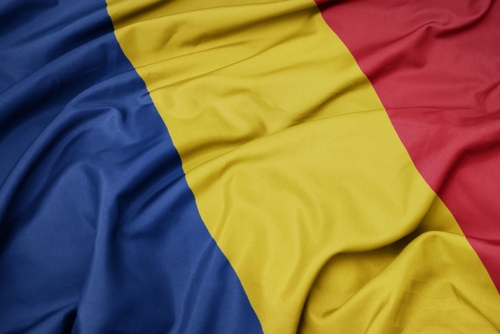

If you are a Romanian living abroad, or simply interested in Romanian history, Unification Day is a date worth marking on your calendar. It is a moment of national pride, reflecting on a time when separate principalities came together to form the foundation of modern Romania.
Celebrating this holiday is about more than just remembering the past. It is about connection, community, and the shared values that bring Romanians together, no matter where they are in the world. Here is a straightforward guide to understanding Unification Day 2026, its history, and how it is celebrated.
What is Romania Unification Day?
Romania Unification Day, known locally as Ziua Unirii Principatelor Române or “The Little Union,” is celebrated annually on January 24th. It commemorates the unification of the Romanian Principalities of Moldavia and Wallachia in 1859.
This event was a crucial first step toward the creation of the modern Romanian state. It was achieved under the leadership of Alexandru Ioan Cuza, who was elected as the ruling prince of both principalities. This clever political maneuver effectively united the two territories under one leader without technically violating international treaties of the time.
While the Great Union (Marea Unire) of 1918 is celebrated on December 1st, the January 24th celebration honors the essential groundwork that made the later, larger union possible.
When is Unification Day 2026?
In 2026, Romania Unification Day falls on Saturday, January 24th.
Since 2016, this day has been recognized as a national public holiday in Romania. While it falls on a weekend in 2026, it remains an important day for public events, cultural gatherings, and reflection.
The History Behind the Holiday
To understand the importance of this day, it helps to look back at the 19th century. The principalities of Moldavia and Wallachia shared a language, culture, and history, but were politically separate and under the influence of the Ottoman Empire.
In 1859, the path to unity became clear.
- January 5, 1859: Alexandru Ioan Cuza was elected ruler of Moldavia.
- January 24, 1859: In a historic move, the assembly in Bucharest also elected Cuza as the ruler of Wallachia.
By electing the same person to rule both regions, the Romanian people effectively unified themselves. This act of solidarity showed the world their desire for independence and nationhood. Cuza went on to implement major reforms, including modernizing the legal system, education, and the army, setting the stage for Romania’s full independence in 1877.
Traditions and Celebrations
Unification Day is celebrated with joy and solemnity across Romania. If you are visiting during this time, or want to replicate the traditions from abroad, here is what you might see:
The Union Horror (Hora Unirii)
The most iconic tradition of January 24th is the Hora Unirii (The Union Round Dance). In city squares across the country—most notably in Iași and Bucharest—people join hands in a large circle to dance. This symbolizes unity, equality, and the brotherhood of all Romanians. The dance is often accompanied by famous verses written by poet Vasile Alecsandri, which speak of “brotherhood on Romanian soil.”
Official Ceremonies
Government officials, including the President and Prime Minister, typically attend wreath-laying ceremonies at monuments dedicated to Alexandru Ioan Cuza. Military parades and religious services are also common, honoring the leaders and citizens who fought for unity.
Cultural Events
Museums often host special exhibitions, and schools organize educational programs to teach younger generations about the significance of the 1859 union. Folk music concerts and traditional fairs are also popular ways to celebrate local heritage.
Connecting with Home from Abroad
For the millions of Romanians living in the diaspora, national holidays can sometimes feel bittersweet. Being away from home doesn’t mean you can’t participate. Here are simple ways to stay connected to your roots on January 24th:
- Join a Local Event: Many Romanian cultural centers, embassies, and churches abroad organize their own Hora Unirii or community gatherings.
- Connect Digitally: Video calls make it easy to share the holiday with family back home. Seeing a familiar face can bridge the distance.
- Share the History: Use this day to tell your children or friends about Romanian history. Sharing stories keeps the culture alive.
- Support Loved Ones: Many Romanians abroad work hard to support their families back home. Sending support, whether financial or emotional, is a powerful way to show you care.
Celebrating Unity Wherever You Are
Romania Unification Day reminds us that unity is a choice and a continuous effort. It is a celebration of resilience and the power of people coming together for a common cause.
Whether you are dancing the Hora in a snowy square in Iași or marking the occasion quietly in London, Madrid, or New York, the spirit of the day remains the same. It is a day to be proud of your heritage and optimistic about the future.
Frequently Asked Questions (FAQs)
What is Romania Unification Day?
Romania Unification Day, also known as the Day of the Little Union, marks the unification of the Romanian Principalities of Wallachia and Moldavia on January 24, 1859. This event was a significant step in the formation of modern Romania.
When is Romania Unification Day celebrated?
Romania Unification Day is celebrated annually on January 24th. For 2026, it falls on a Saturday, allowing for vibrant public events and commemorations.
How do Romanians celebrate this day?
Romanians celebrate Unification Day through various traditions, including public parades, cultural performances, and official ceremonies. Dancing the traditional Hora Unirii (Hora of Unity) is a common way communities come together to honor the day.
Is Romania Unification Day a public holiday?
Yes, Romania Unification Day is a public holiday in Romania. Many businesses and schools are closed, allowing people to participate in celebrations and reflect on the historical significance of the event.
Why is the Hora Unirii significant?
The Hora Unirii is a traditional Romanian folk dance symbolizing unity and togetherness. It is performed hand-in-hand in a large circle and represents the collective spirit of the nation, making it a central part of the festivities.
How do Romanians abroad celebrate this day?
Romanians living abroad often mark the occasion with cultural events, gatherings, and traditional dances. These celebrations serve as a way to stay connected to their heritage and share their culture with the communities they live in.