
Festivals are a time for joy, connection, and gratitude. For Tamil communities around the world, Pongal is one of the most significant celebrations of the year. It marks the harvest season, offering thanks to the sun, nature, and farm animals for a bountiful yield. Whether you are celebrating in India or sending wishes from abroad, understanding the traditions of Pongal brings you closer to your roots.
This guide covers everything you need to know about Pongal 2026, including the dates, the significance of each day, and how families celebrate this vibrant harvest festival.
When is Pongal 2026?
Pongal is a four-day festival celebrated in the Tamil month of Thai. It typically falls in mid-January. In 2026, the festivities are expected to take place from January 14th to January 17th.
Here is the breakdown of the four days for 2026:
- Bhogi Pongal: Wednesday, January 14, 2026
- Surya Pongal (Thai Pongal): Thursday, January 15, 2026
- Mattu Pongal: Friday, January 16, 2026
- Kaanum Pongal: Saturday, January 17, 2026
Note: Dates are based on the solar calendar and may vary slightly depending on regional customs.
The Significance of the Four Days of Pongal
Pongal isn’t just a single event; it is a four-day observance, with each day holding a special meaning.
Day 1: Bhogi Pongal
The first day marks a fresh start. Families focus on cleaning their homes and discarding old or unused items. This symbolizes getting rid of negativity and embracing positive change. In villages, people often light a bonfire to burn discarded items, chanting traditional songs to welcome the new cycle.
Day 2: Surya Pongal (Thai Pongal)
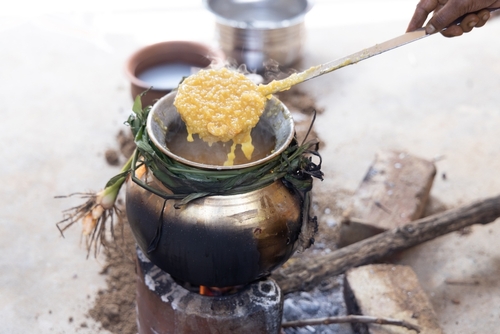
This is the main day of the festival. It is dedicated to Surya, the Sun God. Families wake up early to cook the traditional dish—also called Pongal—outdoors in an earthen pot. The dish is made from fresh harvest rice, jaggery, and milk.
As the milk boils over the pot, everyone shouts “Pongalo Pongal!” This overflowing pot symbolizes abundance and prosperity for the coming year. Families offer this sweet dish to the Sun God before sharing it with friends and neighbors.
Day 3: Mattu Pongal
The third day honors cattle, which are essential to farming. Farmers bathe their cows and bulls, paint their horns in bright colors, and decorate them with bells and flower garlands. It is a day to show gratitude to the animals that help plow the fields and provide milk. In some regions, the traditional bull-taming sport, Jallikattu, takes place on this day.
Day 4: Kaanum Pongal
The final day is for family and community. People visit relatives, exchange gifts, and enjoy outings. Kaanum means “to view” or “to visit.” It is common for brothers to give gifts to their married sisters as a token of love. Families often pack food and head to beaches or parks to spend quality time together.
How Pongal is Celebrated Worldwide
While the core traditions remain the same, celebrations can look different depending on where you are.
In Tamil Nadu, India
The celebrations are most vibrant here. Houses are decorated with Kolams (intricate designs made with rice flour) at the entrance. Fresh sugarcane stalks adorn doorways, and the smell of sweet rice fills the air. Temples hold special prayers, and villages come alive with folk music and dance.
In the Diaspora
For Tamils living in countries like the United States, Canada, Malaysia, Singapore, and the UK, Pongal is a vital link to cultural heritage.
- Community Gatherings: Cultural associations often organize potlucks and cultural programs.
- Home Celebrations: Families cook Sakkarai Pongal (sweet pongal) at home, even if they cannot do it outdoors.
- Virtual Connections: Many use video calls to watch the milk boil over with family back home in India.
Traditional Pongal Dish Recipe
You can celebrate the spirit of the harvest by making Sweet Pongal in your own kitchen.
Ingredients:
- 1 cup raw rice
- ½ cup moong dal (split yellow mung beans)
- 1 cup jaggery (powdered)
- 4 cups water (or a mix of milk and water)
- ¼ cup ghee (clarified butter)
- Cashews and raisins
- Cardamom powder
Instructions:
- Roast the moong dal until it turns golden and aromatic.
- Wash the rice and dal together.
- Cook the rice and dal with water/milk until soft and mushy.
- In a separate pan, melt the jaggery with a little water to make a syrup. Strain it to remove impurities.
- Add the jaggery syrup to the cooked rice and dal mixture. Stir well.
- Heat ghee in a small pan. Fry the cashews and raisins until golden.
- Pour the ghee and fried nuts into the pongal. Add a pinch of cardamom powder.
- Mix well and serve warm.
Sending Love Home During Pongal
If you are living away from home, festivals can sometimes feel incomplete without family. However, you can still participate in the joy. Sending money for new clothes, feast ingredients, or gifts is a practical way to contribute to the celebration.
When you send money to support your family’s festivities, you want to know it will arrive safely and on time. Services like Remitly help you send funds securely, so your family can focus on the celebrations without worry.
Embracing the Harvest Spirit
Pongal 2026 is an opportunity to reset, offer thanks, and connect with loved ones. Whether you are boiling milk in an earthen pot in Chennai or cooking rice in a pressure cooker in New York, the spirit of gratitude remains the same.
We hope this guide helps you plan your festivities. From our family to yours, Happy Pongal!
Frequently Asked Questions (FAQs)
What is Pongal, and why is it celebrated?
Pongal is a four-day Tamil harvest festival that marks the beginning of the Sun’s northward journey, also known as Uttarayan. It is celebrated as a way of giving thanks to nature, particularly the Sun God and farm animals, for a bountiful harvest.
When is Pongal celebrated in 2026?
Pongal 2026 will be observed from Wednesday, January 14th to Saturday, January 17th. The festival spans four days, with each day having its own unique significance—Bhogi, Thai Pongal, Mattu Pongal, and Kaanum Pongal.
How is Pongal traditionally celebrated?
Traditional celebrations include cleaning and decorating homes, preparing the sweet dish Pongal in a clay pot, and offering it to the Sun God as a symbol of gratitude. People also adorn their front yards with colorful rangoli designs called kolam, wear new clothes, and engage in cultural activities.
What are the key dishes prepared during Pongal?
Apart from the signature sweet dish Pongal, other popular dishes include vadai, murukku, payasam, and a variety of vegetable curries prepared with seasonal produce.
Can Pongal be celebrated outside India?
Absolutely! Tamil communities across the globe celebrate Pongal with the same enthusiasm. Families come together to cook traditional meals, perform rituals, and share the joy of this harvest festival.
What is the significance of the kolam during Pongal?
Kolam, made using rice flour, is a traditional decorative art drawn outside homes. It is believed to invite prosperity and serve as an offering to living creatures like birds and ants, symbolizing harmony with nature.
Is Pongal specific to Tamil Nadu?
While Pongal has its roots in Tamil Nadu, similar harvest festivals are celebrated across India under different names, such as Makar Sankranti in North India, Lohri in Punjab, and Bihu in Assam. However, Pongal holds a unique cultural and religious significance for Tamils worldwide.