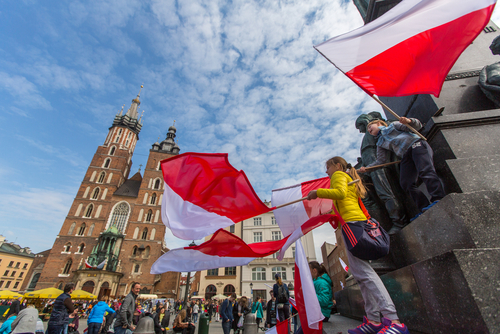

Every year on May 3, people across Poland gather to honor a defining moment in their nation’s history. Święto Konstytucji 3 Maja, or Constitution Day, marks the adoption of the Constitution of May 3, 1791. This document was a groundbreaking achievement for European democracy and remains a powerful symbol of Polish resilience.
The May 3 Constitution was the first modern constitution in Europe and the second in the world. It aimed to reform the political system of the Polish-Lithuanian Commonwealth, bringing stability and modern governance to a vast and diverse nation. While the constitution itself was short-lived, its legacy endured through centuries of hardship.
Understanding this holiday offers valuable insight into Poland’s past and present. In this guide, you will learn the historical context behind the 1791 constitution, the struggles that followed, and the ways modern Poland continues to celebrate this historic milestone.
When is Poland Constitution Day 2026?
Poland will celebrate Constitution Day on Sunday, May 3, 2026. This date is an annual public holiday across the country. Because the holiday falls on a Sunday in 2026, many public events, parades, and historical reenactments will take place throughout the weekend.
As a national public holiday, most businesses, schools, and government offices close. This allows citizens to participate in public ceremonies, attend special masses, or spend time with their families.
What Does Constitution Day Commemorate?
Constitution Day commemorates the formal adoption of the May 3 Constitution in 1791. Lawmakers designed this document to reform and strengthen the Polish-Lithuanian Commonwealth, which was facing severe internal political instability and threats from neighboring empires.
The constitution represented a progressive shift toward a constitutional monarchy. It introduced modern democratic concepts, expanded political rights, and aimed to create a more efficient and unified government.
Historical Background
To fully appreciate the significance of Constitution Day, you have to understand the political landscape of 18th-century Europe.
The Polish-Lithuanian Commonwealth
During this era, the Polish-Lithuanian Commonwealth was one of Europe’s largest and most culturally diverse states. However, its political system allowed individual nobles to veto legislation, which frequently paralyzed the government. This system left the Commonwealth vulnerable to the ambitions of powerful neighbors like Russia, Prussia, and Austria.
The Need for Reform
By the late 1700s, political instability had reached a crisis point. Forward-thinking leaders recognized the urgent need to modernize governance and protect the nation’s sovereignty. They began a concerted effort to draft a new legal framework that would eliminate the paralyzing veto system and establish a more effective central government.
Adoption of the Constitution
On May 3, 1791, the Great Sejm (parliament) passed the new constitution. This bold reform movement drew heavy influence from the political ideas of the Enlightenment. The drafters sought to balance power and protect the state while respecting the rights of citizens.
Why the May 3 Constitution Matters
The May 3 Constitution stands as a massive achievement in political history. It was the second modern written national constitution in the world, following only the United States Constitution.
The document introduced a clear separation of powers among the legislative, executive, and judicial branches. It also granted greater political rights to the middle class and offered state protection to peasants. Today, it remains a proud symbol of national identity, democratic reform, and the pursuit of freedom.
Challenges and Historical Impact
Despite its progressive vision, the May 3 Constitution faced immediate backlash. Neighboring empires viewed the democratic reforms as a direct threat to their own absolute monarchies.
Within a year, foreign interventions dismantled the new government. This ultimately led to the partitions of Poland, erasing the country from the map of Europe for 123 years. However, the memory of the May 3 Constitution survived. It continued to inspire Polish independence movements throughout the 19th and 20th centuries, becoming a powerful symbol of resilience and sovereignty.
How Constitution Day is Celebrated in Poland
Today, Constitution Day is a vibrant national holiday. People across Poland honor their history through various public and private events.
Official Ceremonies
The Polish government hosts state events in major cities, particularly in Warsaw. The President of Poland and other officials give public speeches to honor the nation’s democratic heritage. Wreath-laying ceremonies take place at key historical monuments, including the Tomb of the Unknown Soldier.
Religious Services
Faith plays a significant role in Polish culture. Special Catholic masses take place in churches across the country. These services honor the nation’s history, give thanks for the country’s freedom, and pray for its future.
Parades and Cultural Events
Many cities host military parades, historical reenactments, and public concerts. People dress in historical costumes to recreate the events of 1791. These public gatherings foster a strong sense of community and national pride.
Display of National Symbols
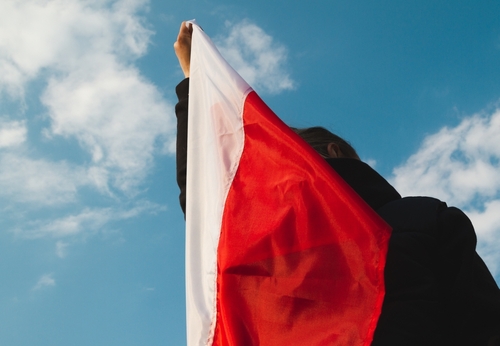
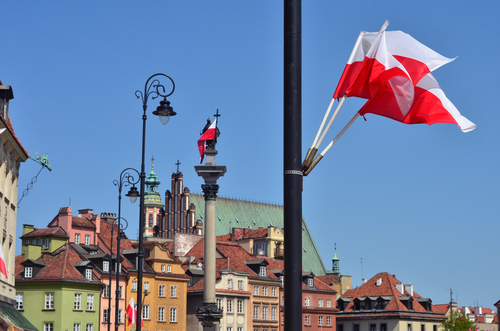
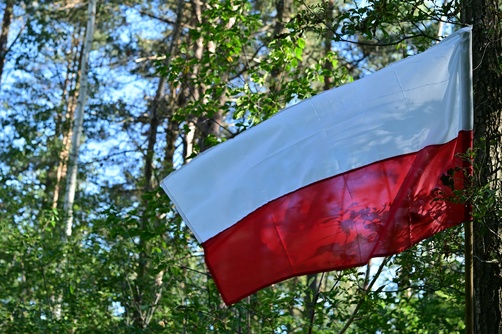
The white and red Polish flag is prominently displayed everywhere. Citizens hang flags from their homes and apartment balconies, while public buildings and streets are draped in national colors.
Constitution Day in Modern Poland
In modern Poland, May 3 is a day of both celebration and reflection. It offers citizens a chance to celebrate their hard-won independence while reflecting on the ongoing importance of democracy and good governance.
There is a renewed focus on engaging younger generations. Schools and community organizations host educational events to ensure that the legacy of the 1791 constitution continues to inspire future leaders.
How to Experience Constitution Day
If you are visiting Poland during the first week of May, you can easily participate in the national celebrations.
Attend Public Events
Head to the main squares of cities like Warsaw, Kraków, or Gdańsk. You can observe military parades, listen to live music, and watch historical reenactments. These events are generally free and open to the public.
Learn the History
Take advantage of the holiday to visit local museums and historical sites. Many museums offer special exhibitions focused on the Polish-Lithuanian Commonwealth and the Enlightenment era.
Engage Respectfully
Remember that this is a meaningful national holiday. Understand the historical weight of the day beyond simple tourism. Observing the ceremonies with respect shows appreciation for the country’s culture and history.
Common Questions About Poland Constitution Day
Is it widely celebrated across the country?
Yes. Constitution Day is a major public holiday. Schools, banks, and most businesses are closed, and public celebrations take place in nearly every city and town.
Why is it historically important beyond Poland?
The May 3 Constitution was the first of its kind in Europe. It represents a major milestone in the global history of democracy, showcasing the spread of Enlightenment ideals regarding governance and human rights.
How does it compare to other constitution-related holidays?
Like Constitution Day in the United States, Poland’s holiday celebrates the foundational legal document of the nation. However, Poland’s history of partition and occupation gives the day an added layer of significance related to national survival and resilience.
Why Constitution Day Still Matters Today
The values embedded in the May 3 Constitution are just as relevant today as they were in 1791. The document represents the universal desire for democratic ideals, legal reform, and human rights.
For Poland, it reflects the nation’s incredible resilience. It serves as a reminder that even when a country’s borders are erased, the spirit and identity of its people can endure through shared values and historical memory.
Remembering Reform and Resilience
The May 3 Constitution is both a historical milestone and a living symbol of democracy. It reminds us that the pursuit of fair governance requires courage and vision.
As Poland celebrates Constitution Day in 2026, it offers a moment for everyone to reflect on the role of constitutions in shaping free societies. The courage of those who drafted the document in 1791 continues to inspire a profound respect for freedom, sovereignty, and the rule of law.