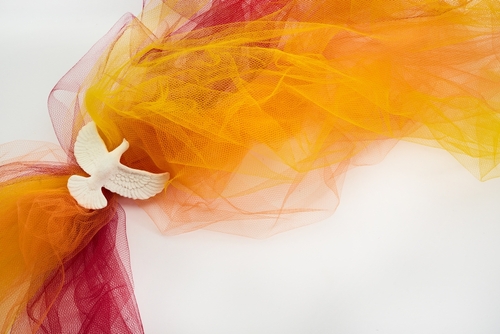

Pentecost is one of the most important holidays in the Christian calendar. Many people recognize Easter and Christmas, yet Pentecost often goes unnoticed by the wider public. For Christians worldwide, this day represents a monumental shift in history. It marks the descent of the Holy Spirit upon the apostles and the official birth of the Christian Church.
Understanding Pentecost provides a deeper appreciation for the Christian faith. The holiday celebrates empowerment, unity, and a divine connection that transcends language and culture. The biblical account describes a sudden rush of wind, tongues of fire, and the ability to speak in new languages. These events forever changed the followers of Jesus, giving them the courage to share their message with the world.
This guide explains everything you need to know about Pentecost 2026. We will explore its historical roots, its deep spiritual significance, and the beautiful traditions associated with it. You will also find practical ways to observe the holiday today, whether you are looking for personal reflection or community connection.
When Is Pentecost 2026?
In 2026, Pentecost Sunday falls on May 24.
The date changes every year because it is tied directly to the date of Easter. The word Pentecost comes from the Greek word “pentēkostē,” which means “fiftieth.” The holiday is always observed exactly 50 days after Easter Sunday, counting Easter as the first day.
This timing follows the traditional liturgical calendar. Because Easter moves based on the lunar cycle, Pentecost also shifts, typically falling between mid-May and mid-June.
What Is Pentecost?
To understand Pentecost, we look at the biblical account found in the book of Acts, specifically Acts 2:1–4.
Following the resurrection and ascension of Jesus, his followers gathered in a room in Jerusalem. They were waiting for the gift Jesus had promised them. Suddenly, a sound like a mighty, rushing wind filled the entire house. The followers then saw what looked like tongues of fire resting on each person.
They were filled with the Holy Spirit. Immediately, they began to speak in different languages. At that time, Jerusalem was filled with people from many different nations. When the apostles went outside to speak, the diverse crowd was amazed. Everyone heard the message in their own native language.
This miraculous event was entirely transformative. It took a group of frightened, uncertain followers and turned them into bold leaders who publicly shared their faith.
The Meaning and Spiritual Significance
Pentecost carries profound spiritual weight for Christians. It is not just a historical event, but a living reality for believers.
The Gift of the Holy Spirit
First and foremost, Pentecost celebrates the gift of the Holy Spirit. For Christians, the Holy Spirit represents God’s ongoing, active presence in the world and in their lives. The Spirit provides believers with empowerment for faith, daily guidance, and the courage to take positive action in their communities.
The Birth of the Church
Pentecost is widely considered the birthday of the Christian Church. Following the descent of the Holy Spirit, the Apostle Peter delivered the first public sermon about Jesus. According to the book of Acts, thousands of people believed and were baptized that very day. This marked the beginning of a global community of believers.
Unity Across Differences
The story of Pentecost is a powerful symbol of global connection. People from dozens of different regions heard the same message in their own languages. This represents unity across cultural, linguistic, and social divides. It shows a message meant for everyone, regardless of their background.
Pentecost in the Christian Calendar
Pentecost serves as the grand finale of the Easter season. The 50-day period begins with the celebration of the resurrection and concludes with the giving of the Holy Spirit.
It also has a direct connection to Ascension Day, which occurs exactly 10 days before Pentecost. Ascension Day commemorates Jesus ascending into heaven, leaving the apostles with the promise that a helper—the Holy Spirit—would soon arrive. Because of its pivotal role in the biblical narrative, Pentecost is considered a major feast in Catholic, Orthodox, and Protestant traditions.
Pentecost Traditions Around the World
Christians celebrate Pentecost in many different ways, blending solemn church practices with vibrant cultural customs.
Church Practices
If you attend a church service on Pentecost, you will likely see a lot of red. Clergy wear red vestments, and congregants are often encouraged to wear red clothing. This color symbolizes the fire of the Holy Spirit. Services usually feature special hymns, focused scripture readings, and prayers for spiritual renewal. In many traditions, Pentecost is also a popular day for baptisms and confirmations.
Cultural Traditions
Cultural celebrations vary widely by region. In the United Kingdom, Pentecost is historically known as Whitsun (White Sunday), named for the white garments traditionally worn by those being baptized. Whitsun often involved community processions, fairs, and festivals. In other parts of Europe and the Americas, local customs include decorating churches with flowers, hosting community meals, and holding outdoor festivals that celebrate renewal and the arrival of summer.
How to Observe Pentecost Today
You can observe Pentecost in several meaningful ways, regardless of your background or location. Here are some practical ideas.
Attend a Worship Service
Joining a local church service is the most traditional way to celebrate. Communal celebration fosters a sense of belonging and connects you with the broader history of the church.
Personal Reflection
Set aside quiet time to read the story in Acts 2. You might pray or write in a journal about your own sense of purpose. Ask yourself where you need guidance or courage in your current season of life.
Acts of Community and Connection
Pentecost is about crossing divides. You can honor this spirit by volunteering, serving others, or simply reaching out to someone from a different background. Building bridges in your community is a highly practical way to live out the message of the holiday.
Family Activities
If you have children, you can use simple visuals to explain the holiday. Crafts involving wind (like making pinwheels or kites) or fire (using red, orange, and yellow tissue paper) are great teaching tools. Storytelling makes the historical event accessible and engaging for younger minds.
Symbols of Pentecost Explained
Several key symbols frequently appear during Pentecost celebrations. Each one points back to the biblical narrative.
- Fire: Represents the presence, purity, and transformative power of the Holy Spirit, mirroring the “tongues of fire” in Acts.
- Wind: Symbolizes the movement and unseen force of the Spirit. You cannot see the wind, but you can see its powerful effects.
- Dove: Often used to represent the Holy Spirit in Christian art. It symbolizes peace, purity, and divine presence, recalling the story of Jesus’s baptism.
Common Questions About Pentecost
Is Pentecost a public holiday?
In many European countries, such as Germany, France, and the Netherlands, the Monday after Pentecost (Whit Monday) is a public holiday. In the United States and the United Kingdom, it is not a federal or public holiday, though churches observe it heavily on Sunday.
Why is it called “Pentecost”?
The name comes from the Greek word “pentēkostē,” meaning “fiftieth.” It takes place 50 days after Easter Sunday. It originally coincided with the Jewish Festival of Weeks (Shavuot), which occurs 50 days after Passover.
Do all Christians celebrate it the same way?
No. Liturgical churches, like Catholic, Episcopal, and Lutheran congregations, typically follow highly structured services with specific colors and readings. Pentecostal and charismatic churches often focus on passionate worship and the active, modern-day gifts of the Holy Spirit.
What is the difference between Pentecost and Confirmation?
Pentecost is an annual holiday celebrating the historical descent of the Holy Spirit upon the early church. Confirmation is a personal rite of passage in a believer’s life. During Confirmation, an individual publicly affirms their faith and prays to receive the Holy Spirit.
Why Pentecost Still Matters Today
The themes of Pentecost are highly relevant to modern life. We all face moments of uncertainty where we need guidance. We all encounter situations that require immense courage.
Pentecost serves as a reminder that we do not have to face these challenges alone. It encourages people to find strength and purpose through faith. Furthermore, in deeply divided times, the story of diverse people understanding a single message of love provides a beautiful blueprint for unity. Pentecost is not just a historical date to remember; it is an ongoing invitation to build connections and live with purpose.
A Spirit That Still Moves
Pentecost 2026 offers an opportunity to pause and reflect on the birth of the Christian Church. It is a day that highlights empowerment, unity, and a shared global purpose. Whether you observe the day by attending a vibrant church service, reading scripture in quiet solitude, or reaching out to help a neighbor, the core message remains the same.
The courage and unity displayed on that ancient day in Jerusalem can still inspire us right now. Where do you see a need for renewal or inspiration in your life today?