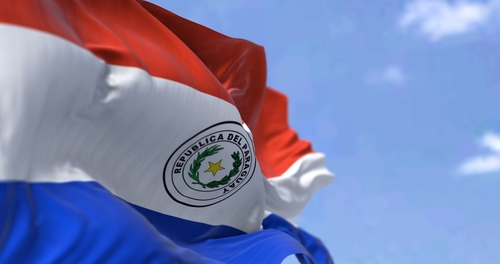

Paraguay’s journey to independence is a quiet but powerful story. Unlike many other nations that fought long, bloody wars for their freedom, Paraguay achieved its independence with strategy and unity. This peaceful transition left a lasting mark on the country’s national identity. Today, Independence Day is a vibrant celebration of culture, history, and profound national pride.
Every year, the people of Paraguay take time to honor the leaders who envisioned a self-governing nation. The streets fill with the sounds of traditional music, the colors of the national flag, and the inviting aromas of local food. It is a time for communities to come together and reflect on their shared heritage.
By reading this guide, you will learn the historical significance of Paraguay Independence Day. You will discover the unique traditions that define the celebration, explore the deep roots of Paraguayan culture, and find out exactly how the holiday will be observed in 2026.
When Is Paraguay Independence Day 2026?
Paraguay celebrates its Independence Day over two consecutive days. In 2026, the holiday falls on Thursday, May 14, and Friday, May 15.
This two-day celebration is one of the most important national holidays in the country. Schools, government offices, and many businesses close so that citizens can participate in the festivities. The extended holiday allows ample time for both official ceremonies and joyful community gatherings.
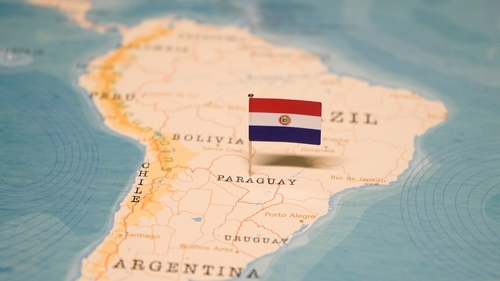
What Does Independence Day Commemorate?
Independence Day marks Paraguay’s liberation from Spanish colonial rule in 1811. The core events took place overnight between May 14 and May 15.
During those critical hours, local leaders boldly stepped forward to assert control over the region. They successfully demanded that the Spanish governor step down and share power with a local council. This decisive action started the official transition to self-governance. It ensured that the people of Paraguay could finally determine their own future.
The Historical Background of Independence
To truly appreciate the holiday, it helps to understand the historical context that led to the events of May 1811.
Colonial Paraguay
For centuries, Paraguay was under Spanish colonial rule. However, its geographic location made it quite isolated from other major colonial centers in South America. This isolation allowed a distinct local culture to develop. The blending of Spanish customs with indigenous Guaraní traditions created a strong, independent mindset among the people.
The Independence Movement
By the early 19th century, calls for freedom were echoing across Latin America. In Paraguay, key figures like Fulgencio Yegros and José Gaspar Rodríguez de Francia led the independence movement. They recognized that the time was right to claim sovereignty. Instead of preparing for a massive military conflict, they used careful planning and political pressure to achieve their goals.
A Unique Path to Freedom
Paraguay’s path to freedom stands out because it involved minimal violence. While other Latin American countries endured years of warfare to break free from Spain, Paraguay’s leaders orchestrated a largely peaceful shift in power. The bloodless revolution of 1811 remains a point of immense pride. It highlights the strategic brilliance and unity of the nation’s founding fathers.
Why Independence Day Matters in Paraguay
Independence Day is much more than a historical anniversary. It is a powerful symbol of sovereignty and unity. The holiday reinforces the national identity of Paraguayans, reminding them of their unique heritage and resilient spirit.
Celebrating this day also honors the vision of the country’s early leaders. Their commitment to a peaceful transition saved countless lives and set a strong foundation for the new republic. For modern Paraguayans, the holiday is a time to celebrate that enduring legacy of peace and self-determination.
How Paraguay Celebrates Independence Day
The celebrations in May are both formal and deeply personal, blending state-sponsored events with grassroots traditions.
National Ceremonies
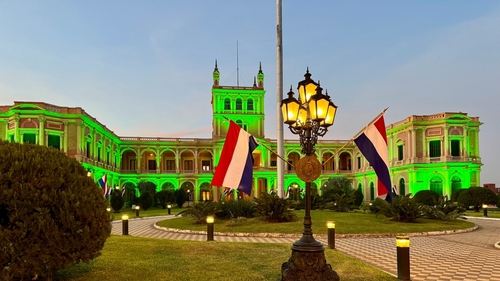
The government hosts official ceremonies in the capital city of Asunción. These events usually include speeches by political leaders, flag-raising ceremonies, and formal tributes to the heroes of 1811. These gatherings set a respectful tone for the holiday.
Parades and Cultural Events
Military and civic parades are a major highlight. Students, civic groups, and military personnel march through the streets to the sound of brass bands. Alongside the parades, you will find vibrant cultural events featuring traditional music and dance performances that bring the history to life.
Community Celebrations
Beyond the official events, local communities host their own festivals, fairs, and gatherings. Neighborhoods come alive with shared meals and local entertainment. There is a strong sense of local participation, making everyone feel connected to the national celebration.
National Symbols
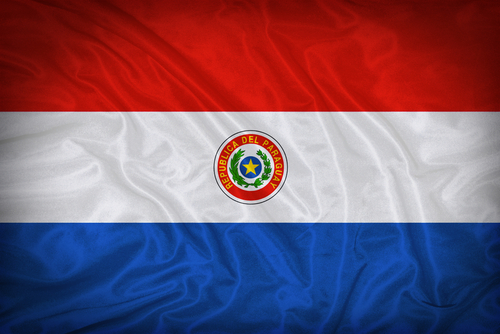
During the holiday, the country is draped in the colors of the Paraguayan flag: red, white, and blue. Patriotic decorations adorn homes, businesses, and public squares. Displaying these national symbols is a simple but powerful way for citizens to show their pride.
Paraguayan Culture on Display
Independence Day provides a perfect opportunity to experience the richness of Paraguayan culture.
Music and Dance
Music is the heartbeat of the celebration. You will hear traditional styles like polka paraguaya and guarania playing in public squares and private homes. Dancers often wear traditional, brightly colored clothing, performing intricate routines that have been passed down for generations.
Traditional Food
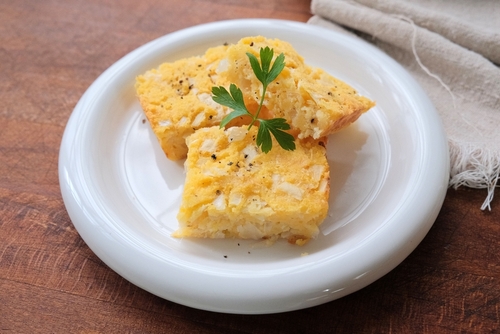
Food plays a central role in the festivities. Families gather to share popular national dishes. You will almost certainly find sopa paraguaya, a unique, savory cornbread filled with cheese and onions. Another favorite is chipa, a delicious cheese-flavored bread made from cassava flour. Sharing these traditional foods is a way to honor the past and enjoy the present.
The Guaraní Language
Paraguay is proudly bilingual. Both Spanish and the indigenous Guaraní language are used daily. During Independence Day, the use of Guaraní is especially prominent in speeches, songs, and casual conversations. This linguistic heritage is a vital part of the country’s cultural identity.
How to Experience Independence Day
If you plan to visit Paraguay during Independence Day, or simply want to honor the day from afar, here are a few practical ways to engage.
Attend Public Events
If you are in the country, attending the parades and local festivals offers an authentic experience. The energy is welcoming, and the public events are generally safe and family-friendly.
Explore Cultural Traditions
Try cooking a traditional Paraguayan dish like sopa paraguaya at home. You can also listen to guarania music online to get a sense of the country’s artistic soul. Exploring these customs helps you connect with the spirit of the holiday.
Engage Respectfully
Take the time to understand the historical significance behind the celebrations. Recognizing the peaceful nature of Paraguay’s independence shows respect for the country’s unique history and cultural values.
Why Paraguay’s Independence Story Still Matters
The story of May 1811 offers valuable lessons today. It demonstrates an alternative path to independence, proving that freedom can sometimes be won through strategy and unity rather than prolonged conflict. The leadership shown by figures like Yegros and Francia highlights the power of careful planning. Ultimately, the story offers a timeless lesson in how a peaceful transition can forge a strong, unified national identity.
Frequently Asked Questions (FAQ)
Why is Paraguay Independence Day celebrated over two days?
The events that led to independence occurred overnight between May 14 and May 15, 1811. The two-day holiday honors the continuous, overnight effort of the local leaders who secured the nation’s freedom.
How is it different from other Latin American independence days?
Paraguay’s independence was achieved with almost no bloodshed. While many neighboring countries fought devastating wars against Spanish forces, Paraguay secured self-governance through a peaceful, strategic political maneuver.
What role does Guaraní culture play in the celebrations?
Guaraní culture is central to Paraguayan identity. During Independence Day, this is reflected through the widespread use of the Guaraní language, the preparation of traditional indigenous-inspired foods like chipa, and the integration of local musical styles.
Celebrating Freedom and Identity
Paraguay’s Independence Day is a deeply cultural and historical event. It is a time when the nation reflects on a peaceful victory that shaped its destiny. The vibrant mix of music, food, and bilingual heritage makes May 14 and 15 a truly unique celebration.
By taking the time to understand this quiet but powerful independence story, we can appreciate the diverse ways nations are built. Exploring the history of Paraguay encourages us to look closer at lesser-known global histories and find inspiration in their paths to freedom.