
Each May, the United States observes Older Americans Month to recognize the incredible contributions of older adults. This annual observance is an opportunity to honor the experience, strength, and community spirit of our aging population. It also provides a chance to shift the narrative away from outdated stereotypes and focus on the realities of growing older today.
Aging brings continued growth, resilience, and valuable life experience. Older adults play essential roles in our families, workplaces, and neighborhoods. By adjusting how we view aging, we can build more inclusive and supportive environments for everyone.
This guide explores the history and significance of Older Americans Month in 2026. You will gain a deeper understanding of the challenges older adults face and discover practical ways to support healthy aging. You will also find actionable steps to celebrate the older Americans in your life and advocate for their well-being.
What Is Older Americans Month?
Older Americans Month was established in 1963 by President John F. Kennedy. At that time, only 17 million living Americans had reached their 65th birthday, and many lacked access to adequate healthcare and financial support. The month was created to acknowledge their contributions and address their specific needs.
Today, the Administration for Community Living (ACL) leads the observance. The primary purpose remains the same: to recognize the vital roles older adults play in our society. The month also serves to highlight ongoing issues affecting aging populations and to promote healthy, active aging. Community support is a central theme, encouraging neighborhoods to create accessible, welcoming spaces for all ages.
Why Older Americans Month Matters in 2026
The aging population in the U.S. is growing rapidly. As demographics shift, it is more important than ever to focus on the needs and contributions of older adults. Acknowledging this month helps us address key challenges while embracing new opportunities.
Older adults face specific hurdles, including social isolation, accessing affordable healthcare, and maintaining financial security. Communities must work together to provide reliable support systems to navigate these obstacles safely.
At the same time, a growing older population offers distinct opportunities. Intergenerational learning allows younger people to gain wisdom from those with decades of lived experience. Active aging also means older adults are contributing to society longer, enriching our communities with their knowledge and time.

Rethinking Aging: Breaking Common Stereotypes
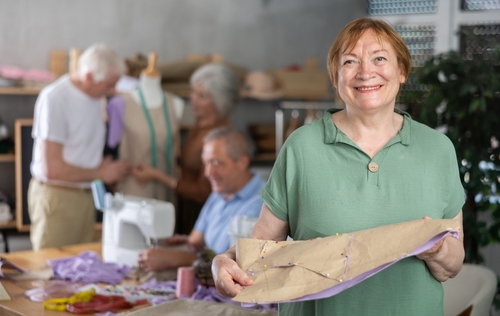
Aging does not equal a decline in ability or purpose. Many older adults continue to work, volunteer, lead community initiatives, and create art well into their later years.
Language plays a significant role in how we view aging. Using respectful, empowering terms helps dismantle harmful stereotypes. We must move away from patronizing language and recognize older adults as active, capable members of society. Encouraging an accurate perspective on aging promotes dignity and respect for everyone.
The Contributions of Older Americans
Older Americans contribute to our society in countless, meaningful ways. Their impact is felt across families, local neighborhoods, and the broader economy.
In Families
Older adults are often the backbone of their families. They provide essential caregiving for grandchildren or spouses. They serve as mentors, offering guidance based on years of experience. They also play a crucial role in passing down cultural traditions and family histories to the next generation.
In Communities
Civic engagement is high among older populations. Many older adults dedicate their time to volunteering at local charities, food banks, and schools. They are consistent voters and active participants in local government, helping to shape policies that benefit the entire community.
In the Workforce
The modern workforce benefits greatly from the presence of older employees. They bring unmatched experience, leadership skills, and institutional knowledge. Knowledge-sharing between older workers and younger colleagues creates a more resilient and capable workforce.

Supporting Healthy and Fulfilling Aging
Healthy aging requires access to the right resources and a supportive environment. Practical planning can help older adults maintain their independence and quality of life.
Physical Health
Staying physically active is important at any age or mobility level. Simple activities like walking, swimming, or stretching can improve overall health. Preventive care is equally vital. Regular checkups and health screenings help catch potential issues early, keeping older adults healthier for longer.
Mental and Emotional Well-Being
Social connection is a cornerstone of mental health. Staying engaged with friends, family, and community groups prevents loneliness. Lifelong learning also keeps the mind sharp. Taking classes, reading, or learning new hobbies provides a strong sense of purpose.
Financial and Lifestyle Planning
Financial security brings peace of mind. Retirement readiness involves careful planning and understanding available benefits. Accessing community resources, such as financial counseling or housing assistance, can help older adults navigate economic changes safely.
How to Celebrate Older Americans Month
Celebrating this month involves meaningful, action-oriented steps. You can make a difference in the lives of older adults through simple, intentional gestures.
Connect Across Generations
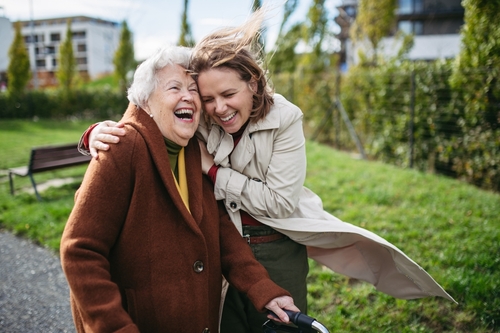
Spend quality time with older family members, friends, or neighbors. Listen to their stories and ask about their life experiences. These conversations build strong bonds and combat social isolation.
Show Appreciation
Small acts of kindness go a long way. Write a heartfelt note, make a phone call, or plan a visit. Let the older adults in your life know you value their presence and wisdom.
Volunteer and Give Back
Support organizations that serve older adults. You can volunteer at a local senior center, deliver meals, or help with community transport programs. Your time makes a tangible impact on their daily lives.
Advocate
Support policies that improve the quality of life for older adults. Advocate for better healthcare access, inclusive community design, and protections against age discrimination.
Older Adults in Modern Society
The concept of retirement is changing. Many older adults choose to work part-time or start new businesses later in life. They are also adapting to modern tools. Technology adoption among older adults is increasing, allowing them to stay connected with loved ones and access digital services.
Representation matters, too. We are seeing more older adults in leadership positions and media roles. This visibility helps normalize the aging process and highlights the ongoing relevance of older generations.
Common Challenges and How Communities Can Help
Despite their resilience, older adults face specific societal challenges. Loneliness and isolation are prevalent, especially for those living alone. Ageism in the workplace and healthcare systems can lead to unfair treatment. Accessibility issues also prevent many older adults from fully navigating their cities.
Communities can provide solutions. Local programs that encourage social interaction help reduce loneliness. Inclusive design in public spaces ensures everyone can move around safely. Policy support is necessary to enforce anti-discrimination laws and protect the rights of aging citizens.
Resources for Older Adults and Caregivers
Finding the right support can make navigating the aging process much easier. There are many resources available for both older adults and their caregivers.
Local senior centers offer social activities, fitness classes, and meal programs. Healthcare providers can connect families with specialized support services, such as home health aides or physical therapists. In the United States, national resources like the Eldercare Locator can help families find trusted, community-based services in their area.
Why This Month Still Matters
Older Americans Month remains a crucial observance. It promotes dignity and respect for a population that is too often overlooked. By recognizing both the challenges and the opportunities of aging, we encourage the development of stronger, more inclusive communities.
Valuing Every Stage of Life
Aging is a continuation of a well-lived life. It is an opportunity for ongoing connection, respect, and support. By valuing every stage of life, we create a society where everyone can thrive.
Take a moment to reflect on the older adults in your life. Consider how you can better support them, learn from their experiences, and celebrate their ongoing contributions to our world.
Frequently Asked Questions (FAQs)
When is Older Americans Month?
Older Americans Month is observed every May in the United States. It is a time dedicated to recognizing the contributions of older adults and highlighting programs that support healthy aging.
Who leads the observance of Older Americans Month?
The Administration for Community Living (ACL) leads the annual observance. They provide themes, resources, and materials to help communities celebrate and advocate for older adults.
How can I get involved in my local community?
You can get involved by volunteering at local senior centers, participating in community events, or simply reaching out to older neighbors. Checking in on older adults in your area is a great way to show support.
Where can I find resources for an aging family member?
You can contact your local Area Agency on Aging or use the national Eldercare Locator online. These services connect families with local support, healthcare options, and community programs.