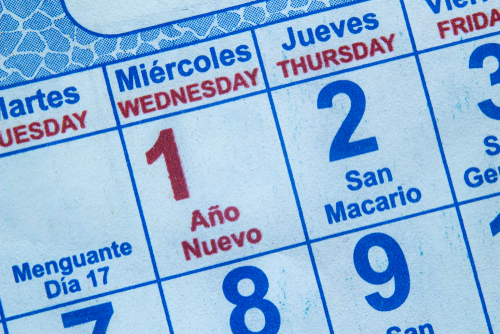

Learning a new language opens doors to new cultures and experiences. When you start your journey with Spanish, mastering the basics gives you the confidence to communicate right away. One of the most practical topics you can learn early on is the calendar.
Knowing the months of the year in Spanish is essential for making plans. Whether you are booking a flight, celebrating a birthday, or simply scheduling a doctor’s appointment, these words come up constantly in daily life. Understanding them helps you navigate travel schedules and connect more deeply with Spanish speakers.
This guide is designed to make learning the Spanish months simple and stress-free. We will cover how to pronounce each month, specific grammar rules you need to know, and how to use them in real sentences. You will also discover cultural traditions associated with different times of the year, adding richness to your vocabulary. By the end of this post, you will feel ready to mark your calendar en español.
The 12 Months in Spanish: At a Glance
The Spanish calendar follows the same twelve-month structure used in English. Many of the names look and sound similar to their English counterparts because both languages share Latin roots. This makes them easier to recognize and memorize.
Here is the complete list of the months of the year in Spanish:
|
Spanish |
English |
|---|---|
|
Enero |
January |
|
Febrero |
February |
|
Marzo |
March |
|
Abril |
April |
|
Mayo |
May |
|
Junio |
June |
|
Julio |
July |
|
Agosto |
August |
|
Septiembre |
September |
|
Octubre |
October |
|
Noviembre |
November |
|
Diciembre |
December |
Pronunciation Tips for Success
Pronunciation can sometimes feel intimidating, but Spanish is generally a phonetic language. This means words are usually spoken exactly as they are written. Once you know the sound of each vowel, reading becomes much easier.
Key Vowel Sounds
- A sounds like “ah” (as in father).
- E sounds like “eh” (as in elephant).
- I sounds like “ee” (as in see).
- O sounds like “oh” (as in go).
- U sounds like “oo” (as in food).
Month-by-Month Pronunciation Guide
Here is a simple breakdown to help you practice:
- Enero: eh-NEH-roh
- Febrero: feh-BREH-roh
- Marzo: MAR-soh (or MAR-thoh in Spain)
- Abril: ah-BREEL
- Mayo: MAH-yoh
- Junio: HOO-nyoh (The ‘J’ sounds like an English ‘H’)
- Julio: HOO-lyoh
- Agosto: ah-GOHS-toh
- Septiembre: sep-TYEM-breh
- Octubre: ok-TOO-breh
- Noviembre: noh-BYEM-breh (The ‘V’ is soft, sounding almost like a ‘B’)
- Diciembre: dee-SYEM-breh
Practice Tip: Listen to native speakers on a language app or YouTube channel. Repeat the words aloud several times until the sounds feel natural in your mouth.
Are Spanish Months Capitalized?
This is one of the most common questions for English speakers learning Spanish. The answer is simple: No, months are not capitalized in Spanish.
In English, proper nouns like days of the week and months always start with a capital letter. In Spanish grammar, months are considered common nouns. You only capitalize them if they appear at the very beginning of a sentence.
Examples:
- Incorrect: Mi cumpleaños es en Enero.
- Correct: Mi cumpleaños es en enero.
- Correct: Enero es mi mes favorito. (Capitalized because it starts the sentence).
How to Use Months in Sentences
Now that you know the words and the grammar rules, it is time to put them into practice. Using months in sentences usually requires a preposition.
The most common preposition used with months is “en”, which translates to “in.”
Common Sentence Structures
- “Mi cumpleaños es en…” (My birthday is in…)
- Mi cumpleaños es en julio.
- “Vamos a viajar en…” (We are going to travel in…)
- Vamos a viajar en diciembre.
- “La escuela empieza en…” (School starts in…)
- La escuela empieza en septiembre.
Talking About Dates
When you want to give a specific date, you use the formula: el [number] de [month].
- El 5 de mayo (May 5th)
- El 25 de diciembre (December 25th)
You can also use “desde” (since/from) and “hasta” (until) to talk about time frames.
- Trabajé allí desde enero hasta marzo. (I worked there from January until March.)
Abbreviations of the Months in Spanish
You will often see months abbreviated on calendars, schedules, or quick notes. Knowing these abbreviations ensures you don’t misread an important date. Spanish abbreviations typically use the first three letters of the word.
|
Month |
Abbreviation |
|---|---|
|
Enero |
Ene. |
|
Febrero |
Feb. |
|
Marzo |
Mar. |
|
Abril |
Abr. |
|
Mayo |
May. |
|
Junio |
Jun. |
|
Julio |
Jul. |
|
Agosto |
Ago. |
|
Septiembre |
Sep. (or Sept.) |
|
Octubre |
Oct. |
|
Noviembre |
Nov. |
|
Diciembre |
Dic. |
Cultural Context: Holidays and Events
Connecting vocabulary to real-world events makes words easier to remember. The Spanish-speaking world is full of vibrant traditions spread throughout the year. Here is a month-by-month look at significant holidays you might encounter.
Enero (January)
- Día de los Reyes Magos (Three Kings Day) – Jan 6: In Spain and many Latin American countries, children receive gifts on this day rather than, or in addition to, Christmas.
Febrero (February)
- Carnaval: Celebrated in many countries just before Lent. It involves parades, costumes, and music.
Marzo (March)
- Las Fallas (Valencia, Spain): A massive festival featuring giant paper-mache figures that are eventually burned in a spectacle of fire and fireworks.
Abril (April)
- Semana Santa (Holy Week): The week leading up to Easter is a major event with religious processions in cities like Seville, Spain, and Antigua, Guatemala.
Mayo (May)
- Cinco de Mayo (Mexico/USA): Commemorates the Battle of Puebla. While more widely celebrated in the U.S., it remains an important historical date in Mexico.
Junio (June)
- Inti Raymi (Peru): The Festival of the Sun, an ancient Inca ceremony celebrated in Cusco to honor the sun god.
Julio (July)
- San Fermín (Pamplona, Spain): Famous for the Running of the Bulls, taking place every year in early July.
Agosto (August)
- La Tomatina (Buñol, Spain): A fun and messy festival where participants engage in a massive tomato fight.
Septiembre (September)
- Día de la Independencia (Mexico) – Sep 16: The “Grito de Dolores” marks the beginning of the War of Independence against Spain.
Octubre (October)
- Día de la Raza: Celebrated around October 12th, marking the encounter between Europe and the Americas.
Noviembre (November)
- Día de los Muertos (Day of the Dead) – Nov 1 & 2: A beautiful Mexican tradition honoring deceased loved ones with altars, marigolds, and food offerings.
Diciembre (December)
- Las Posadas (Mexico/Central America): A nine-day celebration leading up to Christmas Eve, reenacting Mary and Joseph’s search for shelter.
Practice Activities and Tools
Consistency is key when learning a new language. You don’t need to study for hours; simple daily habits make a big difference.
1. Create Your Own Calendar
Buy a blank calendar or draw one in a notebook. Write the names of the months and days in Spanish. Add your family’s birthdays and holidays using the Spanish date format.
2. Flashcards
Use index cards to make a simple set of flashcards. Write the Spanish month on one side and the English translation on the other. Tools like Quizlet also have pre-made decks you can use on your phone.
3. Change Your Phone Language
It might seem like a small step, but changing your phone or social media settings to Spanish exposes you to the date format every single time you check your screen.
4. Language Apps
Apps like Duolingo or Babbel offer structured lessons that include audio practice. This is great for refining your pronunciation.
Frequently Asked Questions
Why are the months in Spanish so similar to English?
Both English and Spanish have roots in Latin and use the Gregorian calendar. Because of this shared history, the names of the months evolved from the same original Latin words. For example, “March” and “marzo” both come from the Latin Martius.
Do seasons align with the months in all Spanish-speaking countries?
No. It depends on the hemisphere. In Spain (Northern Hemisphere), diciembre is in winter. However, in countries like Argentina or Chile (Southern Hemisphere), diciembre falls during the summer.
Is “septiembre” ever spelled differently?
Yes, sometimes you might see it spelled as setiembre. The Royal Spanish Academy (RAE) accepts both spellings, though septiembre is more common in formal writing.
Start Using Spanish Today
Learning the months of the year is a manageable and rewarding step in your language journey. It gives you the tools to talk about your life, your plans, and your favorite memories. Remember, it is okay to make mistakes while you learn.
Try using your new vocabulary today. Write the date in Spanish at the top of your journal or tell a friend when your birthday is using the phrase “Mi cumpleaños es en…” With a little practice, these words will become second nature.