
The 12th of March is a date etched into the heart of every Mauritian. It is a day of vibrant celebration, reflection, and immense national pride. Whether you are living on the island or part of the diaspora living abroad, Mauritius National Day 2026 marks a significant moment to honor the country’s journey.
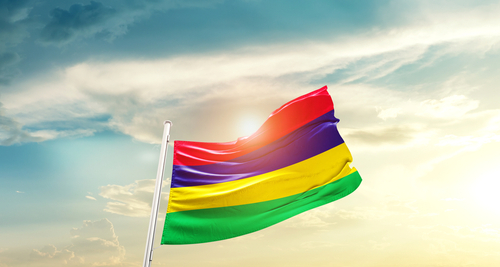
In 2026, Mauritius will celebrate its 58th anniversary of independence and its 34th year as a republic. It is a time when the “Four Bands” flag flies high on every street corner, from Port Louis to Mahebourg. The energy is palpable, the Sega music is loud, and the sense of unity is stronger than ever.
Understanding the history and traditions of this day helps us appreciate the freedom enjoyed today. This guide covers everything you need to know about the upcoming celebrations, the deep history behind the holiday, and how you can participate, no matter where you are in the world.
The Dual Significance of March 12
For many countries, National Day commemorates a single event. For Mauritius, March 12 holds a double meaning. It marks two major milestones in the nation’s history that occurred on the same date, decades apart.
Independence in 1968
After more than 150 years of British colonial rule, Mauritius officially became an independent nation on March 12, 1968. Sir Seewoosagur Ramgoolam, widely regarded as the “Father of the Nation,” became the first Prime Minister. This transition allowed the island to govern itself and build its own identity, separate from the British Empire.
Republic Status in 1992
Twenty-four years later, on March 12, 1992, the country took another major step. Mauritius changed its status to a Republic within the Commonwealth. This move replaced the British Monarch (Queen Elizabeth II) as the head of state with a Mauritian President. Sir Veerasamy Ringadoo served briefly as the first President, followed by Cassam Uteem.
Celebrating both events on the same day reinforces the themes of sovereignty and self-determination that define modern Mauritius.
The History Behind the Holiday
To understand the joy of National Day, it helps to look at the road to freedom. Mauritius has a complex history involving Dutch, French, and British colonization.
The path to independence was not easy. It involved years of political negotiation and social movements. The 1960s were a time of great change globally, and Mauritius was part of that wave of decolonization. The elections leading up to independence were intense, but they ultimately led to the birth of a new sovereign state.
When the Union Jack was lowered and the Mauritian flag was raised for the first time at the Champ de Mars racecourse, it signaled a new era. Since then, the country has transformed from a low-income, agriculturally based economy into a diversified, upper-middle-income nation with a growing tourism, textile, and financial sector.
How Mauritius National Day is Celebrated
If you are on the island on Thursday, March 12, 2026, you will see a country transformed by color and sound. The celebrations are a mix of formal ceremonies and spontaneous street parties.
The Official Flag Raising Ceremony
The main event usually takes place at the Champ de Mars in Port Louis, the capital city. This is the same location where independence was declared in 1968. Government officials, including the Prime Minister and the President, attend this ceremony alongside foreign dignitaries.
The highlight is the raising of the national flag while the national anthem, “Motherland,” plays. It is a solemn and emotional moment for many citizens. Following the flag raising, there is typically a parade featuring the police force, the marching band, and sometimes helicopter displays by the police air wing.
Cultural Shows and Floats
Mauritius is famous for its multicultural society, often referred to as a “rainbow nation.” National Day celebrations highlight this diversity. You will see dancers and musicians performing cultural acts that represent the different communities on the island—Hindu, Creole, Muslim, Chinese, and Franco-Mauritian.
Floats decorated to represent different ministries and public bodies parade through the streets. These colorful displays often showcase the achievements of the country over the past year.
Street Parties and Family Gatherings
Once the formal events conclude, the atmosphere becomes more relaxed. Families head to the beaches for picnics, known locally as “flic-en-flac.” The smell of barbecues fills the air, and music blasts from cars and homes. It is a public holiday, so schools and most businesses are closed, giving everyone a chance to relax and celebrate together.
The Symbols of Independence
You cannot talk about Mauritius National Day without mentioning the national flag. Known as “Les Quatre Bandes” (The Four Bands), it is the most visible symbol of the holiday.
Every color on the flag tells a story about the island:
- Red: Represents the struggle for freedom and independence. It honors the bloodshed and sacrifice of ancestors.
- Blue: Represents the Indian Ocean, in which Mauritius is situated. It symbolizes the island’s maritime history and resources.
- Yellow: Represents the new light of independence shining over the island and the golden sunshine.
- Green: Represents the lush agriculture of Mauritius and the color of nature throughout the year.
During March, you will see this flag everywhere—draped over balconies, attached to car antennas, and printed on t-shirts.
Music and Food: The Heart of the Celebration
No Mauritian party is complete without music and food. National Day is the perfect excuse to indulge in the best the island has to offer.
The Rhythm of Sega
Sega is the musical heartbeat of Mauritius. Originating from the African slave population, it is now the national dance and music. On National Day, spontaneous Sega sessions break out on beaches and in backyards. The rhythmic beat of the ravanne (a goat-skin drum), the shaking of the maravanne, and the clinking of the triangle create an infectious sound that makes it impossible to stand still. UNESCO recognizes the traditional Mauritian Sega as an Intangible Cultural Heritage of Humanity.
A Feast of Flavors
Food brings people together. On March 12, kitchens across the island are busy. Popular dishes served include:
- Dholl Puri: Flatbreads stuffed with yellow split peas, served with bean curry and pickles.
- Briani (Biryani): A fragrant rice dish with meat, potatoes, and spices, usually reserved for special occasions.
- Gateaux Piments: Chili cakes made from split peas, perfect for snacking.
- Napolitaines: Sweet, pink-iced shortbread cookies that are a favorite treat.
Celebrating from Abroad
A large number of Mauritians live overseas, in countries like Australia, the UK, Canada, and France. Being far from home does not mean you miss out on the spirit of the day.
Many diaspora communities organize their own gatherings. They rent halls, cook traditional food, and play Sega music to feel connected to their roots. Technology also helps bridge the gap. Video calls allow families to share the moment of the flag raising, even if they are thousands of miles apart.
Sending support home is another way the diaspora connects. Many use this time to send money to family members on the island to help them buy food and supplies for their celebrations. It is a gesture of care that reinforces family bonds across distances.
Looking Ahead to 2026
As 2026 approaches, the themes of unity and progress remain central. The motto of Mauritius, “L’étoile et la clé de l’océan Indien” (Star and Key of the Indian Ocean), reflects the country’s strategic and cultural importance.
Celebrating National Day is about more than just looking back at 1968. It is about looking forward. It is a day to celebrate the peaceful coexistence of different cultures and religions on one small island. It is a reminder that despite challenges, the nation has thrived through cooperation and hard work.
Frequently Asked Questions (FAQs)
Is Mauritius National Day a public holiday?
Yes, March 12 is a public holiday in Mauritius. Schools, banks, and government offices are closed. Essential services remain open, but most people have the day off to celebrate.
What is the national anthem of Mauritius?
The national anthem is called “Motherland.” It was written by Jean Georges Prosper and composed by Philippe Gentil. It is sung in English, which is the official language of the Parliament, although Creole is the most widely spoken language.
Can tourists attend the official celebrations?
Yes, tourists are welcome to watch the official ceremony at the Champ de Mars. It is open to the public. However, it can get very crowded, so it is best to arrive early if you want a good view of the parade and flag raising.
How do I say “Happy Independence Day” in Creole?
You can say “Bon Fet Lindependans.” The local language, Mauritian Creole, is French-based and is spoken by the vast majority of the population.
Connecting with Your Roots
Mauritius National Day 2026 is an opportunity to pause and appreciate the vibrant culture and history of this unique island nation. Whether you are dancing to Sega on a beach in Flic-en-Flac or cooking briani in a kitchen in London, the spirit of the day remains the same.
It is a celebration of freedom, unity, and the enduring strength of the Mauritian people. If you have family back home, this holiday is a wonderful time to reach out, send your love, and share in the pride of the nation.