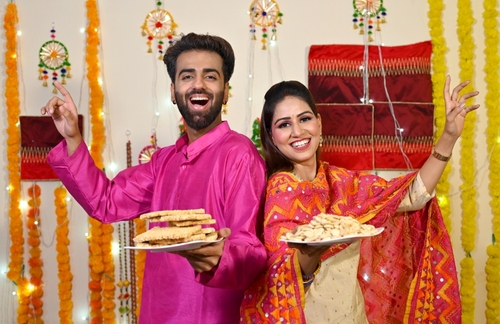

As the winter chill reaches its peak in Northern India, anticipation builds for one of the most vibrant festivals of the year. Lohri is synonymous with warmth, community, and the promise of longer days ahead. It marks the passing of the winter solstice and looks forward to the harvest of the rabi crops.
For families in Punjab, Haryana, and other parts of Northern India—as well as the diaspora spread across the globe—Lohri is a time to gather around the bonfire, dance to the beat of the dhol, and share sweets with loved ones. Whether you are planning a celebration at home or looking to understand the traditions behind the festival, this guide covers everything you need to know about Lohri 2026.
When is Lohri 2026?
Lohri is celebrated annually on the night before Makar Sankranti (also known as Maghi). This date is determined by the solar calendar rather than the lunar calendar, which means it falls on the same date almost every year.
Lohri 2026 will be celebrated on Tuesday, January 13, 2026.
While the primary festivities take place on the night of the 13th, the celebrations often extend into the next day for Maghi, which marks the beginning of the month of Magh in the Hindu calendar.
The History and Significance of Lohri
Lohri is deeply rooted in the agricultural lifestyle of Northern India. It is primarily a harvest festival, celebrating the ripening of winter crops like wheat and mustard. Farmers offer prayers for a bountiful harvest and thank the elements for their support.
However, the festival holds cultural meanings that go beyond agriculture.
The Legend of Dulla Bhatti
You cannot talk about Lohri without mentioning Dulla Bhatti. He is a legendary figure often referred to as the “Robin Hood of Punjab.” During the reign of the Mughal Emperor Akbar, Dulla Bhatti lived in Punjab and was known for robbing the rich to help the poor.
More importantly, he is remembered for rescuing young girls who were being forcibly taken to be sold in slave markets. He not only saved them but also arranged their marriages and provided them with dowries. Folk songs sung around the Lohri bonfire specifically mention Dulla Bhatti to honor his bravery and protection of the community.
The Return of the Sun
Scientifically, Lohri marks the end of the coldest days of winter. The earth leans towards the sun, bringing warmer days. The bonfire lit during Lohri represents the sun (Agni), and people toss offerings into the fire to ask for warmth and prosperity in the coming year.
How is Lohri Celebrated?
The beauty of Lohri lies in its simplicity and high energy. The festival brings entire neighborhoods together.
The Bonfire
The bonfire is the centerpiece of the celebration. At sunset, families and communities gather in open spaces to light a massive fire. People circle the fire (a ritual known as Parikrama) and toss offerings such as sesame seeds (til), jaggery (gur), and popcorn into the flames. This is done to pay respect to the fire god and ask for blessings.
Traditional Foods
Food plays a massive role in the festivities. The menu typically features winter staples that provide warmth and energy. You can expect to see:
- Sarson da Saag and Makki di Roti: Mustard greens cooked with spices and served with cornmeal flatbread.
- Til-Choli: A mixture of sesame seeds, rice, and jaggery.
- Gajak and Rewri: Traditional sweets made from sesame and sugar or jaggery.
- Groundnuts: Peanuts are roasted in the bonfire and shared among the group.
Music and Dance
A Lohri celebration is incomplete without the dhol (drum). Men perform the Bhangra, a high-energy folk dance, while women perform the Gidda. People sing traditional folk songs, often retelling the story of Dulla Bhatti, creating an atmosphere of joy and unity.
First Lohri: A Special Occasion
While Lohri is celebrated by everyone, it holds extra significance for certain family members.
For Newborns
The first Lohri of a newborn baby is a grand affair. The immediate family invites friends and relatives to a large feast. The mother and child dress in heavy traditional attire and sit near the bonfire. Guests offer gifts, money, and blessings to the child for a long and healthy life.
For Newlyweds
For a bride and groom celebrating their first Lohri after marriage, the occasion is equally important. The bride typically wears vibrant traditional clothes and bangles. The in-laws present the new bride with gifts, sweets, and clothes. It is a way to welcome her into the family and wish the couple prosperity and fertility.
Celebrating Lohri Away from Home
For those living outside India, maintaining these traditions can be a way to stay connected to their roots. If you are an expat or living far from your family in 2026, there are still many ways to keep the spirit of Lohri alive.
Community Gatherings
Many cities in the US, UK, Canada, and Australia with significant South Asian populations organize community bonfires. Local community centers or Gurdwaras often host events where you can enjoy traditional food and music.
Virtual Celebrations
Technology bridges the gap when physical distance keeps you apart. Video calls allow you to witness the family bonfire back home. You can even perform the rituals in your own backyard (safety permitting) while connected with loved ones on a screen.
Sending Gifts
Sending money or gifts is a common way to participate in the joy if you cannot be there in person. Remittance services make it easy to send funds securely to family members so they can buy sweets, new clothes, or prepare the feast.
Frequently Asked Questions about Lohri
Is Lohri a religious holiday?
Lohri is primarily a cultural and harvest festival celebrated by people of various faiths in Northern India, particularly Sikhs and Hindus. While it involves prayers to the fire god, it is largely a community event.
What should I wear to a Lohri party?
Bright and colorful traditional Indian attire is the standard. Women often wear Salwar Kameez or Lehengas, while men wear Kurta Pajamas. Since it is winter, these outfits are often paired with shawls or jackets.
What is the difference between Lohri and Makar Sankranti?
Lohri is celebrated the night before Makar Sankranti. Lohri is the harvest festival celebrated primarily in Punjab, while Makar Sankranti is a solar festival celebrated across India under various names (such as Pongal in the south).
Bringing Warmth to 2026
Lohri is more than just a festival; it is a celebration of life, resilience, and gratitude. As we look toward Lohri 2026, we prepare to say goodbye to the harsh winter and welcome the warmth of the sun. It reminds us to cherish our community, honor our history, and share our blessings with others.
Whether you are tossing sesame seeds into a fire in Punjab or lighting a candle in your apartment in New York, the spirit of the festival remains the same. It is about hope and happiness.