
Every year on May 1, the Hawaiian Islands come alive with vibrant colors, fragrant tropical flowers, and rhythmic music. This date marks Lei Day, a uniquely Hawaiian celebration dedicated to the iconic garland of flowers known around the world. But this annual event offers much more than surface-level tropical imagery.
At its core, Lei Day celebrates the profound meaning of aloha. While aloha is often translated simply as a greeting, it represents a deep cultural framework of love, respect, peace, and connection to others. The lei is the physical manifestation of this spirit, freely given to honor relationships and welcome guests.
By understanding the roots of this beautiful tradition, you can appreciate the culture on a much deeper level. This guide covers the history of Lei Day, the cultural significance of the lei, and how you can observe this special holiday respectfully, no matter where you are in the world.
When Is Lei Day 2026?
Lei Day will take place on Friday, May 1, 2026.
This holiday is celebrated annually on the first of May across all the Hawaiian Islands. While May 1 coincides with traditional May Day celebrations held in many other parts of the world, the Hawaiian observance maintains a distinct cultural focus entirely centered on the lei and Native Hawaiian heritage.
What Is a Lei?
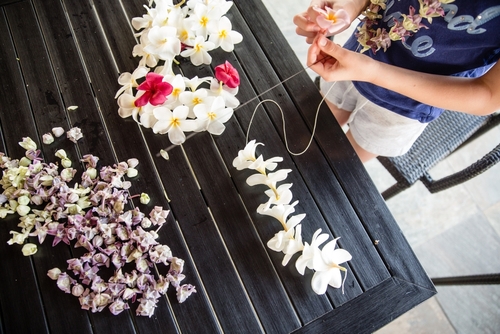
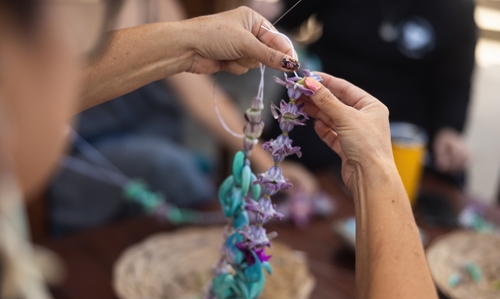
A lei is a crafted garland or wreath typically constructed from fresh flowers, leaves, vines, ferns, or shells. Artisans weave, braid, or string these natural materials together using traditional methods passed down through generations.
The lei carries profound symbolism in Hawaiian culture. It represents love, honor, welcome, and celebration. Giving a lei is a highly personal gesture. The creator weaves their own mana, or spiritual energy and intention, into the garland as they make it. Because of this, a lei is always a deeply meaningful gift.
The History of Lei Day
Lei Day has a rich history that bridges the ancient traditions of Hawaiʻi with modern celebrations.
Origins in 1920s Hawaiʻi
The official Lei Day holiday was established in 1927. The idea was first proposed by Don Blanding, an author and poet living in Honolulu, who suggested a day dedicated to the custom of making and wearing lei. Grace Tower Warren, a local writer, suggested May 1 for the holiday and coined the popular phrase, “May Day is Lei Day in Hawaiʻi.”
The first official Lei Day took place in 1928 in downtown Honolulu. It was created specifically to celebrate and uplift Hawaiian culture, traditions, and the spirit of aloha during a time of rapid modernization.
Evolution Over Time
Over the decades, Lei Day grew from a local Honolulu gathering into a massive statewide cultural event. Today, it plays a vital role in preserving Native Hawaiian identity. The celebrations encourage younger generations to learn traditional botany, gathering practices, and intricate weaving techniques that might otherwise be lost.
The Cultural Significance of Lei
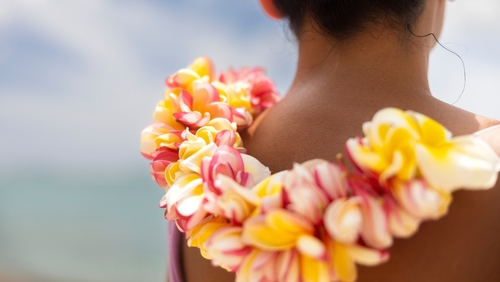
Different islands, occasions, and relationships dictate the type of lei given. For example, the island of Oʻahu is represented by the yellow ʻilima flower, while the Big Island of Hawaiʻi is associated with the red lehua blossom.
The act of giving a lei is a serious gesture of respect and affection. Because of this, specific cultural etiquette surrounds the exchange. If someone offers you a lei, you should never refuse it. Refusing a lei is seen as rejecting the person’s affection and respect. Additionally, you should never remove a lei in the presence of the person who gave it to you. You should wear it proudly for the duration of the event or gathering.
How Lei Day Is Celebrated in Hawaiʻi
Hawaiʻi celebrates May 1 with vibrant energy and deep community involvement. Festivities take place across all the major islands.
Festivals and Events
The centerpiece of the holiday is the annual Lei Day Celebration held at Kapiʻolani Park in Waikīkī. This massive event features highly competitive lei-making contests. Master artisans submit breathtaking creations that are judged on craftsmanship, creativity, and the use of natural materials. The day also features live Hawaiian music, authentic hula performances, and traditional craft demonstrations.
Schools and Communities
Education plays a huge role in the holiday. Elementary and high schools across the state host their own May Day programs. Students spend weeks learning traditional songs, practicing hula, and crafting their own lei. Local communities gather for parades and neighborhood celebrations, ensuring the traditions are passed down to the next generation.
Lei Day Court
A prominent feature of the festivities is the crowning of the Lei Day Queen and her royal court. The court includes representatives for each of the eight major Hawaiian islands. Each representative wears the specific color and flower associated with their respective island, honoring the unity and diversity of the state.
How to Celebrate Lei Day Respectfully (Wherever You Are)
You do not need to be in Hawaiʻi to appreciate the holiday. However, if you choose to observe Lei Day from afar, you should focus on appreciation rather than appropriation.
Learn the Meaning Behind the Traditions
Education is the best way to show respect. Take time to read about Native Hawaiian history, the illegal overthrow of the Hawaiian Kingdom, and the ongoing efforts to preserve the Hawaiian language and culture. Understanding this context helps you engage with the culture thoughtfully.
Try Lei-Making (Thoughtfully)
You can learn to make a simple lei using flowers or leaves native to your own region. Use natural, biodegradable materials. Seek out tutorials from authentic Hawaiian sources and artisans who share their knowledge online.
Support Hawaiian Creators
If you want to purchase a lei or Hawaiian crafts, buy directly from Native Hawaiian artisans. Support businesses owned by locals. This keeps money within the community and supports the people who actively keep these cultural practices alive.
Embrace the Spirit of Aloha
The most authentic way to celebrate Lei Day is to embody the aloha spirit. Practice acts of kindness. Show deep respect for your elders, your community, and the natural environment around you.
Lei Day Etiquette and Cultural Awareness
When engaging with Hawaiian culture, mindfulness is essential. Avoid treating the lei as a costume or a cheap party prop for a “luau-themed” gathering. Plastic imitation lei mass-produced overseas completely detach the garland from its cultural and spiritual significance.
Be highly mindful of commercialization. The lei is a symbol of connection between people and the land, and treating it merely as a commodity strips away its true meaning.
Why Lei Day Still Matters Today
Lei Day remains a crucial cultural pillar in Hawaiʻi. It actively preserves Native Hawaiian culture, botany, and artistic traditions. The holiday encourages cultural respect and understanding among visitors and non-Hawaiian residents. Most importantly, it offers a deeply meaningful way to celebrate community, relationships, and the natural world.
Frequently Asked Questions (FAQs) About Lei Day
Do I have to be Hawaiian to wear a lei?
No. Anyone can wear a lei, and they are frequently given to visitors as a sign of welcome. The key is to wear it respectfully, understanding the cultural significance behind the gift.
What should I do with a lei when I am done wearing it?
Because a lei is made from natural elements of the earth, it should be returned to the earth. You can hang it from a tree branch, bury it in your garden, or gently return the flowers to the ocean (ensuring there is no string or wire attached). You should never throw a lei in the trash.
Can I give a lei to a pregnant woman?
According to Hawaiian superstition, a closed (tied) lei should not be given to a pregnant woman, as it symbolizes the umbilical cord wrapping around the baby. Instead, give pregnant women an open-ended lei.
Carrying the Spirit of Aloha Forward
Lei Day 2026 offers a beautiful opportunity to reflect on the values of connection, respect, and love. The traditions of May 1 remind us to honor our relationships and appreciate the natural beauty of the world around us.
By engaging thoughtfully and respectfully, you help honor the rich heritage of the Hawaiian people. As May 1 approaches, consider how you can bring the true spirit of aloha into your own daily life, your community, and your relationships.