
Japan designates a special day each year to honor its youngest generation. Known as Kodomo no Hi, or Children’s Day, this national holiday is a time to celebrate children’s happiness. Families use this occasion to wish for the health, strength, and future success of their kids. It brings a bright and joyful atmosphere to neighborhoods across the country.
Children’s Day is a major event in Japan. It serves as the final celebration during Golden Week, a string of national holidays in late spring. Vivid decorations fill the skies, and families gather to enjoy special meals. The holiday creates a dedicated moment for parents and communities to pause and appreciate the children in their lives.
Understanding Kodomo no Hi offers a beautiful window into Japanese culture. You will learn the historical meaning of the holiday, the rich traditions behind its symbols, and the special foods families prepare. You will also discover simple, respectful ways to recognize this celebration, no matter where you live.
When Is Children’s Day 2026?
Japan celebrates Children’s Day annually on May 5. In 2026, the holiday falls on a Tuesday. Because it takes place at the end of Golden Week, many families have time off from work and school. This allows parents to spend quality time with their children and participate in community festivals.
The Meaning and History of Kodomo no Hi
The holiday we know today has deep historical roots. Over the centuries, its focus has shifted to reflect modern values.
Origins as Tango no Sekku
Historically, May 5 was known as Tango no Sekku, or Boys’ Day. It was a traditional festival dedicated strictly to celebrating male children. During the samurai era, families emphasized traits like strength, bravery, and courage. They decorated their homes with martial symbols to inspire their sons to grow into strong warriors.
Modern Transformation
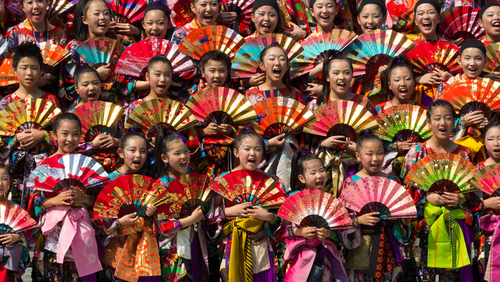
In 1948, the Japanese government officially renamed the holiday Kodomo no Hi, or Children’s Day. The goal was to make the celebration inclusive. Today, the holiday honors all children, regardless of gender. It focuses on their happiness, individuality, and well-being. It also serves as a day for children to express gratitude to their parents and family members.
Iconic Symbols of Children’s Day
Vibrant visual symbols make Kodomo no Hi instantly recognizable. These decorations carry specific wishes for a child’s future.
Koinobori (Carp Streamers)
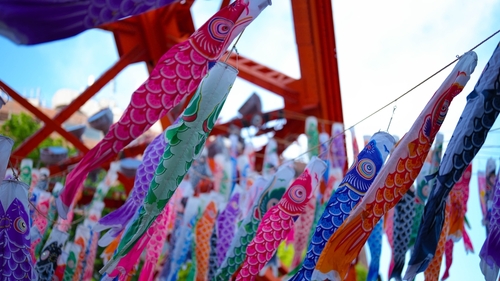
Carp streamers, known as koinobori, are the most famous symbol of the holiday. According to a Chinese legend, a carp that successfully swims up a strong waterfall transforms into a dragon. Therefore, the carp represents strength, perseverance, and success. Families fly koinobori outside their homes. Usually, a large black carp represents the father, a red or pink carp represents the mother, and smaller, colorful carp represent each child.
Kabuto (Samurai Helmets)
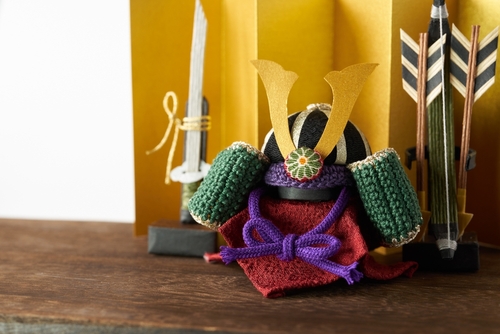
Many families display a kabuto, or traditional samurai helmet, inside their homes. The helmet acts as a symbol of protection. It represents the hope that children will grow up brave and safe from harm.
Gogatsu Ningyō (Warrior Dolls)
Along with the helmet, families often display gogatsu ningyō, or warrior dolls. These intricate figures represent famous historical warriors or folklore heroes. They embody resilience and success, encouraging children to overcome life’s obstacles with courage.
Traditional Foods and Their Meanings
Food plays a central role in Japanese holidays. For Children’s Day, families prepare seasonal treats with special symbolism.
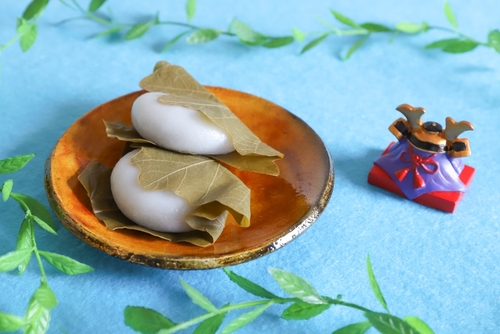
Kashiwa mochi is a popular sweet. It consists of a rice cake filled with sweet red bean paste and wrapped in an oak leaf. Oak trees do not drop their old leaves until new buds appear. Because of this, the oak leaf symbolizes family continuity and an unbroken lineage.
Chimaki is another traditional food. These are sweet rice dumplings wrapped in bamboo leaves and tied with string. Bamboo represents straight, rapid growth, making it a perfect symbol for healthy, growing children.
How Children’s Day Is Celebrated in Japan
Families and communities across Japan observe the holiday through various activities.
At Home
Celebrations often begin at home. Families set up their kabuto or warrior dolls in a prominent room. They hang koinobori outside to catch the spring breeze. Parents and children gather to share traditional foods like kashiwa mochi and enjoy a special family meal.
Community and Public Events
Cities and towns host large public events. Parks and riversides display hundreds of koinobori strung across the water. Communities organize parades, traditional music performances, and craft workshops for children.
Family Time
The core of the holiday is spending intentional time together. Parents take their children to amusement parks, zoos, or local festivals. The focus remains completely on showing appreciation and offering encouragement to the younger generation.
How to Celebrate Kodomo no Hi
You can appreciate the spirit of Kodomo no Hi even if you live outside of Japan. Here are a few accessible ways to celebrate.
Learn the Traditions
Take time to read about the holiday’s history with your family. Explore the meaning behind the koinobori and the samurai helmets. Education is a great way to build cultural appreciation.
Create Simple Decorations
Crafting is a fun way to engage children. You can make DIY carp streamers using paper, markers, and string. This activity allows kids to express their creativity while learning about the carp’s symbol of perseverance.
Share a Cultural Meal
Try tasting traditional Japanese foods. You can look for kashiwa mochi or chimaki at a local Japanese market. Sharing a meal helps bring the cultural experience to life.
Focus on the Spirit of the Day
The main goal of the holiday is to uplift children. Spend dedicated, screen-free time with your kids. Encourage their dreams, listen to their ideas, and prioritize their well-being.
Cultural Etiquette and Awareness
When observing holidays from other cultures, respect is essential. Acknowledge the deep cultural origins of Kodomo no Hi. Try not to reduce the holiday to just cute aesthetic decorations. Focus instead on learning the history and appreciating the values of family and resilience.
Kodomo no Hi in Modern Japan
Traditions continue to evolve for contemporary Japanese families. Many live in apartments where flying large outdoor koinobori is difficult. Instead, they use smaller indoor versions. Despite modern busy schedules, parents still prioritize the day. The balance between maintaining ancient traditions and adapting to modern life keeps the holiday relevant.
Why Children’s Day Still Matters
Kodomo no Hi highlights the immense value of children in society. It encourages adults to nurture and protect future generations. In our demanding routines, the holiday offers a meaningful pause. It reminds families to reconnect, express gratitude, and celebrate the simple joy of growing up.
Frequently Asked Questions (FAQs)
What is the exact date of Children’s Day in Japan?
Japan celebrates Children’s Day every year on May 5. In 2026, it will take place on a Tuesday.
Why do families fly carp streamers?
Carp streamers, or koinobori, represent strength and perseverance. They symbolize the hope that children will overcome obstacles and achieve success.
Can girls celebrate Kodomo no Hi?
Yes. While the holiday historically focused on boys, it was renamed in 1948 to include and celebrate all children, regardless of gender.
What do people eat on Children’s Day?
Families traditionally eat kashiwa mochi (rice cakes wrapped in oak leaves) and chimaki (sweet rice dumplings wrapped in bamboo leaves).
Celebrating Growth, Joy, and Possibility
Kodomo no Hi is a beautiful reminder of hope, strength, and family bonds. It gives us a framework to celebrate the potential within every child. Whether you hang a paper koinobori or simply share a special meal, the holiday is about uplifting the next generation. Consider how you can help the children in your life grow, thrive, and face the future with courage.