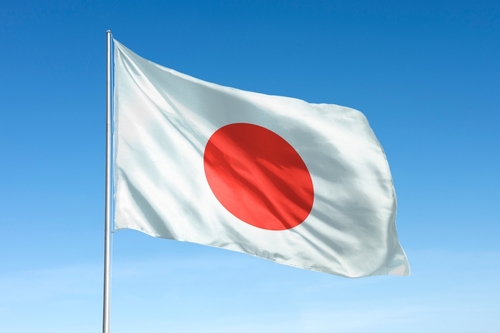

Constitution Memorial Day, known in Japan as Kenpō Kinenbi, is a key national holiday that reflects on the foundation of the modern Japanese state. It marks the day the postwar constitution took effect. This holiday serves as a moment for citizens to pause and consider the laws that protect their rights and shape their government.
This observance is also a major part of Golden Week. Golden Week is one of Japan’s busiest holiday periods, characterized by travel, family time, and nationwide celebrations. While many people use the time off to relax, the underlying purpose of May 3 remains deeply rooted in civic awareness and historical reflection.
Understanding this holiday provides valuable insight into Japan’s modern identity. By learning about the history and observance of Constitution Memorial Day, you gain a clearer picture of Japan’s democratic values, its postwar transformation, and the ongoing conversations about its future.
When Is Constitution Memorial Day 2026?
Constitution Memorial Day is observed annually on May 3. In 2026, the holiday falls on a Sunday.
Because it takes place during early May, it sits squarely within Golden Week. This extended holiday period begins in late April and runs through the first week of May, grouping several national holidays together. When a national holiday falls on a Sunday in Japan, the following Monday is typically observed as a substitute holiday.
What Is Constitution Memorial Day?
This national holiday commemorates the enactment of the 1947 Constitution of Japan. The constitution officially came into effect on May 3, 1947, replacing the previous Meiji Constitution.
The primary purpose of the day is to reflect on the meaning of democracy. It provides an opportunity for the public to consider the role of the government and the rights of its citizens. The holiday encourages public awareness of constitutional values and the importance of maintaining a fair and just society.
Historical Background
Understanding the holiday requires a look back at Japan’s history during the mid-20th century. The transition from an imperial system to a modern democracy changed the nation’s course permanently.
Post-World War II Japan
Following World War II, Japan underwent a massive political and social transition. The country was under Allied occupation, led primarily by the United States. During this time, officials worked to restructure the Japanese government to prevent a return to militarism and to establish a peaceful, democratic society.
The 1947 Constitution
The resulting 1947 Constitution marked a fundamental shift in how Japan was governed. It transitioned the country from imperial rule, where the emperor held absolute power, to a democratic system. It established a parliamentary government and guaranteed basic civil liberties for all citizens, creating a framework for the modern, peaceful nation Japan is today.
Key Principles of Japan’s Constitution
The 1947 Constitution is built on three core pillars. These principles guide Japanese law and society to this day.
Popular Sovereignty
The constitution firmly establishes that political power resides with the people. The emperor was redefined as a “symbol of the State and of the unity of the people,” holding no political power. This was a massive departure from the previous system and solidified Japan as a true democracy.
Fundamental Human Rights
The document guarantees a wide range of human rights. It provides strong protections for freedom of speech, religion, and thought. It also ensures equality under the law, explicitly forbidding discrimination based on race, creed, sex, social status, or family origin.
Pacifism (Article 9)
Perhaps the most famous and unique aspect of Japan’s constitution is Article 9. In this clause, Japan renounces war as a sovereign right and pledges not to maintain military forces with war potential. This pacifist stance has shaped Japan’s foreign policy for decades, though it remains a subject of ongoing debate and reinterpretation.
How Constitution Memorial Day Is Observed
While it is a national holiday, Kenpō Kinenbi is observed differently than traditional festivals. It blends quiet reflection with public discourse and leisure.
Public Reflection and Education
Media outlets and government organizations use the day to discuss the constitution. Newspapers publish editorials analyzing the document’s modern relevance. Citizens are encouraged to learn about their rights and reflect on the historical importance of the laws that govern them.
Events and Activities
Various educational events take place across the country. You can find lectures, public forums, and panel discussions focusing on civic duties and constitutional law. In some years, important government institutions, such as the National Diet building in Tokyo, open their doors to the public for special tours.
Part of Golden Week Travel
Because the day falls during Golden Week, observation is often balanced with vacation time. Millions of people travel domestically and internationally. Families gather, workers enjoy a rare extended break, and the country sees a massive boost in tourism and leisure activities.
Constitution Memorial Day in Modern Japan
The constitution is not just a historical document; it is a living part of Japanese politics. Constitution Memorial Day often highlights current political debates.
Much of the modern discussion centers around Article 9. As global security dynamics shift, lawmakers and citizens frequently debate the role of the Japan Self-Defense Forces. There are ongoing conversations about whether the constitution should be amended to explicitly recognize the military. Younger generations are increasingly engaging with these topics, bringing new perspectives to the balance between national security and the country’s pacifist ideals.
Frequently Asked Questions (FAQs)
Is everything closed on this day?
Most government offices, banks, and schools are closed. However, because it is Golden Week, public transportation, tourist attractions, restaurants, and retail stores remain open and are usually very busy.
Why is it part of Golden Week?
May 3 happens to fall closely between Shōwa Day (April 29), Greenery Day (May 4), and Children’s Day (May 5). This cluster of dates was formalized into a continuous holiday period to give workers a substantial break.
Do people actively celebrate or mostly relax?
For the vast majority of citizens, the day is spent relaxing or traveling. While political groups and academics hold active discussions or rallies, the general public views the day primarily as a welcome day off during a busy travel season.
How does it compare to similar observances in other countries?
Unlike vibrant, firework-filled celebrations such as the Fourth of July in the United States, Japan’s Constitution Memorial Day is more subdued. It resembles Constitution Day in countries like India or Norway, where the focus leans heavily toward civic education, legal reflection, and quiet national pride.
How to Engage with the Day
You do not need to be in Japan to appreciate the values behind this holiday. There are several ways to engage with the themes of Kenpō Kinenbi from anywhere in the world.
Take time to learn about Japan’s postwar history and the drafting of its constitution. You can also use the day to reflect on the constitutional values of your own country. Exploring global perspectives on democracy, governance, and human rights helps build a broader understanding of how different societies protect their citizens.
Why Constitution Memorial Day Matters
Constitution Memorial Day matters because it highlights the critical importance of democratic systems. It serves as a clear reminder of Japan’s historical transformation from a militaristic empire to a peaceful democracy. The holiday encourages civic awareness and reminds citizens that human rights and peaceful governance require active participation and ongoing reflection.
Reflecting on Rights, Responsibilities, and the Future
A constitution shapes the everyday life of a nation. It dictates how power is shared, how vulnerable people are protected, and how a country interacts with the rest of the world. Japan’s Constitution Memorial Day is a powerful reminder of these facts.
As Japan navigates the complexities of the 21st century, the principles established in 1947 remain a guiding force. Taking the time to understand these laws fosters a deeper respect for civic responsibility. Whether you are observing the day in Tokyo or learning about it from afar, reflecting on these democratic values is a worthwhile endeavor for everyone.