
April 25 is a deeply significant date on the Italian calendar. Known as Festa della Liberazione or Liberation Day, it marks the end of the fascist regime and the Nazi occupation in Italy during World War II. For Italians, this national holiday is a time of remembrance, national pride, and joyous celebration.
In 2026, Italy Liberation Day falls on a Saturday. This weekend placement means celebrations across the country will likely be even more vibrant, as families and friends gather to honor their history without the interruption of the standard workweek. From large parades in major cities to quiet family meals in rural towns, the entire nation comes together to reflect on the meaning of freedom.
Understanding the history and traditions of this holiday helps you connect with Italian culture. This guide explains the origins of Liberation Day, how locals celebrate it, and what you need to know if you plan to visit Italy during the 2026 holiday weekend or simply want to learn about it.
The History Behind April 25
The origins of Italy Liberation Day date back to the final days of World War II. On April 25, 1945, the National Liberation Committee of Upper Italy (CLNAI) officially announced a coordinated uprising against the occupying Nazi forces and the fascist regime.
This call to action led to the liberation of major northern cities like Milan and Turin. Within a few days, all of northern Italy was free. In 1946, the Italian government officially designated April 25 as a national holiday to honor the sacrifices made by the partisan resistance fighters and civilians who fought for the country’s freedom.
Today, the holiday serves as a reminder of the resilience of the Italian people. It honors those who gave their lives for democracy and peace.
How Italians Celebrate Festa della Liberazione
Italy Liberation Day is both a solemn day of remembrance and a joyful celebration of life. Across the country, you will see a variety of events that bring communities together.
Official Ceremonies and Parades
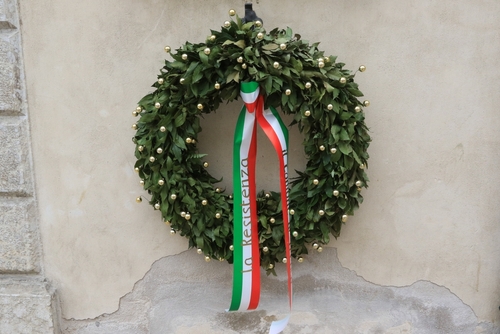
Every major city hosts official ceremonies. Politicians and local leaders lay wreaths at monuments dedicated to the resistance fighters. In Rome, the President of the Republic traditionally visits the Altare della Patria to lay a laurel wreath at the Tomb of the Unknown Soldier. Military bands play the national anthem, and citizens gather to watch parades featuring veterans and local organizations.
The Song of the Resistance
During the celebrations, you will hear the song “Bella Ciao” sung in streets and public squares. Originally a folk song, it became the anthem of the Italian anti-fascist resistance. Today, singing “Bella Ciao” is a powerful way for Italians to honor their ancestors and celebrate their ongoing commitment to freedom.
Family Gatherings and Food
Because Liberation Day is a public holiday, most schools and businesses close. Families use this time to gather for large meals. Many people take advantage of the spring weather by organizing picnics, known as scampagnate, in local parks or the countryside. Sharing food, music, and stories is a core part of the holiday experience.
Traveling to Italy in April 2026: What to Know
If you are planning a trip to Italy in late April 2026, you will experience the country at a very special time. However, the holiday does impact daily logistics.
Business and Transport Closures
Since April 25 is a national holiday, most shops, banks, and post offices will be closed. Public transportation often runs on a limited holiday schedule. In 2026, the holiday falls on a Saturday, which means the closures will blend into the standard weekend schedule. Plan your travel routes in advance and buy any necessary groceries or supplies on Friday.
Museum and Attraction Hours
Many major museums and historical sites remain open on Liberation Day, and some even offer free admission. However, it is always best to check the official websites of specific attractions before you visit. Expect larger crowds at popular sites, as locals will also be enjoying their day off.
Frequently Asked Questions (FAQs) about Italy Liberation Day
Is Italy Liberation Day a public holiday?
Yes, April 25 is a national public holiday in Italy. Schools, government offices, and many private businesses close for the day.
What is the difference between Liberation Day and Republic Day?
Liberation Day (April 25) celebrates the end of the fascist regime and Nazi occupation in 1945. Republic Day (June 2) commemorates the 1946 referendum where the Italian people voted to abolish the monarchy and form a republic.
Do Italians say “Happy Liberation Day”?
Yes, it is common to wish someone a “Buon 25 Aprile” (Good April 25) or “Buona Festa della Liberazione” (Happy Liberation Day).
Will restaurants be open on April 25, 2026?
Many restaurants and cafes remain open, especially in tourist-heavy areas. Because it is a popular day for families to eat out, you should book a table in advance.
Honoring the Spirit of Freedom
Italy Liberation Day is a profound reminder of the strength and unity of the Italian people. As April 25, 2026, approaches, communities will once again prepare to sing, march, and gather in the name of freedom. By understanding the history and traditions of this important holiday, you can share in the celebration and show respect for Italy’s enduring spirit.