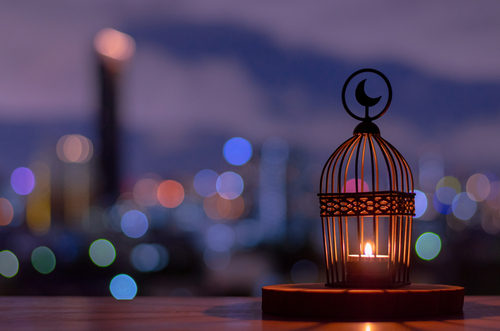

Across the world, millions of people observe the Islamic New Year to honor the passage of time and reflect on their faith. Also known as the Hijri New Year, or Al-Hijra, this occasion marks the beginning of the Islamic lunar calendar. It is a time of deep spiritual significance, often observed quietly with family, prayer, and introspection.
If you are curious about when Islamic New Year falls in 2026, its history, or how it is observed globally, this guide covers the essentials.
When Is Islamic New Year 2026?
The Islamic New Year begins on the first day of Muharram, the first month of the Islamic lunar calendar. Because the Islamic calendar is based on the moon’s cycles, the date shifts approximately 11 days earlier each year in the Gregorian calendar.
For 2026, the Islamic New Year is expected to begin on the evening of Tuesday, June 16, 2026, lasting through the following day.
It is important to note that Islamic days begin at sunset. Therefore, the observance starts the night before the main day. While astronomical calculations can predict these dates in advance, the official start is often confirmed by moon sightings in various regions.
The Significance of Al-Hijra
The Islamic New Year commemorates the Hijra (migration) of the Prophet Muhammad and his followers from Mecca to Medina in 622 CE. This migration was a pivotal moment in Islamic history. It saved the early Muslim community from persecution in Mecca and allowed them to establish the first Islamic state in Medina, where they could practice their faith freely.
The year of the Hijra became the first year of the Islamic calendar (1 AH). As such, the New Year is not just a change of date; it is a reminder of the sacrifices made for religious freedom and the strength of the community (Ummah).
Unlike the Gregorian New Year, which is often celebrated with fireworks and parties, the Islamic New Year is typically a low-key event. The focus remains on the historical and spiritual meaning of the Hijra.
Muharram: A Sacred Month
Muharram is the first month of the Islamic calendar and is considered one of the four sacred months in Islam. The word “Muharram” itself means “forbidden,” implying that warfare and conflict are prohibited during this time. It is often regarded as the second holiest month after Ramadan.
Many Muslims choose to fast during Muharram, specifically on the 9th and 10th days, known as Ashura.
The Day of Ashura
The 10th day of Muharram, known as Ashura, holds particular importance. In 2026, Ashura is expected to fall around June 25 or 26.
- Sunni tradition: Many Sunni Muslims fast on Ashura to commemorate the day Moses (Musa) and the Israelites were saved from the Pharaoh by God parting the Red Sea. The Prophet Muhammad fasted on this day and encouraged followers to do the same.
- Shia tradition: For Shia Muslims, Ashura is a solemn day of mourning. It marks the martyrdom of Hussein ibn Ali, the grandson of the Prophet Muhammad, at the Battle of Karbala in 680 CE. It is observed with grief, processions, and remembrances of the tragedy.
How Islamic New Year Is Observed Around the World
Customs vary widely depending on the country and cultural traditions. Generally, the day is a public holiday in many Muslim-majority countries, including the United Arab Emirates, Saudi Arabia, Indonesia, and Tunisia.
Reflection and Prayer
For most, the day is an opportunity for spiritual renewal. Muslims may spend time reading the Quran, attending special prayer services at the mosque, or reflecting on their personal growth over the past year. It is a time to set spiritual goals and resolutions.
Family Gatherings
Families often gather to share meals and spend quality time together. Unlike Eid al-Fitr or Eid al-Adha, there are usually no specific festival prayers or large feasts mandated by religion, but cultural traditions often fill this space.
- Indonesia: In some regions, people participate in parades or torchlight processions.
- Egypt: It is common to see vibrant street celebrations and the sharing of traditional sweets.
- Tunisia: Families may prepare special dishes like couscous to mark the occasion.
Understanding the Islamic Calendar
The Islamic calendar is purely lunar, consisting of 12 months and approximately 354 or 355 days. This is shorter than the solar Gregorian calendar used in the West, which has 365 or 366 days.
This difference explains why Islamic dates “move back” by about 11 days each year. As a result, Islamic months and holidays cycle through all the seasons over a 33-year period. A holiday like Ramadan or the New Year can occur in the heat of summer in one decade and the cool of winter in the next.
The months of the Islamic calendar are:
- Muharram
- Safar
- Rabi’ al-Awwal
- Rabi’ al-Thani
- Jumada al-Awwal
- Jumada al-Thani
- Rajab
- Sha’ban
- Ramadan
- Shawwal
- Dhu al-Qi’dah
- Dhu al-Hijjah
Frequently Asked Questions
Is Islamic New Year a public holiday?
In many countries with Muslim-majority populations, Islamic New Year is a designated public holiday. Businesses and schools may close. In non-Muslim majority countries, it is generally a regular working day, though Muslim employees may request time off for observance.
Do you say “Happy New Year” for Islamic New Year?
Yes, you can. Common greetings include “Happy Hijri New Year,” “Kullu am wa antum bi-khair” (May you be well every year), or simply sharing good wishes for the year ahead. However, because the day is often somber or reflective for some sects, greetings should be respectful of the context.
Why does the date change every year?
The date changes relative to the Gregorian calendar because the Islamic calendar follows the lunar cycle. Since a lunar year is shorter than a solar year, Islamic holidays drift earlier by about 11 days annually.
What is the current Islamic year in 2026?
When the Islamic New Year arrives in June 2026, the calendar will shift from the year 1447 AH to 1448 AH. The “AH” stands for Anno Hegirae (in the year of the Hijra).
Looking Ahead to 1448 AH
The Islamic New Year serves as a bridge between the past and the future. It honors the history of the faith while offering a clean slate for the year ahead. Whether you observe the day through fasting, prayer, or simply learning more about its history, it remains a powerful symbol of resilience and renewal.
As June 2026 approaches, checking local moon sighting reports will ensure you mark the occasion on the correct day. May the new year bring peace and reflection to all who observe it.
Frequently Asked Questions (FAQs)
What is the Islamic New Year based on?
The Islamic New Year is based on the lunar calendar, specifically the Hijri calendar. It marks the beginning of Muharram, the first month of the Islamic calendar, and the historical migration (Hijra) of the Prophet Muhammad (peace be upon him) from Mecca to Medina.
How is the date of Islamic New Year determined?
The exact date of the Islamic New Year varies each year as it is determined by the sighting of the new moon. This means it shifts approximately 10-12 days earlier each year in the Gregorian calendar.
Is Islamic New Year a public holiday?
This depends on the country. Some predominantly Muslim nations may observe it as a national holiday, while in others, it may be more of a personal or community-focused occasion.
How is Islamic New Year celebrated?
Celebrations often focus on reflection, prayer, and fasting. Unlike other New Year festivals, it is a solemn occasion marked with spiritual practices and remembering Islamic history, particularly the story of the Hijra.
Can non-Muslims participate in Islamic New Year traditions?
Absolutely. Non-Muslims are welcome to learn about and respect the significance of the Islamic New Year. Many choose to join community gatherings or support their Muslim friends in observing this special time.