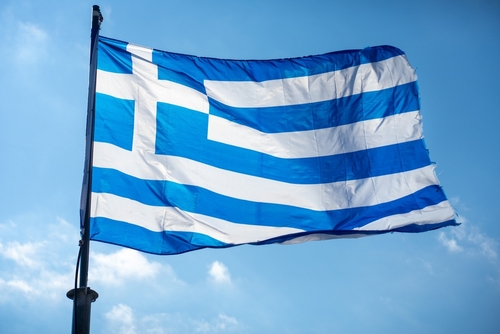

Imagine the streets of Athens transformed into a vibrant sea of blue and white. Flags wave proudly from every balcony, and the rhythmic sound of marching bands echoes through Syntagma Square. Schoolchildren dressed in traditional costumes stand tall, their faces beaming with pride as they represent a history that spans thousands of years. This isn’t just a public holiday; it is the heartbeat of a nation.
Greek Independence Day is a powerful annual reminder of Greece’s struggle for freedom and national identity. It is a day when the past feels incredibly present, honoring the courage of those who fought to reclaim their homeland. For Greeks in the country and across the diaspora, it serves as a moment of profound unity and celebration.
Whether you have Greek heritage or simply admire the country’s resilience, understanding this day offers a window into the Greek soul. It is a celebration of faith, perseverance, and the unshakeable belief that freedom is worth fighting for.
When is Greek Independence Day 2026?
Greek Independence Day 2026 falls on Wednesday, March 25, 2026. This date remains constant every year, unlike holidays that shift with the calendar.
In Greece and Cyprus, this is a major public holiday. You can expect schools, businesses, and government offices to be closed to allow everyone to participate in the festivities. It is a day for the community to come together, stepping away from daily work routines to honor their shared history.
The History Behind the Holiday
To understand the celebrations, you must look back to the events of 1821. For nearly 400 years, Greece was under Ottoman rule. While the empire controlled the land, the Greek people maintained a fierce hold on their language, religion, and cultural identity. They were waiting for the right moment to reclaim their autonomy.
The Spark of Revolution
The desire for freedom grew over centuries, but it was organized efforts in the early 19th century that turned hope into action. Secret organizations like the Filiki Eteria (Friendship Society) formed to coordinate a rebellion. They worked in the shadows, connecting patriots across the region and planning for an uprising.
On March 25, 1821, the revolution symbolically began. Legend tells us that Bishop Germanos of Patras raised the revolutionary flag at the Monastery of Agia Lavra, blessing the fighters and signaling the start of the war. This act united the people under a common cause.
The Path to Independence
The fight was long and difficult. The Greek War of Independence lasted for years and involved immense sacrifice. Eventually, the resilience of the Greek fighters drew the attention and support of major powers like Britain, France, and Russia. Their intervention was crucial in turning the tide.
Finally, in 1830, the Treaty of London officially recognized Greece as an independent sovereign state. March 25 serves as the anniversary of the beginning of this long journey toward statehood.
A Day of Faith and Freedom
March 25 is unique because it carries a dual significance. It is both a national and a religious holiday.
In the Greek Orthodox Church, this date marks the Feast of the Annunciation (Evangelismos). This commemorates the moment the Archangel Gabriel announced to the Virgin Mary that she would bear the Son of God.
For the Greek people, these two events are deeply intertwined. The “Good News” of the Annunciation mirrors the “Good News” of their national liberation. This blend of national pride and spiritual faith is central to the Greek identity, making the celebrations particularly poignant.
Traditions and Observances
If you are in Greece on March 25, you will witness a country in full celebration mode. The day is filled with specific traditions that honor both the military victory and the religious feast.
The Grand Military Parade
The centerpiece of the national celebration takes place in Athens. A grand military parade marches through the city center, passing Parliament in Syntagma Square. Tanks roll down the streets, and fighter jets often fly overhead, trailing blue and white smoke.
Political leaders, including the President of the Hellenic Republic, attend this event alongside thousands of spectators. It is a display of strength and a tribute to the armed forces that protect the nation’s liberty.
School Parades
In towns and villages across Greece, the youth take center stage. Student parades are a beloved tradition where schoolchildren march in formation carrying Greek flags. Many students wear the traditional school uniform—white shirts and blue trousers or skirts—while others dress in traditional folk costumes like the tsolias or amalia.
This tradition connects the younger generation to their history, ensuring the memory of the struggle for independence is passed down.
Church Services
Given the religious importance of the day, church services are packed. Special liturgies are held to celebrate the Feast of the Annunciation. The ringing of church bells often mingles with patriotic music, creating an atmosphere that is both solemn and jubilant.
Family Feasts and Traditional Food
No Greek celebration is complete without food. On March 25, families gather for a traditional feast. Because the holiday falls during the fasting period of Lent, meat is typically not eaten. However, the church allows an exception for fish on the Feast of the Annunciation.
The traditional dish of the day is Bakaliaros Skordalia—fried salted cod served with a potent garlic dip. The smell of frying fish wafts through neighborhoods as families sit down to enjoy this customary meal together.
National Symbols of Pride
The celebrations are visually defined by the colors of the Greek flag. You will see the blue and white adorned on public buildings, hung from balconies, and painted on faces.
The national motto, “Eleftheria i Thanatos” (Freedom or Death), is frequently heard and displayed. This powerful phrase echoes the determination of the 1821 revolutionaries who pledged that they would rather die than live another day under subjugation. It remains a timeless emblem of Greek resilience and courage.
Celebrating Beyond Borders
The spirit of March 25 extends far beyond the borders of Greece. The Greek diaspora—communities of Greeks living abroad—observes this day with equal passion.
Major cities with large Greek populations, such as New York, Melbourne, Toronto, and London, host their own festivities.
- New York City: The annual Greek Independence Day Parade on Fifth Avenue is a massive event, featuring floats, bands, and thousands of marchers.
- Australia: In cities like Melbourne, cultural festivals and parades bring the community together to showcase Greek heritage.
- White House Tradition: In the United States, there is often a reception at the White House to honor the holiday, recognizing the deep ties between the two nations.
These events allow Greeks living abroad to maintain a strong connection to their roots and share their culture with their neighbors.
How You Can Participate
You don’t have to be in Athens to appreciate the significance of this day. Here are a few ways you can honor the spirit of Greek Independence Day 2026:
- Attend a Local Parade: If you live near a Greek community, check for local parades or cultural festivals. They are welcoming events full of music, dance, and history.
- Explore Greek History: Take some time to read about the War of Independence or visit a local museum with Greek exhibits. Understanding the history adds depth to the celebration.
- Try Traditional Cuisine: Visit a Greek restaurant or try cooking Bakaliaros Skordalia at home. Sharing a meal is one of the best ways to experience a culture.
- Visit a Greek Orthodox Church: Many churches welcome visitors to observe the liturgy or participate in cultural programs hosted in their community halls.
Frequently Asked Questions
Why is Greek Independence Day on March 25?
March 25 was chosen to coincide with the Feast of the Annunciation in the Greek Orthodox Church. It symbolically links the religious “good news” of Christ’s incarnation with the political “good news” of the revolution beginning in 1821.
Is everything closed in Greece on this day?
Yes, March 25 is an official public holiday. Schools, banks, public services, and most shops are closed. However, restaurants and cafes usually remain open and are often very busy with families celebrating.
What is the traditional food for Greek Independence Day?
The traditional meal is Bakaliaros Skordalia (battered and fried salt cod with a garlic-potato or garlic-bread dip). It is customary because the holiday usually falls during Lent, when meat is forbidden, but fish is permitted for this specific feast day.
What does the Greek flag represent?
The nine stripes of the flag are said to represent the nine syllables of the phrase Eleftheria i Thanatos (Freedom or Death). The cross in the corner symbolizes Eastern Orthodox Christianity, the prevailing religion of Greece.
Reflecting on Resilience
Greek Independence Day is more than just a historical date on a calendar. It is a testament to the enduring human desire for self-determination. It reminds us that freedom is rarely given freely; it is often won through immense struggle and sacrifice.
As we look toward March 25, 2026, we celebrate not only the liberation of a country but the resilience of a people who held onto their identity against the odds. It is a day to reflect on the universal values of liberty and cultural pride. Whether you are marching in a parade, enjoying a meal with family, or simply learning about the history, you are participating in a legacy that has defined the modern Greek nation.