
Imagine a warm spring afternoon in a bustling plaza. Families are gathered around outdoor tables, sharing laughter over plates of pastries. Children beam with pride as they hand over handmade cards, and fathers embrace them with a smile that says everything. It’s a scene of connection and gratitude, playing out in towns across Southern Europe.
While much of the world waits until June to honor dads, Spain, Italy, and Portugal have their own unique timing rooted in deep cultural history. In these nations, Father’s Day 2026 is more than just a date on the calendar; it is a celebration of paternal love, family unity, and centuries-old tradition.
If you have family in Southern Europe or simply want to understand the rich heritage behind this holiday, here is everything you need to know about celebrating Father’s Day 2026 in Spain, Italy, and Portugal.
When is Father’s Day 2026 in Spain, Italy, and Portugal?
In 2026, Father’s Day in Spain, Italy, and Portugal falls on Thursday, March 19.
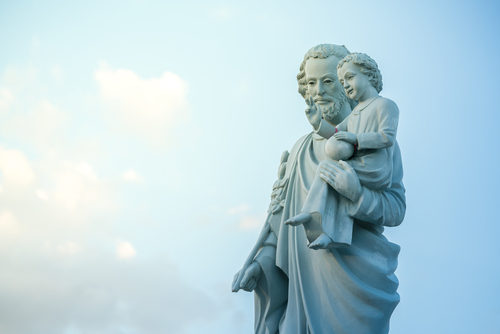
Unlike the United States, the United Kingdom, and many other countries that celebrate on the third Sunday of June, these three nations observe the holiday on a fixed date every year. This specific date aligns with the Feast of St. Joseph (known as San José in Spanish, San Giuseppe in Italian, and São José in Portuguese).
This alignment is intentional. In Catholic tradition, St. Joseph—the husband of Mary and the earthly father figure to Jesus—is revered as the ultimate symbol of fatherhood, protection, and humility.
Why is Father’s Day Celebrated on March 19?
The choice of March 19 is not accidental; it is a direct reflection of the strong religious roots in Southern Europe. For centuries, the Catholic Church has dedicated this day to St. Joseph.
St. Joseph is viewed as the archetype of the “good father”—one who provides, protects, and guides with patience. Because of this spiritual connection, celebrating earthly fathers on the same day as the biblical father figure was a natural cultural evolution.
While the day retains its religious significance, it has evolved into a broader celebration of all father figures, including grandfathers and uncles. It serves as a moment to pause during the Lenten season and focus on family bonds.
How is Father’s Day Observed?
While the core sentiment remains the same—honoring dad—the way the day unfolds varies slightly across the regions. However, the heart of the celebration is universally about spending quality time together.
Family Gatherings
Since March 19, 2026, falls on a Thursday, celebrations might happen in the evening after work or extend into the following weekend. Families often prioritize sharing a meal, whether it is a home-cooked dinner featuring dad’s favorite dishes or a special outing to a local restaurant.
Gifts and Appreciation
The commercial aspect exists, but it is often less intense than in some other countries. The focus remains on sentimental value. Small children typically make crafts at school—hand-painted cards, clay figures, or poems—to present to their fathers. Older children and spouses might give practical gifts like clothing, cologne, or electronics, but the gesture of appreciation is what matters most.
Religious Observance
For many, the day still starts or ends with mass. In some towns, particularly in Italy and Spain, you may see processions or special church services dedicated to St. Joseph, where fathers receive a special blessing.
Cultural Traditions by Country
Each country adds its own local flavor to the festivities, particularly when it comes to sweet treats.
Spain: Día del Padre
In Spain, Día del Padre is a beloved observance. While it is not a national public holiday in every region, it is a bank holiday in some autonomous communities (like Valencia and Murcia).
Families often gather for a large lunch. If you are in Valencia, the day coincides with the end of Las Fallas, a massive festival involving fireworks and the burning of large papier-mâché statues. It is a fiery, energetic backdrop to Father’s Day.
Italy: Festa del Papà
In Italy, the Festa del Papà is synonymous with sweets. The most famous tradition involves Zeppole di San Giuseppe. These are deep-fried dough balls, similar to donuts or cream puffs, topped with custard and black cherries.
Roman tradition dictates that these treats be eaten to honor St. Joseph, who, according to legend, sold fried pancakes during a time of exile to support his family. Giving dad a box of zeppole is practically mandatory in Italian households on March 19.
Portugal: Dia do Pai
In Portugal, Dia do Pai is not an official public holiday, so businesses and schools usually remain open. However, the appreciation is just as strong. Schools often dedicate time for children to prepare surprises for their dads.
Portuguese families prioritize the evening meal. It is common for extended families to call or visit, ensuring grandfathers are also included in the recognition.
How This Differs from the June Celebration
The primary difference between the March 19 celebration and the “global” Father’s Day in June is the origin story.
The June date, popularized by the United States, was established in the early 20th century specifically to complement Mother’s Day and has secular roots. In contrast, the Southern European tradition is religious at its core, dating back to the Middle Ages.
Celebrating in March also changes the atmosphere of the holiday. In June, Father’s Day is often associated with summer barbecues and outdoor sports. In March, situated in early spring, the day feels more intimate, often centered around the dining table and the home.
Ways to Celebrate in 2026
If you are looking to honor your father or a father figure this year—whether you are in Europe or celebrating from afar—here are a few meaningful ideas:
- Plan a Special Meal: If you are together, cook a traditional Spanish paella, Italian pasta, or Portuguese bacalhau (salt cod) dish. Food is the universal language of love in these cultures.
- Embrace the Sweetness: Try your hand at making Zeppole di San Giuseppe. Baking a traditional treat adds a layer of cultural connection to your gift.
- Make it Personal: A handwritten letter expressing gratitude often means more than a store-bought item. Mention specific memories or traits you admire.
- Connect Across Distances: If you live in a different country than your father, remember the time difference. Schedule a video call for a time that allows him to relax and enjoy the conversation without rushing.
- Enjoy a Spring Outing: If the weather permits, a simple walk in the park or a visit to a local cultural site can be the perfect way to spend a Thursday evening together.
Celebrating Dad: A Universal Language
Father’s Day 2026 in Spain, Italy, and Portugal offers a distinct blend of cultural heritage and familial love. It is a day that honors not just the individual father, but the role of fatherhood in shaping families and communities, inspired by the historical archetype of St. Joseph.
Whether you celebrate with a plate of zeppole, a phone call across the ocean, or a simple hug, the message remains the same: Grazie, Gracias, Obrigado.
Mark your calendars for Thursday, March 19, 2026, and take the time to tell the father figure in your life just how much he means to you.
Frequently Asked Questions
Is Father’s Day a public holiday in Spain, Italy, and Portugal?
It varies. In Portugal and Italy, March 19 is not currently a national public holiday, meaning businesses and schools are generally open. In Spain, it is not a national holiday, but it is a regional public holiday in certain autonomous communities, such as Valencia and Murcia.
Do other countries celebrate on March 19?
Yes. Aside from Spain, Italy, and Portugal, other countries with strong Catholic influences often celebrate on this date, including Honduras, Bolivia, and parts of Switzerland (such as the canton of Ticino).
What is the traditional flower for Father’s Day in Italy?
While not strictly a rule, gifts often include something thoughtful rather than flowers. However, St. Joseph is often depicted with a staff that has lilies blossoming from it, symbolizing purity.
Can I send money to my father in Europe for Father’s Day?
Absolutely. Sending a monetary gift is a practical way to treat your dad to a nice dinner or a hobby he enjoys, especially if you cannot be there in person. Services like Remitly make it easy to send funds securely to Spain, Italy, and Portugal.