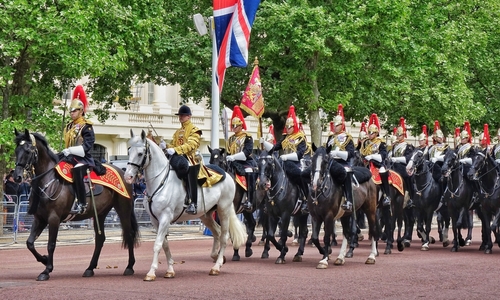

Every year, millions of people come together to celebrate a unique vision of peace and unity across a diverse continent. This annual event honors the foundation of what we now know as the European Union. It stands as a powerful reminder of how cooperation can successfully replace conflict.
For many people outside of Europe, this holiday might not be widely understood or recognized. However, its core message of economic partnership and shared values offers lessons that resonate globally. It shows how nations with a history of devastating rivalry can build a shared, prosperous future.
By reading this guide, you will learn the history behind this important date, its deep significance, and its modern relevance. You will discover how a single political declaration transformed a continent and how you can join in the celebration of European culture and unity, no matter where you live.
When Is Europe Day 2026?
Europe Day takes place annually on May 9. In 2026, this significant date falls on a Saturday. It is widely observed across all European Union member states, as well as by EU institutions around the world.
What Is Europe Day?
This day officially commemorates the Schuman Declaration, which was presented on May 9, 1950. French Foreign Minister Robert Schuman proposed a radical idea for the time. He suggested that France and West Germany coordinate their coal and steel production under a single, common authority.
The primary goal of this proposal was simple but profound. By making these nations economically interdependent, Schuman believed that future wars between them would become not only unthinkable but materially impossible.
The Historical Context
To truly understand the importance of this celebration, we must look at the world as it was in the mid-20th century.
Europe After World War II
In 1950, European nations were still struggling to recover from the devastation of World War II. Cities were ruined, economies were shattered, and millions of lives had been lost. Leaders across the continent shared a desperate desire to ensure that such a catastrophic conflict would never happen again.
The Birth of European Integration
The pooling of coal and steel resources was chosen as the starting point for a new kind of partnership. Because coal and steel were the essential materials needed to wage war, sharing control of them built immediate trust. This initial agreement laid the vital foundation for the modern European Union.
Why the Schuman Declaration Matters
The Schuman Declaration marked a historic shift from fierce national rivalry to peaceful cooperation. It proved that economic interdependence could serve as a highly effective peace strategy.
This bold move initiated a long-term political and economic partnership that has grown steadily over the decades. It united countries in a way that had never been seen before, prioritizing collective well-being over individual national dominance.
Europe Day vs Council of Europe Day
You might occasionally see two different dates associated with Europe Day. The European Union celebrates on May 9 to honor the Schuman Declaration.
However, the Council of Europe—a separate human rights organization that includes non-EU countries—celebrates its own Europe Day on May 5. This date marks the founding of the Council in 1949. Both days share the same flag and anthem, and both promote human rights, democracy, and the rule of law.
How Europe Day Is Celebrated
Festivities and educational events take place throughout May, highlighting the benefits of cross-border collaboration.
EU Institutions
In early May, the EU institutions in Brussels, Strasbourg, and Luxembourg open their doors to the public. These “Open Door” days allow citizens to take public tours, participate in debates, and learn exactly how the European Union functions.
Across Member States
Throughout the member states, the day is marked by vibrant cultural festivals, live concerts, and educational exhibitions. Schools often host special activities to teach students about European history and geography, while local governments run civic programs highlighting the benefits of EU membership.
Community Engagement
At the local level, citizens engage in discussions about European identity and cooperation. These community events help people connect with their neighbors and reflect on the shared values that hold the diverse nations of Europe together.
What Europe Day Represents Today
Today, this celebration represents much more than a historical treaty. It stands for ongoing peace and stability in a region that was once defined by conflict.
It highlights the freedom of movement that allows citizens to travel, work, and study anywhere within the EU easily. It underscores the value of economic cooperation and shared values, including a strong commitment to democracy and human rights.
Europe Day in a Modern Context
The European project continues to evolve to meet modern challenges. The EU faces ongoing political differences among member states and varying economic pressures. Questions about national identity versus European unity frequently arise.
Despite these challenges, the core mission of the EU remains vital. The union adapts to new realities, such as climate change and digital transformation, proving that collaborative problem-solving is still the best way forward for the continent.
How to Engage with Europe Day
You do not need to live in Europe to appreciate the values celebrated on May 9. Here are a few practical and accessible ways to participate.
Learn About the EU
Take some time to explore how the European Union works. Read about its history, its institutions, and its impact on daily life. Understanding this unique political structure provides great insight into international relations.
Celebrate European Culture
You can easily celebrate the incredible diversity of Europe from your own home. Cook a traditional European dish, listen to music from different member states, or watch a European film. Appreciating this cultural richness is a fantastic way to honor the day.
Reflect on Cooperation
Consider the immense value of international collaboration. Think about how the lessons of the Schuman Declaration—building trust through shared resources and goals—can be applied to your own local community or to global challenges today.
Frequently Asked Questions About Europe Day
Is it a public holiday?
It is a legally recognized public holiday in a few places, such as Luxembourg and Kosovo. For employees of EU institutions, it is a paid day off. In most other member states, it is an observance rather than a public holiday.
Do all European countries celebrate it?
It is primarily celebrated by the 27 member states of the European Union and candidate countries. However, anyone who supports the ideals of peace and cooperation can observe the day.
What does the EU actually do?
The EU operates a single market that allows goods, capital, services, and people to move freely across member states. It enacts policies related to trade, agriculture, and regional development, and works to promote peace, human rights, and environmental sustainability.
Why is it important today?
It serves as a constant reminder that peace requires ongoing effort and cooperation. In an interconnected world facing complex global challenges, the EU’s model of diplomatic and economic partnership remains highly relevant.
A Continuing Story of Cooperation
Europe Day is ultimately about building and maintaining peace through dedicated partnership. The journey from the ruins of war to a unified continent shows what is possible when nations choose collaboration over conflict.
As we look toward Europe Day 2026, we are reminded that unity in diversity is not just a slogan; it is a daily practice. What does cooperation across borders mean in your world? By thinking about unity in our own communities, we keep the spirit of May 9 alive all year long.