
Walk into a Scottish kitchen and you’ll notice a unique blend of tradition and practicality. From the ever-present electric kettle to the well-worn spurtle for stirring porridge, these spaces reflect Scotland’s climate, history, and love of hearty comfort food.
Scottish kitchens are shaped by strong tea culture, a rich baking heritage, and meals designed to warm you from the inside out. Many items you’ll find here have been staples for generations, while others represent modern conveniences that complement traditional cooking methods.
Whether you’re relocating to Scotland, curious about Scottish culture, or simply want to understand what makes these kitchens distinctive, this guide will walk you through the must-have items in Scottish homes. You’ll discover the cultural context behind each essential, how they’re used in everyday cooking, and what makes a Scottish kitchen different from kitchens elsewhere in the UK.
Essential Scottish Kitchen Appliances
Electric Kettle
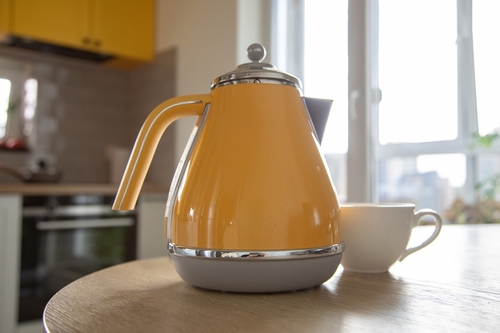
The electric kettle is the undisputed centerpiece of most Scottish kitchens. It’s used multiple times daily for tea, coffee, instant soup, and even preparing porridge. Faster and more energy-efficient than stovetop kettles, it reflects the cultural importance of tea breaks throughout the day.
Many Scottish households boil the kettle first thing in the morning and last thing at night. It’s not just about the beverage—it’s a ritual that punctuates the day.
Toaster
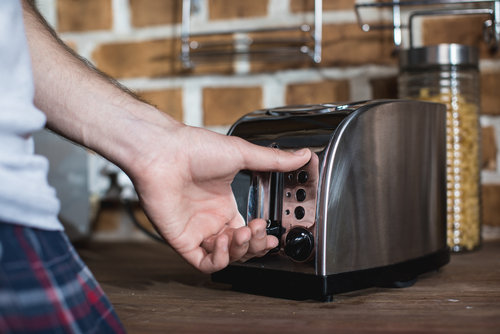
A reliable toaster is essential for morning toast with butter or marmalade. Breakfast and quick snacks often center around toast, making this simple appliance indispensable in Scottish homes.
Traditional Scottish Cooking Tools
Spurtle
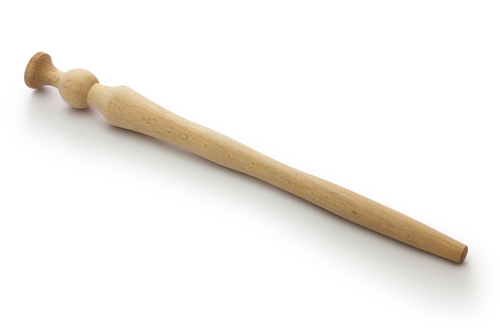
This wooden stirring stick is traditionally used for making porridge. Its unique design prevents lumps from forming as you stir, ensuring a smooth, creamy consistency. The spurtle has deep cultural ties to Scotland, with porridge-making competitions still held annually where competitors use this traditional tool.
Girdle (Griddle)
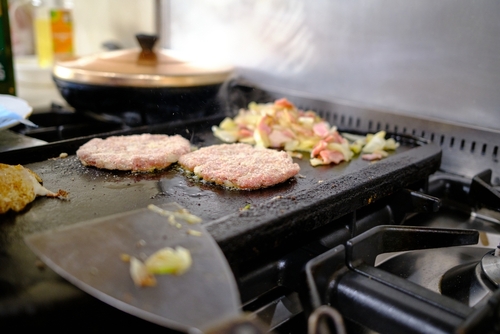
A flat iron pan used for cooking tattie scones, drop scones (also called Scotch pancakes), and bannocks. Traditional cast iron versions are still prized in many households, passed down through generations. The girdle produces the characteristic texture and appearance of these beloved Scottish staples.
Rolling Pin
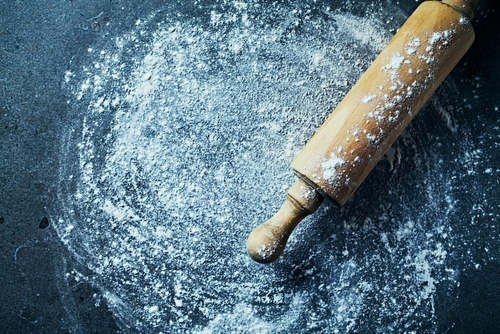
Essential for shortbread and pastry-making, the rolling pin is often wooden and well-worn in family kitchens. Scottish baking traditions mean this tool gets regular use, especially during holidays and special occasions.
Scottish Pantry Staples
Porridge Oats
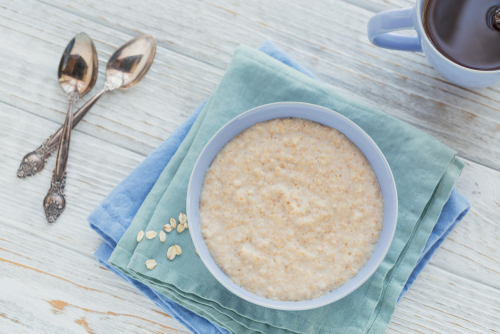
Porridge oats are a core breakfast staple in Scotland. Traditionally made with water and salt rather than milk and sugar, porridge has a deep historical connection to Scotland’s agricultural past. Many Scots still prefer the traditional preparation method, though modern variations are common too.
Gravy Granules
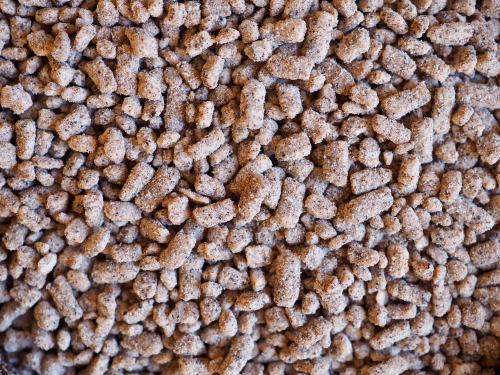
These instant gravy makers are used for quick gravies with mince and tatties (mince and potatoes), a beloved Scottish comfort meal. Gravy granules save time while still delivering the rich, savory flavor expected with hearty dishes.
Brown Sauce
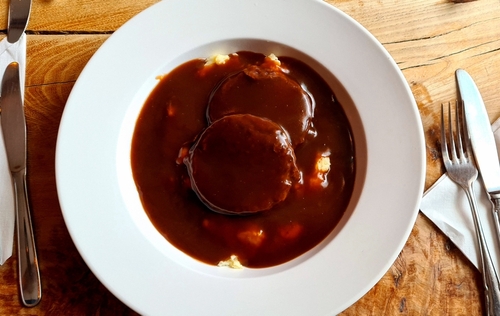
Brown sauce, such as HP Sauce or Scottish varieties, is a common condiment with a full Scottish breakfast. It’s served with square sausage, bacon rolls, and savory pies. The tangy, slightly sweet flavor complements fried foods perfectly.
Diluting Juice (Squash)

This concentrated fruit cordial is diluted with water and remains a staple in Scottish households, especially for children. Unlike many other countries where soda is more common, diluting juice is the go-to drink for many Scottish families.
Tunnock’s Teacakes & Caramel Wafers
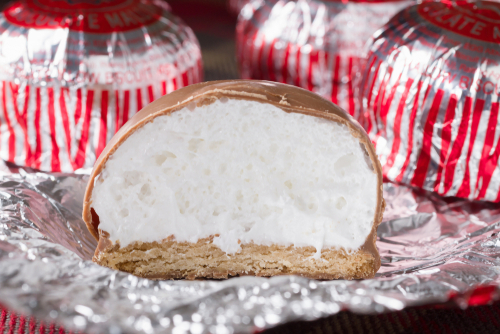
These iconic Scottish snack brands are often stored in biscuit tins and represent a taste of home for many Scots. Tunnock’s products are more than just treats—they’re part of Scotland’s cultural identity.
Baking & Tea-Time Essentials
Biscuit Tin
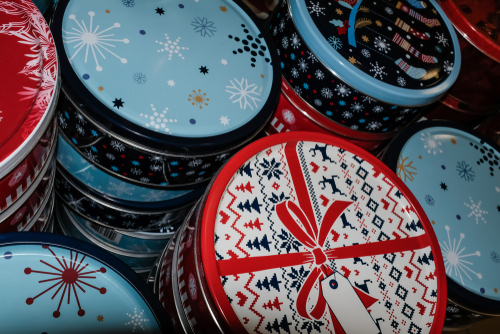
Often decorative metal tins, these containers store shortbread, digestives, and custard creams. The cultural significance of tea and biscuits in Scotland means the biscuit tin is rarely empty for long.
Shortbread Molds or Cutters
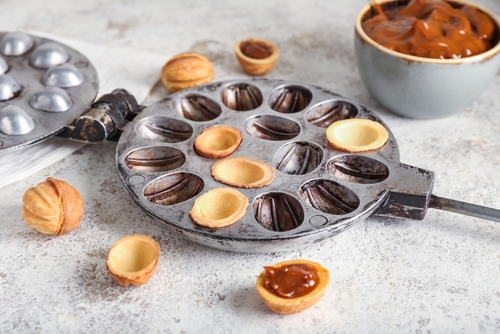
Traditional thistle or round designs are used to shape Scotland’s most famous baked good. Shortbread molds are linked to Scottish hospitality traditions, with homemade shortbread often offered to guests.
Tea Caddy
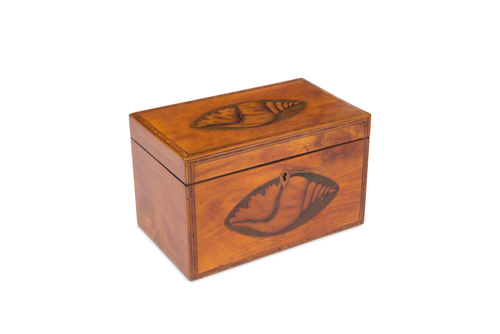
The tea caddy reflects Scotland’s strong tea culture. Loose leaf tea is still common in some households, and proper storage maintains freshness and flavor. Tea is taken seriously here, with preferences for specific brands and brewing methods.
Breakfast & Fry-Up Essentials
Square Sausage Frying Pan
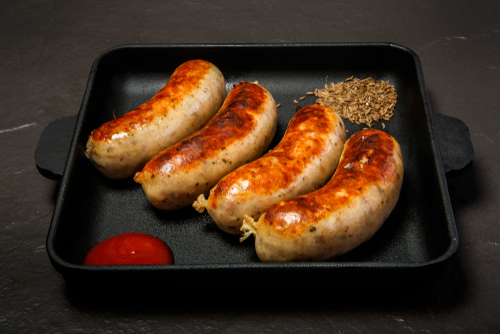
Used to cook Lorne sausage (square sausage) on a flat pan or girdle, this is essential for a proper Scottish breakfast roll. The square shape is distinctly Scottish and allows for even cooking and perfect sandwich assembly.
Egg Cups
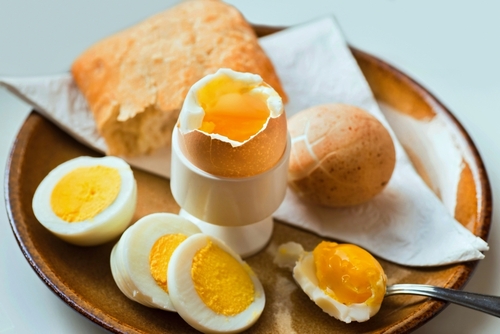
Soft-boiled eggs with soldiers (toast strips for dipping) remain a common breakfast in Scotland. Egg cups are practical tableware that many Scottish households wouldn’t be without.
Butter Dish
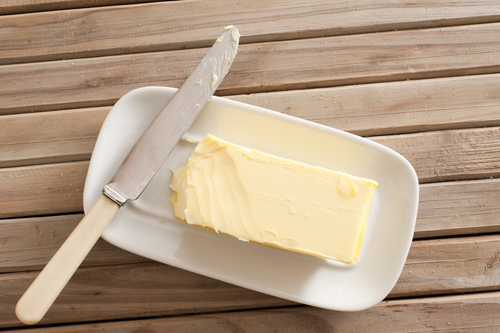
Real butter is standard in Scottish kitchens and is often kept at room temperature in a butter dish for easy spreading on toast. Margarine is less common here than in some other countries.
Soup & Stew Staples
Large Soup Pot
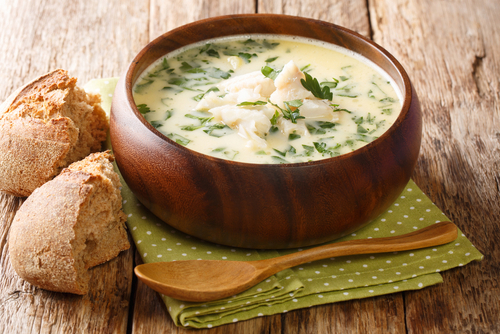
Essential for making Scotch broth, lentil soup, and Cullen skink (smoked haddock soup). Batch cooking is common in Scotland, where soups and stews are prepared in large quantities and enjoyed throughout the week.
Ladle
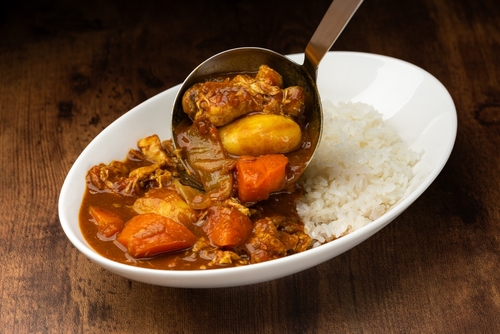
A sturdy ladle is essential for serving hearty soups and stews. Scottish cooking often involves one-pot meals that feed the whole family, making a good ladle indispensable.
Cultural Items You’ll Often Find
Tablet Tin
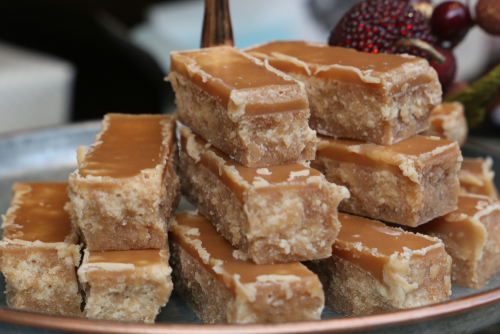
Used for storing homemade Scottish tablet, a crumbly fudge-like sweet made from sugar, condensed milk, and butter. Tablet is a traditional Scottish confection often made at home and gifted to friends and family.
Oatcake Tin
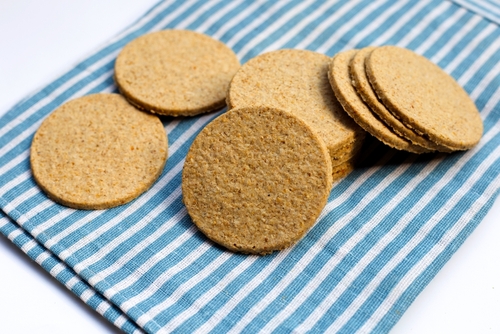
Oatcakes serve as a cheese accompaniment and are a healthier alternative to crackers. They’re made from oats and have a distinctive nutty flavor that pairs well with Scottish cheeses.
Tartan Tea Towels
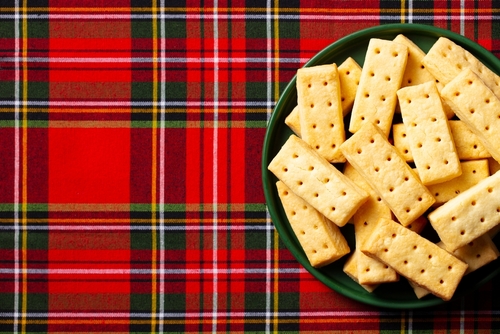
While practical for drying dishes, tartan tea towels are also culturally symbolic. They add a touch of Scottish pride to everyday kitchen tasks.
Modern Additions with a Scottish Twist
Scottish kitchens aren’t stuck in the past. You’ll increasingly find:
- Air fryers for quick, crispy cooking
- Slow cookers for traditional stews with modern convenience
- Whisky glasses stored in kitchen cupboards for after-dinner drams
- Coffee pod machines sitting alongside the traditional kettle
These modern appliances complement rather than replace traditional Scottish cooking methods and tools.
What Makes Scottish Kitchens Different from Other UK Kitchens?
While Scottish kitchens share many similarities with kitchens elsewhere in the UK, several distinctions stand out:
Stronger porridge tradition: Porridge is more central to Scottish breakfast culture than in England or Wales, with traditional preparation methods still widely practiced.
Unique condiments: Brown sauce preference is stronger, and certain Scottish brands are specifically favored.
Oat-based products: Oats feature more prominently, from oatcakes to porridge to traditional bannocks.
Regional baking tools: Spurtles, girdles, and shortbread molds are more common in Scottish households than elsewhere in the UK.
Tea culture intensity: While tea is important throughout the UK, Scotland’s tea culture is particularly strong, with specific rituals and preferences.
Frequently Asked Questions (FAQs)
What is a spurtle used for?
A spurtle is a traditional Scottish wooden stick used primarily for stirring porridge. Its unique shape prevents lumps from forming and allows for smooth, even stirring without breaking up the oats. Some households also use spurtles for stirring soups and stews.
What is brown sauce in Scotland?
Brown sauce is a tangy, slightly sweet condiment made from tomatoes, dates, tamarind, and spices. In Scotland, it’s commonly served with full Scottish breakfasts, bacon rolls, square sausage, and savory pies. HP Sauce is the most recognized brand, though Scottish varieties exist.
What do Scots drink besides tea?
Besides tea, Scots commonly drink diluting juice (concentrated fruit cordial mixed with water), coffee, whisky, and Irn-Bru, Scotland’s iconic orange fizzy drink. Hot chocolate and soup are also popular warming beverages, especially during colder months.
Is porridge different in Scotland?
Yes. Traditional Scottish porridge is made with water and salt rather than milk and sugar. It’s stirred with a spurtle and cooked slowly for a creamy consistency. While modern variations exist, many Scots still prefer the traditional preparation method passed down through generations.
What is a girdle in Scottish cooking?
A girdle (also spelled griddle) is a flat iron pan used for cooking Scottish specialties like tattie scones, drop scones, and bannocks. Traditional cast iron girdles are prized for their even heat distribution and the characteristic texture they give to baked goods.
Comfort, Practicality & Tradition Combined
Scottish kitchens prioritize warmth and heartiness, with items reflecting both climate and agricultural history. From the humble spurtle to the ever-ready electric kettle, these essentials represent a blend of tradition and modern convenience.
What makes these kitchens special isn’t just the tools and ingredients—it’s the emphasis on tea culture, baking heritage, and meals that bring comfort on cold, rainy days. Whether you’re preparing traditional porridge with a spurtle or making shortbread with vintage molds, each item connects you to Scotland’s rich culinary traditions.
Understanding these kitchen essentials offers insight into Scottish culture itself: practical, resilient, and deeply rooted in tradition while still embracing modern life.