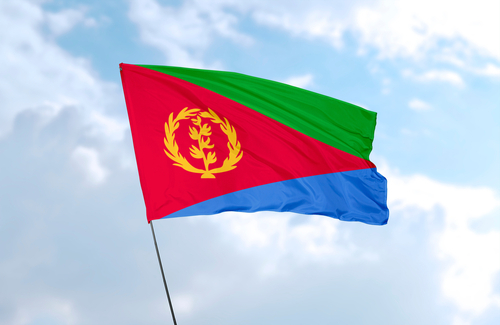

May 24 holds profound meaning for the people of Eritrea. It marks a historic victory and the end of a long, difficult struggle for self-determination. For Eritreans around the world, this date is a powerful reminder of the sacrifices made by previous generations to secure a sovereign nation.
The emotional weight of this day resonates deeply. It is a time for solemn remembrance and joyous celebration. Families gather, communities unite, and the nation reflects on its hard-won freedom. The path to independence was paved with immense hardship, making the celebration of sovereignty a deeply personal experience for many.
By exploring the history and traditions of this holiday, you will gain a clearer understanding of Eritrea’s national identity. You will learn the historical context behind the 30-year conflict, how the day is celebrated today, and why this annual observance remains a cornerstone of Eritrean culture.
When Is Eritrea Independence Day 2026?
Eritrea Independence Day is celebrated annually on May 24. In 2026, the holiday will fall on a Sunday. This date is one of the most important national holidays in the country, bringing everyday activities to a halt as citizens focus on national pride and remembrance.
What Does Independence Day Commemorate?
This holiday commemorates Eritrea’s de facto independence from Ethiopia, which was achieved in 1991. For three decades, Eritrean liberation movements fought a grueling war for freedom. The military victory in May 1991 paved the way for the formation of the modern Eritrean state. Two years later, in 1993, a UN-backed referendum made that independence official, with the overwhelming majority of Eritreans voting for sovereignty.
Historical Background
Understanding Eritrea’s independence requires a look back at its complex colonial and political history. The nation navigated multiple administrative changes before finally securing its own governance.
Colonial Period
During the late 19th and early 20th centuries, Eritrea was colonized by Italy. The Italian administration established the initial borders of the territory. Following World War II, the British took over administration of the region, leading to a period of uncertainty regarding Eritrea’s future political status.
Federation and Annexation
In 1952, the United Nations decided to federate Eritrea with Ethiopia. This arrangement was intended to respect Eritrean autonomy while maintaining ties with the Ethiopian crown. However, in 1962, Ethiopia formally annexed Eritrea, dissolving the federation and stripping the region of its autonomous rights.
The Independence Struggle
The annexation sparked a fierce armed resistance. Led by Eritrean liberation movements, the conflict quickly escalated into a full-scale war. The struggle lasted for 30 years, deeply affecting every family and shaping the resilient character of the nation. The eventual victory in 1991 was a monumental achievement against overwhelming odds.
Why Independence Day Matters
Eritrea Independence Day is a symbol of resilience, sacrifice, and national identity. It honors the countless men and women who fought and lost their lives during the long conflict. Observing this day reinforces a strong sense of unity. It connects the younger generation to the history of their ancestors, ensuring the legacy of the struggle is never forgotten.
How Eritrea Celebrates Independence Day
The celebrations on May 24 are vibrant, deeply respectful, and widespread. They take place in the capital city of Asmara, throughout rural regions, and across the globe.
Official Ceremonies
The government hosts official events, including national speeches by political leaders. These addresses often reflect on the country’s history, honor the fallen, and discuss the future trajectory of the nation. Commemorative ceremonies take place at national monuments and cemeteries.
Parades and Cultural Performances
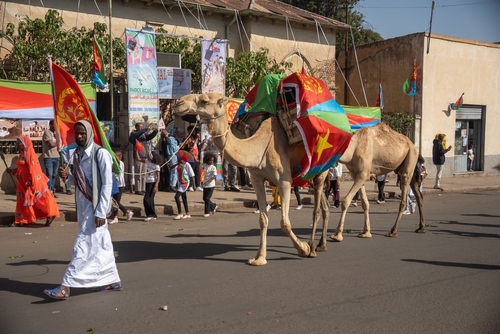
Military parades showcase the nation’s defense forces, serving as a reminder of the armed struggle that secured the country’s freedom. Alongside these displays, traditional music and dance performances fill the streets. Different ethnic groups showcase their unique heritage through organized performances.
Community Celebrations
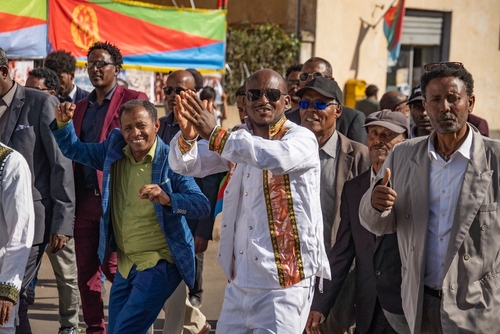
At the local level, neighborhoods host festivals and gatherings. Shared meals are a central component of these celebrations. Neighbors and extended families come together to eat, share stories, and celebrate their shared identity. The atmosphere is highly participatory and joyous.
Diaspora Celebrations
Eritreans living abroad play a massive role in observing the holiday. Diaspora communities host their own events, cultural festivals, and remembrance activities. These gatherings help expatriates maintain a strong connection to their homeland and pass their cultural heritage down to their children.
Eritrean Culture on Display
Independence Day is a showcase of Eritrea’s rich cultural diversity. The country is home to multiple ethnic groups and languages, and the holiday highlights this vibrant mix. Traditional attire is worn proudly, featuring intricate embroidery and bright colors. Food is central to the festivities, with traditional dishes like injera (a sourdough flatbread) and zigni (a spicy meat stew) shared among family and friends. Music and dance reflect the unique rhythms and traditions of the different regions.
Independence Day in Modern Context
Today, Independence Day represents a blend of historical pride and present-day reflection. The country faces various modern challenges, but the holiday provides an opportunity to draw strength from past victories. The youth and the diaspora are increasingly shaping the national identity, bringing new perspectives while honoring traditional values.
How to Engage Respectfully
For international readers wanting to acknowledge or participate in this day, respectful engagement is key.
Learn the History
Take time to understand the depth of the independence struggle. The 30-year war was profoundly difficult, and recognizing that context shows respect for the Eritrean experience.
Appreciate Eritrean Culture
Explore the nation’s music, food, and traditions. Visiting a local Eritrean restaurant or listening to traditional music is a great way to appreciate the culture.
Listen to Eritrean Voices
Seek perspectives directly from Eritreans. Whether through literature, documentaries, or conversations with community members, prioritizing their lived experiences provides the most accurate understanding of the holiday.
Frequently Asked Questions About Eritrea Independence Day
Why did the independence struggle last so long?
The conflict lasted 30 years because Eritrean liberation forces were fighting a much larger, heavily backed Ethiopian military. The geopolitical dynamics of the Cold War also played a role, with different global superpowers supporting the Ethiopian government at various times.
What is the significance of 1991 vs 1993?
In May 1991, Eritrean forces achieved a military victory, taking control of the capital and effectively ending the war. In April 1993, a UN-supervised referendum was held where Eritreans officially voted for independence, leading to international recognition of the state.
How is the day celebrated globally?
Eritrean diaspora communities host large cultural festivals, concerts, and community dinners. These events often feature traditional food, music, and flag-raising ceremonies, allowing Eritreans abroad to celebrate their heritage.
Why Independence Day Still Matters Today
The holiday represents freedom achieved after a prolonged and painful conflict. It reinforces a unique national identity that distinguishes Eritrea within the Horn of Africa. By encouraging remembrance and unity, the day ensures that the core values of resilience and self-reliance remain central to the nation’s consciousness.
Remembering Sacrifice and Celebrating Freedom
Eritrea Independence Day is both a joyous celebration and a solemn remembrance. It offers a moment to honor the past while looking toward the future. Engaging thoughtfully with Eritrea’s history reveals a story of remarkable endurance. It prompts a universal reflection: what does independence mean when it comes at such a high cost? Acknowledging this history provides a deeper appreciation for the resilience of the Eritrean people and the profound value of freedom.