
We can’t predict when an emergency will happen, but we can choose how we respond to it. Whether it is a severe storm, a power outage, or a natural disaster, having a plan in place brings peace of mind. It allows you to focus on what matters most: keeping your loved ones safe.
Preparedness isn’t about fear. It is about confidence. When you know where your supplies are and what to do, you can handle unexpected situations with a clear head.
This guide is for families of all shapes and sizes. It covers the essentials for a 72-hour kit, how to protect your financial health during a crisis, and how to adapt your plan based on where you live.
Emergency planning basics
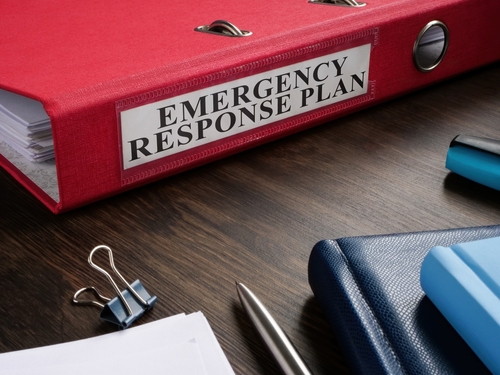
Before you start buying gear, you need a plan. Sit down with your household and discuss what risks are most likely in your area. This could be flooding, wildfires, hurricanes, or simply long-term power outages.
Once you know what you are preparing for, create a family communication plan.
- Pick a meeting point: Choose one spot near your home (like a specific tree or neighbor’s house) and one spot outside your neighborhood in case you cannot return home.
- Assign roles: Who grabs the emergency kit? Who is responsible for the pets? Who turns off the utilities?
- Write down contacts: Memorize important phone numbers, but also write them down on physical cards for every family member. If cell networks go down or phones die, you will need those numbers.
Don’t overlook financial planning
Emergencies often come with a price tag. Part of your planning must include reviewing your insurance coverage. Does your home insurance cover floods? Often, it does not. Check your policies now, not after the disaster strikes.
The core emergency kit checklist
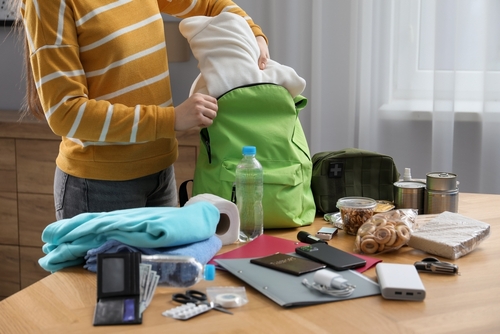
A “Go Bag” is a portable kit meant to last each person at least 72 hours. You should keep these items in a backpack or durable bag that is easy to carry.
The essentials
- Water: Store one gallon of water per person per day. For a 3-day supply, that is three gallons per person.
- Food: Choose non-perishable items that don’t require cooking, like protein bars, dried fruit, canned goods, and peanut butter.
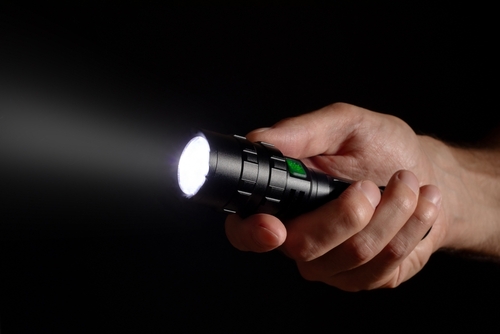
- Light: Pack a sturdy flashlight and extra batteries. Headlamps are great because they keep your hands free.
- First-aid kit: Include bandages, antiseptic wipes, antibiotic ointment, and pain relievers.
- Radio: A battery-powered or hand-crank NOAA weather radio is essential for getting information if the internet goes out.
- Multi-tool: A basic tool with a knife, can opener, and pliers is incredibly useful.
- Hygiene items: Hand sanitizer, moist towelettes, and garbage bags for sanitation.
- Masks: N95 masks can help filter contaminated air during fires or after structural damage.
The financial lifelines
When power goes out, card readers and ATMs often fail. Your credit card might be useless in the immediate aftermath of a disaster.
- Cash: Keep small bills ($1, $5, $10) in your kit. Merchants may not have change during an emergency.
- Emergency documents: Keep copies of insurance policies, identification, and bank records in a waterproof pouch.
Special considerations
Every family is different. Your kit should reflect the unique needs of your household members.
For families with children
Emergencies can be scary for kids. Pack items that provide comfort and distraction.
- Comfort items: A favorite small toy, blanket, or book.
- Identification: For younger children, create an ID band or card they can keep in their pocket.
- Baby supplies: If you have an infant, do not forget formula, bottles, diapers, wipes, and rash cream.
For seniors or disabled family members
- Medical information: A list of doctors, conditions, and allergies.
- Mobility aids: Extra batteries for hearing aids or wheelchairs, and a spare cane if needed.
- Medication: Try to keep at least a 7-day supply of prescription medications.
For pets
They are family, too. Ensure they can evacuate safely with you.
- Supplies: Food, water, a collapsible bowl, and a leash.
- Carrier: A sturdy carrier for transport.
- Records: Copies of vaccination records and a photo of you with your pet (to prove ownership if you get separated).

Regional adaptations
The basics remain the same, but your location dictates what else you need. Here is how to adapt your kit based on where you live.
North America
- Wildfires: Add N95 masks to filter smoke and fireproof document bags for your financial records.
- Winter storms: Pack thermal blankets, hand warmers, and a snow shovel.
- Tornadoes: A loud whistle can help rescuers find you if you are trapped.
Southeast Asia
- Floods: Waterproof bags are critical for keeping electronics and documents dry. Consider water purification tablets if clean water becomes scarce.
- Typhoons: Know your evacuation routes and have heavy-duty tape for securing windows.
- Mosquito-borne illness: Pack mosquito repellent and netting to protect against Dengue or Zika.
Latin America
- Earthquakes: sturdy shoes are vital for walking over debris. Keep a pair tied to your bed.
- Remote access: If you live in a rural area, keep extra fuel for your vehicle and detailed physical road maps.
Europe
- Cold weather: Thermal wear and blackout curtains can help retain heat during energy shortages or blackouts.
- Travel: Keep copies of passports and cross-border travel forms handy if you need to move between countries.
Africa
- Water scarcity: Invest in high-quality water filtration systems or life straws alongside your stored water.
- Health: Keep an updated vaccination record card (Yellow Fever, etc.) in your waterproof document pouch.
Oceania
- Bushfires: A fire blanket and wool blankets (which are naturally fire-resistant) are smart additions.
- Cyclones: Ensure you have materials to board up windows and a clear plan for securing outdoor furniture.
Digital and financial preparedness
Protecting your physical safety is priority number one, but protecting your financial future is a close second. Recovering from a disaster is much harder if you lose access to your money or identity.
Build a “Financial First Aid Kit”
The Federal Emergency Management Agency (FEMA) recommends organizing your financial life before a disaster.
- Household inventory: Walk through your house and take a video of everything you own. Open drawers and closets. This video will be undeniable proof for insurance claims if your property is damaged.
- Cloud backups: Scan your deeds, titles, wills, and tax returns. Upload them to a secure cloud storage service. If your physical copies are destroyed, you can still access the digital versions.
- Account access: Use a password manager to store login information for your bank, mortgage lender, and utility companies. You may need to log in from a different computer or phone to pay bills or transfer funds.
Maintenance and drills
A kit is only useful if it works when you need it. Set a calendar reminder to check your supplies every six months.
- Check expiration dates: Replace expired food and water.
- Test batteries: Ensure flashlights and radios turn on.
- Update documents: Have your insurance policies changed? Did you get a new credit card? Update the copies in your kit.
Finally, practice. Run a drill with your family. Ensure everyone knows where the meeting point is and how to shut off the gas or water if necessary.
Frequently asked questions
How much money should I save for an emergency?
Financial experts often suggest saving three to six months’ worth of living expenses in an emergency fund. However, for your physical “Go Bag,” aim for $100 to $200 in small bills. This covers immediate needs like fuel, food, or a night at a motel if credit card systems are down.
Do I really need one gallon of water per person?
Yes. This amount covers drinking water and basic sanitation. In hot climates, or for nursing mothers and sick family members, you may need even more. Never ration water unless absolutely necessary; drink what you need and look for more.
How do I maintain a kit on a budget?
You do not need to buy everything at once. Pick up one or two extra cans of food or a gallon of water each time you go grocery shopping. Look for preparedness items at discount stores. Building a kit slowly is better than having no kit at all.
Start today
Building an emergency checklist might feel overwhelming, but you don’t have to do it all in one afternoon. Start with the basics: water, light, and a plan.
Taking these steps today protects your family’s future. It turns the unknown into something manageable. You can handle this.