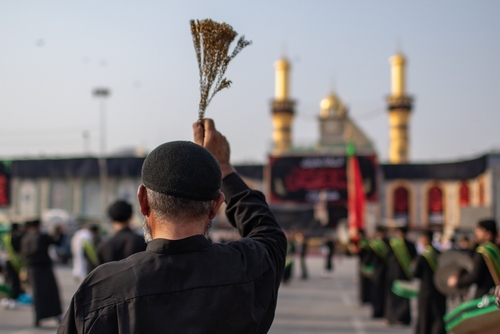

The Islamic calendar is rich with days of reflection, celebration, and remembrance. Among the most significant is the Day of Ashura, which falls on the 10th day of Muharram, the first month of the Islamic lunar year.
For Muslims around the world, this is a time of profound historical and spiritual importance. Whether you are observing this day through fasting, prayer, or mourning, knowing when it falls allows you to plan accordingly.
This guide covers the expected date of the Day of Ashura in 2026, the historical events that make this day so meaningful, and the different ways it is observed across the global Muslim community.
When is the Day of Ashura in 2026?
The Islamic calendar is based on the lunar cycle, which is approximately 11 days shorter than the Gregorian solar calendar used in the West. This means that Islamic dates move forward by about 11 days each year.
For the year 2026, the Day of Ashura (10 Muharram 1448 AH) is expected to fall on or around Thursday, June 25, 2026, or Friday, June 26, 2026.
It is important to remember that the exact date depends on the sighting of the moon. This sighting determines the start of the month of Muharram. We recommend checking with your local mosque or community leaders closer to the date for the verified local observance.
The Significance of Muharram
To understand Ashura, you must first look at the month it falls in. Muharram is one of the four sacred months in Islam. The word “Muharram” itself means “forbidden” or “sacred,” implying that warfare and conflict are prohibited during this time. It is often called “Allah’s month,” highlighting its blessed nature.
While the first day of Muharram marks the Islamic New Year, the 10th day—Ashura—holds the most weight for worship and history.
Historical Background of Ashura
The Day of Ashura is unique because it is honored by Muslims for different historical reasons. It is a day that bridges the history of the Prophets with the history of the Prophet Muhammad’s family.
The Story of Prophet Musa (Moses)
For many Muslims, particularly in the Sunni tradition, Ashura commemorates the day Allah saved the Prophet Musa (Moses) and the Children of Israel from the Pharaoh. According to tradition, this is the day God parted the Red Sea, allowing Musa to escape and drowning the pursuing tyrant.
To show gratitude to Allah for this rescue, Prophet Musa fasted on this day. When the Prophet Muhammad arrived in Medina and saw the Jewish community fasting, he stated that Muslims had more right to Musa and also fasted, encouraging his followers to do the same.
The Martyrdom of Imam Hussein
For Shia Muslims, Ashura is a solemn day of mourning and remembrance. It marks the anniversary of the Battle of Karbala in 680 AD (61 AH), where Hussein ibn Ali, the grandson of the Prophet Muhammad, was martyred along with his family and companions.
Imam Hussein stood against the tyrant ruler Yazid to uphold justice and the principles of Islam. His sacrifice at Karbala is viewed as the ultimate stand of truth against falsehood and oppression.
How the Day of Ashura is Observed
Because of these different historical contexts, traditions on the Day of Ashura vary significantly depending on culture and sect. However, the themes of sacrifice, gratitude, and charity are universal.
Fasting
Fasting on the Day of Ashura is a common tradition. It is not obligatory like the fasts of Ramadan, but it is highly recommended (Sunnah).
- Many choose to fast on the 9th and 10th of Muharram, or the 10th and 11th, to distinguish the observance.
- The fast is an expression of gratitude for the salvation of Prophet Musa.
Mourning and Remembrance
For those honoring the martyrdom of Imam Hussein, the day is one of deep sorrow.
- Majlis (Gatherings): Communities gather to listen to poetry and sermons recounting the tragedy of Karbala.
- Processions: In many countries, public processions take place where participants express their grief.
- Wearing Black: It is customary to wear black clothing as a symbol of mourning.
- Refraining from Celebration: Joyful events, such as weddings, are generally avoided during this period out of respect.
Acts of Charity
Charity is a central pillar of Islam, and days of significance like Ashura are often opportunities to give back.
- Providing Water: Remembering the thirst of Imam Hussein and his companions at Karbala, many people set up stalls to distribute free water and juice to the public.
- Sharing Meals: Families often cook large meals, such as a special pudding known as “Ashure” or “Noah’s Pudding” in Turkey, to share with neighbors and the poor.
- Supporting Family: Connecting with family members, whether they are near or overseas, is highly encouraged. This often includes sending financial support to loved ones back home.
Bringing the Community Together
Regardless of how it is observed, the Day of Ashura is a time for reflection. It reminds the faithful of the importance of standing up for justice, showing gratitude for safety, and caring for the community.
As June 2026 approaches, it helps to plan ahead. Whether you intend to fast, attend a gathering, or send a gift to family members in another country, marking this date on your calendar ensures you can honor the day with the respect it deserves.
Frequently Asked Questions (FAQs)
What is Ashura?
Ashura, observed on the 10th day of Muharram in the Islamic calendar, holds profound religious and historical significance. For Shia Muslims, it commemorates the martyrdom of Imam Hussein, the grandson of Prophet Muhammad, at the Battle of Karbala in 680 CE. This event symbolizes the struggle for justice and standing against oppression. Sunni Muslims, on the other hand, view Ashura as a day of gratitude and reflection, as it marks the occasion when the Prophet Moses and his followers were saved from Pharaoh’s tyranny by the divine parting of the Red Sea.
How is Ashura Observed?
Ashura is observed differently across Muslim communities. For Shia Muslims, it is a day of mourning and remembrance, with many participating in processions, reciting elegies, and reenacting the events of Karbala to honor Imam Hussein’s sacrifice. Sunni Muslims often commemorate the day through voluntary fasting, as Prophet Muhammad encouraged this as an act of thankfulness for Allah’s mercy. Additionally, acts of charity and kindness are common practices on this day, fostering a sense of community and compassion.
Why is Ashura Significant?
The significance of Ashura extends beyond its historical roots. It serves as a reminder of resilience, faith, and moral integrity. For Shia Muslims, it is a time to reflect on the values Imam Hussein stood for—steadfastness, courage, and the pursuit of justice. For Sunnis, it is an opportunity to express gratitude for Allah’s blessings and to strengthen one’s personal devotion. Regardless of denomination, Ashura is a day that unites Muslims worldwide in remembrance, reflection, and spiritual connection.