
When people outside the country think of “American culture,” they might picture Hollywood movies, fast food, or New York City skyscrapers. But for those living here, the reality is much more complex and vibrant. The United States isn’t just one single culture; it is a patchwork of distinct regional identities that often feel as different from one another as separate countries.
From the jazz-filled streets of New Orleans to the quiet, fog-covered coast of the Pacific Northwest, America is defined by its variety. These differences are shaped by Indigenous roots, waves of migration, local geography, and deeply held traditions. Whether you are moving to a new state, visiting for the first time, or simply curious about your neighbors, understanding these cultural regions helps you appreciate the true depth of the American experience.
What Shapes Regional Culture in America?
It can be easy to simplify American culture into broad categories like “North” and “South,” but the truth is in the details. Several powerful forces have shaped the distinct personalities of each region.
First, Indigenous foundations set the stage. Long before European colonization, hundreds of Native nations had their own languages, agricultural practices, and spiritual beliefs, which still influence local place names and traditions today.
Migration and settlement patterns also played a huge role. Where English Puritans settled in New England created a very different culture than where Spanish missionaries settled in the Southwest. The forced migration of enslaved Africans profoundly shaped the culture of the South and, subsequently, the entire nation. Later waves of immigrants—from Germans in the Midwest to Asian communities on the West Coast—added new layers to these regional identities.
Finally, geography and industry matter. The coal mines of Appalachia created a different way of life than the ranching economy of Texas or the tech boom of Silicon Valley. These factors combine to create the unique “flavor” of each state.
The South: Deep Historical Cultural Roots
The American South is perhaps the most distinct cultural region, known for its strong sense of history, hospitality, and complex social fabric. However, it is not a monolith.
Louisiana Creole & Cajun Culture
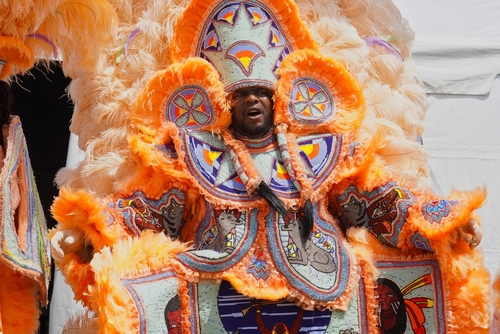
In Louisiana, specifically around New Orleans and Acadiana, you find a culture unlike anywhere else in the U.S. Creole culture emerged from a mix of French, Spanish, African, and Caribbean influences. It is famous for its architecture and distinct cuisine, like gumbo. Cajun culture traces back to French-speaking Acadians expelled from Canada who settled in the bayous. Both cultures celebrate life through music—jazz in the city, zydeco in the country—and festivals like Mardi Gras.
Gullah Geechee Culture
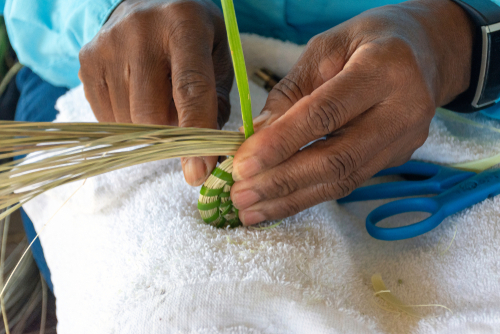
Along the coasts of South Carolina, Georgia, and northern Florida lies the Gullah Geechee Cultural Heritage Corridor. This culture was developed by enslaved West Africans who, due to isolation on barrier islands, were able to retain significant African linguistic and cultural traditions. The Gullah language, sweetgrass basket weaving, and rice-based dishes are enduring testaments to their resilience and heritage.
Appalachian Culture
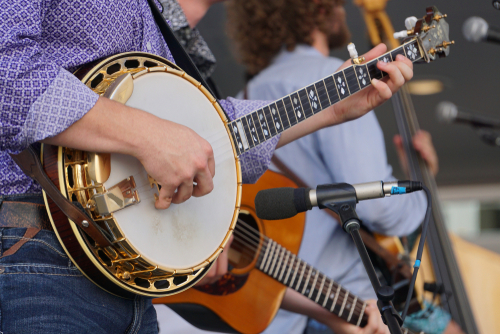
Stretching through West Virginia, Eastern Kentucky, Tennessee, and North Carolina, Appalachia has a culture rooted in Scots-Irish settlement and mountain geography. While often misunderstood by outsiders, Appalachian culture is rich in oral storytelling, bluegrass music (influenced by the banjo, an African instrument), and strong kinship networks where neighbors look out for one another.
Mississippi Delta & Southern Black Culture
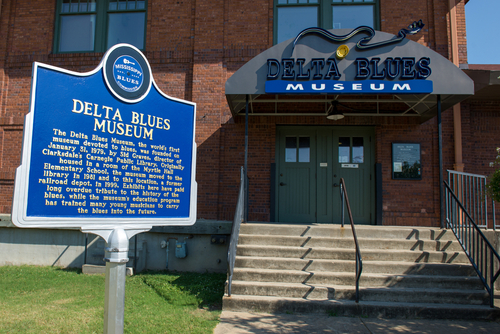
The Delta is often called the birthplace of the Blues. This region’s culture is deeply rooted in the African American experience, centered around the church, civil rights history, and soul food. It remains a profound source of American musical and culinary influence.
The Southwest: Borderlands & Blended Identities
The Southwest is a meeting place of nations, where borders have shifted but cultures have remained.
Southwestern & Chicano Culture
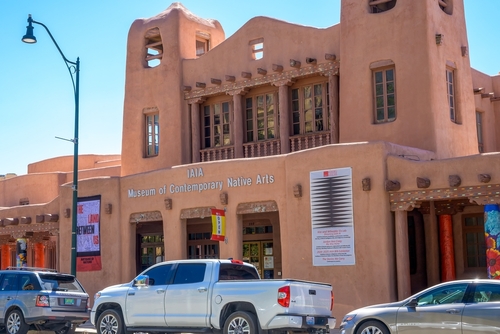
In states like Texas, New Mexico, Arizona, and California, Hispanic heritage is not an import—it has been there for centuries. This region features a blend of Indigenous, Spanish colonial, and Mexican heritage. You see it in the adobe architecture, the widespread use of the Spanish language, and celebrations like Día de los Muertos. The food varies by state, from Tex-Mex to the distinct red and green chile traditions of New Mexico.
Native American Nations of the Southwest
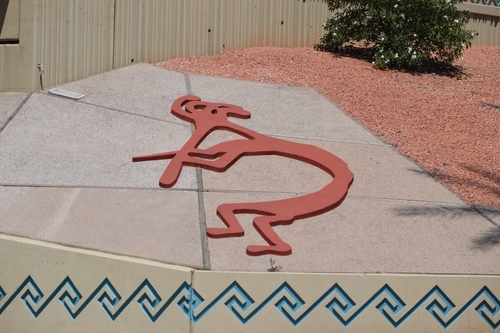
This region is home to some of the largest sovereign tribal nations, including the Navajo (Diné), Hopi, and Pueblo peoples. Their presence is visible and vital, from the continued habitation of ancient pueblos to the vibrant arts scene featuring turquoise jewelry, pottery, and weaving.
Indigenous Cultures Across the US
Native cultures are not just historical footnotes; they are living, evolving communities found in every corner of the country.
Alaska Native Cultures
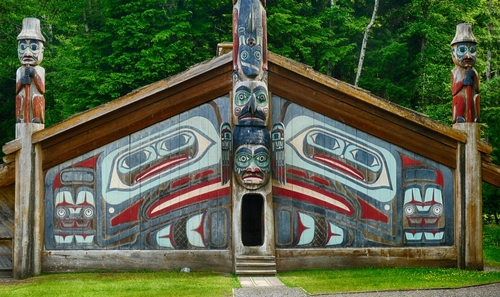
Alaska is home to distinct groups including the Inuit, Yup’ik, Athabaskan, Tlingit, and Haida. In Southeast Alaska, totem pole carving remains a respected art form that records history and lineage. Many communities continue subsistence traditions, relying on fishing and hunting, utilizing deep traditional knowledge to thrive in Arctic environments.
Native Hawaiian Culture
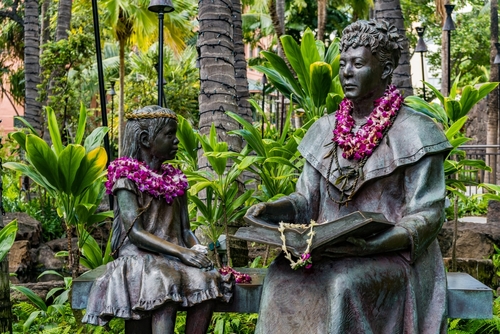
Hawaii is unique as the only state with a royal palace and a majority non-white population. Native Hawaiian culture is Polynesian at its core. The revitalization of the Hawaiian language, the sacred practice of Hula (which preserves history through dance and chant), and the philosophy of Aloha ʻāina (love of the land) are central to life on the islands.
Plains Nations
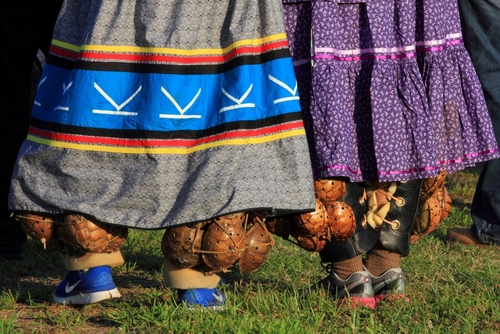
In the Dakotas, Montana, and Oklahoma, nations like the Lakota, Cheyenne, and Comanche maintain strong traditions. The Powwow is a central social gathering, celebrating dance, drum music, and community connection.
The Northeast: Immigration & Urban Identity
The Northeast is defined by density, history, and the constant arrival of new people.
New York City Caribbean & Immigrant Culture
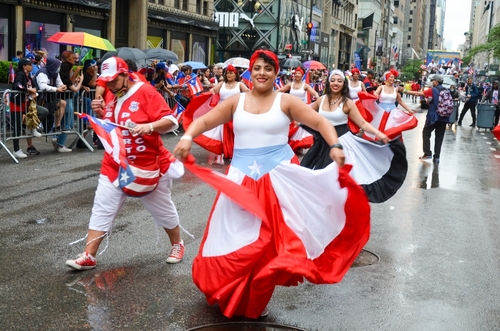
New York City is a global village. Boroughs like Queens are among the most linguistically diverse places on Earth. The influence of Caribbean cultures—Puerto Rican, Dominican, Jamaican, and Haitian—is massive, visible in the bodega culture of daily life and the vibrant West Indian Day Parade.
Italian & Irish American Culture
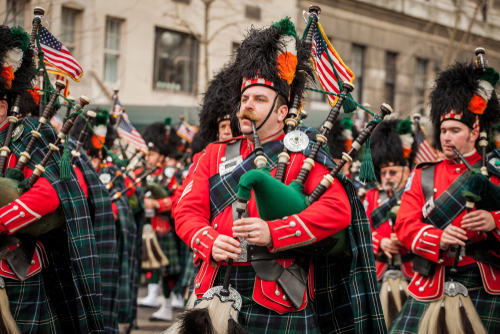
In cities like New York, Boston, and Chicago, European immigration from the 19th and 20th centuries still shapes local identity. Italian American neighborhoods in New York and New Jersey maintain feast day traditions and food culture. Meanwhile, Boston and Chicago have deep Irish American roots, visible in the prominence of St. Patrick’s Day parades and the historical influence of the Catholic church in civic life.
The Midwest: Northern European Heritage
Often called the “Heartland,” the Midwest was heavily settled by Northern Europeans, influencing its religious and social structures.
Scandinavian & German Midwest
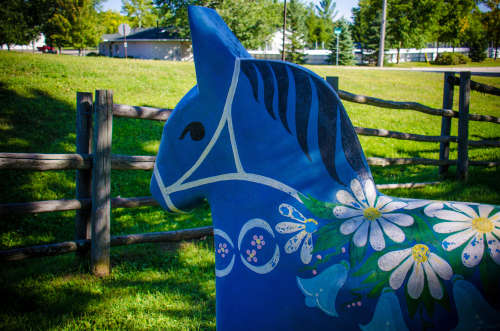
In Minnesota, Wisconsin, and North Dakota, you will find a strong Scandinavian influence (Norwegian and Swedish), visible in Lutheran churches and winter traditions. Further south in Wisconsin and Ohio, German heritage is strong, celebrated through brewing traditions and Oktoberfest festivals.
Amish & Mennonite Communities
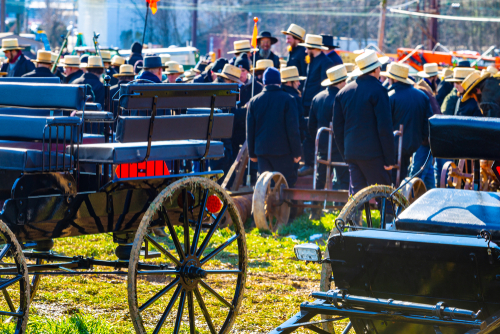
Pennsylvania, Ohio, and Indiana are home to significant Amish and Mennonite populations. These Anabaptist groups are known for “plain dress” and, in the case of the Old Order Amish, living without modern electricity or cars. They are integral parts of the local farming economies and craftsmanship sectors.
The West Coast: Innovation & Cultural Fusion
The West Coast is often associated with the future, defined by innovation and a blend of cultures facing the Pacific.
California Multicultural Identity
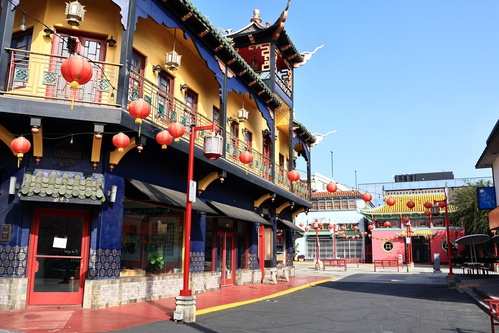
California is a massive cultural engine. It blends Mexican American heritage with significant Asian American communities (Chinese, Filipino, Korean, Vietnamese). It is also the home of Silicon Valley tech culture and the relaxed, outdoor-focused surf culture of Southern California.
Pacific Northwest Culture
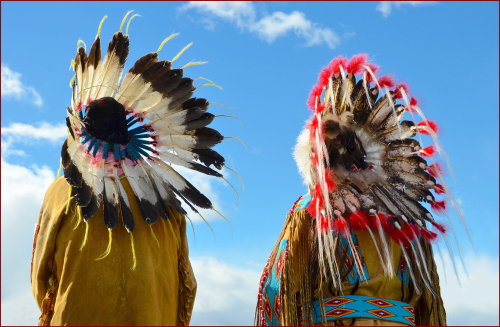
In Washington and Oregon, the culture is shaped by the dramatic environment. There is a strong respect for Indigenous Coast Salish roots, a deep commitment to environmentalism, and a thriving coffee and independent music scene.
Additional Cultural Regions Often Overlooked
To truly understand the U.S., you have to look beyond the biggest headlines.
- Utah & Mormon Culture: The influence of the Church of Jesus Christ of Latter-day Saints shapes the history, architecture, and social structure of Utah and parts of Idaho.
- Florida Cuban American Culture: Miami feels distinct from the rest of the South, serving as a cultural capital for the Cuban diaspora.
- Basque Communities: In the high deserts of Idaho and Nevada, Basque immigrants from Spain and France established a unique sheepherding culture that is still celebrated today.
- Hmong Communities: Minnesota and Wisconsin are home to large Hmong populations who arrived as refugees from Southeast Asia, creating vibrant new community hubs.
How Regional Cultures Continue to Evolve
Culture in the United States is never static. It moves and changes as people do.
Internal migration—Americans moving from the Rust Belt to the Sun Belt, for example—blends traditions in new ways. Intermarriage creates families that hold multiple heritages at once. The internet and media allow regional subcultures (like distinct styles of hip-hop or regional slang) to spread nationally.
Most importantly, food acts as a bridge. Fusion cuisines, like Korean tacos in Los Angeles or Viet-Cajun crawfish in Houston, show how different traditions meet and create something new and uniquely American.
Quick Reference Summary Table
|
Region |
Key States |
Cultural Group |
Key Traits |
|---|---|---|---|
|
The South |
LA |
Creole & Cajun |
French influence, jazz/zydeco, gumbo |
|
Lowcountry |
SC, GA |
Gullah Geechee |
West African roots, sweetgrass baskets |
|
Appalachia |
WV, KY, TN, NC |
Appalachian |
Scots-Irish roots, bluegrass, storytelling |
|
Southwest |
TX, NM, AZ |
Chicano/Native |
Adobe architecture, Spanish language, distinct cuisine |
|
Great Plains |
SD, ND, OK |
Plains Nations |
Powwow traditions, horse culture |
|
Midwest |
MN, WI, ND |
Scandinavian |
Lutheran heritage, winter festivals |
|
Northeast |
NY, MA |
Caribbean/Irish/Italian |
Urban density, immigrant enclaves, parades |
|
West Coast |
CA, WA, OR |
Multicultural/Pacific |
Asian influence, tech culture, environmentalism |
|
Pacific |
HI |
Native Hawaiian |
Polynesian roots, Hula, Aloha ʻāina |
About This Cultural Guide
This guide was created to help you navigate the rich diversity of the United States. We believe that understanding the people around you is the first step toward building a welcoming community. The information here is drawn from historical records, cultural heritage organizations, and the lived experiences of these communities. Our goal is respectful education—we want to move beyond stereotypes to see the real traditions that keep these regions vibrant.
Embracing the Patchwork
The United States is culturally layered, not uniform. When you look closely, you see that regional identity matters deeply to the people who live here. Whether it is the pride of a Texan, the resilience of a New Yorker, or the heritage of a Native Hawaiian, these differences are what make the country interesting.
As you travel or settle into a new home, we encourage you to learn about the local history. Visit small museums, eat at locally-owned restaurants, and ask questions respectfully. Recognizing and respecting these living traditions is the best way to feel at home in America.