
Moving to or visiting a new country brings excitement, opportunity, and inevitable surprises. Even if you speak fluent English, the United States has unique cultural norms that can feel unfamiliar at first. These aren’t major legal differences or political debates—they’re the small, everyday behaviors that shape daily interactions.
Understanding these unwritten rules helps you navigate social situations with confidence. From casual conversations at coffee shops to understanding when to call 911, this guide covers the cultural expectations that often catch international visitors off guard.
Whether you’re a student, professional, or recent arrival, knowing what to expect makes adapting easier and less stressful.
Small Talk Is Everywhere (And It’s Not Always Deep)

Americans frequently engage in brief, friendly conversations with people they don’t know well. This can feel surprising if you come from a culture where conversations are typically reserved for friends and family.
Casual Conversations with Strangers
Cashiers, rideshare drivers, and baristas may ask questions like:
- “How’s your day going?”
- “Any fun plans this weekend?”
- “Where are you from?”
These questions are meant to be friendly, not intrusive. They don’t expect detailed answers or deep personal disclosure.
“How Are You?” Isn’t a Medical Question
When someone asks “How are you?” it’s usually a greeting, not a literal request for information about your health or emotional state. A simple “Good, thanks! How about you?” is the expected response.
Silence Can Feel Uncomfortable
Many Americans fill quiet moments with light conversation. This tendency to chat isn’t meant to pry—it’s simply a cultural preference for avoiding awkward silence.
How to Respond Comfortably
Keep responses short and polite. You’re not required to share personal details or match someone’s conversational energy. A friendly smile and brief acknowledgment is perfectly acceptable.
Queueing (Lining Up) Is Taken Seriously
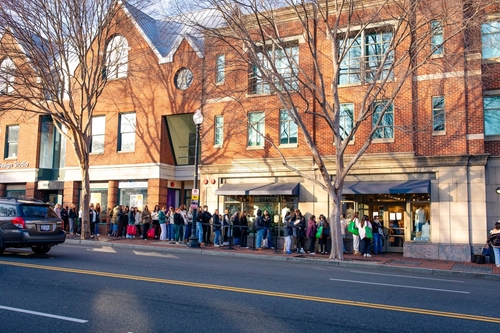
Americans place strong importance on waiting in line fairly. Queue etiquette is a matter of basic respect.
Clear Line Etiquette
Lines follow a strict “first come, first served” order. Cutting in line—even unintentionally—is considered rude and may lead to confrontation.
Informal Lines Still Have Structure
Even without physical barriers or numbered tickets, people mentally track the order. In busy spaces like coffee shops or food trucks, you might hear someone ask “Who’s last?” to determine where they belong in line.
Personal Accountability
Saving spots for large groups is generally discouraged. If you need to hold a place for one other person briefly, it’s polite to mention it to those behind you.
Why It Matters
Respecting queue order shows consideration for others’ time. Fairness in waiting is a strong cultural value.
Personal Space Norms Are Wider Than in Many Countries
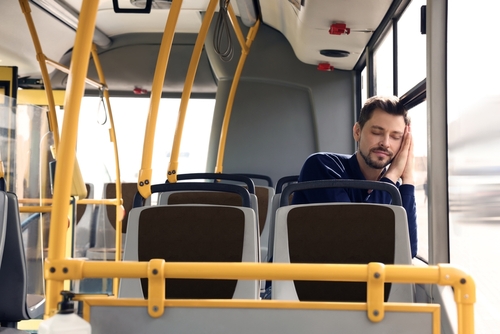
Americans tend to prefer more physical distance during conversations and interactions compared to people from many other cultures.
Physical Distance in Conversation
Standing too close to someone may make them uncomfortable. A comfortable distance for casual conversation is roughly an arm’s length apart.
Limited Physical Contact
Hugs are typically reserved for friends and family. Kissing cheeks as a greeting is uncommon in most U.S. regions, though you may encounter it in some urban or culturally diverse areas.
Handshakes are the standard greeting in professional settings.
Eye Contact
Moderate eye contact is seen as a sign of confidence and attentiveness. Avoiding eye contact may be misinterpreted as disinterest or dishonesty, even though this varies widely across cultures.
Regional Variations
Communication styles differ across the country. People in the Northeast tend to be more direct, while those in the South may use more polite formalities. West Coast interactions often feel more casual and relaxed.
ID Checks for Alcohol Surprise Many Visitors
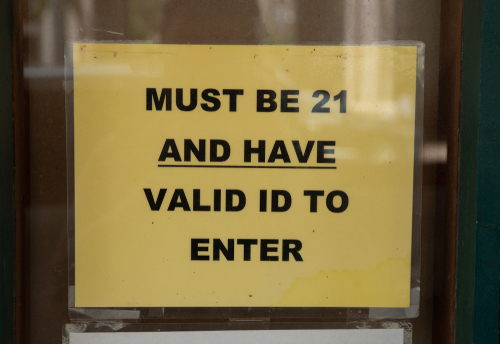
The United States has one of the highest legal drinking ages in the world, and enforcement is strict.
Strict 21+ Drinking Age
The 1984 National Minimum Drinking Age Act requires states to prohibit the purchase or public possession of alcohol by anyone under 21 years of age. This applies to all types of alcoholic beverages, including beer, wine, and spirits.
ID Checks Happen Frequently
Retailers may ask for identification from anyone who appears under 40 years old. Some stores have policies to check everyone’s ID, regardless of apparent age. If you don’t have acceptable identification, you will not be able to purchase alcohol—even if you’re clearly older than 21.
Accepted Forms of ID
For international visitors, a passport is the most reliable form of identification. Foreign driver’s licenses may not always be accepted, as policies vary by state and establishment.
Why Enforcement Is Strict
Businesses face heavy fines and potential license revocation for selling alcohol to minors. This makes retailers extremely cautious about checking IDs.
The 911 Emergency System
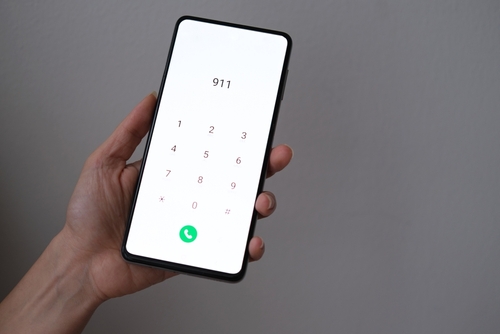
The United States uses 911 as a universal emergency number for immediate, life-threatening situations.
When to Call 911
Call 911 for:
- Medical emergencies
- Fires
- Crimes in progress
- Any immediate threat to life or property
Dispatchers will ask for your location first, then your phone number, and the nature of the emergency.
What Happens When You Call
The dispatcher will ask direct questions to understand your situation and send appropriate help. The first question is always: “911, where is your emergency?” Knowing your location is the most important information you can provide.
Help is dispatched while you’re still on the line answering questions—there is no delay.
No Cost to Call
Calling 911 is free. However, emergency medical services may result in billing later for ambulance transport or hospital care.
What Not to Use It For
For non-emergency issues—such as noise complaints, minor traffic accidents without injuries, or general questions—use your local non-emergency police number instead. Many cities have a dedicated non-emergency line (for example, Raleigh uses 919-829-1911).
Customer Service Friendliness Can Feel Intense

American customer service often involves enthusiastic greetings and frequent check-ins that may feel overly familiar to international visitors.
Enthusiastic Greetings
Store employees and restaurant servers may greet you with:
- “Hi! Welcome in!”
- “My name’s Sarah, I’ll be taking care of you today!”
This warmth is standard practice, not necessarily a sign of personal interest.
Tipping Culture Connection
Service friendliness is often tied to tipping expectations. Restaurant servers, for example, earn a base wage that assumes tips will make up a significant portion of their income.
Frequent Check-Ins at Restaurants
Don’t be surprised if your server asks “How’s everything tasting?” multiple times during your meal. This isn’t meant to rush you—it’s simply the expected service style.
You’re Not Obligated to Match Energy
A polite acknowledgment is enough. You don’t need to reciprocate the same level of enthusiasm.
Tipping Expectations (Often Confusing for Visitors)
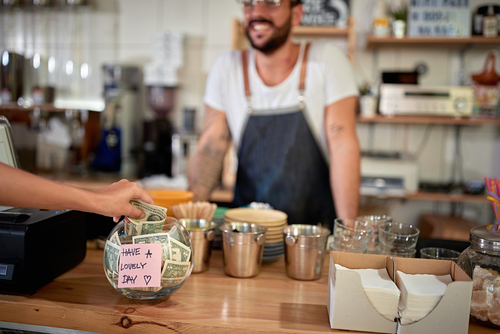
Tipping culture in the U.S. can be confusing because it’s deeply embedded in how certain workers are paid.
The Legal Context
Under the Fair Labor Standards Act, employers can pay tipped employees a direct cash wage as low as $2.13 per hour, as long as the employee’s tips bring their total earnings up to at least the federal minimum wage of $7.25 per hour. If tips don’t meet that threshold, employers must make up the difference.
This system means many service workers rely heavily on tips to earn a living wage.
Where Tipping Is Standard
- Restaurants: 15–20% of the bill before tax
- Bars: $1–2 per drink or 15–20% of the tab
- Rideshare drivers: 10–20%
- Haircuts: 15–20%
- Hotel services: $1–2 per bag for bellhops; $2–5 per night for housekeeping
Where Tipping Is Not Expected
- Fast food restaurants
- Retail stores
- Gas stations
Digital Payment Screens
Many payment terminals now prompt for tips, even in settings where tipping wasn’t traditionally expected. These prompts are optional—you can select “no tip” or a custom amount.
Why It Matters
Not tipping in restaurants or for personal services may be seen as a serious breach of etiquette, since workers’ wages often depend on it.
Direct Communication Style (But With Politeness Layers)

Americans generally value clear, straightforward communication, though they often soften directness with polite phrasing.
Americans Value Clarity
Direct requests are common and expected:
- “Can you send that by Friday?”
- “I need this updated before the meeting.”
This clarity is not considered rude—it’s seen as efficient and respectful of everyone’s time.
Polite Framing
Even when making direct requests, Americans often use softening phrases like:
- “Would you mind…”
- “Could you please…”
- “When you get a chance…”
Conflict Avoidance
Many Americans avoid direct criticism. If someone says your idea is “interesting,” it doesn’t always mean they’re enthusiastic—it may be a polite way of expressing doubt.
Time Is Treated Seriously
Punctuality and time management are important cultural values.
Punctuality Expectations
Being 5–10 minutes late to a meeting or appointment may require a quick message or apology. For business settings, arriving on time is essential.
Social gatherings have more flexibility, but it’s still polite to notify the host if you’ll be significantly late.
RSVP Culture
Invitations often request confirmation of attendance. Hosts expect a clear “yes” or “no” so they can plan accordingly. Not responding is considered inconsiderate.
Common Misinterpretations to Avoid
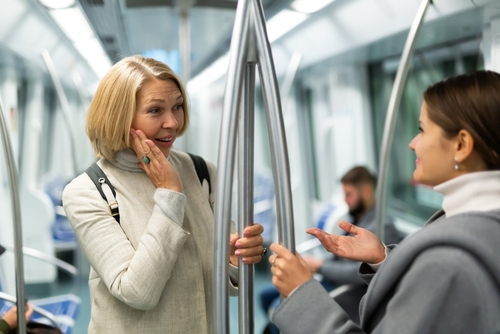
Understanding what behaviors don’t mean can prevent awkward misunderstandings:
- Friendliness ≠ deep friendship: Americans may be warm and welcoming without intending to form close personal relationships.
- Smiling ≠ romantic interest: Smiling at strangers is common courtesy, not flirtation.
- Directness ≠ rudeness: Clear communication is valued and not meant to offend.
- Personal space ≠ coldness: Preferring physical distance doesn’t mean someone is unfriendly.
- ID checks ≠ suspicion: Being asked for identification is standard practice, not a personal judgment.
How to Adapt Without Losing Your Identity
Adapting to a new culture doesn’t mean abandoning your own. Here’s how to navigate these norms comfortably:
Observe First
Watch how others behave in different settings. Pay attention to conversational distance, tone, and response patterns.
Mirror Tone and Distance
Match the level of formality or casualness you observe. If someone steps back slightly during conversation, respect that boundary.
Ask Questions When Unsure
Most Americans understand that cultural norms vary and won’t be offended by polite questions. Phrases like “What’s the usual custom here?” show respect and curiosity.
Mistakes Are Rarely Catastrophic
Small missteps—like standing too close or misunderstanding a greeting—are normal when adjusting to a new culture. Most people will understand and won’t hold it against you.
Frequently Asked Questions (FAQs)
What should I do if someone asks “How are you?” but I don’t feel like talking?
A simple “Good, thanks!” or “Fine, thanks—and you?” is perfectly acceptable. You’re not expected to share details about your day.
Is it rude not to tip at a coffee shop?
Tipping at coffee shops is appreciated but not as essential as tipping at full-service restaurants. Many people leave small tips (10–15% or loose change), but it’s not mandatory.
How do I politely decline small talk?
You can keep responses brief and polite without encouraging further conversation. A friendly “I’m good, thanks” followed by returning to your activity (reading, looking at your phone) signals you’re not interested in chatting.
What happens if I call 911 by accident?
Stay on the line and explain it was a mistake. If you hang up, the dispatcher may call back or send an officer to check on you.
Can I use a foreign driver’s license as ID to buy alcohol?
It depends on the state and the establishment. A passport is the most universally accepted form of ID for international visitors.
Are there regions where personal space norms are different?
Yes. Urban areas tend to have smaller personal space bubbles due to crowding, while rural areas may have wider norms. Cultural diversity in cities also brings more variation.
Is it okay to ask someone about their cultural background?
It depends on context and relationship. In casual small talk, asking “Where are you from?” is common, but be mindful that this question can feel tiresome or othering to people who were born in the U.S. but don’t appear “typically American.”
How much should I tip for delivery?
For food delivery, 15–20% is standard. For package delivery (like UPS or FedEx), tipping isn’t expected.
Final Thoughts: Curiosity Goes a Long Way
Cultural norms are learned behaviors, not universal truths. What feels natural in one country may seem strange in another—and that’s completely normal.
Understanding these expectations doesn’t mean you have to change who you are. It simply gives you the tools to navigate daily interactions with less stress and more confidence.
The United States is culturally diverse, with significant regional and community differences. What’s true in New York may not apply in Texas, and what’s expected in a small town may differ from big-city norms.
Approach new situations with curiosity and openness. Most Americans appreciate when visitors make an effort to understand local customs, and they’re generally forgiving of cultural differences.
The more you observe, ask questions, and practice, the easier it becomes to move through daily life confidently—while staying true to yourself.