
Understanding the rhythm of the seasons connects us to the natural world in a way few other things can. For centuries, people in Ireland, Scotland, and the Isle of Man have marked the passing of time not just with clocks, but with festivals that celebrate the turning of the earth. These celebrations, deeply rooted in the agricultural history of the Ancient Celts, honor the cycle of life, death, and rebirth.
If you are looking to reconnect with your heritage or simply wish to understand these ancient rhythms, the Celtic festival calendar provides a structured path. Known as the Wheel of the Year, this cycle divides the year into eight distinct festivals. While four of these—the fire festivals—are distinctly Gaelic in origin, modern observances often include solar events like solstices and equinoxes as well.
This guide provides a comprehensive look at the Celtic holidays for 2026. We will outline the exact dates for the Northern Hemisphere, explore the history behind these traditions, and offer simple ways you can observe them today. Whether you follow a specific spiritual path like Druidry or Neopaganism, or just appreciate cultural history, this calendar will help you mark the year with intention.
The Celtic Wheel of the Year Explained
The concept of the Wheel of the Year helps visualize the annual cycle of seasonal festivals. It is a modern framework used by many Pagans and cultural practitioners to organize the major holidays. However, its roots go back thousands of years to the agricultural societies of Gaelic Ireland and Scotland.
For the Ancient Celts, survival depended on understanding the seasons. They needed to know when to plant, when to harvest, and when to bring cattle down from summer pastures. The festivals served as crucial markers for these agricultural transitions.
It is helpful to distinguish between the two types of festivals found on the modern Wheel:
- Fire Festivals: These are the four major Gaelic festivals (Samhain, Imbolc, Beltane, Lughnasadh). They are historically significant in Irish and Scottish culture and traditionally mark the midpoint between a solstice and an equinox.
- Solar Festivals: These mark the astronomical points of the year—the solstices and equinoxes. While ancient sites like Newgrange in Ireland prove the Celts tracked the sun, the specific religious observance of these days as “holidays” is more common in modern Druidry and Neopaganism than in ancient folk practice.
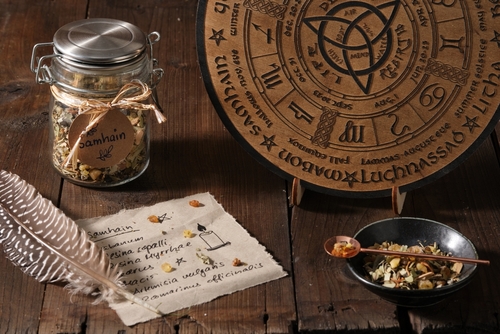
Major Celtic Holidays in 2026 (Fire Festivals)
The four main festivals, often called the Quarter Days, form the pillars of the Celtic year. Below are the dates and meanings for 2026.
Imbolc — February 1, 2026
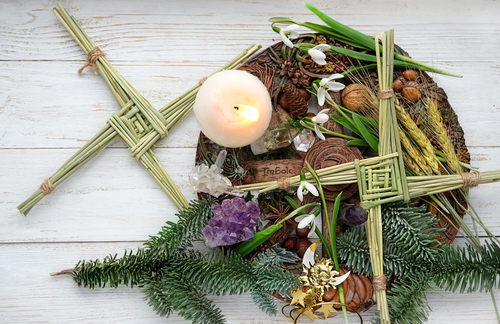
Imbolc marks the first stirrings of spring. While the ground may still be frozen, Imbolc celebrates the return of the light and the promise of new life. It is traditionally associated with the goddess Brigid, a deity of poetry, healing, and smithcraft. In the Christian tradition, this evolved into St. Brigid’s Day.
Themes: Purification, fertility, and hope.
Traditions: Making Brigid’s crosses out of rushes or straw is a classic custom. Historically, people would also perform hearth rituals, cleaning the home to welcome Brigid and ensuring the fire burned bright to encourage the returning sun.
Beltane — May 1, 2026
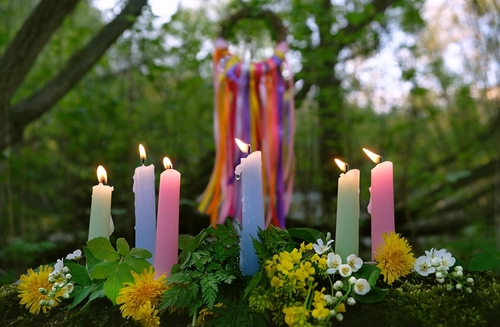
Beltane is the fire festival that heralds the arrival of summer. It is the counter-balance to Samhain and is a time of explosive energy, growth, and passion. In ancient times, cattle were driven between two bonfires to protect them from disease before they were moved to summer pastures.
Themes: Fire, protection, and fertility.
Traditions: Lighting bonfires remains a core part of Beltane celebrations. The Maypole, often associated with English folk traditions, is also common in modern Beltane festivities to represent the union of earth and sky. Major cultural events, like the Beltane Fire Festival in Edinburgh, keep these customs alive with dramatic performances.
Lughnasadh (Lammas) — August 1, 2026
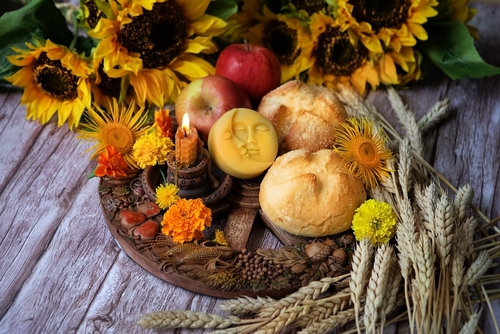
Lughnasadh is the first harvest festival of the year. Named after the god Lugh, a master of skills and crafts, this holiday celebrates the first cutting of the grain. It was a time for community gatherings, trading, and games.
Themes: Harvest, gratitude, and skill.
Traditions: Baking bread from the first harvested grain is a central tradition. In the past, communities held large fairs and athletic competitions to honor Lugh’s foster mother, Tailtiu, who was said to have died of exhaustion after clearing the plains for agriculture.
Samhain — October 31, 2026
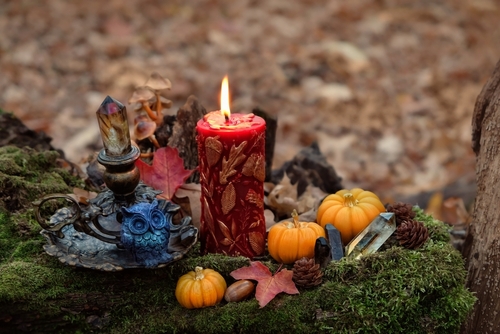
Samhain is widely considered the most significant festival, marking the Celtic New Year. It signals the end of the harvest and the beginning of winter, or the “dark half” of the year. It is a liminal time when the veil between the world of the living and the dead is believed to be thinnest.
Themes: Ancestors, death, and introspection.
Traditions: Ancestor veneration is key. People set places at the dinner table for departed loved ones. Bonfires were lit to guide spirits and ward off malevolent forces. Many modern Halloween traditions, such as carving turnips (or pumpkins) and dressing in disguise, stem directly from Samhain customs intended to confuse wandering spirits.
Solar Festivals Observed by Many Modern Celtic Practitioners
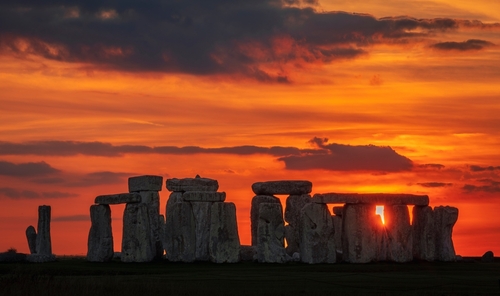
While the four festivals above are the primary Gaelic holidays, many people following a nature-based spiritual path also observe the solar points. Here are the astronomical dates for 2026.
- Spring Equinox (Ostara) — March 20, 2026: A time of balance when day and night are equal, signaling the full arrival of spring.
- Summer Solstice (Litha) — June 21, 2026: The longest day of the year, celebrating the power of the sun at its peak.
- Autumn Equinox (Mabon) — September 22, 2026: The second harvest and another point of balance, where focus shifts to winding down for winter.
- Winter Solstice (Yule) — December 21, 2026: The shortest day of the year, celebrating the rebirth of the sun even in the depth of winter.
Note: Astronomical dates can shift slightly depending on your exact time zone. The dates listed here are standard for the Northern Hemisphere.
How Celtic Holidays Were Celebrated Historically
Our knowledge of these ancient practices comes from a mix of archaeological evidence and medieval Irish texts. Manuscripts like the Tochmarc Emire (The Wooing of Emer) and Lebor Gabála Érenn (The Book of Invasions) provide glimpses into how early Irish society functioned.
Historically, these were communal events led by druids and chieftains. They were not just religious ceremonies but essential social gatherings. Tribes would meet to settle legal disputes, arrange marriages, and trade goods. The spiritual aspect was intertwined with the practical; rituals were performed to ensure the food supply remained stable and the community stayed healthy.
How Celtic Traditions Are Celebrated Today
Today, the celebration of Celtic holidays varies widely. In Ireland and Scotland, many traditions have been absorbed into secular or Christian culture—like the St. Brigid’s Day cross or Halloween festivities.
For modern Druid groups and Neopagan communities, these dates are serious spiritual observances. Groups may gather at dawn at sacred sites to watch the sunrise or hold private ceremonies in their homes. Cultural festivals also play a huge role. Cities across the world host Celtic heritage events, focusing on music, dance, and food, keeping the spirit of the culture alive even if the religious context has changed.
There is often a difference between reconstructionist approaches, which aim to replicate historical practices based on scholarly research, and eclectic practices, which blend Celtic traditions with other nature-based beliefs. Both are valid ways to engage with the culture.
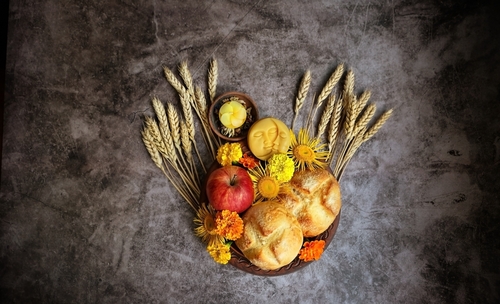
How to Celebrate Celtic Holidays in 2026
You do not need to be a history expert to observe these holidays. Here are simple, respectful ways to mark the dates in 2026:
- Seasonal Foods: Cook with ingredients that are in season. Bake bread for Lughnasadh, use dairy and butter dishes for Imbolc, or roast root vegetables for Samhain.
- Nature Connection: Take a walk on the day of the festival. Observe the changes in the trees, the light, and the air. Connecting with the land is the most authentic way to honor these traditions.
- Home Rituals: A simple candle lighting can mark the transition. Light a white candle for Imbolc to represent the return of the sun, or a bonfire (if safe and legal) for Beltane.
- Family Activities: Crafts are a great way to involve children. Making masks for Samhain or weaving flower crowns for Beltane teaches the next generation about the cycle of the year.
Frequently Asked Questions About Celtic Holidays
What are the 4 main Celtic holidays?
The four main holidays, known as the Fire Festivals or Quarter Days, are Imbolc (February 1), Beltane (May 1), Lughnasadh (August 1), and Samhain (October 31).
Is Samhain the Celtic New Year?
Yes, historically Samhain was considered the beginning of the new year. It marked the end of the harvest and the start of the winter season, which the Celts viewed as the beginning of the annual cycle.
Are Celtic holidays the same as Pagan holidays?
There is significant overlap. The Celtic holidays form the basis of the modern Pagan “Wheel of the Year.” However, modern Paganism often adds the four solar festivals (Solstices and Equinoxes) to the four Gaelic fire festivals.
What is the difference between Gaelic and Wiccan celebrations?
Gaelic celebrations are specific to the culture and history of Ireland, Scotland, and the Isle of Man. Wiccan celebrations are part of a modern religious movement that incorporates these Gaelic festivals alongside other European traditions.
Do Celtic holidays follow the moon or the sun?
Ancient Celtic calendars, like the Coligny calendar, were lunisolar—meaning they tracked both moon phases and the solar year. While we fix the dates to the modern Gregorian calendar (e.g., May 1st), some traditionalists still time their celebrations to the nearest full or new moon.
Are Celtic holidays still celebrated in Ireland today?
Absolutely. St. Brigid’s Day (Imbolc) is a public holiday in Ireland. Halloween (Samhain) is celebrated massively with fireworks and bonfires. May Day (Beltane) is also widely recognized as the start of summer.
Key Takeaways About Celtic Holidays in 2026
The Celtic holidays offer a meaningful framework for the year ahead.
- Imbolc (Feb 1) brings hope and renewal.
- Beltane (May 1) celebrates life and fire.
- Lughnasadh (Aug 1) gives thanks for the harvest.
- Samhain (Oct 31) honors our ancestors and the new year.
Marking these dates in your 2026 calendar helps ground you in the natural rhythm of the seasons. We encourage you to explore these traditions respectfully and find the practices that resonate with you.