
April 27 holds a special place in the hearts of Togolese people around the world. It marks the day the West African nation officially gained its freedom. In 2026, the country will celebrate its 66th anniversary of independence. This milestone offers a time to reflect on the past, honor national heroes, and look toward a bright future.
For the Togolese diaspora, this holiday represents a powerful connection to home. People gather to share meals, tell stories, and celebrate their rich cultural heritage. Even from thousands of miles away, the spirit of unity remains strong. Staying connected with family and friends during this time brings communities closer together.
Understanding the history and traditions of this day helps preserve the culture for future generations. We will explore how Togo achieved its independence, the ways people celebrate today, and how you can participate in the festivities from anywhere in the world.
The History Behind Togo’s Freedom
Togo’s path to independence required decades of resilience. The nation navigated a complex colonial history before finally claiming its sovereignty.
A shift in colonial powers
Before becoming an independent republic, Togo experienced significant political changes. In the late 19th century, Germany claimed the region as a protectorate known as Togoland. Following World War I, the League of Nations divided the territory between France and Great Britain. The eastern portion, administered by France, eventually became modern-day Togo.
The people of Togo maintained a strong desire for self-governance. Following World War II, political movements gained momentum. Citizens organized and demanded the right to control their own destiny.
Sylvanus Olympio and a new nation
Sylvanus Olympio emerged as a central figure in the fight for freedom. As the leader of the Committee of Togolese Unity (CUT), he championed the cause for a sovereign state. His peaceful campaigns and diplomatic efforts resonated with the population.
In 1958, French Togoland held democratic elections. Olympio’s party won a decisive victory. This paved the way for the official declaration of independence on April 27, 1960. Sylvanus Olympio became the first President of the Togolese Republic. His leadership marked the beginning of a new era of hope and national pride.
How Togo Celebrates on April 27
Togo Independence Day is a vibrant and joyous occasion. Across the country, citizens participate in events that highlight their shared identity and patriotism.
Parades and official ceremonies
The capital city, Lomé, hosts the largest official celebrations. The President of Togo traditionally delivers a national address. Military parades march through the streets, showcasing discipline and national strength. Government officials, international dignitaries, and everyday citizens gather to watch the displays.
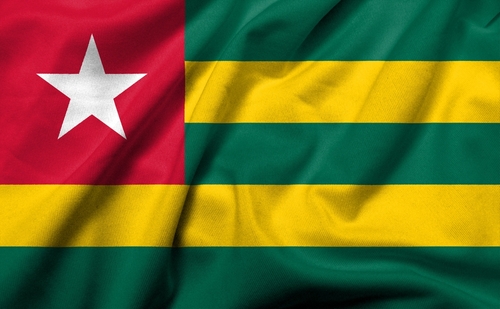
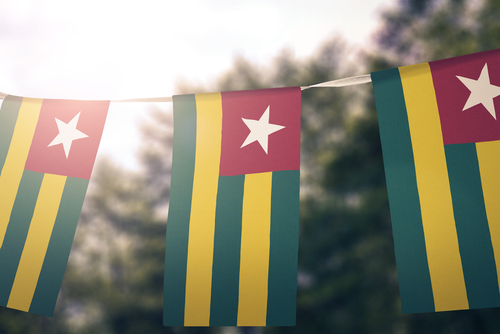
Music and dance fill the public squares. Traditional drumming groups perform, representing the diverse ethnic groups within the country. The green, yellow, red, and white colors of the Togolese flag are visible everywhere.
Family gatherings and traditional food
Beyond the official ceremonies, April 27 is a day for family. Relatives travel to be together and share festive meals. Food plays a central role in the celebrations.
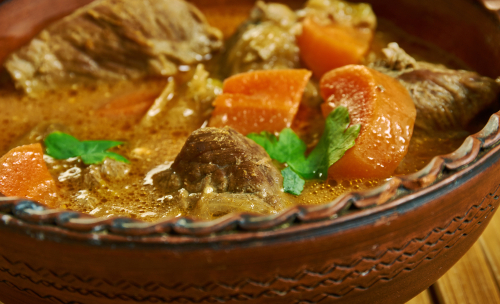
Families prepare large pots of fufu, a staple dish made from pounded yams or cassava. They serve it alongside rich, flavorful sauces like groundnut soup or palm nut soup. Grilled meats and fresh vegetables complete the feast. Sharing these meals strengthens family bonds and keeps culinary traditions alive.
Frequently Asked Questions (FAQ)
What date is Togo Independence Day?
Togo celebrates its Independence Day every year on April 27.
From which country did Togo gain independence?
Togo gained its independence from France in 1960. Prior to French rule, the territory was a German protectorate.
How old will Togo be in 2026?
On April 27, 2026, Togo will celebrate 66 years of independence.
What are the colors of the Togo flag?
The Togo flag features five horizontal stripes of green and yellow. It has a red square in the top left corner containing a white five-pointed star. The green represents agriculture and hope, the yellow stands for mineral wealth, the red symbolizes the blood shed for independence, and the white star represents peace and light.
Keeping the Togolese Spirit Alive
Togo Independence Day is a powerful reminder of the nation’s strength and unity. As the 2026 celebrations approach, citizens around the globe will prepare to honor their heritage.