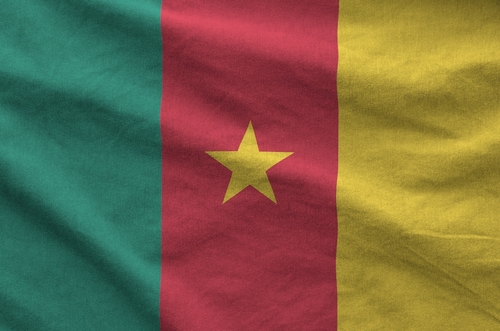

Every year on May 20, the streets of Cameroon come alive with vibrant parades, traditional music, and a profound sense of national pride. Cameroon National Day is one of the most important public holidays in the country. It serves as a powerful reminder of the nation’s journey toward unity and its incredibly diverse cultural heritage.
Many people assume this holiday marks the country’s independence. However, the true meaning of the day runs much deeper. While Cameroon gained its initial independence in 1960 and 1961, May 20 specifically celebrates the consolidation of the country into a single, unified state. It honors the deliberate choice of the Cameroonian people to bridge linguistic and cultural divides.
Understanding this holiday requires a look at the country’s unique past. Cameroon is often called “Africa in miniature” because of its geographical and cultural diversity. The nation is home to over 200 ethnic groups, as well as a distinct blend of Francophone and Anglophone regions. National Day highlights this rich tapestry of identities coming together under one flag.
By exploring the history and modern celebrations of Cameroon National Day, you will gain a clearer picture of what makes this nation so unique. This guide covers everything from the historical events that shaped the holiday to the ways people will celebrate it in 2026.
When Is Cameroon National Day 2026?
Cameroon National Day will take place on Wednesday, May 20, 2026. The holiday is observed annually on this exact date. It is a major nationwide public holiday, meaning schools, government offices, and most businesses close so citizens can participate in the festivities.
What Does National Day Commemorate?
National Day commemorates the historic national referendum held on May 20, 1972. Before this date, Cameroon operated under a federal system. The country was divided into two distinct states based on its colonial history: one French-speaking and one English-speaking.
During the 1972 referendum, citizens voted to dissolve this federal structure. They chose to transition the country into a unitary state. This pivotal vote led to the creation of the United Republic of Cameroon. Because of this, May 20 is a celebration of national cohesion. It highlights why unity became a central, driving value for the country’s future.
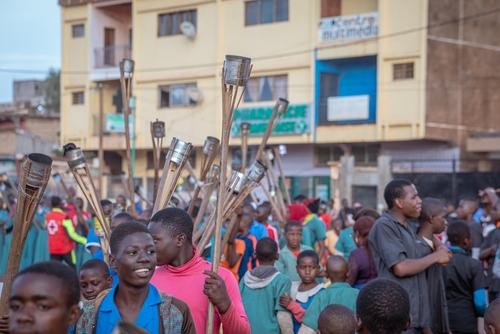
The Historical Background of Cameroon
To fully appreciate National Day, you need to understand the complex journey Cameroon took to achieve statehood. The country’s history is shaped by multiple colonial powers and a strong desire for self-determination.
Colonial Legacy
Cameroon’s colonial history is uniquely complicated. Germany initially colonized the region in the late 19th century. Following World War I, the League of Nations stripped Germany of its territories. The region was then divided into two separate mandates. France administered the larger eastern portion, while the United Kingdom administered the smaller western portion bordering Nigeria.
The Path to Independence
The journey to independence occurred in stages. French Cameroon achieved independence first, becoming the Republic of Cameroon on January 1, 1960. The British-administered region, known as Southern Cameroons, faced a different path. In a 1961 plebiscite, the people of Southern Cameroons voted to join the newly independent Republic of Cameroon rather than integrating with Nigeria.
From Federation to Unity
When the two regions united in 1961, they formed the Federal Republic of Cameroon. This system allowed both regions to maintain some of their distinct administrative and legal frameworks. Over the next decade, leaders sought to centralize the government to foster a stronger national identity. This effort culminated in the May 20, 1972 referendum, officially transforming the federation into a unified state.
Why National Day Matters
Cameroon National Day is much more than a historical anniversary. It is a vital symbol of national cohesion. The country encompasses a vast array of languages, traditions, and geographic landscapes. Maintaining unity across such profound diversity requires constant effort and reflection.
The holiday reflects Cameroon’s identity as a diverse but unified people. It provides a dedicated time for citizens to celebrate their shared values and history. Acknowledging this day helps reinforce the bonds that hold the nation together.
How Cameroon Celebrates National Day
The government and local communities organize extensive celebrations to mark the occasion. The day is filled with events that showcase the strength and spirit of the Cameroonian people.
Grand Parades
Large-scale parades are the centerpiece of the holiday. In the capital city of Yaoundé, the President oversees a massive military and civilian parade at the 20th of May Boulevard. Similar parades happen in regional capitals and smaller towns across the country. Military personnel, police forces, youth groups, schools, and political organizations march together to demonstrate national strength and solidarity.
Presidential Address
The President of Cameroon traditionally delivers a televised national address. This speech reflects on the country’s progress, honors the sacrifices of past generations, and addresses ongoing national challenges. It sets the tone for the day’s events and reinforces the government’s commitment to peace.
Cultural Performances
Music and dance are essential elements of the celebration. Cultural groups from various regions perform traditional dances, displaying the country’s rich artistic heritage. These performances highlight the distinct rhythms, instruments, and storytelling traditions of different ethnic groups.
Community Celebrations
Beyond the official parades, local communities host their own gatherings. Families and friends come together to share traditional meals, such as ndolé, achu, or eru. Street parties and local sports matches add to the festive atmosphere.
Showcasing Cultural Diversity
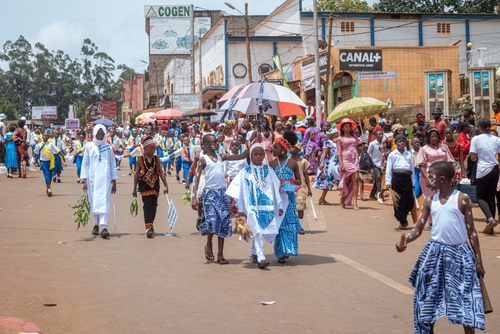
Cameroon’s incredible cultural diversity is fully on display during National Day. With over 200 distinct ethnic groups, the country is a vibrant mix of traditions. The blend of Francophone and Anglophone influences adds another layer of uniqueness to the culture.
During the parades and community events, you will see people wearing highly detailed traditional clothing. Fabrics like the brightly colored Toghu from the Bamenda region are worn with immense pride. Traditional music, featuring instruments like the balafon and various local drums, creates an energetic backdrop for the festivities.
National Day in Modern Cameroon
Today, National Day is a moment of deep pride, but it also serves as a time for reflection. Modern Cameroon continues to navigate complex conversations about national identity and political inclusion. The holiday provides an opportunity to acknowledge these ongoing discussions while celebrating the foundational goal of unity.
Younger generations are increasingly engaging with the holiday in new ways. Many use social media to share their cultural heritage, discuss the meaning of unity, and connect with the global Cameroonian diaspora.
How to Engage with Cameroon’s National Day
You do not have to be in Cameroon to appreciate and participate in the spirit of National Day. Here are a few practical and respectful ways to engage with the holiday from anywhere in the world.
Learn the History
Take the time to understand Cameroon’s unique colonial and postcolonial journey. Reading books or watching documentaries about the country’s path to independence and unification provides valuable context.
Explore the Culture
Experience Cameroonian culture through its food and music. Try cooking a traditional recipe at home, or listen to genres like Makossa and Bikutsi. Exploring the arts is a wonderful way to connect with the nation’s spirit.
Support Cameroonian Voices
Follow Cameroonian creators, writers, and cultural organizations online. Supporting businesses owned by the Cameroonian diaspora helps uplift the community and spread awareness of their rich heritage.
Frequently Asked Questions
Why is it called National Day instead of Independence Day?
National Day specifically commemorates the 1972 referendum that united the country into a single state. Independence was achieved earlier, in 1960 and 1961, by the separate French and British territories. May 20 focuses on the decision to unify rather than the initial break from colonial rule.
How is it different from January 1?
January 1 marks the date in 1960 when the French-administered region of Cameroon officially gained independence. While this is an important historical milestone, May 20 is celebrated as the primary national holiday because it represents the unification of the entire country.
What makes Cameroon’s history unique?
Cameroon is unique because it was colonized by three different European powers (Germany, France, and the UK) at different times. The process of reuniting the French and British territories into a single, bilingual nation created a complex political and cultural landscape rarely seen elsewhere in Africa.
The Ongoing Journey of National Unity
Cameroon National Day is both a joyous celebration and a vital reminder of the country’s history. The events of May 20, 1972, fundamentally shaped the modern state of Cameroon. By honoring this day, citizens reaffirm their commitment to living together peacefully despite their differences.
Unity in a highly diverse society is always an ongoing journey. It requires active participation, mutual respect, and a willingness to understand different perspectives. As Cameroon National Day 2026 approaches, take a moment to appreciate the resilience and rich cultural fabric of this remarkable nation. Consider exploring more about Cameroonian history or trying a local dish to celebrate the spirit of “Africa in miniature” in your own home.