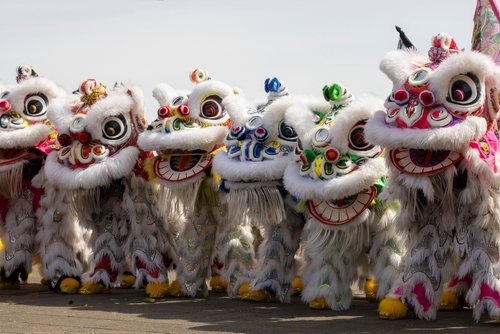

Every May, the United States recognizes Asian American and Pacific Islander (AAPI) Heritage Month. This dedicated time serves as a powerful reminder of the deep cultural roots, historical milestones, and ongoing contributions of AAPI individuals. These communities have shaped the nation through incredible resilience and innovation.
The AAPI umbrella covers a vast array of cultures, languages, and histories. It includes people with heritage from East Asia, Southeast Asia, South Asia, and the Pacific Islands. Recognizing this diversity is essential. The AAPI community is not a single, uniform group. Instead, it is a rich tapestry of distinct identities, each with its own unique story.
Understanding these stories provides valuable context for the present. By learning about AAPI history, we build stronger, more inclusive communities. This guide will help you understand the origins of AAPI Heritage Month. It also offers practical, respectful ways to engage with and support AAPI communities throughout 2026 and beyond.
Why is AAPI Heritage Month in May?
The choice of May for AAPI Heritage Month connects directly to two major historical milestones.
First, May marks the arrival of the first recorded Japanese immigrants to the United States in 1843. Second, it commemorates the completion of the Transcontinental Railroad in May 1869. Chinese laborers played a massive role in building this critical infrastructure, often working under incredibly dangerous conditions.
The observance began as a week-long celebration in 1978. In 1992, Congress permanently designated May as a month-long observance. These origins remind us that AAPI individuals have been instrumental in building the nation from its earliest days.

Who are AAPI communities?
The term AAPI is broad. It encompasses dozens of distinct ethnic groups and nationalities.
It includes East Asian communities, such as people of Chinese, Japanese, and Korean descent. It covers Southeast Asian groups, including Vietnamese, Filipino, and Thai communities. South Asian identities, such as Indian, Pakistani, and Bangladeshi Americans, are also part of this group. Additionally, it represents Pacific Islanders, including Native Hawaiians, Samoans, and Chamorros.
Each of these communities has distinct languages, traditions, and historical experiences. Acknowledging this diversity helps prevent harmful overgeneralizations.
Historical contributions and challenges
Understanding the AAPI experience requires looking at both tremendous achievements and systemic hardships.
Key contributions
AAPI individuals have heavily influenced American infrastructure. From the early days of agriculture and the railroads to modern small businesses, their economic impact is massive. They have also made groundbreaking advancements in science, technology, politics, and the arts. These contributions continue to drive innovation and cultural richness.
Challenges and injustices
The history of AAPI communities includes significant periods of discrimination. The Chinese Exclusion Act of 1882 effectively banned Chinese immigration for decades. During World War II, the U.S. government unjustly forced over 100,000 Japanese Americans into incarceration camps. Today, many AAPI individuals still face discrimination, harmful stereotypes, and underrepresentation in various fields.
Why this history matters now
Connecting past events to current realities is vital. Historical awareness helps explain the root causes of modern discrimination. Education builds empathy and equips people to challenge unfair systems.
AAPI voices and influence today
Today, AAPI leaders are highly visible across all sectors of society. We see increased representation in media, government, and corporate leadership. Emerging creators and artists are sharing authentic stories that challenge old stereotypes. Authentic storytelling allows AAPI individuals to define their own experiences on their own terms.
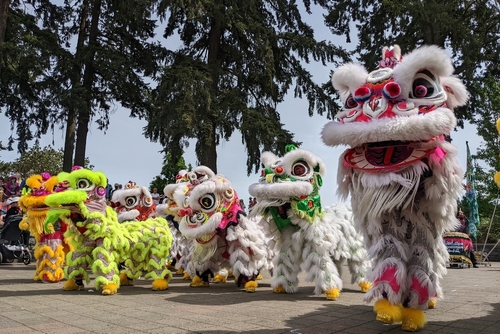
Meaningful ways to celebrate AAPI Heritage Month
Celebrating effectively means prioritizing genuine action over performative gestures. Here are a few ways you can make a real impact.
Learn and listen
Education is the best starting point. Read books written by AAPI authors to understand their unique perspectives. Watch documentaries and films directed by AAPI creators. You can also follow diverse voices on social media to stay informed about current community issues.
Support AAPI communities
Economic support makes a tangible difference. Choose to shop from AAPI-owned small businesses. Consider donating to community organizations that advocate for civil rights or provide essential services. Attending local cultural events is another great way to show support and learn at the same time.
Engage thoughtfully
Open conversations about identity and inclusion help foster understanding. When discussing these topics, avoid relying on stereotypes. Always center the voices of AAPI individuals rather than speaking over them.
AAPI Heritage Month at work or school
Organizations and schools play a big role in fostering inclusion. Hosting speaker events or panels can highlight diverse perspectives. Cultural education sessions help team members understand historical contexts. Highlighting the authentic stories of employees or students builds a stronger sense of belonging. The focus should always remain on genuine education and respect.
Common mistakes to avoid
Even with good intentions, people can make missteps during Heritage Month.
- Treating AAPI as a single culture: Remember the vast diversity within these communities.
- Focusing only on food or festivals: Cultural celebrations are wonderful, but they must be paired with an understanding of history and ongoing struggles.
- Performative allyship: Posting on social media without taking real action does not create change.
- Ignoring ongoing challenges: Acknowledge the systemic issues that AAPI individuals still face today.
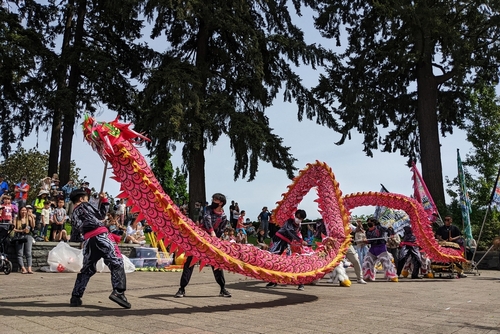
Why AAPI Heritage Month still matters
Dedicated heritage months encourage visibility. They help correct historical omissions and build cross-cultural understanding. Recognizing these communities highlights representation gaps and inspires collective action to address those inequities.
Frequently asked questions (FAQs)
What does the acronym AAPI stand for?
AAPI stands for Asian American and Pacific Islander. It represents a highly diverse group of people with roots in East Asia, Southeast Asia, South Asia, and the Pacific Islands.
When did AAPI Heritage Month officially start?
It began as Pacific/Asian American Heritage Week in 1978. In 1992, the U.S. government officially expanded it to a month-long celebration occurring every May.
How can I support AAPI communities year-round?
You can support AAPI communities by consistently shopping at AAPI-owned businesses, reading literature by AAPI authors, and standing up against discrimination whenever you see it.
Celebration with purpose
AAPI Heritage Month is an opportunity to combine awareness with action. By respecting the rich histories and ongoing contributions of these communities, we build a more inclusive society. Continue your learning journey well beyond the month of May. Ask yourself how you can support AAPI communities in a meaningful, ongoing way in your daily life.