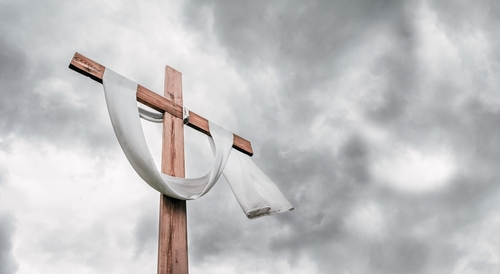

Easter and Christmas often take center stage in the Christian calendar. Yet, another profound event quietly shapes the faith of millions worldwide. Ascension Day marks a pivotal moment in Christian theology. It commemorates the day Jesus Christ ascended into heaven, completing his earthly ministry.
Many people overlook this significant day. Unlike other major holidays, it lacks the widespread commercial appeal of December or the bright spring festivities of Easter Sunday. However, its spiritual depth remains central to Christian teachings.
Understanding Ascension Day gives you a clearer view of Christian history and traditions. This guide will help you discover what the day truly means and why it matters. You will learn about its historical roots, how different cultures celebrate it, and practical ways to observe it in 2026.
When Is Ascension Day 2026?
Ascension Day falls on Thursday, May 14, 2026.
The exact date changes every year. This happens because Ascension Day is intrinsically linked to Easter, which follows a lunar calendar. The observance always takes place exactly 40 days after Easter Sunday. Because Easter shifts each year, Ascension Day moves along with it. However, it always lands on a Thursday.
What Is Ascension Day?
Ascension Day commemorates the moment Jesus Christ physically departed from Earth. The primary biblical account appears in the Book of Acts (Acts 1:9–11). According to the scripture, Jesus gathered his disciples on the Mount of Olives near Jerusalem. After delivering his final instructions, he was taken up before their very eyes, and a cloud hid him from their sight.
In Christian theology, “ascension” means a literal and spiritual elevation. It represents Jesus taking his rightful place at the right hand of God. This event confirms his divine authority and sets the stage for the next chapter of the Christian narrative.

The Spiritual Significance
Ascension Day holds deep theological meaning. It represents a transition for the early church and offers a lasting message for believers.
Completion of Jesus’ Earthly Ministry
The ascension marks the definitive end of Christ’s earthly life. Following his resurrection on Easter, Jesus appeared to his followers multiple times over 40 days. His ascension concluded these physical post-resurrection appearances. His work on Earth was finished, and his teachings were securely passed on to the apostles.
Promise of the Holy Spirit
Before ascending, Jesus promised his disciples that they would not be left alone. He instructed them to wait in Jerusalem for the arrival of the Holy Spirit. This promise was fulfilled 10 days later on Pentecost. The ascension was a necessary step to make way for this new spiritual presence.
Hope and Kingship
The event symbolizes Jesus’ exaltation and eternal reign. For believers, it serves as a powerful reminder of his kingship over the world. It also provides a sense of hope. Christians believe that just as Jesus ascended into heaven, he will one day return in the same manner.
Ascension Day in the Christian Calendar
Ascension Day occupies a unique space in the liturgical calendar. It bridges the joyful season of Easter and the fiery birth of the church at Pentecost.
Many denominations consider it one of the most important feast days of the year. Catholic, Orthodox, Anglican, and many Protestant churches hold special observances.
While the traditional day is always a Thursday, observance practices vary by region. In some countries, the church celebrates the feast exactly on Thursday. In other areas, church leaders move the celebration to the following Sunday. This allows more people to participate in the services without conflicting with their standard workweek.
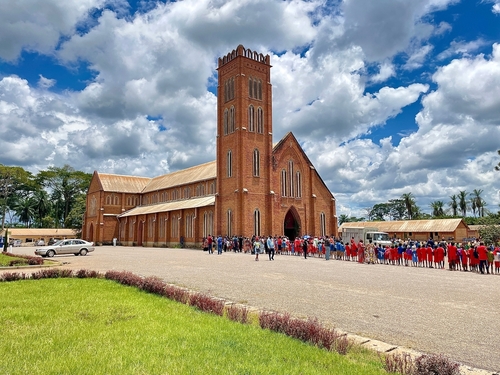
How Ascension Day Is Celebrated Around the World
Christians worldwide honor this day through a mix of solemn religious services and vibrant cultural practices.
Church Services
Many churches hold special services on Ascension Day. These gatherings feature unique liturgies, focused prayers, and uplifting hymns. Scripture readings focus heavily on the Gospel accounts of the ascension and the Book of Acts. Priests and pastors often speak about the themes of mission, hope, and divine authority.
Cultural Traditions
Celebrations extend far beyond the church walls in many countries.
- Germany: Ascension Day is a public holiday known as Christi Himmelfahrt. It also coincides with Father’s Day (Vatertag). Groups of men often take hiking tours and pull small wagons filled with food and beverages.
- France and Italy: Certain regions treat the day as a public holiday, allowing families to gather for large meals and community events.
- Indonesia: Ascension Day is a recognized national holiday. The diverse population honors the day widely, giving Christians the time off to attend special church services.
Outdoor and Symbolic Practices
Some traditions incorporate physical symbols to represent the departure of Christ. In certain Catholic parishes, the Paschal (Easter) candle is extinguished during the Ascension Day mass. This symbolizes the end of Christ’s physical presence on Earth. Other communities hold outdoor processions, walking through fields or towns to bless the upcoming summer harvest.
How to Observe Ascension Day Today
You do not need to live in a country with a public holiday to find meaning in Ascension Day. Here are a few practical and accessible ways to observe it.
Personal Reflection
Set aside quiet time to read the biblical account in Acts 1:1–11. Spend a few moments in prayer or journaling. Reflect on what it means to carry forward a mission of peace and love in your own community.
Attend a Service
Consider joining a church service. Many churches stream their Thursday services online if you cannot attend in person. Communal worship adds a layer of depth and connects you to a global tradition.
Family and Teaching Moments
Ascension Day offers a great opportunity to share history with children. Explain the story in simple, reassuring terms. Use visuals, children’s books, or simple storytelling to explain how Jesus left his friends but promised to remain with them in spirit.
Acts of Faith in Daily Life
Let the holiday inspire your actions. Reflect on your personal purpose and calling. Serve others as a direct response to your faith. Volunteering, helping a neighbor, or simply offering a kind word can be a powerful way to observe the day.
Frequently Asked Questions (FAQs)
Is Ascension Day a public holiday?
It depends on where you live. In many European countries, such as Germany, France, and the Netherlands, it is a national public holiday. In the United States and the United Kingdom, it is not a public holiday, and businesses remain open.
Why is it exactly 40 days after Easter?
The Book of Acts states that Jesus appeared to his disciples for 40 days following his resurrection. Because Easter falls on a Sunday, counting 40 days forward always lands on a Thursday.
Do all Christians celebrate it?
Most major Christian denominations observe Ascension Day. This includes Catholics, Eastern Orthodox, Anglicans, and many Protestant groups. However, some non-denominational or evangelical churches might not hold specific services for it, focusing instead on regular Sunday worship.
What’s the difference between Ascension and Pentecost?
Ascension Day marks the physical departure of Jesus into heaven. Pentecost, which happens 10 days later, celebrates the arrival of the Holy Spirit to the apostles. Ascension focuses on Jesus’ exaltation, while Pentecost focuses on the birth and empowerment of the church.
Why Ascension Day Still Matters Today
Ancient holidays can sometimes feel disconnected from modern life. However, the themes of Ascension Day remain highly relevant.
It provides a message of hope in uncertain times. Knowing that a divine presence oversees the world brings comfort to many believers. The holiday also points to a meaning beyond our daily material lives. It encourages people to look past their immediate struggles and focus on a broader spiritual reality.
By remembering the ascension, believers are reminded of the strong connection between Earth and the divine. It challenges individuals to move beyond surface-level observance and pursue a deeper understanding of their faith.
Looking Upward and Living Purposefully
Ascension Day represents a moment of transition, lasting hope, and clear mission. It reminds believers that they are part of a continuous story that extends far beyond the events of Easter.
Take time this May to reflect on these powerful themes. Consider how the teachings of this historic day might inspire your daily actions. How does the message of the Ascension shape the way you live today?